How Much Does a Jeep Lift Cost? Complete Pricing Guide
 Reading Time: 7 minutes
 Many Jeep owners dream of making their vehicle look tougher and perform better off-road. One popular way to do this is by installing a Jeep lift kit. But if you’ve started searching online, you’ll notice prices can vary a lot. Why is there such a big difference? And how much does a Jeep lift really cost, from start to finish? This guide will break down every part of the cost, explain what affects the price, and help you avoid common mistakes. If you’re new to modifying vehicles, you’ll learn exactly what to expect and how to plan your budget.
What Is A Jeep Lift?
A Jeep lift is a modification that raises the height of your Jeep’s body or suspension. This gives you more ground clearance, space for bigger tires, and a bolder look. There are two main types:
- Body lift: Raises the body from the frame using spacers. It’s a simple and cheaper way to lift your Jeep, usually 1-3 inches.
- Suspension lift: Changes the springs, shocks, or control arms for a higher ride. This type gives better off-road performance and more lift, but costs more.
Each lift type has its own price range, installation needs, and effect on your Jeep’s handling.
Main Factors That Affect Jeep Lift Cost
Many things can change the total price you’ll pay for a Jeep lift. Here are the most important factors:
- Type of lift kit (body or suspension)
- Lift height (how many inches you want)
- Brand and quality of parts
- Jeep model and year
- Labor costs for installation
- Extra upgrades needed (like tires, shocks, or alignment)
- Location (labor rates vary by region)
Even small choices, like going from a 2-inch to a 4-inch lift, can add hundreds of dollars.

Credit: www.youtube.com
Real-world Jeep Lift Cost Breakdown
Let’s look at real prices to make things clearer. These numbers are based on popular models like the Jeep Wrangler JK (2007–2018) and Jeep Wrangler JL (2018–present).
Body Lift Kits
These kits use spacers and are the most affordable option. Here’s what you can expect:
- Kit price: $150 – $600
- Installation (shop): $200 – $500
- Total cost: $350 – $1,100
Body lifts don’t usually require new shocks or steering parts, so extra costs are low.
Suspension Lift Kits
These kits change the suspension parts and can get expensive, but they offer more benefits.
- Kit price: $400 – $3,500 (basic kits to premium brands)
- Installation (shop): $500 – $2,000 (depending on lift height and complexity)
- Total cost: $900 – $5,500
The price can climb quickly if you choose a well-known brand or a higher lift.
Real Price Examples
Here is a comparison of some common Jeep lift setups:
| Lift Type | Lift Height | Kit Cost | Install Cost | Total Cost |
|---|---|---|---|---|
| Body Lift | 2 inches | $250 | $300 | $550 |
| Suspension Lift (Budget) | 2.5 inches | $450 | $600 | $1,050 |
| Suspension Lift (Premium) | 4 inches | $2,500 | $1,500 | $4,000 |
Notice how the total cost goes up with higher lifts and better parts.
What’s Included In A Jeep Lift Kit?
Not all lift kits include the same parts. Here’s what you might find inside:
- Basic kit: Spacers or simple coil springs
- Standard kit: Springs, shocks, hardware
- Complete kit: Springs, shocks, control arms, track bars, sway bar links, brake line extensions
Cheap kits often leave out important parts, while expensive kits are more complete. Always check what’s included before you buy.
Credit: www.justjeeps.com
Installation: Diy Vs. Professional
You can install a lift kit yourself if you have tools and mechanical skill. However, most beginners choose a shop to avoid mistakes. Here’s how costs compare:
| Method | Pros | Cons | Typical Cost |
|---|---|---|---|
| DIY | Save on labor Learn new skills |
Time-consuming Risk of errors |
Parts only ($150–$3,500) |
| Professional | Faster Done right |
Labor cost | Parts + $200–$2,000 labor |
If you’re new to car work, a professional install is usually safer.
Hidden And Extra Costs To Expect
Many beginners forget about extra costs. Here are common things that add to your final price:
- Bigger tires: Lifting your Jeep means you’ll want larger tires. Expect $800–$2,000 for a full set.
- Wheels: Wide or tall tires may need new wheels ($600–$1,800 for a set).
- Wheel alignment: Always needed after a lift ($75–$150).
- Drivetrain changes: High lifts may require driveshaft or gear changes ($300–$1,500).
- Other upgrades: Brake lines, shocks, or steering stabilizers are sometimes needed.
Many shops will tell you about these extras up front, but some only mention them after the install. Always ask for a full estimate.
How Lift Height Changes The Price
The higher you lift, the more you pay. Here’s why:
- 1–2 inch lifts: Simple kits, cheaper parts, few extras
- 2.5–3.5 inch lifts: Stronger springs, new shocks, more alignment work
- 4 inch+ lifts: Need advanced parts (control arms, track bars, etc. ), often require new driveshafts or gears
For example, a 2-inch body lift on a Jeep Wrangler may cost $500 installed, but a 4-inch premium suspension lift can be $4,000 or more.
Brand And Quality: Does It Matter?
Yes, the brand and quality make a big difference. Well-known brands like Teraflex, Rubicon Express, and Mopar cost more but offer better fit and long-term reliability. Cheaper kits from unknown brands may save money up front but can lead to poor ride quality or even safety issues.
Don’t be fooled by the lowest price you see online. Check reviews, warranty, and what’s included. Sometimes, a $1,000 kit with everything you need is better than a $500 kit that’s missing key parts.
Jeep Model And Year: Why It Matters
Not all Jeeps are the same. For example, the Jeep Wrangler JL (2018+) and the older JK (2007–2018) have different suspension setups. Kits for new models often cost more because the technology is newer and there are fewer choices.
Lifting a Jeep Grand Cherokee is usually more expensive because it has a different suspension type. Always check that the lift kit fits your exact Jeep model and year.
Labor Costs By Location
Where you live affects labor prices. In big cities, you might pay $100–$150 per hour for shop work, while smaller towns may charge $60–$90 per hour. Installing a simple body lift can take 2–4 hours. A suspension lift can take 6–10 hours.
If you’re near a popular off-road area, some shops offer package deals for lift kit installs.
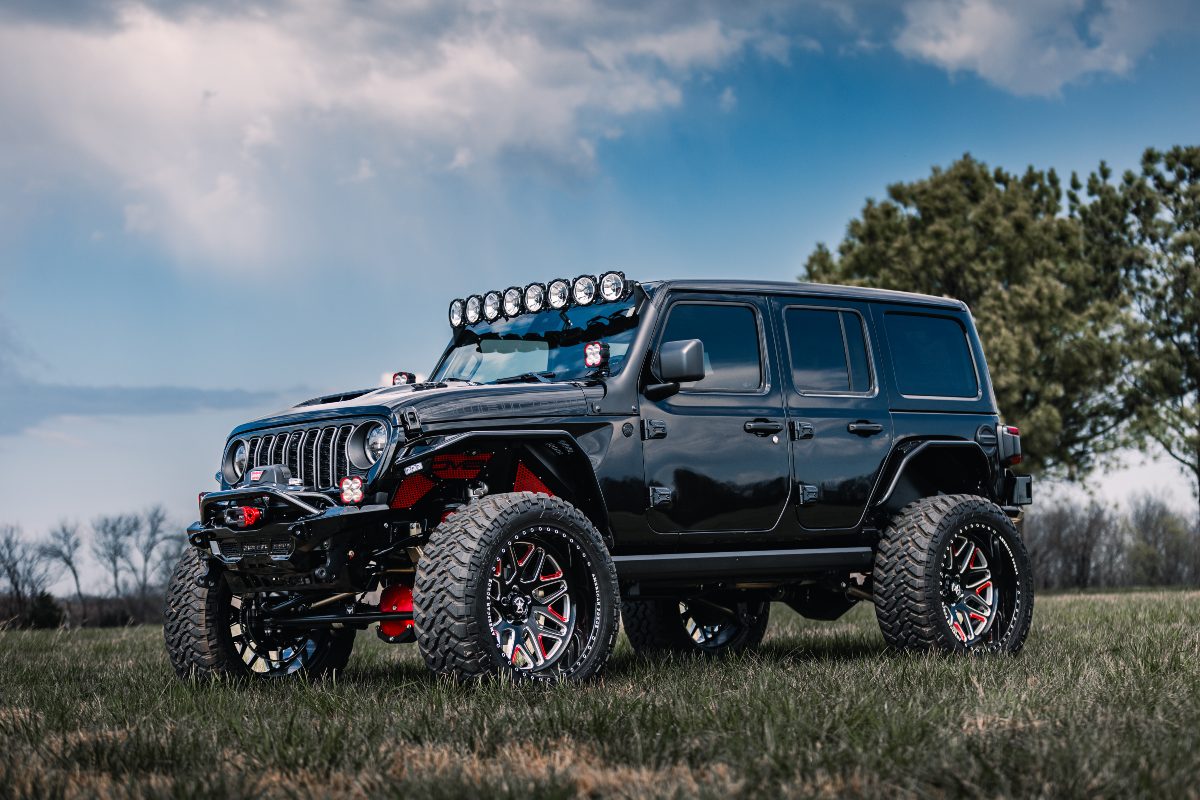
Credit: liftedjeeps.com
Is A Jeep Lift Worth The Money?
A Jeep lift isn’t just for looks. It improves:
- Ground clearance: Better off-road ability, less risk of damage
- Tire size: Fit bigger, tougher tires for mud, rocks, or snow
- Appearance: More aggressive, custom look
But it’s not all positive. Lifting your Jeep can make the ride stiffer, change how it handles, and hurt fuel economy. High lifts may also increase wear on parts. Always balance your goals with your budget.
Non-obvious Insights For Beginners
- Warranty may change: Some lifts will void part of your Jeep’s factory warranty. Ask your dealer before installing.
- Insurance can go up: Lifting your Jeep may affect your insurance. Tell your provider about the modification.
These details often surprise first-time Jeep owners. Planning ahead can save money and stress.
Common Mistakes To Avoid
- Choosing the cheapest kit: Low-cost kits often lack needed parts, leading to more expenses later.
- Skipping alignment: Not aligning your wheels after a lift can cause fast tire wear and poor handling.
- Ignoring local laws: Some states limit how high you can lift your vehicle. Check the rules where you live.
Comparison: Body Vs. Suspension Lift
Still not sure which type is right? Here’s a quick side-by-side:
| Body Lift | Suspension Lift |
|---|---|
| Lower cost Simpler install Only raises body |
More expensive Better off-road ability Raises whole vehicle |
| Limited lift (up to 3″) | Higher lifts possible (2″–6″+) |
| May not improve ground clearance much | Real increase in clearance |
For serious off-roading, a suspension lift is usually the better choice.
How To Save Money On A Jeep Lift
- Look for package deals: Some shops bundle the kit, install, and alignment for one price.
- Buy used parts: Forums and local Jeep clubs sometimes sell quality kits for less.
- Install in winter: Some shops offer lower prices in the off-season.
- Stick to your needs: Don’t buy a 4-inch lift if you only do mild trails.
Doing research and asking questions will always pay off.
Frequently Asked Questions
How Much Does It Cost To Lift A Jeep Wrangler 2 Inches?
A basic 2-inch lift kit for a Jeep Wrangler costs about $400–$1,000 installed, depending on the brand and if you choose a body or suspension lift. A body lift is cheaper and simpler, while a suspension lift gives better off-road performance.
Will A Lift Kit Void My Jeep’s Warranty?
Some lift kits can affect your warranty, especially on new Jeeps. Always check with your dealer before installing. Using factory-approved kits, like Mopar, may help keep your warranty safe.
Do I Need Bigger Tires With A Lift Kit?
You don’t have to buy bigger tires, but most people do to take full advantage of the lift. Budget $800–$2,000 extra for a full set of larger tires and wheels.
Can I Install A Jeep Lift Kit Myself?
If you have the tools and skills, you can install a basic lift kit at home. Suspension lifts are harder and may need special tools. Most beginners are better off paying for professional installation.
Where Can I Find More Information On Jeep Lifts?
You can learn more by visiting forums, Jeep clubs, or reading guides from trusted sources like Extreme Terrain.
Lifting your Jeep is a big decision, but knowing the real costs and what to expect helps you make the right choice for your vehicle and budget. Whether you want a mild lift for style or a serious setup for off-roading, planning ahead keeps you safe and satisfied with the results.