Jeep Grand Cherokee 36 Engine: Ultimate Power and Performance Guide
 Reading Time: 9 minutes
 If you’re considering a Jeep Grand Cherokee with the 3.6-liter engine, you probably want to know what makes it stand out—and what to watch out for. This engine powers many Jeep models and is praised for its solid performance and smooth ride.
But like any engine, it has its quirks and maintenance needs that can affect reliability and longevity. You’ll discover the key strengths of the Grand Cherokee’s 3. 6 engine, common issues owners face, and practical tips to keep your ride running strong.
By the end, you’ll feel confident about what to expect and how to get the most from your Jeep’s heart—the engine. Keep reading to unlock everything you need to know.
Engine Specs
The Jeep Grand Cherokee 3.6 engine offers a balanced mix of power and efficiency. Its design meets the needs of drivers who want strong performance without sacrificing fuel economy. This engine is a popular choice for many Jeep models due to its reliability and advanced features.
Understanding the engine specs helps appreciate how Jeep achieves this balance. Below, we explore the key aspects of this engine’s design and capabilities.
Design And Architecture
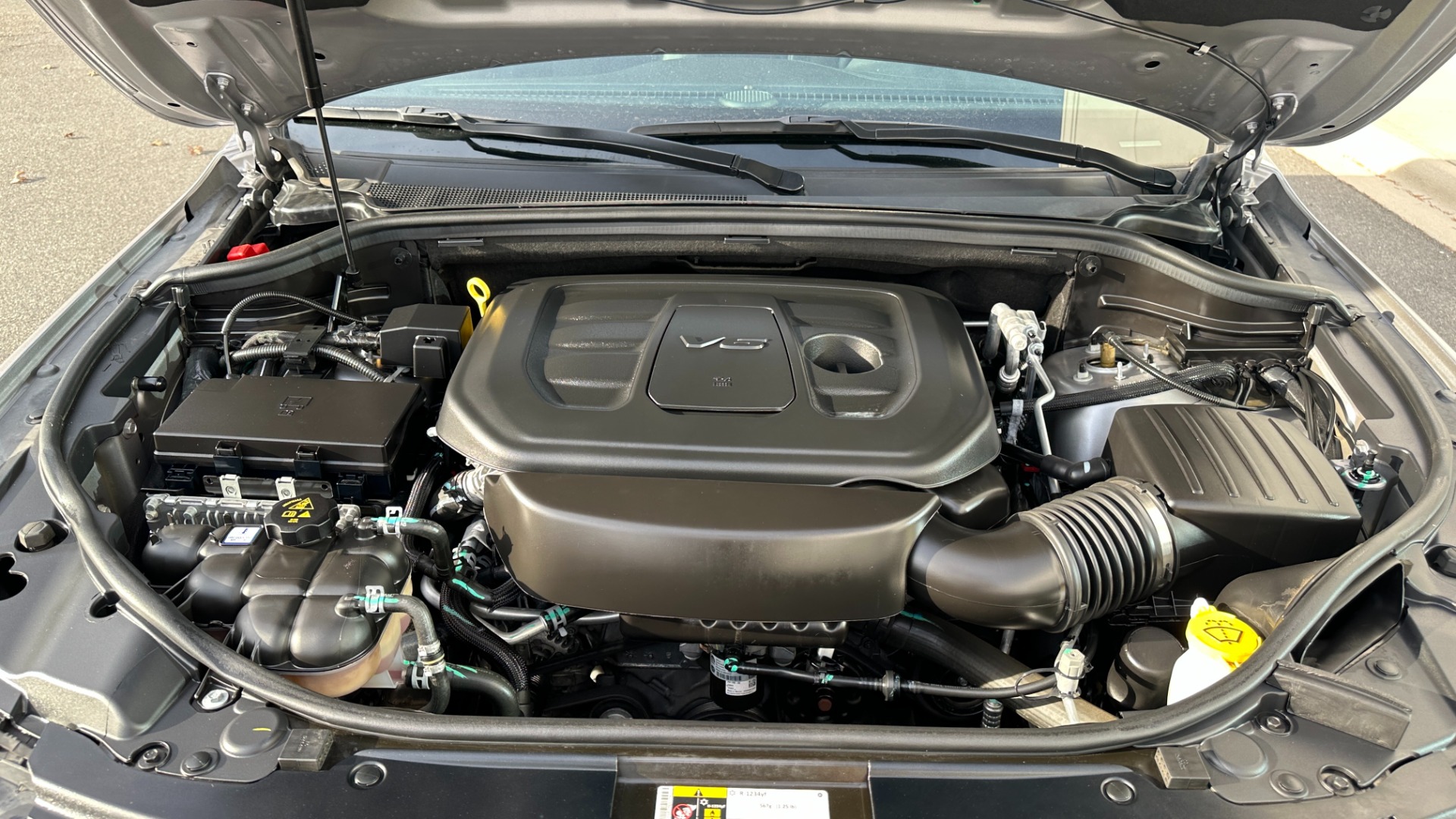
The 3.6 engine uses a V6 layout with 24 valves. It features an aluminum block and heads to reduce weight. This design improves heat management and durability. The engine is compact, fitting well into the Grand Cherokee’s engine bay. Its architecture supports smooth operation and quick response.
Power Output
This engine delivers around 295 horsepower and 260 lb-ft of torque. It provides strong acceleration for daily driving and off-road use. The power is well distributed across the RPM range. This makes the Grand Cherokee feel capable in many driving conditions. It also supports towing and hauling tasks efficiently.
Fuel Efficiency
The 3.6 engine balances power with fuel savings. It achieves respectable miles per gallon in both city and highway driving. Light-weight materials and modern fuel injection help lower consumption. The engine’s efficiency supports longer trips with fewer stops. This makes it an economical choice for many drivers.
Variable Valve Timing
Variable Valve Timing (VVT) is a key feature of this engine. It adjusts the timing of intake and exhaust valves automatically. VVT improves power delivery and fuel efficiency. It also reduces emissions by optimizing combustion. This technology allows the engine to perform well at different speeds and loads.
Credit: www.formulaimports.com
Performance Features
The Jeep Grand Cherokee 36 engine offers solid performance for everyday driving and tough conditions. It balances power and control, making every ride smooth and responsive.
This engine is designed to deliver strong torque, quick acceleration, and reliable towing. It also includes technology that enhances driving comfort and efficiency.
Torque And Acceleration
The engine produces high torque at low RPMs. This helps with quick starts and strong pulls on steep roads. Acceleration feels smooth and steady, giving confident control on highways and off-road trails.
Drivers notice fast response from the throttle. The power delivery stays consistent, even under heavy load or rough terrain.
Towing Capacity
The Jeep Grand Cherokee 36 engine supports impressive towing abilities. It can pull trailers, boats, or campers with ease. This makes it a practical choice for outdoor activities and work needs.
Towing remains stable thanks to the engine’s balanced power output. The vehicle maintains control and safety at all times.
Smooth Operation
The engine runs quietly and smoothly, reducing vibrations inside the cabin. This improves comfort on long drives and daily commutes.
Advanced engineering minimizes noise and harshness. The result is a refined driving experience that feels solid and reliable.
Technology Enhancements
The engine includes modern tech like Variable Valve Timing (VVT). VVT improves fuel efficiency and power delivery across different speeds.
Other features help optimize engine cooling and reduce emissions. These technologies keep performance strong while being eco-friendly.
Common Issues
The Jeep Grand Cherokee 36 engine offers solid power but has some common issues. Many drivers report these problems after some years of use. Knowing these issues helps in keeping the engine healthy and reliable.
Regular maintenance reduces the risk of costly repairs. Paying attention to early signs can save time and money.
Oil Cooler Leaks
Oil cooler leaks are frequent in this engine model. They cause oil loss and engine overheating. Leaks often occur at the seals or cooler lines. Fixing leaks early prevents engine damage.
Rocker Arm And Cylinder Head Wear
Rocker arms and cylinder heads show wear after high mileage. This wear causes ticking noises and reduces engine smoothness. Proper oil changes help slow down this wear. Ignoring these signs can lead to costly repairs.
Tapping Noises And Oil Pump Concerns
Tapping noises may signal oil pump issues or loose components. Some owners report oil pump failures causing low oil pressure. Early oil filter changes keep the oil pump working well. Do not ignore unusual engine sounds.
Water Pump And Head Gasket Problems
Water pumps may fail due to wear or coolant leaks. Head gasket failures cause overheating and coolant loss. Regular coolant checks and timely replacement prevent these problems. Watch for engine temperature spikes and coolant smells.
Electrical System Faults
Electrical faults affect sensors and ignition systems. Faulty wiring can cause engine misfires or warning lights. Keeping electrical connections clean and tight helps avoid these issues. Diagnosing early prevents engine performance loss.

Credit: www.gilgharda.com
Maintenance Tips
Proper maintenance keeps the Jeep Grand Cherokee 3.6 engine running smoothly. Regular care prevents costly repairs. It extends engine life and improves performance. Follow these simple tips to maintain your engine efficiently.
Oil Change Intervals
Change the engine oil every 5,000 to 7,500 miles. Use the oil grade recommended by Jeep. Fresh oil protects engine parts and reduces wear. Avoid skipping oil changes to prevent damage. Check the oil level regularly for best results.
Cooling System Care
Check the coolant level every month. Replace the coolant as per the service schedule. Inspect hoses and radiator for leaks or cracks. Proper cooling prevents overheating and engine failure. Keep the cooling system clean and free of debris.
Use Of Quality Parts
Use genuine or high-quality replacement parts only. Cheap parts may cause engine problems. Quality parts ensure better fit and durability. Always replace filters with recommended models. This helps maintain engine efficiency and reliability.
Routine Inspections
Perform regular engine inspections for leaks and unusual noises. Check belts and pulleys for wear. Listen for ticking sounds that may indicate issues. Early detection helps avoid major repairs. Schedule inspections at every oil change or service.
Reliability Insights
The Jeep Grand Cherokee 3.6 engine shows varied reliability depending on several factors. This engine, known as the Pentastar V6, offers solid power and efficiency. Yet, its dependability can change with the model year and upkeep.
Understanding these nuances helps owners keep their vehicles in good shape. Below, we explore key aspects affecting the engine’s reliability.
Model Year Variations
Early model years had some issues with oil cooler leaks and rocker arm wear. Later models improved these weak points. Jeep refined parts and added better cooling systems over time.
Newer engines often show fewer mechanical problems. Still, some model years require more attention to avoid costly repairs.
Impact Of Maintenance
Regular maintenance is crucial for the 3.6 engine’s health. Using high-quality oil and changing it on time reduces wear. Some owners choose shorter oil change intervals for extra protection.
Neglecting routine care can cause ticking noises and oil pump failures. Proper upkeep helps keep valve timing systems and rockers working smoothly.
User Experiences
Many Jeep owners report strong performance and reliability with proper care. Others mention occasional issues like minor leaks or noises. Experiences vary widely across forums and reviews.
Positive feedback often comes from drivers who follow maintenance schedules closely. Negative reports frequently link to delayed or skipped service.
Durability In Daily Driving
The 3.6 engine handles daily driving well under normal conditions. It delivers smooth power and good fuel efficiency. Its design suits both city streets and highway travel.
With consistent care, this engine can last many miles without major problems. Harsh driving or neglect may shorten its lifespan.
Pros And Advantages
The Jeep Grand Cherokee 3.6 engine offers many benefits that appeal to drivers. It balances power and fuel use well. This makes it a solid choice for daily driving and off-road adventures.
Its design fits a range of Jeep models, adding to its appeal. The engine also includes modern technology to boost performance. Known for durability, it has earned a strong reputation among Jeep fans.
Power And Efficiency Balance
The 3.6 engine delivers enough power for most tasks. It provides smooth acceleration and good towing ability. Fuel efficiency remains competitive for a V6 engine. This balance saves money on gas without losing strength.
Versatility Across Models
This engine fits multiple Jeep Grand Cherokee trims. It also appears in other Jeep and Dodge vehicles. This broad use shows its flexible design and reliability. Drivers get consistent performance across different models.
Technological Sophistication
The engine includes Variable Valve Timing (VVT) technology. VVT adjusts valve operation to match driving needs. This improves power output and lowers emissions. The result is better overall engine performance and smoother running.
Reputation For Strength
The 3.6 engine is known for its durability and long life. Many owners report reliable performance after many miles. Proper maintenance keeps the engine running well for years. It stands up to tough conditions and rugged use.
Cons And Drawbacks
The Jeep Grand Cherokee 36 engine offers solid performance but comes with some downsides. Understanding these cons helps owners make informed decisions. This section covers maintenance demands, variability by manufacturer, known component failures, and potential repair costs.
Maintenance Demands
The 36 engine needs regular care to stay reliable. Frequent oil changes with the right grade oil are crucial. Neglecting this can cause ticking noises and wear on rocker arms. Cooling system parts, like the water pump, also require timely replacement. Owners must follow strict maintenance schedules to avoid bigger problems.
Variability By Manufacturer
Not all 36 engines perform the same across Jeep models. Differences in manufacturing years and plant locations affect quality. Early models tend to have more issues than newer ones. This inconsistency makes it hard to predict reliability without knowing the specific vehicle’s history. Buyers should check model year and service records carefully.
Known Component Failures
Some parts in the 36 engine are prone to failure. Oil cooler leaks appear frequently in older engines. Rocker arm and cylinder head problems also occur, causing rough running or noise. Oil pump issues can lead to tapping sounds and reduced oil pressure. These failures may develop even with proper care, requiring close attention.
Potential For Expensive Repairs
Repair costs can be high if problems worsen. Replacing the oil cooler or fixing cylinder heads is expensive. Ignoring minor symptoms can lead to major engine damage. Labor costs add up, especially at dealerships. Budgeting for possible repairs is wise for any 36 engine owner.

Credit: autonxt.net
Frequently Asked Questions
What Is The Life Expectancy Of A Jeep Grand Cherokee 3.6 Engine?
The Jeep Grand Cherokee 3. 6 engine typically lasts 200,000 to 250,000 miles with proper maintenance. Regular oil changes and timely repairs extend its life. Neglecting upkeep may cause issues like oil leaks and rocker arm wear, reducing engine longevity.
Is The Jeep 3.6 Engine Reliable?
The Jeep 3. 6 engine offers good power and durability but requires consistent maintenance. Common issues include oil leaks and rocker arm wear. Reliability varies by model year and care, making proper upkeep essential for long-term performance.
Is A 3.6 L V6 Engine Good?
The 3. 6L V6 engine offers good power, efficiency, and smooth operation. It’s reliable with proper maintenance but may need diligent oil and cooling system care. Common issues include oil leaks and rocker arm wear, making consistent upkeep essential for long-term performance.
Is The Grand Cherokee 3.6 Reliable?
The Grand Cherokee 3. 6 offers decent reliability but requires regular maintenance. Common issues include oil leaks and rocker arm wear. Proper upkeep and timely oil changes improve longevity. Reliability varies by model year and care, making consistent service essential for trouble-free performance.
Conclusion
The Jeep Grand Cherokee 3. 6 engine offers solid power and smooth driving. It performs well but needs regular care to avoid common problems. Oil leaks and rocker arm issues appear in some models. Using good oil and keeping up maintenance improves reliability.
Many drivers enjoy its balance of strength and efficiency. Overall, it fits daily driving and towing needs with proper attention.