
Harbor Freight Jeep Top Hoist: Ultimate Guide for Easy Removal
 Reading Time: 8 minutes
 The Jeep Wrangler is famous for its removable hardtop. Taking off the top is part of the fun—fresh air, sunshine, and a new sense of adventure. But if you’ve ever tried to lift that heavy, awkward top alone, you know it’s not easy. Many Jeep owners turn to a hoist system to make the job safer and faster. One popular choice is building a Jeep top hoist using parts from Harbor Freight, a well-known budget tool store.
If you’re a beginner, it can feel overwhelming. What tools do you need? Is it safe? How does a DIY Harbor Freight Jeep top hoist compare to other options? This guide will answer your questions, explain the basics, and help you decide if this route is right for you.
What Is A Jeep Top Hoist?
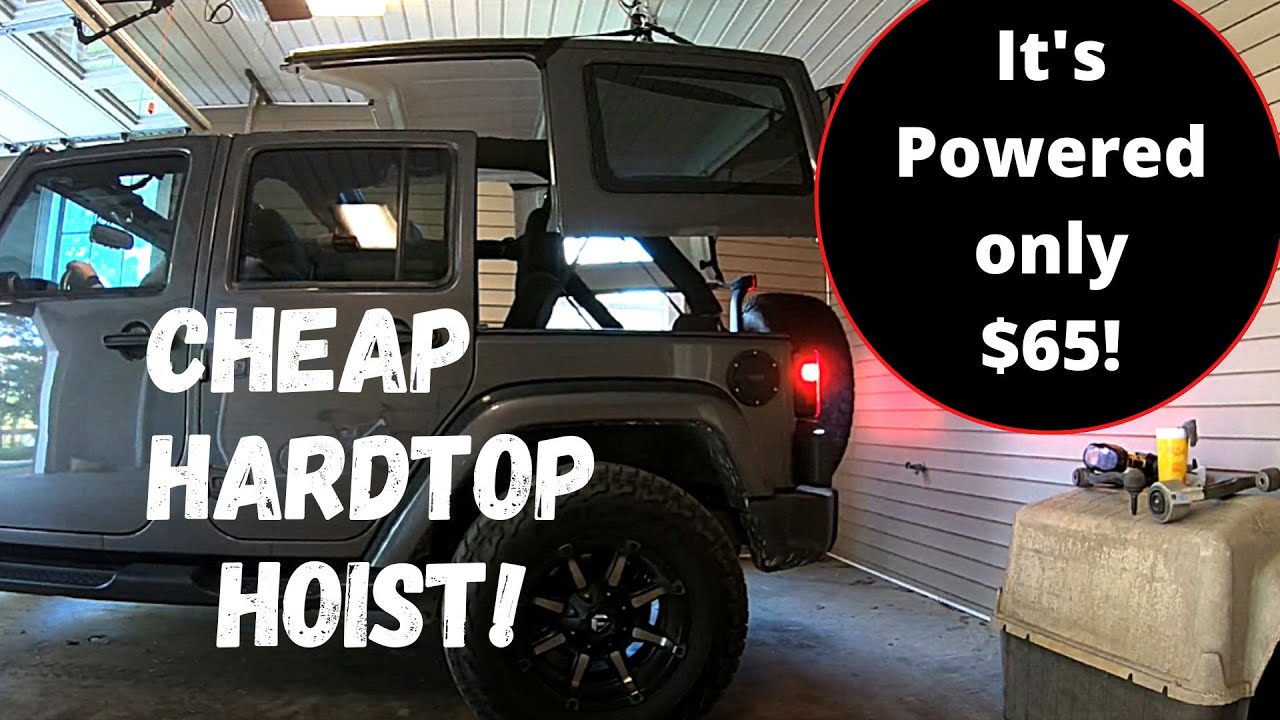
A Jeep top hoist is a lifting device that helps you remove or install your Jeep’s hardtop. It usually hangs from your garage ceiling and uses a system of pulleys, ropes, or electric winches. With a good hoist, one person can remove the top in minutes, without scratching paint or hurting their back.
Most hoist systems fall into two categories:
- Manual hoists (using ropes and pulleys, lifted by hand)
- Electric hoists (using a motor and remote control)
Building your own with Harbor Freight parts can save money and let you customize the setup.
Why Choose Harbor Freight For A Jeep Top Hoist?
Harbor Freight is popular for affordable tools and hardware. Many Jeep owners use Harbor Freight’s winches, pulleys, and straps to build their own top hoists.
Main reasons people choose Harbor Freight:
- Low cost: Parts often cost less than branded hoist kits.
- DIY flexibility: You can design a system that fits your garage and Jeep model.
- Easy to find: Stores are in most US cities and online.
But Harbor Freight doesn’t sell a “Jeep top hoist kit. ” You’ll buy separate parts and assemble them yourself.
Credit: www.youtube.com
Key Parts For A Harbor Freight Jeep Top Hoist
To build a safe, effective hoist, you’ll need a few main parts. Here’s what most beginners use from Harbor Freight:
- Electric hoist (like the 440 lb. Electric hoist)
- Heavy-duty eye bolts (to anchor hoist to ceiling)
- Lift straps or slings
- Steel pulleys
- Carabiners or hooks
- Mounting hardware (nuts, bolts, lag screws)
You may also need wooden boards or metal bars to spread the weight.
Example Shopping List
Here’s a sample shopping list (prices may change):
| Part | Recommended Model | Approximate Price |
|---|---|---|
| Electric Hoist | 440 lb. Electric Hoist | $120 |
| Eye Bolts (2-4) | 3/8″ x 4″ Steel Eye Bolt | $8 |
| Lift Straps | 2″ x 6′ Lifting Sling | $10 |
| Pulleys (optional) | Sheave Block Pulley | $12 |
| Carabiners (2-4) | 3″ Steel Carabiner | $6 |
The total cost is usually $150–$180, much less than many branded kits.
Step-by-step: How To Build A Harbor Freight Jeep Top Hoist
You don’t need to be a pro mechanic to build a basic hoist, but you do need to follow safety steps. Here’s a simple overview for beginners:
- Find the right location.
- Choose a garage spot with enough ceiling height and space to park your Jeep under the hoist.
- Locate ceiling joists—never mount directly to drywall.
- Install the ceiling anchors.
- Drill into ceiling joists and install heavy-duty eye bolts.
- Use lag screws if mounting boards for extra strength.
- Mount the electric hoist.
- Attach the hoist to the eye bolts or a mounting board.
- Double-check that it’s secure before adding weight.
- Attach pulleys and carabiners.
- Route the lift cable through pulleys if needed.
- Carabiners make connecting straps easier.
- Prepare the lift straps.
- Loop the straps under the Jeep top’s edges.
- Position straps evenly to balance the weight.
- Lift the top.
- With the Jeep parked below, hook the straps to the hoist.
- Slowly lift the top off, watching for any wobbling.
- Store or lower the top.
- You can suspend the top from the ceiling or lower it onto a storage cart.
Sample Installation Plan
| Step | Tools Needed | Key Safety Tip |
|---|---|---|
| Find Joists | Stud Finder, Drill | Never mount to drywall only |
| Install Anchors | Wrench, Lag Screws | Tighten fully |
| Mount Hoist | Wrench, Socket Set | Check for movement before use |
| Attach Straps | Straps, Carabiners | Even strap spacing |
| Lift Top | Remote (if electric) | Go slow, watch balance |

Credit: www.reddit.com
Safety Tips For Beginners
Lifting a Jeep top (often 120–150 lbs) above your head can be risky if not done correctly. Here are important safety tips:
- Check weight limits: Never exceed the rated capacity of your hoist or anchors.
- Inspect before every use: Look for worn straps, loose bolts, or damaged pulleys.
- Test with a lighter load: Before lifting your Jeep top, try the hoist with a heavy box.
- Clear the area: Keep people and pets away while lifting.
- Move slowly: Don’t rush—listen for any strange sounds from the hoist.
Many beginners forget to check the ceiling structure strength. If you’re unsure, ask a contractor or experienced friend.
Diy Vs. Store-bought Hoist Systems
Should you build your own, or buy a pre-made hoist? Here’s a quick comparison:
| Feature | Harbor Freight DIY Hoist | Branded Hoist Kits |
|---|---|---|
| Cost | $150–$180 | $300–$600 |
| Installation | DIY skills needed | Often plug-and-play |
| Customization | High | Low to none |
| Support/Warranty | Limited | Full warranty/support |
| Time to Build | 2-3 hours | 1-2 hours |
A Harbor Freight hoist is great for those who want to save money and enjoy DIY projects. Branded kits offer more convenience and support.

Credit: www.youtube.com
Common Mistakes And How To Avoid Them
Many first-time builders make similar mistakes. Here are the most common issues—and how to avoid them:
- Using weak anchor points: Always mount to strong ceiling joists, not just drywall.
- Not balancing the top: If straps are uneven, the top may twist or fall.
- Forgetting to lock the hoist: Use a hoist with an auto-brake, or secure with a backup rope.
- Skipping strap checks: Worn or frayed straps can break during lifting.
- Trying to rush the process: Take time to measure, balance, and check each step.
Two non-obvious tips:
- Label your strap positions for each lift. This saves time and ensures balance every time.
- Consider adding padding where straps touch the Jeep top to prevent scratches.
Harbor Freight Jeep Top Hoist: Real User Experiences
Many Jeep owners share their experiences online. Here’s what most say:
- “Saved me hundreds!” Many users note that their DIY hoist cost less than half of branded kits.
- “Took an afternoon to build.” For beginners, plan for 2-3 hours to install and test.
- “Works for other uses.” Some use the same hoist to lift bikes, kayaks, or truck caps in winter.
A few users mention needing to adjust the straps or pulleys after the first lift. This is normal—small tweaks make the hoist safer and easier next time.
When Is A Diy Hoist Not The Best Option?
A Harbor Freight Jeep top hoist works well for most, but it’s not always the perfect fit.
Consider a pre-made kit if:
- You rent your home and can’t drill into the ceiling.
- You want a full warranty and phone support.
- You need a professional look for resale value.
But for many Jeep lovers, the DIY path offers more flexibility and savings.
Maintenance And Longevity
A DIY hoist can last for years with simple care:
- Check bolts and straps every few months.
- Lubricate pulleys if they squeak.
- Store straps out of sun to avoid UV damage.
- Replace any worn part at the first sign of fraying or rust.
Most electric hoists from Harbor Freight have a 1-2 year warranty, but parts are cheap to replace. With good care, your hoist will handle hundreds of lifts.
Environmental Factors To Consider
Garages are not always climate-controlled. Here are a few points for beginners:
- Humidity can rust metal parts. Wipe down pulleys and hoist body once in a while.
- Extreme cold may stiffen straps. Let them warm up before use.
- Overhead storage: Make sure the lifted top won’t hit garage doors or lights.
These small steps keep your setup safe and reliable year-round.
Legal And Insurance Considerations
Removing your Jeep top with a DIY hoist does not usually void your Jeep’s warranty. However, always check your vehicle’s manual. If you damage the top during removal, repairs are your responsibility.
Most home insurance policies cover damage to the garage or Jeep only if the hoist is installed safely and according to local codes. If you’re unsure, call your insurance agent for advice.
Frequently Asked Questions
What Is The Weight Limit For A Harbor Freight Electric Hoist?
Most Harbor Freight electric hoists used for Jeep tops are rated for 440 lbs. Since most Jeep hardtops weigh 120–150 lbs, this is more than enough. Always check the label on your hoist before using.
Do I Need A Second Person To Install The Hoist?
You can install the hoist alone, but having a friend helps—especially when lifting and mounting the hoist unit. For the actual Jeep top removal, one person is enough if the system is balanced and secure.
Can I Use The Hoist For Other Things?
Yes, many Jeep owners use the same Harbor Freight hoist to lift kayaks, bikes, or truck caps. Always check that the load does not exceed the hoist’s rating.
Is A Harbor Freight Jeep Top Hoist Safe For Beginners?
If you follow the instructions, mount to solid ceiling joists, and inspect parts regularly, it is safe. Beginners should go slowly, double-check their work, and test with a lighter load first.
Where Can I Find More Diy Guides?
You can find helpful video tutorials and user reviews on Jeep forums and YouTube. For more information on tool ratings and safety, check out Harbor Freight’s official site.
A Harbor Freight Jeep top hoist is a smart, budget-friendly solution for Jeep owners who enjoy hands-on projects. With basic tools, a little time, and careful installation, you can make removing your Jeep top safe, easy, and even fun. Remember to check your setup each season and make small adjustments as needed.
Your Jeep adventures will be even better with the freedom to go topless—anytime you want.