

Replace Jeep Wrangler Antenna Mast: Stubby Antenna Guide
 Reading Time: 10 minutes
SEO title: How to Replace a Broken Jeep Wrangler Antenna With a Stubby Antenna
Meta description: Learn how to remove a broken Jeep Wrangler antenna mast and install a stubby antenna. Includes tools, fit checks, step-by-step instructions, and troubleshooting.
Introduction
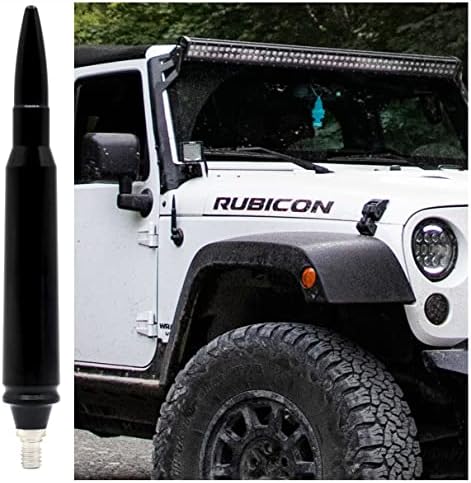
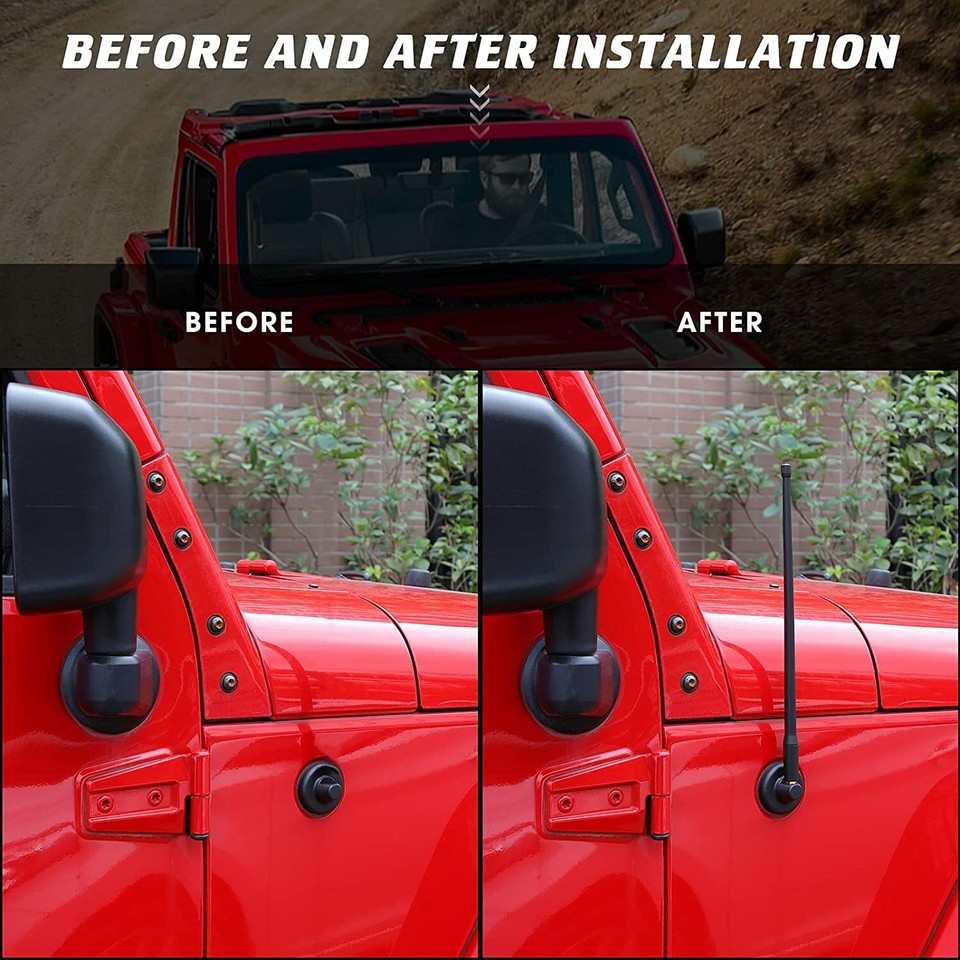
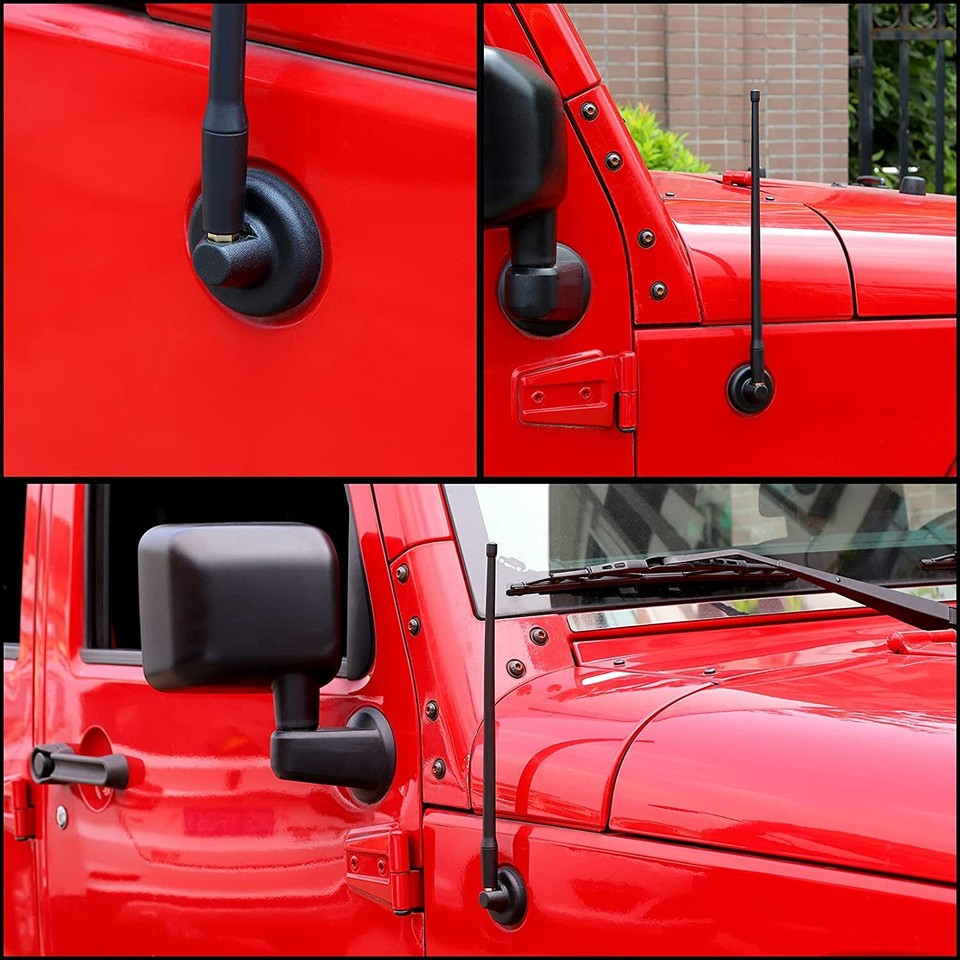
Replacing a broken antenna mast on a Jeep Wrangler is usually a quick driveway repair. On most U.S.-market Wranglers, the factory mast screws into an antenna base mounted near the passenger-side windshield or cowl. You can remove the damaged mast with a small wrench and install a compatible stubby antenna in its place.
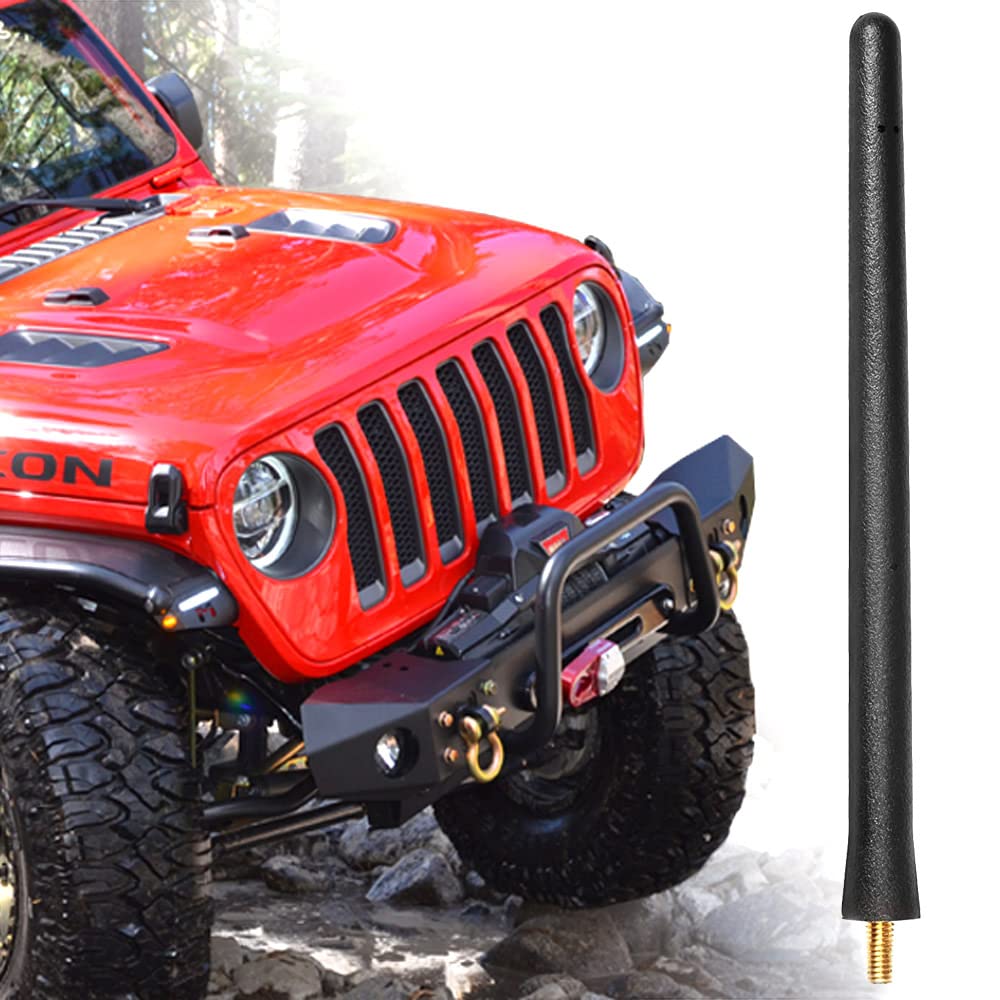
The key is to match the new antenna to your Wrangler’s year and antenna base. Some stubby antennas use a direct-fit thread, while others include adapters. A short antenna may reduce snagging on trail branches and parking garages, but it may also reduce AM and FM reception in weak-signal areas.
This guide covers the common fixed-mast setup found on many Jeep Wrangler models sold in the United States, including the YJ, TJ, JK, and JL. Always check your owner’s manual and the antenna maker’s fit list before forcing any part.

What You Need Before You Start
You need only a few basic tools to replace the mast. Most owners can finish the job in less than 15 minutes if the old mast is not seized.
Tools and supplies
- Replacement stubby antenna made for your Wrangler
- Small open-end wrench or adjustable wrench
- Second wrench, if the antenna base needs support
- Penetrating oil for rusted threads
- Clean cloth
- Small wire brush
- Masking tape
- Silicone grease or anti-seize compound rated for automotive use
- Safety glasses
A replacement antenna may include several threaded adapters. Do not assume that the first adapter in the package is correct. Compare the original mast’s thread with the new antenna before installation.
Check your Wrangler first
Identify these details before ordering:
- Model year and generation: YJ, TJ, JK, or JL.
- Antenna location: Most factory steel masts sit on the passenger-side front cowl or fender area.
- Antenna type: A simple screw-in mast is different from a powered antenna or an aftermarket antenna assembly.
- Radio system: Factory, satellite radio, amplified system, and aftermarket radios may use different antenna parts.
- Thread fit: The replacement must screw into the existing antenna base without cross-threading.
If the antenna base is missing, bent, or loose, replacing only the mast will not solve the problem. You may need a complete antenna base and coaxial cable assembly.

How to Remove the Broken Jeep Wrangler Antenna Mast
Turn the vehicle off before removing the antenna. The radio does not need power for this repair, and turning it off helps prevent confusion while you test the finished installation.
1. Inspect the antenna base
Look closely at the point where the mast meets the base. Remove dirt, mud, and loose rust with a cloth. If the mast is broken flush with the base, inspect the remaining stud or threaded piece.
Do not twist the base itself. The base connects to the radio through a coaxial cable under the cowl or dashboard. Twisting it can loosen the cable or damage the body mount.
2. Protect the paint
place masking tape around the antenna base. This protects the surrounding paint if the wrench slips.
Use a clean wrench that fits the flats on the mast or its retaining nut. Avoid locking pliers unless the mast is already being discarded. Pliers can crush the base or damage the threads.
3. Loosen the old mast
Most screw-in antenna masts loosen counterclockwise when viewed from above. Turn the mast slowly while holding the antenna base steady.
If the threads are rusty, apply a small amount of penetrating oil. Let it work for several minutes, then try again. Use gentle back-and-forth movement rather than one hard pull.
4. Remove any broken thread
If part of the mast remains in the base, use a small gripping tool only on the broken metal. Work carefully so you do not damage the female threads inside the base.
If the broken piece will not move, stop before damaging the base. A replacement antenna base is often less costly than repairing a stripped mount or damaged coax connection.
How to Install the Stubby Antenna
A stubby antenna installs by threading into the same base as the original mast. The correct fit should feel smooth by hand before you use a wrench.
1. Test the thread by hand
Place the correct adapter, if needed, into the antenna base. Turn it clockwise by hand for several turns.
The adapter should start easily and remain straight. If it binds after one or two turns, remove it and check the thread. A forced adapter can cross-thread the antenna base.
2. Apply a light protective coating
Use a very small amount of anti-seize compound or silicone grease on the exposed threads. Keep the material away from the center electrical contact if the antenna design has one.
A light coating can help prevent corrosion between dissimilar metals. Do not fill the antenna base with grease or sealant.
3. Tighten the stubby antenna
Thread the stubby antenna into the base by hand until it is snug. Then use a wrench for a small additional turn if the antenna has wrench flats.
Do not overtighten it. The goal is a firm mechanical connection, not maximum force. Excessive torque can strip the base, damage the adapter, or make future removal difficult.
Many stubby antennas use a jam nut or lock nut. If yours does, hold the antenna in its desired position and tighten the lock nut against the base according to the manufacturer’s instructions.
4. Check the antenna position
The antenna should stand straight and clear the windshield, hood, and nearby body panels. It should not touch painted metal except at the designed mounting point.
A flexible stubby antenna may lean slightly after installation. That is usually normal, but it should not be loose at the base.
5. Test the radio
Turn on the radio and test several AM and FM stations. Compare reception in the same location where the old antenna worked.
Also check for:
- Static on stations that were previously clear
- Loss of weaker stations
- Intermittent reception when the antenna is moved
- A loose antenna base
- New noise that changes with engine speed
A short antenna can work well in strong-signal areas. It cannot receive every distant or weak station as well as a longer mast.
Stubby Antenna Fit by Jeep Wrangler Generation
Antenna fit depends on the exact vehicle and antenna base, not only the Wrangler name. Use this table as a starting point, then confirm the seller’s fit data.
| Wrangler generation | Common production period in the U.S. | Typical antenna setup | What to verify |
|---|---|---|---|
| YJ | 1987–1995 | External fixed mast on many models | Thread size, base condition, and any prior modifications |
| TJ | 1997–2006 | External screw-in mast on many models | Direct-fit thread or included adapter |
| JK | 2007–2018 | External fixed mast near the passenger-side cowl | Model year, antenna base, and radio package |
| JL | 2018–present | External antenna assembly on many models | Exact year, trim, base style, and aftermarket changes |
The year ranges above describe common U.S. Wrangler generations. A vehicle may have a replacement fender, radio, antenna base, or custom wiring, so physical inspection still matters.
Direct-fit versus adapter-based antennas
A direct-fit stubby antenna screws into the factory base without an adapter. It usually has the simplest installation and the fewest parts that can loosen.
An adapter-based antenna uses a small threaded insert to match the factory base. It can work well when the antenna body is compatible, but the adapter must be installed correctly.
Avoid a product listing that says only “fits Jeep Wrangler” without naming the Wrangler generation or model years. A universal antenna may fit physically but still produce poor contact or weak reception.
What to Do If the Stubby Antenna Does Not Work
Most problems come from a wrong adapter, a damaged base, or a loose coaxial connection. Check the simple causes first.
| Symptom | Likely cause | Recommended check |
|---|---|---|
| Antenna will not start threading | Wrong adapter or damaged threads | Remove it and compare the threads; never force it |
| Antenna feels loose | Loose lock nut, wrong adapter, or worn base | Tighten correctly and inspect the base |
| AM reception is poor | Shorter antenna or poor electrical contact | Recheck the thread, base, and radio reception |
| FM reception is weak | Antenna mismatch, damaged cable, or signal conditions | Test known strong stations and inspect the base |
| Radio is completely silent | Disconnected coax, failed base, radio fault, or wiring issue | Check the cable connection and radio fuse |
| Mast turns with the base | Base is not being held or mount is loose | Support the base and inspect its body fastener |
| Reception changes when the antenna moves | Loose connection or damaged antenna | Remove and reinstall; replace a damaged part |
When a shorter antenna reduces reception
A factory mast is longer than most stubby antennas. That length can help the antenna receive broadcast signals, especially in rural parts of the United States, hilly areas, and locations far from FM transmitters.
A stubby antenna may still perform well in cities and suburbs. It may perform worse when:
- You travel in mountains or open country
- You listen to distant AM stations
- The original antenna was already marginal
- The antenna base has corrosion
- The radio uses an antenna amplifier that is not receiving proper contact
If reception is a major concern, keep the original mast. You can reinstall it for long trips and use the stubby antenna for daily driving.
Common Mistakes to Avoid
Forcing the wrong thread
The most serious installation mistake is forcing an adapter into the antenna base. Threads may look similar but still differ in diameter or pitch. Start every part by hand.
Holding the antenna base with excessive force
The base is connected to the vehicle body and radio cable. Excessive twisting can damage the mount or pull on the coaxial cable.
Using too much sealant
Thread sealant can block the metal-to-metal contact that many passive antennas need. Use only the lubricant or locking compound specified by the antenna maker.
Overtightening the antenna
Antenna bases are not designed to take heavy torque. Tighten the part until it is secure, then stop.
Ignoring a loose body mount
If the entire base moves when you touch the antenna, inspect the mounting nut and body panel. A new stubby antenna will not correct a loose or damaged mount.
Assuming poor reception proves the antenna is defective
Reception depends on signal strength, terrain, buildings, weather, the radio, and the vehicle’s antenna system. Test several stations in the same place before deciding that the stubby antenna failed.

Key Takeaways
- Most broken Jeep Wrangler antenna masts can be replaced without removing the radio.
- Confirm the Wrangler generation and antenna thread before buying a stubby antenna.
- Remove the old mast with light, steady force and support the antenna base.
- Start the new antenna by hand to prevent cross-threading.
- Do not overtighten the new mast or twist the coaxial cable.
- A stubby antenna can reduce snagging but may provide less reception than the factory mast.
- Replace the complete antenna base if it is loose, damaged, or corroded.
Frequently Asked Questions
Can I replace only the antenna mast on a Jeep Wrangler?
Yes, if the factory antenna base and coaxial cable are still sound. A screw-in replacement mast or stubby antenna is usually enough when only the visible rod is broken.
Do all Jeep Wrangler stubby antennas fit every year?
No. Wrangler antenna bases and aftermarket radio setups can differ by generation and year. Check the manufacturer’s fit list and confirm the thread before installation.
Will a stubby antenna improve Jeep Wrangler radio reception?
Usually, the main benefit is a shorter profile and less snagging. A stubby antenna may have equal reception in strong-signal areas, but a longer factory mast can perform better for weak AM and FM signals.
Can I drive without an antenna mast?
The Jeep will still run, but the radio may have poor reception. Driving without the mast can also expose the antenna base to dirt and water, depending on its design.
What if the antenna is broken off inside the base?
Try penetrating oil and careful removal with a suitable gripping tool. Stop if the insert will not move. A damaged base may need replacement, and forcing the broken piece can increase the repair.
Should I disconnect the battery for this repair?
Usually, no. For a simple screw-in mast replacement, switch off the vehicle and radio. Disconnect the battery only if you will work on wiring or remove the antenna base, and follow the vehicle’s service instructions.
Conclusion
Replacing a broken antenna mast on a Jeep Wrangler with a stubby antenna is a simple repair when the original base is intact. Remove the old mast carefully, confirm the new thread by hand, tighten the replacement lightly, and test radio reception before finishing.
The best choice depends on your priorities. Choose a stubby antenna for a lower profile and less trail snagging. Keep the factory mast if maximum AM and FM range matters more than size. If the base moves, the threads are damaged, or the coaxial cable is loose, repair that underlying fault instead of installing another mast.


