
Jeep Compass Jerks When Accelerating: Causes And Fixes
 Reading Time: 10 minutes
If your Jeep Compass jerks when accelerating, the cause may be an engine misfire, a fuel or air problem, a transmission shift issue, or traction-control intervention. The symptom alone cannot identify the failed part. Note when the jerk happens, scan for diagnostic trouble codes before clearing them, and stop driving if the Compass shakes severely, loses power, or shows a flashing check-engine light.
On U.S. roads, a sudden lurch while merging or crossing an intersection can be unsettling. The safest first step is to note the model year, engine, drivetrain, speed, and warning lights, since Compass powertrains and diagnostic procedures vary by year and trim. A repair shop can use that information—and the vehicle’s stored codes—to narrow the cause instead of replacing parts by guesswork.
Key takeaways
- A jerk during acceleration can come from the engine, transmission, tires, or traction-control system.
- The timing matters: note the speed, engine temperature, road surface, and whether the Compass was changing gears.
- Scan for codes before disconnecting the battery or clearing warnings. A basic scanner may not read every transmission control module code.
- A flashing check-engine light, severe shaking, overheating, or sudden loss of power calls for a safe stop and prompt help.
- Check your owner’s manual and the NHTSA recall lookup by VIN. A recall or service bulletin applies only to specific vehicles and conditions.
What does the jerking feel like?
The pattern can help separate an engine problem from a shift or traction issue. It does not prove the cause, but it gives a technician a useful starting point.
| When the jerk happens | Possible area to check | What to note |
|---|---|---|
| As the Compass starts moving | Engine, transmission engagement, or a worn mount | Is there a delay, clunk, or rough idle first? |
| During a gear change | Transmission control, fluid condition, or engine output | Does it happen at the same shift or speed? |
| At steady speed under light throttle | Engine misfire, fuel delivery, or air intake | Does the engine stumble or does the vehicle surge? |
| Only on wet, loose, or uneven pavement | Traction-control or stability-control intervention | Does the traction-control light blink? |
| With a clunk when getting on or off the gas | Engine or transmission mount, axle, or driveline | Does the sound come from the front, rear, or center? |
| Along with a flashing check-engine light | Active engine misfire is one possibility | Is the shaking strong or power reduced? |
A traction-control light that flashes briefly on a slippery surface can mean the system is limiting wheel spin. If the Compass jerks on dry pavement or the light stays on, the system or a wheel-speed sensor may need diagnosis.
A vibration tied to road speed can also come from a tire or wheel issue, rather than the engine. If the steering wheel shakes, a tire looks damaged, or the vehicle pulls to one side, stop somewhere safe and inspect the tires from outside the vehicle. Do not drive on a visibly damaged or very low tire.

Common reasons a Jeep Compass jerks during acceleration
several systems can create a similar sensation. A code or inspection is needed to confirm which one is involved.
Engine misfire
A misfire occurs when one or more cylinders do not burn fuel as expected. Worn or faulty spark plugs, ignition coils, wiring, or fuel delivery can contribute. A misfire may feel like a stumble, shake, or loss of power, especially when accelerating.
A flashing check-engine light can signal a misfire that may damage the catalytic converter if you keep driving. Ease off the throttle and pull over safely; arrange service if the light continues flashing or the engine shakes.
Fuel or air supply problem
A clogged or failing fuel injector, a weak fuel pump, restricted fuel flow, or an air leak can make the engine hesitate under load. A dirty or faulty sensor may also affect how the engine controls fuel and air. These problems can feel similar, so replacing a sensor based only on a symptom is not a reliable fix.
If the jerk began just after refueling, tell the shop. That timing can be useful, but it does not by itself prove that the fuel caused the issue.
Transmission shift or control issue
A harsh shift, delayed engagement, or repeated lurch during gear changes can point to a transmission or control-system concern. The Compass has had different powertrains across model years, so the correct checks and fluid specifications depend on the exact vehicle. Do not assume that a procedure or fluid type for one Compass applies to another.
Some transmission faults may not appear on a basic code reader. A shop may need a scan tool that can read the transmission control module and follow the service procedure for that model year.
Worn engine or transmission mount
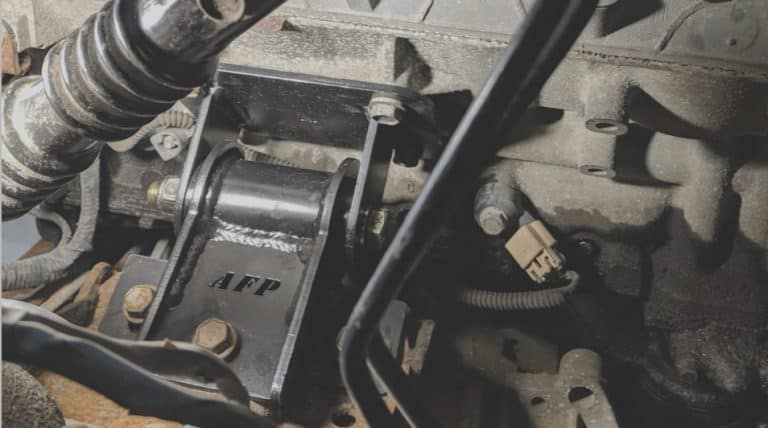
Mounts hold the engine and transmission in place while reducing movement and vibration. A damaged mount may let the powertrain shift more than usual when you accelerate or let off the gas. A clunk or thump may occur with the jerk, but a sound alone cannot confirm a bad mount.
Traction control, tires, or driveline
The traction-control system may reduce engine power or apply a brake when it detects wheel slip. A mismatched tire size, uneven tire wear, or a wheel-speed sensor fault can also affect how the system responds. If the jerk comes with a clunk, vibration, or binding sensation, a technician may also need to inspect the axle and other driveline parts.
What to check first
Use these steps to gather useful information without guessing at repairs. If the vehicle feels unsafe, skip the checks and arrange help.
- Record the conditions. Note the speed, engine temperature, road surface, fuel level, and whether the Compass was shifting gears. Record whether the symptom happens from a stop, during a pass, or at steady speed.
- Check the warning lights. Note whether the check-engine light is steady or flashing and whether the traction-control light appears. Photographing the dash can help you describe what happened.
- Look for obvious tire issues. When parked on level ground, check for a visibly low, damaged, or mismatched tire. Use the tire-pressure value on the driver-side door label, not the maximum pressure printed on the tire sidewall.
- Read the codes before clearing anything. A repair shop or suitable scan tool can retrieve engine codes. Some basic readers do not access all transmission or manufacturer-specific systems. Save the code numbers and any freeze-frame data, which records conditions around the time a fault was stored.
- Check the owner’s manual for your model year. Follow its instructions for warning lights and maintenance. Do not open a hot cooling system or reach near moving engine parts.
- Ask for diagnosis before approving parts. Share the symptom pattern and codes. Ask what test confirmed the proposed repair and whether the shop checked for applicable recalls or service information.
Do not disconnect the battery or erase codes just to turn off a warning light. That can remove information that helps with diagnosis, and it will not fix the underlying fault.
Is it safe to drive a Jeep Compass that jerks?
It depends on how severe the symptom is and what warning lights appear. A mild, brief hesitation with no warning lights may allow a cautious trip to a repair shop, but repeated or worsening jerks should be checked soon. Avoid hard acceleration, highway merging, towing, and long trips until the cause is known.
Pull over when it is safe and arrange a tow if the Compass has any of these signs:
- A flashing check-engine light with shaking or loss of power
- A strong burning smell, smoke, or a visible fluid leak
- An overheating warning or a red oil-pressure warning
- Severe jerking, stalling, or a sudden inability to accelerate
- A tire that is flat, badly damaged, or coming apart
If a red oil-pressure warning appears, shut off the engine once stopped safely. If the engine is overheating, follow the owner’s manual; never remove a hot radiator or coolant-system cap. If the vehicle stops responding as expected in traffic, focus on reaching a safe place rather than continuing to diagnose it on the roadside.
How a repair shop can find the cause
A sound diagnosis starts with the exact symptom, not a list of parts to replace. Tell the technician the model year, engine if known, mileage, recent repairs, and when the jerking began. Share any stored codes and whether the problem changes when the engine is cold or warm.
Depending on the symptoms, diagnosis may include:
- Reading engine, transmission, and stability-control module codes
- Checking misfire data and inspecting ignition or fuel-system parts
- Looking for air leaks or other intake problems
- Road-testing the vehicle to reproduce the jerk under safe conditions
- Inspecting mounts, tires, axles, and driveline parts
- Checking transmission operation and fluid only by the procedure for that vehicle
A code points to a system or condition to investigate; it does not automatically identify a failed part. For example, a misfire code does not prove that a spark plug is the cause. Ask the shop what test supports its diagnosis and whether the proposed repair addresses the root cause.
Recalls, service information, and repair costs
Check recalls using your 17-character VIN at the NHTSA recall lookup. A recall applies to specific vehicles, not every Jeep Compass of a given year. The VIN lookup is the practical way to see whether an open safety recall is listed for your vehicle.
Use the Mopar owner’s manual site to find guidance for the correct model year. A dealer or qualified repair shop can check for applicable manufacturer service information. A technical service bulletin is not the same as a recall, and it does not mean every vehicle has the issue described.
Repair cost depends on the cause, model year, local labor rates, and parts needed. A scan and inspection may find a minor issue—or show that more testing is needed before anyone can quote a repair. Ask for an itemized estimate that separates diagnosis, parts, labor, and any follow-up work. Avoid approving a transmission flush, fluid change, or major part replacement based only on the word “jerking”; the correct service depends on the vehicle and confirmed fault.
Frequently asked questions
Can bad gas make a Jeep Compass jerk when accelerating?
Contaminated or unsuitable fuel can contribute to poor engine running, but a jerk after refueling does not prove the fuel is at fault. Note when the symptom began and ask a shop to check for codes and fuel-related issues before adding cleaners or replacing parts.
Why does my Compass jerk when shifting gears?
A jerk during a shift may involve transmission operation or control, but an engine issue can also feel like a harsh shift. Note the speed and gear change, then have the relevant modules scanned. The right diagnostic steps depend on the model year and powertrain.
Can I keep driving if the check-engine light is on?
A steady light with no change in how the vehicle runs is less urgent than a flashing light, but the code still needs attention. If the light flashes, the engine shakes, or power drops, pull over safely and arrange service. Check your owner’s manual for the warning-light guidance for your Compass.
Will changing the transmission fluid stop the jerking?
Not necessarily. The cause may be unrelated to the transmission, and the correct fluid and service procedure vary by vehicle. Have the issue diagnosed first; do not use a generic fluid or service recommendation without confirming it applies to your model year.
Can I reset the check-engine light to see if the problem goes away?
You can erase a warning without repairing the fault, but doing so may remove useful diagnostic information. Save the codes first and have the cause checked. If the light returns, that still does not identify which part needs replacement.
Conclusion
A Jeep Compass that jerks under acceleration needs diagnosis based on when the symptom happens, what warning lights appear, and which powertrain the vehicle has. Record the conditions, preserve any codes, and check for urgent warning signs before driving farther. If the jerk is severe, the check-engine light flashes, or the Compass loses power, stop safely and arrange professional help.


