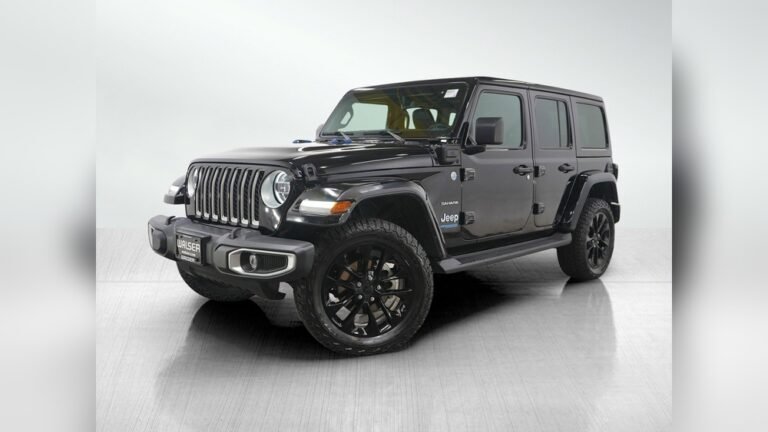
Jeep No Doors No Roof: The Ultimate Open-Air Adventure Guide
 Reading Time: 8 minutes
 Jeep No Doors No Roof: The Ultimate Open-air Adventure
Imagine driving down a quiet country road with the wind in your hair and the sun on your face. There are no doors to block your view, and no roof to hide the sky. That’s the magic of a Jeep with no doors and no roof. For many, this is not just a style—it’s a lifestyle and a symbol of freedom.
This way of driving isn’t just about looks. It brings a unique feeling, connects you to nature, and changes the way you experience the road. But it also comes with special considerations, safety tips, and even legal rules. If you’re a beginner, this guide will help you understand what makes the “doors-off, roof-off” Jeep experience so popular and how to enjoy it safely.
Why Drive A Jeep With No Doors And No Roof?
People choose to remove their Jeep’s doors and roof for several reasons:
- Closer Connection to Nature: You can see, hear, and smell everything around you.
- Better Visibility: Off-roading is easier when you can clearly see obstacles.
- Unique Style: The look is bold and different—your Jeep stands out.
- Fun Factor: Every drive feels like an adventure, even if you’re just going to the store.
Many Jeep owners say that the first drive without doors or a roof feels unforgettable. You experience the world in a totally new way.
Is It Legal To Drive A Jeep With No Doors And No Roof?
The answer is: It depends on where you live. In most US states, it is legal to drive a Jeep with no doors and no roof. However, there are important rules you must follow:
- Mirrors: Federal law requires vehicles to have at least one rearview mirror. Many states require two or even three. Jeep doors usually hold the side mirrors, so you’ll need to add aftermarket mirrors.
- Seatbelts: All seatbelts must be in place and used.
- Weather: You are responsible for keeping yourself and your passengers safe from rain, sun, and road debris.
Some cities and countries have stricter laws. Always check your local rules before removing your doors or roof.
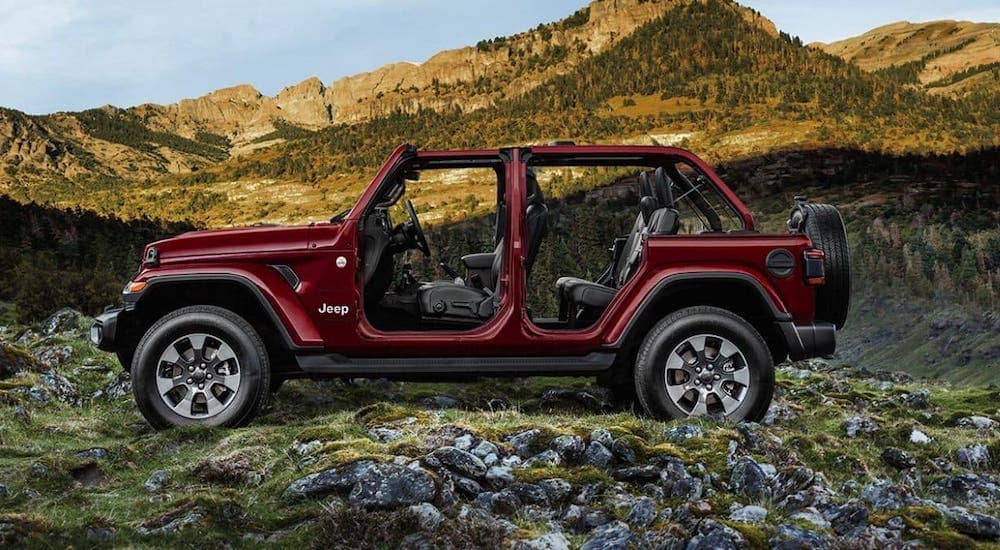
Credit: www.ocauto.com
How To Remove Jeep Doors And Roof: Step-by-step
Taking the doors and roof off a Jeep is not hard, but it does require some care. Here’s how to do it safely:
- Check Your Manual: Every Jeep model is a bit different. Read your owner’s manual first.
- Gather Tools: Most Jeeps include special tools in the glove box.
- Disconnect Wiring: Power windows and locks have wires. Unclip them gently.
- Remove Door Bolts: Use the tool to loosen and remove the bolts at each hinge.
- Lift Doors Off: Open the door, grab the handles, and lift straight up.
- Store Safely: Place doors on soft towels to avoid scratches.
- Remove Roof Panels: Hardtops come off in sections; soft tops fold back or unzip.
Tip: Always store bolts and wiring safely. Label parts if you’re a beginner so you can put everything back later.
Common Mistakes Beginners Make
- Forgetting the Mirrors: Don’t drive without side mirrors. Add aftermarket ones before you leave.
- Damaging Wires: Pull gently—wires can break easily.
- Losing Small Parts: Use a bag or box to keep bolts together.
Jeep Models: Which Are Best For Doors-off, Roof-off Driving?
Not all Jeeps are created equal when it comes to open-air driving. Here is a simple comparison of the most popular models:
| Model | Doors Removable? | Roof Removable? | Ease for Beginners |
|---|---|---|---|
| Wrangler | Yes | Yes (soft/hardtop) | Very Easy |
| Gladiator | Yes | Yes | Easy |
| Grand Cherokee | No | No | N/A |
| Renegade | No | No | N/A |
Wrangler and Gladiator models are designed for easy door and roof removal. Other Jeeps, like the Grand Cherokee or Renegade, do not allow this modification.

Credit: www.youtube.com
Safety Tips For Driving With No Doors And No Roof
Driving a Jeep this way is fun, but you need to stay safe. Here are some key tips:
- Always Wear Seatbelts: This is more important than ever.
- Use Aftermarket Mirrors: Keep full visibility.
- Protect Yourself From the Sun: Use sunscreen, hats, and sunglasses.
- Secure Loose Items: Things can fly out easily.
- Watch for Weather: Carry a rain cover or emergency poncho.
Real Data: Accidents And Safety
According to the National Highway Traffic Safety Administration, open vehicles like Jeeps have a slightly higher risk of injury when involved in a rollover, especially without doors and roof. Most Jeep rollovers happen off-road or at high speed. Always drive carefully and avoid risky behavior.
What Accessories Make Doors-off, Roof-off Driving Better?
You can make your Jeep even more comfortable and practical with the right accessories:
- Tube Doors: Offer some protection while keeping the open feel.
- Mesh Sunshade: Blocks UV rays but keeps the wind.
- Lockable Storage: Secures your valuables.
- All-Weather Floor Mats: Protect the Jeep’s interior from mud and water.
- Grab Handles: Help passengers get in and out safely.
Here’s a look at popular accessory options and their average prices:
| Accessory | Purpose | Average Price (USD) |
|---|---|---|
| Tube Doors | Safety, style | $300–$800 |
| Mesh Sunshade | UV protection | $50–$120 |
| Lockable Storage | Security | $100–$250 |
| All-Weather Mats | Interior protection | $80–$150 |
| Grab Handles | Passenger aid | $20–$50 |
Tip: Start with simple accessories. You can always add more as you learn what you like.
Weather Concerns: Can You Drive All Year?
You can drive your Jeep with no doors and no roof most of the year, but some weather makes it less enjoyable:
- Rain: Surfaces get slippery and the inside gets wet. Keep a towel or cover handy.
- Cold: Dress warmly, use heated seats if available.
- Heat: Sunburn and dehydration can be a problem.
Real Example: Many Jeep owners in southern states drive doors-off nearly all year. In colder areas, people usually only do this from late spring to early fall.
If you live in a climate with sudden storms, always check the weather before you leave home.
Insurance And Warranty: What Beginners Need To Know
Removing your Jeep’s doors and roof can affect your insurance and warranty. Here’s what most people miss:
- Insurance Claims: Damage to the interior may not be covered if you left the Jeep open in the rain.
- Warranty: Removing parts the wrong way can void your warranty. Always follow the manual.
- Aftermarket Parts: Not all add-ons are approved by Jeep. Check before you buy.
If in doubt, call your insurance company and ask. It’s better to know the rules than to have a claim denied.
Pros And Cons: Is It Right For You?
Every change has upsides and downsides. Here’s a quick summary:
| Pros | Cons |
|---|---|
|
|
Non-obvious insight: Many beginners forget that city driving with no doors can make you more visible to police—and you may get stopped more often for safety checks.
Real-world Example: First Time Going Doors-off
Let’s look at a real owner’s experience. Jamie, from Colorado, bought a Jeep Wrangler and decided to remove the doors and roof for a weekend trip.
- She spent about 30 minutes removing the parts, using the Jeep’s included tool kit.
- She forgot to install aftermarket mirrors and got a warning from local police.
- On the road, she enjoyed the mountain air and easy views, but her belongings slid around. She learned to secure items next time.
- After a surprise rain shower, she used towels to dry the seats.
Jamie’s advice: “Take time to prepare. The first drive is amazing, but don’t skip safety steps.”
Jeep No Doors No Roof: Myths Vs. Facts
Many new Jeep owners believe some common myths. Here’s the truth:
- Myth: It’s illegal everywhere.
- Fact: It’s legal in most states, with mirrors added.
- Myth: You’ll always get wet.
- Fact: Most people watch the weather or use covers.
- Myth: It damages your Jeep.
- Fact: If done correctly, no permanent damage.
Non-obvious insight: Some beginners think removing doors/roof is permanent. In reality, you can put everything back in under an hour.
Environmental Impact: Is Open-air Driving Eco-friendly?
Many people wonder if driving with no doors and roof affects the environment:
- Fuel Efficiency: Removing doors and roof can lower your Jeep’s weight, but it also increases wind resistance. Most drivers see little change in miles per gallon.
- Noise Pollution: Open Jeeps are louder, which can disturb wildlife in quiet areas.
- Litter: Items can blow out easily. Secure all trash and gear.
Respect nature—leave no trace when you explore off-road.
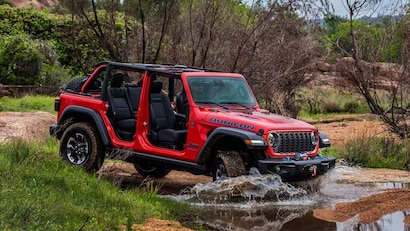
Credit: www.autonationchryslerjeepwest.com
Jeep Community: Events And Meetups
Jeep owners love to share their experiences. Across the country, there are events just for doors-off, roof-off fans:
- Jeep Jamboree: Organized trail rides and social events.
- Meetups: Local groups often plan drives during good weather.
- Online Forums: Places like the Jeep section on JeepForum are great for advice and finding friends.
Joining the Jeep community helps you learn, find safe places to drive, and get help if you have questions.
Frequently Asked Questions
Is It Safe To Drive A Jeep With No Doors And No Roof?
Yes, but you must use seatbelts and mirrors. Be extra careful about weather and secure all your belongings.
Do I Need Special Insurance For A Jeep With No Doors Or Roof?
Most standard policies are enough, but check with your provider to make sure interior damage and aftermarket parts are covered.
What Is The Best Jeep Model For Doors-off, Roof-off Driving?
The Jeep Wrangler is the most popular and easiest model for this type of driving. The Gladiator is also a good choice.
Will Removing Doors And Roof Affect My Jeep’s Warranty?
Not if you follow the owner’s manual instructions. If you break parts or use unapproved accessories, it could void the warranty.
How Fast Can I Drive With No Doors And No Roof?
You can drive at normal speeds, but wind and noise increase with speed. Most owners prefer slower speeds for comfort.
Driving a Jeep with no doors and no roof is a unique experience—one that brings you closer to the outdoors and turns every trip into an adventure. With the right preparation, you can enjoy the freedom while staying safe and legal. Always check your local rules, use your seatbelt, and remember: the real fun is in the journey, not just the destination.