
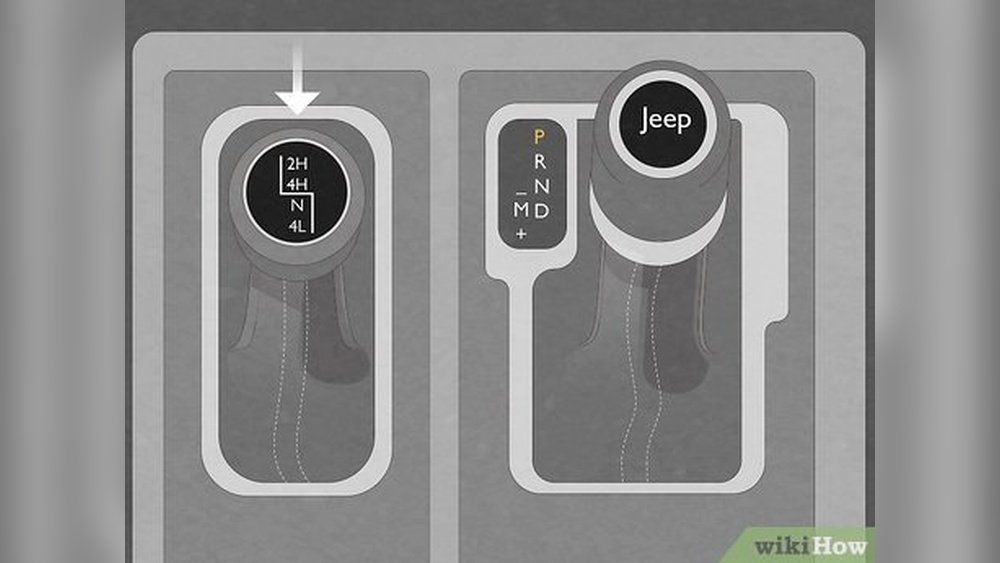
Jeep 4 Wheel Drive How to Use: Master Off-Roading Like a Pro
 Reading Time: 8 minutes
 Jeep 4 Wheel Drive How To Use
Driving a Jeep is exciting, but using its 4 wheel drive can be confusing for beginners. Many people buy Jeeps for their off-road power, but they don’t always know how to use the 4WD system correctly. If you’ve ever wondered when to switch from 2WD to 4WD, what the different settings mean, or how to avoid damaging your vehicle, you’re not alone. This guide explains everything simply, with practical examples, data, and tables, so you can confidently drive your Jeep in any condition.
Understanding Jeep 4 Wheel Drive Systems
Jeeps have different 4WD systems depending on the model. The most common are:
- Part-time 4WD: Only use 4WD when needed (off-road, slippery roads).
- Full-time 4WD: 4WD is always on, suitable for all road conditions.
- Automatic 4WD: The system switches between 2WD and 4WD as needed.
Knowing your Jeep’s system is important. Check your owner’s manual or look for a label near the gear selector.
Jeep 4wd Modes Explained
There are four main 4WD modes in most Jeep vehicles:
- 2H (2 High)
- 4H (4 High)
- 4L (4 Low)
- Auto
Each mode has a specific purpose. Let’s look at each one in detail.
2h (2 High): Everyday Driving
2H means only the rear wheels are powered. This is best for normal roads and dry conditions.
- Use 2H for daily driving.
- Better fuel efficiency.
- Less wear on drivetrain.
Example: If you’re driving to work on a sunny day, keep your Jeep in 2H. It saves gas and protects your 4WD system.
When To Use 2h
- Dry pavement
- Highway driving
- City streets
Switching to 4WD when you don’t need it can cause extra wear and reduce gas mileage. Always start in 2H unless conditions change.
4h (4 High): Slippery Roads & Light Off-road
4H provides power to all four wheels. It’s for situations where you need more traction, like rain, snow, or gravel.
- Use 4H for slippery surfaces.
- Can be used at normal speeds (up to 55 mph).
- Good for dirt roads and mild off-roading.
Example: If you’re driving in heavy rain, switch to 4H for safer handling. If you start to slip on snow, 4H helps the Jeep stay stable.
How To Engage 4h
- Slow down to below 55 mph.
- Shift from 2H to 4H (usually possible while moving).
- Listen for a click or watch for a dashboard light.
Common mistake: Some beginners switch to 4H on dry pavement. This can cause the tires to bind and damage the system.
Data: 2h Vs 4h Fuel Efficiency
Here’s a simple comparison:
| Mode | Average MPG | Recommended Surface |
|---|---|---|
| 2H | 18-22 | Dry pavement |
| 4H | 14-18 | Snow, mud, gravel |
Switching to 4H lowers gas mileage but boosts safety in tough conditions.
4l (4 Low): Extreme Off-road & Tough Terrain
4L is for very rough ground, steep hills, deep mud, or sand. It gives maximum torque at low speeds.
- Use 4L for crawling over rocks, deep snow, or sand dunes.
- Do not use 4L on normal roads.
- Speed should be under 25 mph.
Example: If you’re off-roading in the mountains, climbing rocky paths, use 4L. It helps the Jeep move slowly but with strong power.
How To Engage 4l
- Stop the Jeep completely.
- Put the transmission in neutral.
- Shift from 4H to 4L.
- Wait for the dashboard light.
Practical tip: If you try to shift into 4L while moving, you risk damaging the gears.
Data: 4h Vs 4l Performance
| Mode | Max Speed (mph) | Torque Output |
|---|---|---|
| 4H | 55 | Normal |
| 4L | 25 | High |
4L gives you more power but limits speed. Use it only for the hardest conditions.
Auto Mode: Smart Traction Control
Some newer Jeeps have an Auto mode. The Jeep decides when to send power to all four wheels.
- Use Auto for changing conditions.
- Good for mixed driving (dry, wet, light snow).
- No manual switching needed.
Example: If you drive from dry pavement onto a wet surface, Auto will adjust. You don’t need to think about switching modes.
When To Use Auto Mode
- Roads with patches of ice and dry spots.
- Areas with sudden weather changes.
Non-obvious insight: Auto mode is great for beginners. You avoid mistakes and let the Jeep do the work.
Data: Manual Vs Auto 4wd Engagement
| Type | Driver Control | Risk of Wrong Mode |
|---|---|---|
| Manual (2H, 4H, 4L) | High | Medium |
| Auto | Low | Low |
Auto mode reduces mistakes, especially for new Jeep owners.
Practical Steps For Using Jeep 4 Wheel Drive
Switching between modes is simple if you follow the right steps. Here’s a beginner-friendly process:
- Check conditions: Dry road? Stay in 2H. Slippery or off-road? Move to 4H or 4L.
- Slow down: Before switching, reduce speed (especially for 4H, and always stop for 4L).
- Follow instructions: Each Jeep model has slightly different switches (lever, knob, buttons).
- Watch the dashboard: Look for lights showing the mode is active.
- Avoid sharp turns: In 4WD, turning sharply on dry pavement can cause tire binding.
Example: You’re driving on a paved road and suddenly hit a patch of mud. Slow down, shift into 4H, and continue carefully.
Common mistake: Shifting to 4WD at high speed or on dry roads. This causes unnecessary stress on the Jeep’s drivetrain.

Credit: www.youtube.com
When Not To Use Jeep 4 Wheel Drive
Knowing when to avoid 4WD is just as important. Here are times you should stay in 2H:
- Dry, level roads
- Highway speeds
- Everyday city driving
Using 4WD in these situations can:
- Reduce fuel efficiency
- Cause tire wear
- Damage the transfer case
Practical tip: Always return to 2H when conditions improve. Many beginners forget and leave their Jeep in 4H, wasting gas.
Real-world Examples
Let’s look at some situations and which mode you should use:
- Driving to the beach: Use 4H on sand, switch back to 2H when you reach pavement.
- Mountain trail: Use 4L for steep climbs and rocky terrain.
- Rainy highway: Use 4H if you start to slip, otherwise stay in 2H.
Data point: According to Jeep’s official site, using 4L should be limited to speeds under 25 mph and only for severe conditions (Jeep Official Site).
Tips For Beginners
New Jeep owners often make simple mistakes. Here are some tips:
- Read your manual: Every Jeep model is different.
- Practice switching modes: Try in a safe area before real situations.
- Check tire pressure: 4WD works best with properly inflated tires.
- Service your Jeep: Regular maintenance keeps the 4WD system healthy.
Non-obvious insight: After using 4L, always switch back to 4H or 2H before returning to normal roads. Staying in 4L damages the system.
Jeep 4 Wheel Drive Vs Other Suvs
How Does Jeep’s 4wd Compare To Other Brands?
| Brand | 4WD Modes | Off-Road Ability |
|---|---|---|
| Jeep | 2H, 4H, 4L, Auto | Excellent |
| Toyota | 2H, 4H, 4L | Very Good |
| Ford | 2H, 4H, Auto | Good |
Jeep’s 4L mode is especially strong for tough terrain. Many SUVs lack this level of control.
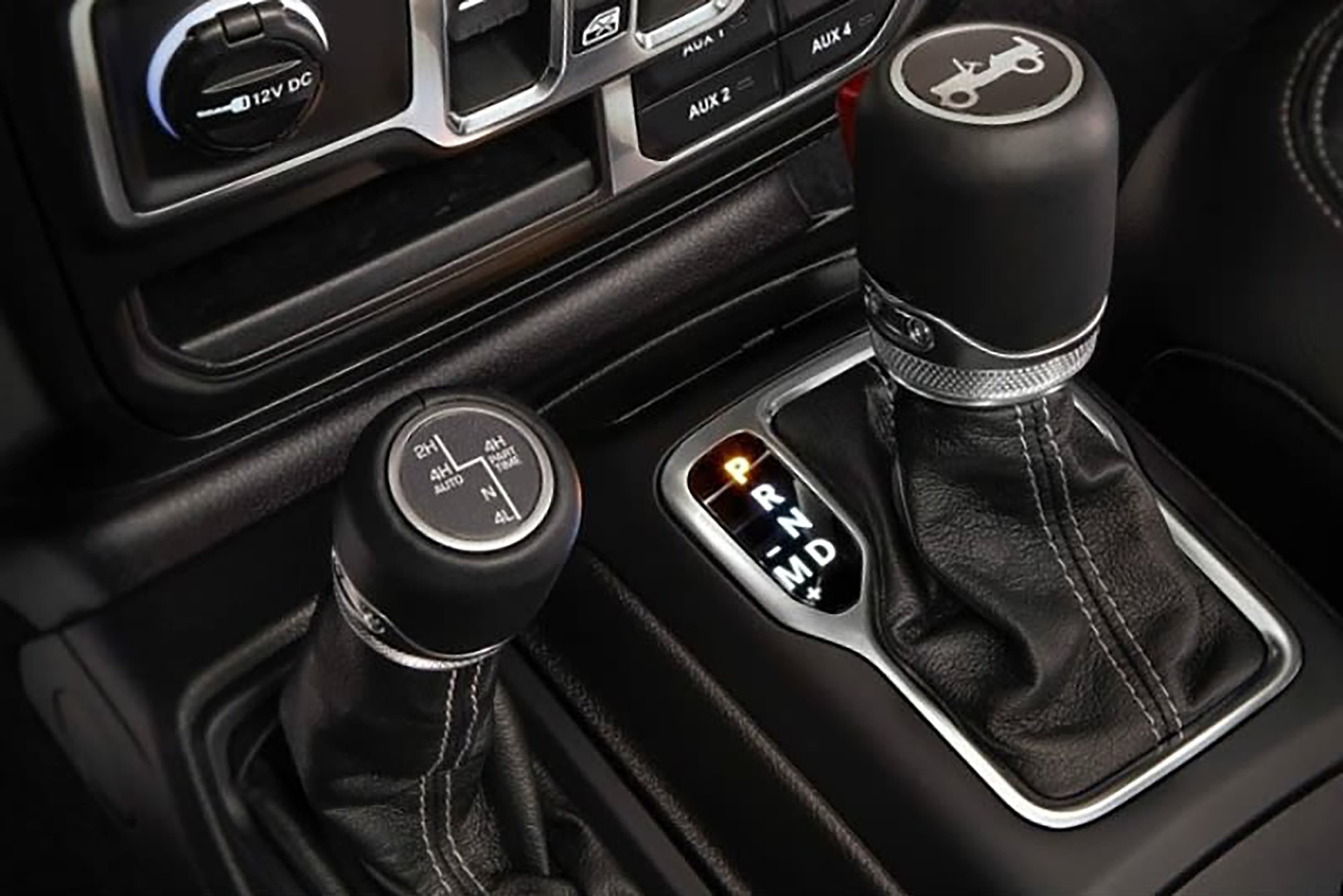
Credit: www.quadratec.com
Maintaining Your 4wd System
Proper care is vital for reliable performance.
- Check fluids: Transfer case and differential oils.
- Listen for noises: Clicking or grinding means trouble.
- Inspect after off-roading: Mud and debris can cause problems.
Example: After a day on muddy trails, wash under your Jeep and check for leaks.
Practical tip: Schedule a 4WD system inspection every 12,000 miles.
Frequently Asked Questions
What Happens If I Use 4wd On Dry Pavement?
Using 4WD on dry roads can cause tire binding and damage the transfer case. Always use 2H unless you need extra traction.
How Fast Can I Drive In 4h And 4l?
You can drive up to 55 mph in 4H. In 4L, keep speeds under 25 mph. Going faster in 4L can harm your Jeep.
Can I Switch To 4h While Moving?
Yes, you can shift to 4H while driving under 55 mph. For 4L, you must stop and put the transmission in neutral.
Is Auto Mode Safe For Beginners?
Auto mode is safe and easy. It reduces mistakes by switching automatically based on road conditions.
How Often Should I Service My Jeep’s 4wd?
Service your 4WD system every 12,000 miles or after heavy off-roading. Check fluids and look for leaks or noises.
Driving a Jeep gives you adventure and freedom. Learning how to use its 4 wheel drive system makes your journeys safe and fun. With practice and care, you’ll handle any road or trail with confidence. Always remember to use the right mode for the right conditions, and your Jeep will deliver great performance for years to come.

Credit: www.freedomautosonline.com


