What Causes Death Wobble Jeep: Expert Solutions and Prevention
 Reading Time: 9 minutes
 What Causes Death Wobble Jeep
If you drive a Jeep, especially a Wrangler or Cherokee, you may have heard of something called death wobble. This is not just a scary name—it’s a real problem that can make your whole Jeep shake violently, especially after hitting a bump at highway speeds. Many Jeep owners worry about this issue, and for good reason. The sudden shaking can make you lose control, and it’s both dangerous and stressful.
But what actually causes death wobble in a Jeep? Is it just bad luck, or are there clear reasons behind it? Understanding the causes can help you stay safe and take the right steps to fix or prevent death wobble.
In this article, we’ll break down the main causes, explain why they happen, and offer practical tips to help you keep your Jeep steady.
What Is Death Wobble?
Death wobble is a strong, sudden shaking of your Jeep’s front end. It often happens after hitting a bump, pothole, or rough road at speeds above 45 mph. The steering wheel shakes back and forth quickly, and you may feel like the Jeep is out of control.
Some key signs of death wobble:
- Violent left-to-right steering wheel movement
- The whole Jeep shakes, not just the wheel
- Shaking doesn’t stop until you slow down a lot or pull over
Death wobble is different from simple vibration. It’s much stronger and can make even experienced drivers nervous.
The Main Causes Of Death Wobble In A Jeep
Death wobble doesn’t happen for just one reason. Usually, it’s a mix of problems in your Jeep’s steering and suspension systems. Let’s look at the most common causes.
1. Worn Or Loose Track Bar
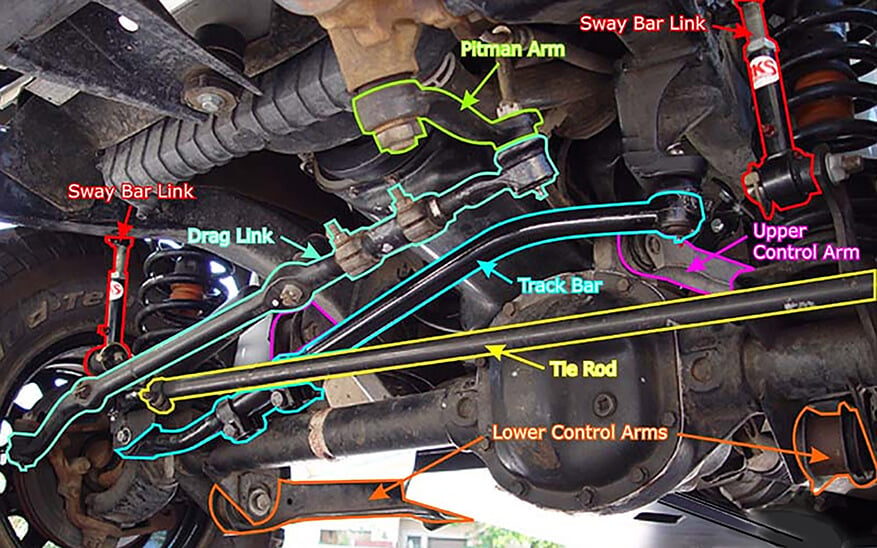
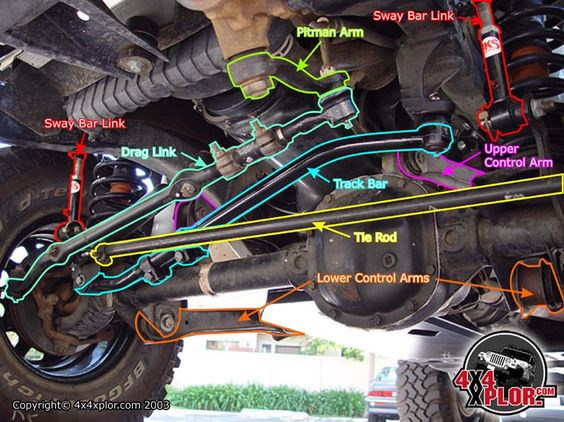
The track bar (sometimes called a panhard bar) keeps your Jeep’s axle centered under the vehicle. If the bushings or bolts are worn, loose, or damaged, the axle can move side to side.
Common symptoms of a bad track bar:
- Clunking sound when turning or going over bumps
- Visible movement at the track bar ends if someone turns the steering wheel while you watch
A loose track bar is the number one cause of death wobble in Jeeps. Even a small amount of play can create big problems.
2. Bad Tie Rod Ends
Tie rod ends connect your steering system to the wheels. When these parts wear out, they create slack in the steering.
Look for:
- Loose or shaking steering wheel
- Uneven tire wear
If you jack up your Jeep and shake the wheel side to side, a loose tie rod end will let the wheel move without moving the steering linkage.
3. Faulty Ball Joints
Ball joints allow your front wheels to move up and down while turning. Over time, they wear out and create play in the suspension.
Signs of bad ball joints:
- Clunking or knocking noise from the front end
- Wandering steering
- Tire wear on the inside or outside edge
Jeep models with solid front axles are especially sensitive to ball joint wear.
4. Loose Or Worn Steering Stabilizer
A steering stabilizer (like a shock absorber for your steering) helps reduce vibrations. It does not cause death wobble by itself, but a weak or leaking stabilizer can make the wobble worse or harder to control.
If your stabilizer is leaking oil or moves too easily by hand, it may need replacement.
5. Worn Bushings
Bushings are rubber or polyurethane parts that absorb shock and keep metal parts from rubbing. Bushings in the control arms, track bar, and sway bar can wear out.
Worn bushings cause:
- Extra movement in suspension parts
- Clunks or squeaks while driving
Even small cracks or splits in bushings can lead to death wobble over time.
6. Out-of-balance Or Damaged Tires
Tires that are not balanced or are damaged can create vibrations. While this alone doesn’t always cause death wobble, it can make the problem worse, especially if other parts are worn.
Watch for:
- Vibration at certain speeds
- Cupping or uneven tread wear
Always check for bent wheels, missing wheel weights, or old, unevenly worn tires.
7. Bent Or Damaged Axle Components
Hitting a curb, rock, or pothole can bend the axle, tie rods, or control arms. Even a small bend can affect alignment and lead to death wobble.
Signs of damage:
- Jeep pulls to one side
- Uneven tire wear
- Visible bends or dents in metal parts
It’s important to inspect after any hard hit or off-road trip.
8. Incorrect Wheel Alignment
Proper alignment keeps your Jeep driving straight and your tires wearing evenly. If the front wheels are not aligned, it can add stress to the steering and suspension parts.
Symptoms of bad alignment:
- Jeep drifts left or right
- Steering wheel is off-center
- Uneven tire wear
After lifting your Jeep or changing parts, always get a professional alignment.
9. Suspension Lifts And Aftermarket Parts
Many Jeep owners lift their vehicles for off-road use. While lifts improve ground clearance, they can change the angles of steering and suspension parts. If not installed correctly, or if the wrong parts are used, they can cause death wobble.
Common mistakes include:
- Not using an adjustable track bar after lifting
- Installing cheap or low-quality lift kits
- Forgetting to check torque on all bolts after installation
Always follow the manufacturer’s instructions and double-check all connections after modifying your Jeep.
Data: Most Common Causes By Frequency
To show how often each cause leads to death wobble, here’s a comparison based on Jeep owner surveys:
| Cause | Reported Frequency (%) |
|---|---|
| Loose Track Bar | 55 |
| Worn Tie Rod Ends | 20 |
| Bad Ball Joints | 10 |
| Steering Stabilizer | 8 |
| Tires/Alignment | 7 |
As you can see, the track bar is the most common issue, but other parts also play a big role.
How To Diagnose Death Wobble
Finding the exact cause is important. Here’s a simple process to check your Jeep at home:
- Check the Track Bar
- Have a friend turn the steering wheel back and forth (engine off).
- Watch the track bar ends for movement. Any play means it’s bad.
- Inspect Tie Rod Ends and Ball Joints
- Jack up the front axle.
- Grab the tire at 3 and 9 o’clock, shake side to side.
- Move at 12 and 6 o’clock to check ball joints.
- Any loose movement means worn parts.
- Look for Worn Bushings
- Use a flashlight to inspect rubber bushings.
- Look for cracks, splits, or missing pieces.
- Check Tires and Alignment
- Look for uneven wear patterns or missing weights.
- Spin the tire and check for wobbles.
- Test the Steering Stabilizer
- Remove one end and push/pull by hand.
- Should be firm and smooth, no leaks.
If you’re not sure, a trusted Jeep mechanic can do a full inspection.

Credit: www.cjponyparts.com
Real Example: Death Wobble In A 2012 Jeep Wrangler
A Jeep owner reported strong shaking at 55 mph after hitting a small bump. The problem started after installing a 2.5-inch lift kit. Inspection showed:
- The track bar bolts were loose
- The tie rod ends were worn
- The tires were slightly out of balance
After tightening the track bar, replacing the tie rod ends, and balancing the tires, the death wobble was completely gone. This example shows how multiple small problems can combine to create a big issue.
How To Prevent Death Wobble
You can avoid death wobble by keeping your Jeep’s suspension and steering in good shape. Here are some easy steps:
- Check and tighten all bolts on the track bar and control arms every oil change
- Replace worn tie rod ends and ball joints as soon as you notice play
- Rotate and balance your tires every 5,000 miles
- Inspect bushings for cracks or wear regularly
- After lifting your Jeep, always get a professional alignment and use quality parts
Tip: Many Jeep owners forget to re-torque suspension bolts after off-roading or installing new parts. Loose bolts can quickly lead to death wobble.
Credit: doubleblackoffroad.com
Common Mistakes When Fixing Death Wobble
Many people try to fix death wobble by only changing the steering stabilizer. This rarely works, because the stabilizer hides the problem but does not solve it. Always fix worn or loose parts first.
Other mistakes include:
- Using cheap replacement parts that wear out quickly
- Not checking every part in the steering and suspension system
- Ignoring tire and alignment issues after replacing parts
Non-obvious insight: Even new Jeeps can develop death wobble if bolts are not torqued correctly at the factory or during service. Always check torque specs, even on newer vehicles.
Comparison: Stock Vs. Lifted Jeeps And Death Wobble Risk
Do lifted Jeeps really have more death wobble? Here’s a quick look:
| Jeep Type | Death Wobble Risk | Common Issues |
|---|---|---|
| Stock (No Lift) | Low | Worn Track Bar, Tie Rod Ends |
| Lifted (2″+) | Medium-High | Track Bar Angles, Loose Bolts, Poor Alignment |
Lifted Jeeps are more likely to have death wobble if the right parts and alignment are not used.
Cost To Fix Death Wobble
Repair costs can vary. Here’s a general guide:
| Repair | Estimated Cost (USD) |
|---|---|
| Track Bar Replacement | $100 – $300 |
| Tie Rod Ends | $80 – $200 |
| Ball Joints | $200 – $500 |
| Steering Stabilizer | $50 – $120 |
| Alignment | $80 – $120 |
Fixing death wobble often means replacing more than one part. Always check everything before spending money.
When To See A Professional
If you can’t find the cause, or if your Jeep keeps wobbling after repairs, see a professional mechanic. Death wobble is dangerous and should not be ignored. Choose a shop with Jeep experience for the best results.
Credit: www.offroadelements.com
Frequently Asked Questions
What Should I Do If My Jeep Starts To Death Wobble While Driving?
Stay calm, keep both hands on the wheel, and slow down gently. Do not slam on the brakes. Pull over safely and inspect your Jeep before driving again.
Does Death Wobble Only Happen To Jeeps?
Death wobble is most common in Jeep Wranglers and Cherokees with solid front axles, but it can also happen in other solid-axle vehicles like certain trucks.
Will A Steering Stabilizer Fix Death Wobble?
A steering stabilizer can reduce the shaking, but it does not solve the real problem. Always fix loose or worn parts first.
Is Death Wobble Covered By Warranty?
Sometimes, but not always. It depends on your Jeep’s age, mileage, and what caused the problem. Check with your dealer or read about death wobble recalls on the Wikipedia page.
Can I Drive My Jeep With Death Wobble?
It is not safe to drive with death wobble. If it happens, stop and fix the cause before driving again.
Death wobble is scary, but with the right knowledge and maintenance, you can keep your Jeep safe and steady on the road. Don’t ignore small problems—fix them early to avoid bigger risks.