Jeep Wrangler Without Spare Tire: What You Need to Know
 Reading Time: 7 minutes
 Many Jeep Wrangler owners are starting to ask: “Can you drive without a spare tire?” This question is more common today, as new Wranglers sometimes come without the classic rear-mounted spare. Some drivers want a cleaner look, less weight, or simply don’t use their spare often. But what are the risks and benefits? Can you safely own a Jeep Wrangler without a spare tire? Here’s everything you need to know—explained simply and clearly.
Why Some Jeep Wranglers Don’t Have A Spare Tire
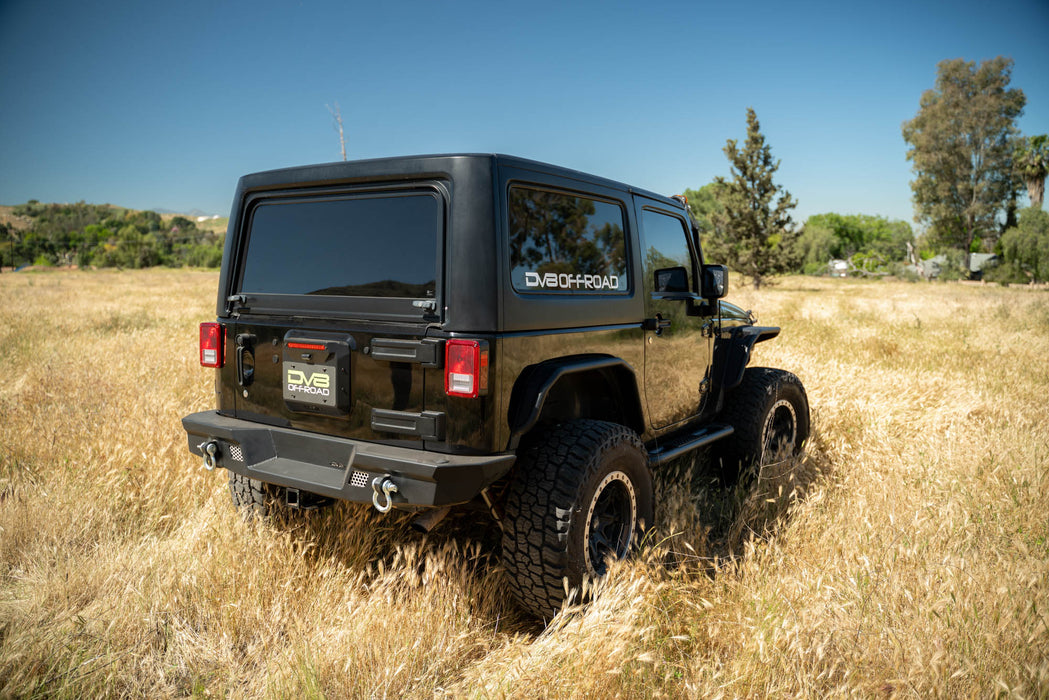
Traditionally, the spare tire was always mounted on the back of the Wrangler. It’s a classic look. But more new models and custom builds leave it off. Here’s why:
- Style: Many drivers prefer a smooth, modern look. The spare tire can block rear visibility and make the Jeep look bulky.
- Weight: Removing the spare reduces overall weight by 40–60 pounds. This can slightly improve fuel economy and handling.
- Aftermarket bumpers: Some custom bumpers don’t have space for a spare tire.
- Usage: Many owners rarely drive off-road or on rough terrain, so they feel a spare is unnecessary.
Non-obvious insight: Some city drivers never use their spare and find keeping it clean and aired-up is more trouble than it’s worth. But this choice comes with trade-offs.
Is It Legal To Drive Without A Spare Tire?
Most states in the US don’t require a spare tire by law. Your Jeep can pass inspection without one. But there are exceptions:
- Rental rules: Rental companies usually require a spare.
- International travel: Some countries (like Australia) require a spare for off-road permits.
In the US, you’re generally safe. But if you travel abroad or rent your Jeep, check local rules.
Risks Of Driving Without A Spare Tire
The biggest risk is obvious: flat tires happen. If you don’t have a spare, you’re stuck. Here are practical issues to consider:
- Tire punctures: About 7% of US drivers report a flat tire each year (National Highway Traffic Safety Administration).
- Remote areas: If you drive on trails or rural roads, help may take hours to arrive.
- Weather: Being stranded in bad weather can be dangerous.
Example: You’re on a road trip, far from a tire shop. A nail punctures your tire. With no spare, you wait for roadside assistance—sometimes for hours.
Alternatives To A Spare Tire
If you remove your Wrangler’s spare, you’ll need a backup plan. Here are common options:
- Tire Repair Kit
- Includes sealant and a small compressor.
- Works for minor punctures but not for sidewall damage.
- Run-Flat Tires
- Can drive 50–70 miles after a puncture.
- More expensive than standard tires.
- Roadside Assistance
- Reliable in cities, less so in remote areas.
- Response time can vary from 20 minutes to several hours.
- Portable Patch Kits
- Used for off-road emergencies.
- Requires basic tools and know-how.
Data insight: According to AAA, 20% of new vehicles no longer come with a spare tire, relying instead on repair kits.
| Alternative | Usability | Cost | Suitable For |
|---|---|---|---|
| Tire Repair Kit | Small punctures | $30–$70 | City driving |
| Run-Flat Tire | Most punctures | $200–$350/tire | Highway travel |
| Roadside Assistance | All tire issues | $50/year | Urban areas |
| Patch Kit | Off-road only | $20–$40 | Trail drivers |
Pros And Cons Of Removing The Spare Tire
Let’s break down the advantages and disadvantages, so you can decide confidently.
Pros
- Improved rear visibility: No tire blocking your back window.
- Sleeker look: Modern, clean design.
- Less weight: Slightly better gas mileage and easier handling.
- Custom bumper options: More flexibility for upgrades.
Cons
- Risk of being stranded: No instant backup if you get a flat.
- Higher repair costs: Run-flat tires and repair kits cost more than a standard spare.
- Insurance concerns: Some policies may require a spare for roadside coverage.
- Reduced off-road capability: Most trail drivers recommend keeping a spare.
Experienced advice: If you drive mostly in cities and highways, you can consider removing your spare. If you love off-roading or road trips, keep it.
Real-world Examples
Here are three stories from Jeep Wrangler owners:
- Urban driver: Mark from Chicago removed his spare for a cleaner look. He relies on a repair kit and AAA. He’s never been stranded, but he says he feels less confident on long trips.
- Trail adventurer: Sarah from Colorado kept her spare after two flats on mountain trails. She says, “A repair kit won’t save you from a sidewall tear.”
- Custom builder: Alex from Florida installed a new bumper with no spare mount. He switched to run-flat tires and carries a patch kit.
Non-obvious insight: Some Jeep owners use a smaller “donut” spare, saving space but limiting speed and distance after a flat.
How To Remove The Spare Tire Safely
If you decide to take off your Wrangler’s spare, follow these steps:
- Open rear door: Unlock and swing open the Jeep’s tailgate.
- Remove lug nuts: Use a wrench to loosen and remove nuts holding the tire.
- Lift spare tire: Carefully pull the tire off the mount.
- Store hardware: Keep the mount and nuts in a safe place.
- Check rear camera: Some models have a backup camera in the tire mount. Relocate it if needed.
Tip: Clean the area after removing the tire. Rust and dirt can build up behind the mount.
What To Keep In Your Jeep Instead
If you remove the spare, carry these items for safety:
- Tire repair kit
- Portable air compressor
- Gloves and flashlight
- Roadside assistance contact
- Basic tools
Practical advice: You may also want a jack and wheel chocks, especially for long trips.
| Item | Purpose | Estimated Cost |
|---|---|---|
| Tire Repair Kit | Fix minor punctures | $35–$60 |
| Air Compressor | Inflate tire after repair | $45–$120 |
| Jack | Lift vehicle | $50–$150 |
| Wheel Chocks | Prevent rolling | $20–$30 |

Credit: www.youtube.com
Impact On Resale Value
Many buyers expect a Wrangler to include a spare tire. Removing it can affect resale:
- Lower resale value: Buyers see a missing spare as a negative.
- Custom builds: If you upgrade the bumper or wheels, explain your changes to buyers.
- Dealer trade-ins: Dealers may deduct $300–$500 for a missing spare.
Tip: Keep your original spare mount and tire. You can reinstall them before selling.
Insurance And Warranty Concerns
Most insurance policies don’t require a spare tire, but roadside coverage may depend on it. Here’s what to check:
- Roadside assistance: Some plans only cover tire changes if you have a spare.
- Warranty: Removing the spare doesn’t void your Jeep’s warranty, but check bumper and camera warranties.
Example: If your coverage relies on having a spare, removing it could leave you without help in an emergency.
Credit: dv8offroad.com
Off-roading Without A Spare Tire
Many Jeep owners love driving off-road. Without a spare, your risks increase:
- Tire damage: Rocks, sharp branches, and rough terrain cause more flats.
- Long distances: Trails often have no cell signal or nearby help.
- Trail safety: Most off-road groups require a spare for group rides.
Experienced guide: If you remove your spare, invest in high-quality tires and learn basic tire repair skills. Carry extra gear for emergencies.
When Is It Safe To Drive Without A Spare?
You can drive without a spare if:
- You drive mostly in urban areas.
- You have reliable roadside assistance.
- You carry a repair kit and compressor.
- You understand the risks and prepare for emergencies.
But for long trips, off-roading, or remote travel, a spare tire is the safest option.
Common Mistakes Beginners Make
Many new Jeep owners remove their spare without thinking through the consequences. Here are mistakes to avoid:
- Not carrying a repair kit: Always have a backup plan.
- Ignoring insurance details: Check your coverage before removing the spare.
- Not relocating the rear camera: Some models need camera adjustments.
- Forgetting resale value: Removing the spare can lower your Jeep’s worth.
Non-obvious insight: Some drivers leave the mount empty, which can rust and damage the tailgate over time.
Frequently Asked Questions
Why Do Some Jeep Wranglers Come Without A Spare Tire?
Some new Wranglers, especially custom builds and city models, skip the rear-mounted spare for a modern look, less weight, and better visibility. Manufacturers also offer repair kits or run-flat tires as alternatives.
What Happens If I Get A Flat Tire Without A Spare?
Without a spare, you must use a repair kit, run-flat tire, or call roadside assistance. If your tire is badly damaged, you may need a tow. This can mean long waits and extra costs.
Is It Safe To Remove The Spare Tire For Daily Driving?
Yes, for city and highway driving with good roadside support. But you must carry a repair kit and be ready for emergencies. For off-road or long trips, a spare is still recommended.
Does Removing The Spare Tire Affect My Insurance?
Usually, your main insurance isn’t affected. But roadside assistance policies may require a spare for service. Check your policy details before removing the spare.
Where Can I Learn More About Jeep Wrangler Safety And Tire Options?
Visit the official Jeep Wrangler website for updated safety tips and tire options.
Removing your Jeep Wrangler spare tire is a personal choice. It can improve style and reduce weight, but it comes with risks. If you drive mostly in cities and always carry a repair kit, you may feel comfortable without a spare. For off-road adventures or long trips, keeping a spare is the safest move. Make your decision carefully, understand the alternatives, and always prepare for emergencies. That way, you’ll enjoy your Wrangler with confidence and peace of mind.

Credit: www.youtube.com