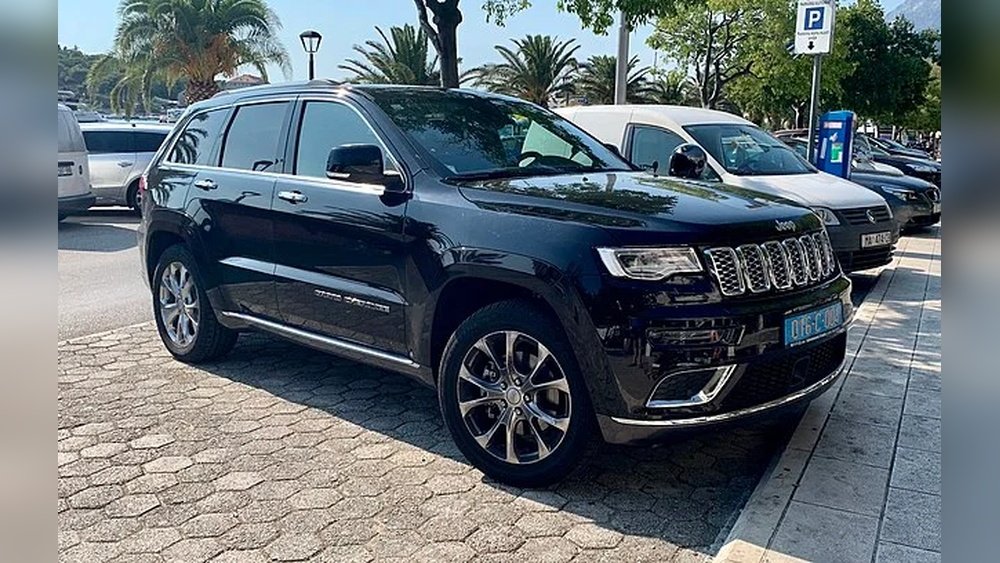
How Long Will a Jeep Grand Cherokee Last? Lifespan Explained
 Reading Time: 7 minutes
 How Long Will A Jeep Grand Cherokee Last
People often ask, “How long will a Jeep Grand Cherokee last? ” If you’re thinking of buying one, or you already own this popular SUV, you want to know if it’s a smart investment. The Jeep Grand Cherokee is known for its tough build, comfortable drive, and off-road ability.
But how many miles can you really expect from it? The answer depends on many things, like maintenance, driving habits, and the model year. Let’s break down what you need to know—using clear language and practical examples—to help you make the best decision.
Average Lifespan: What To Expect
Most Jeep Grand Cherokees last between 150,000 and 250,000 miles. This range is based on owner reports, mechanic surveys, and real-world data. If you drive about 15,000 miles per year, this means your Grand Cherokee could last 10 to 17 years.
Some owners have seen their SUVs pass 300,000 miles with good care. But others face big repairs earlier. The difference often comes down to maintenance and how the vehicle is used.
Real-world Example
- A 2012 Jeep Grand Cherokee owner in Texas shared that their SUV reached 220,000 miles with no major repairs, just regular oil changes and brake work.
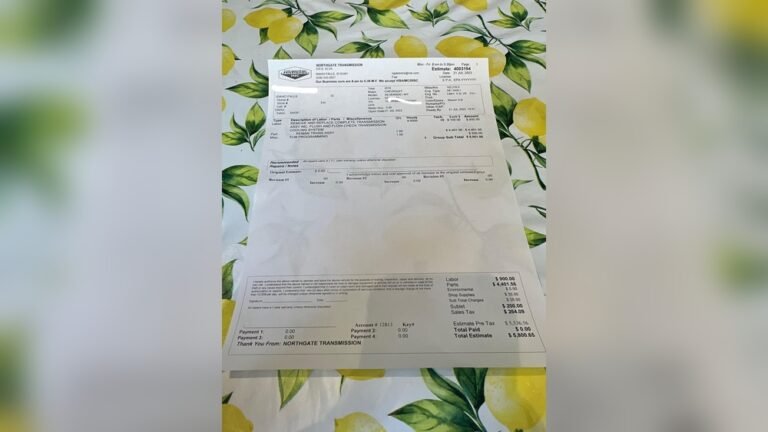
- Another 2015 model owner in New York had to replace the transmission at 130,000 miles due to rough city driving and skipping some services.
This shows that care and driving style make a big difference.
Key Factors That Affect Lifespan
How long your Jeep Grand Cherokee lasts depends on several key factors. Here’s what matters most:
1. Maintenance
Regular oil changes, fluid checks, and timely repairs keep the engine healthy.
2. Driving Habits
Gentle highway driving is easier on the vehicle than stop-and-go traffic or off-roading.
3. Climate
Salted winter roads can cause rust. Extreme heat can stress engines and batteries.
4. Model Year And Engine
Some years and engines are more reliable than others. Older models may have fewer electronics, but newer ones offer better safety.
5. Parts Quality
Using high-quality or original parts helps the vehicle last longer.
Table: Key Factors And Their Impact
| Factor | Positive Impact | Negative Impact |
|---|---|---|
| Maintenance | Extends engine life | Early engine failure |
| Driving Habits | Less wear and tear | More repairs needed |
| Climate | Slower rusting | Faster rust, battery wear |
| Model Year | Improved reliability | Known issues in some years |
| Parts Quality | Fewer breakdowns | Frequent failures |
Which Model Years Last The Longest?
Not all Grand Cherokees are the same. Some years have better records than others.
- 1998-2004 models: Known for strong engines (like the 4.0L inline-six), but watch out for rust.
- 2011-2021 models: Offer modern features, but some years had issues with transmissions and electronics.
- 2017 and newer: Improved reliability, safety, and comfort, but more complex electronics mean more things can break.
High-mileage Examples
Many owners report 200,000+ miles on 2000s-era Grand Cherokees with basic care. The 2014 model, after some early recalls, has shown good long-term reliability.
Maintenance: The Secret To Long Life
The number one way to make your Jeep Grand Cherokee last is simple: regular maintenance. Here’s what you need to do:
- Oil changes: Every 5,000 to 7,500 miles.
- Transmission fluid: Change every 60,000 to 100,000 miles.
- Brake pads: Check every 20,000 miles.
- Coolant and belts: Inspect and replace as the manual recommends.
Skipping these steps can lead to big, expensive repairs.
Practical Maintenance Schedule
| Service | Recommended Interval |
|---|---|
| Oil Change | 5,000 – 7,500 miles |
| Tire Rotation | 7,500 miles |
| Brake Inspection | 20,000 miles |
| Transmission Fluid | 60,000 – 100,000 miles |
| Coolant | 100,000 miles |
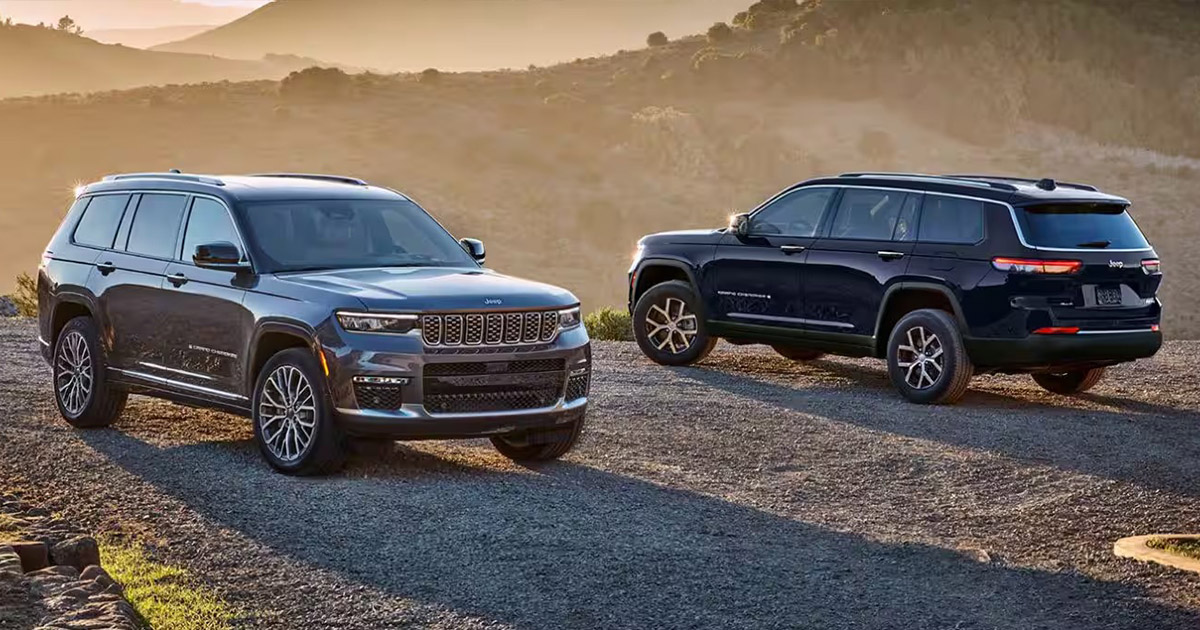
Credit: www.cabledahmercdjr.com
Common Problems As The Vehicle Ages
Even with good care, some parts will wear out. Here are the most common problems in older Grand Cherokees:
- Transmission failure: Often after 120,000 miles.
- Suspension wear: Bushings and ball joints can fail, causing a rough ride.
- Electrical issues: Power windows, infotainment, and sensors may act up.
- Rust: Frames and underbody, especially in cold or coastal areas.
- Cooling system leaks: Water pumps and radiators may leak after 100,000 miles.
Most of these issues are repairable and don’t mean the vehicle is “done. ” But they can be costly if not fixed quickly.
Not-so-obvious Insight
Many beginners focus only on engine and transmission, but suspension and electronics often cause more long-term headaches in older Grand Cherokees. Budget for these repairs.
How The Grand Cherokee Compares To Other Suvs
Is the Jeep Grand Cherokee more reliable than other SUVs? Here’s a quick comparison:
| Model | Expected Lifespan (Miles) | Maintenance Cost (10 Years) |
|---|---|---|
| Jeep Grand Cherokee | 150,000 – 250,000 | $10,500 |
| Toyota 4Runner | 200,000 – 300,000 | $5,900 |
| Ford Explorer | 150,000 – 220,000 | $9,200 |
| Honda Pilot | 180,000 – 240,000 | $7,700 |
The Grand Cherokee is competitive, but Toyota and Honda models often last longer with lower costs. Still, if you want off-road ability and comfort, the Grand Cherokee stands out.

Credit: www.reddit.com
Signs Your Grand Cherokee Is Nearing The End
How can you tell if your Jeep Grand Cherokee is nearing the end of its life? Watch for these signs:
- Frequent breakdowns: If you’re fixing something major every few months, it may be time to move on.
- Rust holes in the frame: This is dangerous and expensive to repair.
- Transmission slips or hard shifts: Costly to fix and often a sign of high wear.
- Engine burns oil or loses power: Can mean deep engine problems.
If repairs cost more than the value of the vehicle, it’s often better to replace it.
How To Make Your Jeep Grand Cherokee Last Longer
Want your SUV to go the distance? Here’s how to add years to its life:
- Follow the maintenance schedule
- Fix problems early: Don’t wait for small issues to become big.
- Wash the underbody: Especially in winter, to prevent rust.
- Drive smoothly: Avoid hard starts and stops.
- Use quality parts: Choose OEM or trusted brands for repairs.
Extra Tip
Many owners overlook transmission fluid changes. This is a common cause of early failure. Don’t skip it!
Should You Buy A High-mileage Grand Cherokee?
Buying a used Grand Cherokee with high miles can be a good deal, but it comes with risks. Here’s what to check:
- Service records: Make sure oil changes and repairs were done on time.
- Test drive: Listen for odd noises, check for smooth shifting, and test all electronics.
- Rust inspection: Look under the vehicle and inside the wheel wells.
- Professional inspection: Spend a little money now to avoid big problems later.
A well-kept Jeep with 120,000 miles can be a better buy than a poorly maintained one with 70,000 miles.
Real Owner Stories
- A 2005 Grand Cherokee owner in Colorado reached 280,000 miles with careful driving and regular care. They replaced the radiator, alternator, and suspension parts, but the engine and transmission stayed strong.
- A 2011 owner in Florida saw electrical problems at 110,000 miles but fixed them for about $600 and kept driving for years.
The main lesson: regular maintenance matters more than luck or brand reputation.
Is The Jeep Grand Cherokee Right For You?
The Jeep Grand Cherokee is a great choice if you want:
- Comfortable ride
- Off-road ability
- Strong engine options
But, it may not last as long as a Toyota or Honda if you don’t keep up with maintenance. It can also cost more to repair, especially as it ages.
If you plan to keep it for many years, choose a model with a good history, stay on top of service, and be ready for some repairs as the miles add up.
Frequently Asked Questions
How Many Miles Can A Jeep Grand Cherokee Last With Good Maintenance?
With regular maintenance, many Jeep Grand Cherokees last 200,000 miles or more. Some even reach 250,000 to 300,000 miles, but this depends on how the vehicle is used and cared for.
What Are The Most Common Problems In High-mileage Grand Cherokees?
The most common problems include transmission issues, suspension wear, electrical faults, and rust. Keeping up with maintenance helps reduce these risks.
Is The Jeep Grand Cherokee More Reliable Than Other Suvs?
The Grand Cherokee is reliable but not always at the top compared to brands like Toyota or Honda. It offers more off-road ability and luxury features, but may need more repairs as it ages. For detailed comparisons, check resources like the Consumer Reports.
How Can I Help My Jeep Grand Cherokee Last Longer?
Follow the maintenance schedule, fix problems early, use quality parts, and wash the underbody to fight rust. Smooth driving also helps reduce wear.
Is It Safe To Buy A Used Grand Cherokee With Over 100,000 Miles?
Yes, if it has full service records and passes a professional inspection. Avoid vehicles with signs of rust, transmission problems, or many past repairs.
Buying or keeping a Jeep Grand Cherokee can be a smart move if you value comfort and capability. With regular care, your Grand Cherokee can deliver many years and miles of reliable service.

Credit: www.bettenhausencdjr.com