
2003 Jeep Grand Cherokee Transmission Fluid Guide: Expert Tips
 Reading Time: 6 minutes
 If you own a 2003 Jeep Grand Cherokee, understanding your transmission fluid is important for keeping your SUV running smoothly. Many drivers overlook this key part of vehicle maintenance, but the transmission fluid affects how your car shifts gears, handles power, and stays reliable. This article explains everything you need to know about 2003 Jeep Grand Cherokee transmission fluid, from choosing the right type to changing it safely. Even if you are new to car maintenance, you will find simple answers and practical advice here.
What Does Transmission Fluid Do?
Transmission fluid acts like a lifeline for your vehicle’s transmission. It:
- Lubricates moving parts inside the transmission
- Cools the system by carrying away heat
- Cleans by carrying small particles away from gears
- Helps shift gears by creating hydraulic pressure
If the fluid gets old or dirty, your Jeep may shift badly, overheat, or even break down. So, keeping the transmission fluid fresh is essential.
Which Transmission Fluid Does A 2003 Jeep Grand Cherokee Need?
The 2003 Jeep Grand Cherokee comes with different engines and transmissions. Most models use automatic transmissions, but there are slight variations. It’s important to use the correct fluid because using the wrong type can cause serious damage.
Recommended Fluid Types
- For most automatic models: ATF+4 (Automatic Transmission Fluid)
- For manual models (rare): Gear oil (check your owner’s manual)
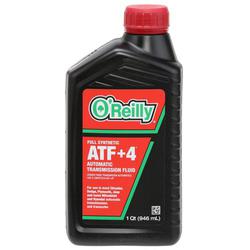
ATF+4 is a synthetic fluid made for Chrysler, Jeep, and Dodge vehicles. It has special additives to protect your transmission and help it last longer.
Where To Find The Fluid Type
- Owner’s manual
- Transmission dipstick (often labeled)
- Under the hood sticker
Tip: Never substitute with “universal” ATF or Dexron fluids. Always use ATF+4 for automatic transmissions in the 2003 Grand Cherokee.
How Much Transmission Fluid Does A 2003 Jeep Grand Cherokee Need?
Knowing the right amount is key. Too much or too little can cause problems.
- Fluid capacity (automatic transmission): About 4 quarts for a simple drain-and-fill
- Full system refill (after rebuild): Up to 10 quarts
When changing fluid, you usually add 4 quarts because you only drain part of the system. If you replace the transmission or flush the system, you need more.
How Often Should You Change Transmission Fluid?
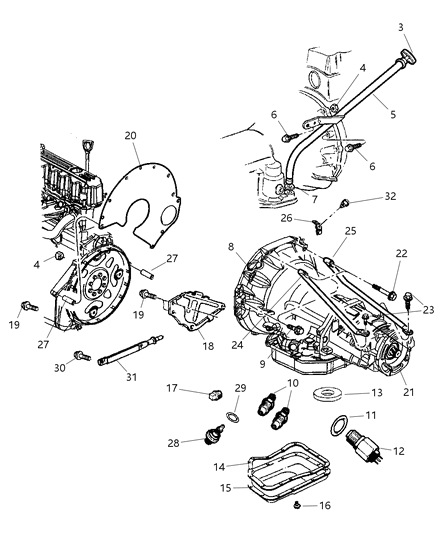
Jeep recommends changing the transmission fluid every 60,000 miles under normal driving. However, some situations require more frequent changes:
- Heavy towing
- Driving in hot climates
- Stop-and-go city driving
If you tow trailers or drive in harsh conditions, check the fluid every 30,000 miles.
Credit: www.moparpartsgiant.com
Signs You Need To Change Transmission Fluid
Look for these signs:
- Rough or delayed shifting
- Strange noises (whining or grinding)
- Slipping transmission
- Dark or burnt-smelling fluid
Check the fluid regularly. Fresh ATF+4 is usually red and clear. If it looks brown or smells burnt, change it soon.
How To Check Transmission Fluid On A 2003 Jeep Grand Cherokee
Checking the fluid is simple but must be done correctly. Here’s how:
- Park the vehicle on level ground.
- Start the engine and let it idle.
- Shift through all gears, then return to “Park.”
- Open the hood and locate the transmission dipstick (usually yellow or red).
- Pull out the dipstick, wipe it clean, reinsert, then pull out again.
- Check the level and color. The fluid should be between “Min” and “Max.”
Tip: Check when the engine is warm for the most accurate reading.
Step-by-step: Changing Transmission Fluid
Changing transmission fluid at home is possible if you follow careful steps. Here’s a simple guide:
- Gather supplies
- ATF+4 fluid (4 quarts)
- New transmission filter
- Drain pan
- Socket wrench
- Clean rags
- Warm up the vehicle so the fluid flows easily.
- Lift the Jeep safely with ramps or a jack.
- Remove the transmission pan bolts.
- Drain old fluid into the pan.
- Replace the filter.
- Clean the pan and install a new gasket.
- Reinstall the pan and bolts.
- Add new ATF+4 fluid through the dipstick tube.
- Start the engine and check for leaks.
- Check the fluid level and adjust as needed.
Common mistake: Overfilling the fluid. Always check the dipstick after refilling.
Practical Tips For Beginners
- Buy quality fluid. Cheap fluids may not protect your transmission.
- Don’t skip the filter. Changing the filter is as important as changing fluid.
- Keep records. Write down the date and mileage of each fluid change.
- Watch for leaks. Old gaskets and seals can cause fluid loss.
Comparing Atf+4 Vs. Other Fluids
Many stores sell multiple transmission fluids. Here’s a simple comparison:
| Fluid Type | Compatibility | Protection | Price |
|---|---|---|---|
| ATF+4 | 2003 Grand Cherokee | High | $$ |
| Dexron III | Not compatible | Low | $ |
| Universal ATF | Not recommended | Medium | $$ |
ATF+4 costs a bit more but protects your transmission better.
Transmission Fluid Change Cost
Changing the transmission fluid professionally costs more than doing it yourself.
| Method | Estimated Cost | Time Needed |
|---|---|---|
| DIY | $60–$100 | 1–2 hours |
| Mechanic | $150–$250 | Less than 1 hour |
If you’re new, a mechanic can do it quickly and safely. But learning to do it yourself saves money and builds confidence.
What Happens If You Use The Wrong Fluid?
Using the wrong fluid can cause:
- Slipping gears
- Transmission overheating
- Permanent damage
- Void warranty
Always use ATF+4 for 2003 Grand Cherokee automatic transmissions. Never mix fluids or use Dexron products.
Advanced Tips Most Beginners Miss
- Flush vs. Drain-and-Fill: A flush replaces all fluid, but a drain-and-fill only replaces some. A flush is better if the fluid is very old, but it’s more expensive.
- Check for software updates: Some Jeep Grand Cherokees have transmission software updates that change shift patterns. These updates can affect fluid performance. Ask your mechanic about updates.
Credit: www.oreillyauto.com
How To Dispose Of Old Transmission Fluid
Never pour old fluid down the drain. Instead:
- Take it to a recycling center
- Use auto parts stores (many accept used fluids)
- Check local rules for hazardous waste
Proper disposal protects the environment and avoids fines.
Data: Transmission Problems And Fluid Issues
Studies show that most Jeep Grand Cherokee transmission failures are linked to neglecting fluid changes. According to the National Highway Traffic Safety Administration, up to 40% of transmission issues in older Jeeps come from dirty or low fluid.
Key facts:
- Regular fluid changes can extend transmission life by 50%
- Fluid neglect is the #1 cause of transmission overheating
Example: Real-life Scenario
Imagine your Grand Cherokee starts to shift slowly and makes a whining noise. You check the fluid and see it’s dark and smells burnt. Changing the fluid and filter quickly can solve the problem and prevent costly repairs.
Table: Transmission Fluid Change Interval Comparison
| Driving Condition | Recommended Interval |
|---|---|
| Normal driving | 60,000 miles |
| Towing/heavy use | 30,000 miles |
| Hot climate | 30,000 miles |

Credit: www.youtube.com
Where To Buy Atf+4 Fluid
You can buy ATF+4 at:
- Jeep dealerships
- Auto parts stores
- Online retailers
Always check for genuine ATF+4 labels. Look for Chrysler approval on the bottle.
For more information about fluid specifications, visit the Wikipedia page on Automatic Transmission Fluid.
Frequently Asked Questions
How Do I Know If My Transmission Fluid Is Low?
Check the dipstick when the engine is warm and running. If the level is below “Min,” add fluid. Signs of low fluid include rough shifting and slipping.
Can I Use Dexron Instead Of Atf+4?
No. Dexron is not compatible with the 2003 Jeep Grand Cherokee. Always use ATF+4.
How Often Should I Change The Transmission Filter?
Change the filter every time you change the fluid, usually every 60,000 miles.
Is It Safe To Flush The Transmission?
Flushing is safe if the transmission is in good condition. If it’s very dirty or has problems, consult a mechanic before flushing.
What Happens If I Overfill The Transmission Fluid?
Too much fluid can cause foaming, overheating, and shifting problems. Always fill to the correct level and check with the dipstick.
Taking care of your 2003 Jeep Grand Cherokee transmission fluid is one of the best ways to keep your vehicle reliable. Whether you’re new to car maintenance or experienced, these tips help you avoid common mistakes and keep your Jeep running strong. Regular checks and changes will save you money and trouble in the long run.


