
How To Check Transmission Fluid Jeep Compass: Easy Steps
 Reading Time: 7 minutes
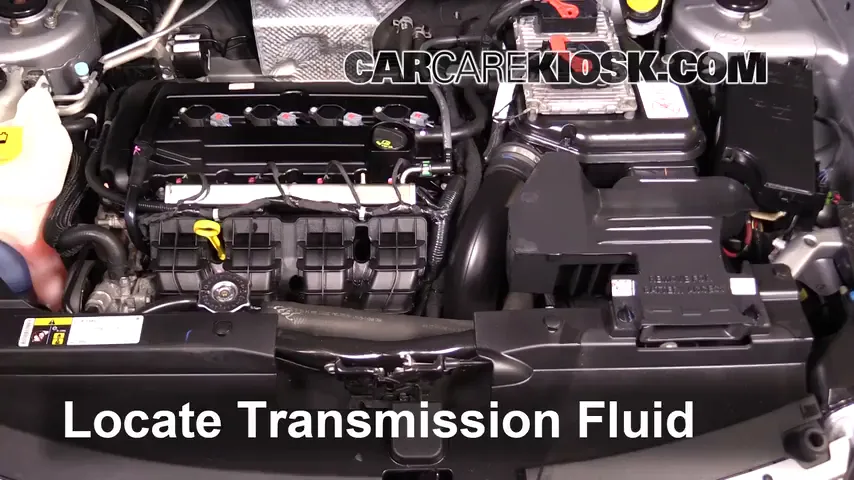
For a Jeep Compass sold in the United States, the right way to check transmission fluid depends on the model year and transmission. Many newer Compass models do not have a normal dipstick, so you cannot check the fluid with a simple under-hood test. Check the owner’s manual for your exact model year before opening a cap or adding fluid.
If your Compass has a dipstick, use the manual’s steps and fluid-level marks. If it does not, the level may require a service procedure with the vehicle level and the transmission fluid at a specified temperature. When the procedure is unclear, have a qualified shop check it.

Identify your Compass transmission first
Find the model year and follow the instructions for that vehicle—not a generic Jeep or automatic-transmission guide. Compass transmissions and service methods have changed over time. Some older models may have a dipstick; many later models use a sealed-style setup that calls for a specific service check.
Start with the driver’s door label or registration to confirm the model year. Then look up the U.S. owner’s manual through the official Mopar owner’s manual page. Search the manual for “transmission fluid,” “fluid level,” and “maintenance.”
| What you find | What it means |
|---|---|
| The manual gives a dipstick check procedure | Follow that procedure exactly, including any instructions about engine state, fluid temperature, and gear selection. |
| The manual says the transmission has no dipstick or calls for dealer service | Do not try to estimate the level through a plug. Use a shop with the correct service information and tools. |
| The manual is unclear or does not match the vehicle | Confirm the transmission using the VIN with a Jeep dealer or qualified repair shop. |
“Sealed” does not mean the transmission can never be serviced. It means the level is not meant to be checked with a typical dipstick. The level can depend on fluid temperature and the position of the vehicle, so opening the wrong plug or checking at the wrong time can give a false reading or cause fluid loss.

How to check the fluid if your Compass has a dipstick
Use this method only if the owner’s manual for your model year describes a dipstick check. The manual’s directions take priority over these general steps because the required engine state and temperature can differ.
- Park on a firm, level surface. Set the parking brake and keep people clear of the vehicle.
- Follow the manual’s instructions for warming the transmission, running or stopping the engine, and moving the gear selector through its positions. Do not skip a step or assume the engine should be on or off.
- Find the transmission dipstick identified in the manual. Do not confuse it with the engine oil dipstick.
- Remove the dipstick, wipe it with a clean, lint-free cloth, and put it back as directed.
- Remove it again and compare the fluid level with the marks or range specified in the manual.
- If the level is low, add only the exact fluid listed for your transmission. Add a small amount at a time, then recheck using the manual’s procedure.
A correct reading should fall within the specified range under the stated test conditions. If the reading is too low, too high, hard to interpret, or changes when you repeat the check, stop and get help rather than adding fluid by guesswork.

What to do if your Compass has no dipstick
Do not remove a transmission plug just to see whether fluid comes out. On a transmission without a dipstick, the level may need to be checked at a set fluid temperature, with the vehicle level and a prescribed engine and gear-selector procedure. A shop may need scan equipment to confirm the temperature.
If the manual directs you to a dealer or repair facility, follow that advice. Ask the shop to confirm the fluid level using the service procedure for your Compass’s year and transmission. A general “fill until it looks right” method may leave the transmission underfilled or overfilled.
Do not add fluid through a vent, an unidentified cap, or a fill opening unless the service information names that point and gives the correct procedure. Use only the fluid specification listed for your exact transmission; different Compass transmissions may require different fluids.

Signs of a transmission-fluid problem
A warning sign calls for diagnosis, not an automatic fluid top-up. Low fluid can be one possible cause of shifting trouble, but similar symptoms can come from leaks, worn parts, electrical faults, or other problems.
Watch for:
- A red or brown fluid spot under the vehicle. The source may be transmission fluid, but color alone cannot confirm it.
- Delayed engagement when shifting into Drive or Reverse.
- Slipping, harsh shifts, or a sudden change in how the transmission behaves.
- A burning smell, unusual noise, or a transmission warning message.
If the vehicle will not move normally, has a major leak, or shows a warning that the owner’s manual says needs immediate attention, stop driving when it is safe to do so. Arrange professional help. Continuing to drive with a serious transmission problem can cause more damage.
Common mistakes to avoid
The safest check is the one specified for your exact Compass—not the one that seems easiest. These common shortcuts can lead to a bad reading or added damage.
- Do not assume every Compass has a dipstick. Many newer models do not have a user dipstick check.
- Do not use a universal fluid recommendation. Match the fluid to the exact transmission and model year.
- Do not check on a slope. An uneven vehicle can affect a level reading.
- Do not ignore temperature instructions. A transmission-fluid level check may only be valid within a specified temperature range.
- Do not overfill. Too much fluid can also cause problems.
- Do not crawl beneath a vehicle supported only by a jack. If a service procedure requires access underneath, use proper lift equipment and have a trained technician perform the work.
The owner’s manual is the first reference for routine instructions. For a no-dipstick transmission, an unclear procedure, or any leak or shifting symptom, use a qualified repair facility.

Frequently asked questions
Do all Jeep Compass models have a transmission dipstick?
No. The check method depends on the model year and transmission. Use the owner’s manual for your U.S. model year to confirm whether it has a dipstick and how to check the level.
Can I check transmission fluid while the engine is cold?
Only if the manual says to. Some checks require the transmission to be warm or within a set temperature range; others specify a different condition. A reading taken under the wrong conditions may not be useful.
What transmission fluid does a Jeep Compass use?
The required fluid depends on the exact transmission. Check the owner’s manual or service information for your model year and transmission, and do not choose fluid based only on the vehicle make or a generic “ATF” label.
How often should I check the transmission fluid?
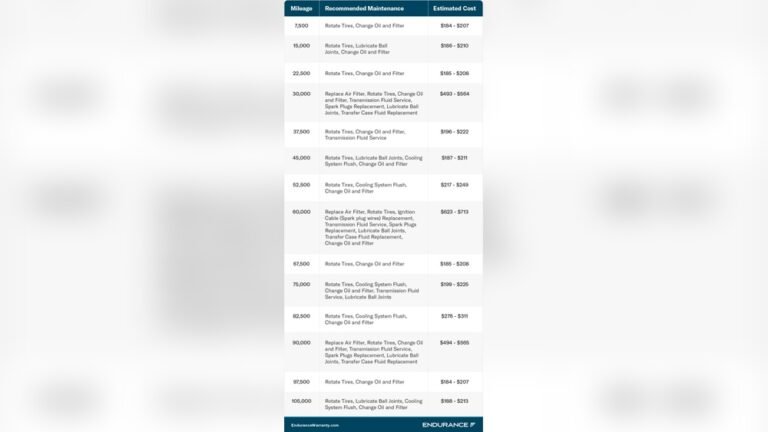
Follow the maintenance schedule in your owner’s manual. If your Compass has no dipstick, the manual may not provide a routine owner check. Have the system inspected if you notice a leak, warning, or change in shifting.
Can I drive my Compass if the transmission fluid is low?
Do not keep driving if the vehicle slips, will not engage, has a major leak, or displays a warning that calls for stopping. Low fluid is not the only possible cause of those symptoms, and driving may worsen the damage. Arrange a proper inspection.
Your next step
Confirm your Compass’s model year, then check its U.S. owner’s manual for the transmission-fluid procedure. If the manual does not give a dipstick method, or you see a leak or shifting problem, have a qualified shop check the transmission rather than opening a plug or adding fluid by guesswork.