

2012 Jeep Liberty Transmission Fluid: Change Guide and Tips
 Reading Time: 9 minutes
 If you drive a 2012 Jeep Liberty, taking care of your transmission fluid is one of the best ways to keep your vehicle running smoothly. Many owners overlook this simple maintenance step, but neglecting transmission fluid can cause expensive repairs later. This guide explains what you need to know about the 2012 Jeep Liberty transmission fluid—what type to use, how and when to change it, and tips for getting the best performance from your SUV.
Why Transmission Fluid Matters
Transmission fluid does more than just make your Jeep move. It:
- Lubricates moving parts inside the transmission
- Cools the transmission to prevent overheating
- Helps the transmission shift gears smoothly
- Protects against rust and wear
Without good fluid, your transmission can slip, overheat, or even fail. For the 2012 Jeep Liberty, regular checks and changes can add years to your vehicle’s life.
The Right Transmission Fluid For 2012 Jeep Liberty
Using the correct fluid is essential. The wrong type can damage your transmission. For the 2012 Jeep Liberty:
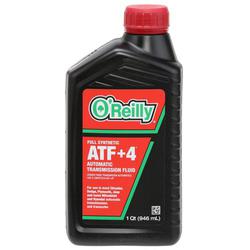
- Automatic Transmission: Use ATF+4 (Automatic Transmission Fluid type 4), which is a synthetic fluid developed by Chrysler.
- Manual Transmission: This model is rare, but if you have it, check your owner’s manual for the exact type. Most use a special manual transmission fluid.
ATF+4 is widely available at auto parts stores and Jeep dealerships. Always check your owner’s manual to confirm.
How To Check Your Transmission Fluid
Checking your fluid regularly helps spot problems early. Here’s how:
- Park your Jeep on level ground.
- Start the engine and let it warm up.
- With the engine running, shift through each gear, then leave it in Park.
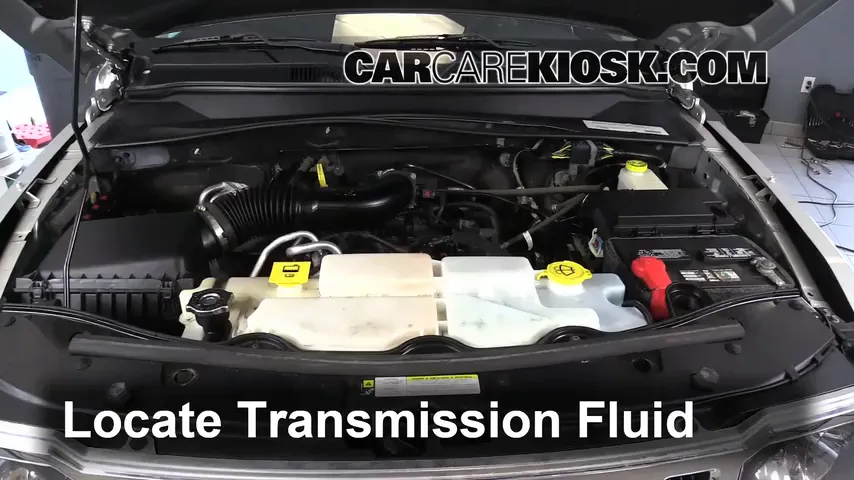
- Open the hood and find the transmission dipstick (usually labeled and near the firewall).
- Pull out the dipstick, wipe it clean, reinsert, and pull it out again.
- Check the fluid level against the “HOT” or “FULL” mark.
Tip: The fluid should be pinkish or red and not smell burnt. If it’s dark or smells bad, it’s time to change it.
When To Change Transmission Fluid
Many owners ask, “How often should I change my transmission fluid?” For the 2012 Jeep Liberty:
- Jeep recommends changing the fluid every 60,000 miles under normal driving conditions.
- If you tow, drive in the mountains, or in very hot weather, change it every 30,000 miles.
Some signs your fluid may need changing sooner:
- Hard or delayed shifting
- Slipping gears
- Strange noises from the transmission area
- Fluid looks dark or smells burnt
Credit: www.carcarekiosk.com
Changing The Transmission Fluid: Steps And Tips
Changing your 2012 Jeep Liberty’s transmission fluid can be done at home if you are comfortable with basic tools. Otherwise, a mechanic can do it for you.
Tools And Supplies Needed
- ATF+4 transmission fluid (about 4–5 quarts for a simple drain and fill)
- New transmission pan gasket
- Socket wrench set
- Drain pan
- Funnel
- Clean rags
Step-by-step Guide
- Warm up your Jeep for a few minutes, then turn it off.
- Lift the vehicle using jack stands for safety.
- Place a drain pan under the transmission pan.
- Remove the transmission pan bolts (fluid will start draining).
- Remove the pan completely and let all fluid drain out.
- Replace the transmission filter if needed (recommended).
- Clean the pan and magnet inside (removes metal shavings).
- Install the new gasket and reattach the pan.
- Add new ATF+4 fluid through the dipstick tube.
- Check the level and adjust as needed.
Practical tip: Don’t overfill; too much fluid can cause problems.
How Much Fluid Does The 2012 Jeep Liberty Need?
- A basic drain and fill (removing just the pan) usually takes 4 to 5 quarts of ATF+4.
- A full flush, which replaces all fluid, can take up to 8–10 quarts.
Always check your dipstick after adding fluid and top up if necessary.
Signs Of Bad Transmission Fluid
Catching problems early can prevent costly repairs. Watch for these signs:
- Fluid is brown or black instead of red/pink
- Fluid smells burnt
- Transmission slips or shifts roughly
- Delayed engagement when shifting into gear
- Unusual noises when accelerating
If you notice these, change the fluid soon or get a mechanic to inspect.
Comparison: Jeep Liberty Vs. Other Suvs
Here’s a simple comparison between the 2012 Jeep Liberty and two other popular SUVs regarding transmission fluid type and service interval.
| Model | Transmission Fluid Type | Change Interval (Miles) |
|---|---|---|
| 2012 Jeep Liberty | ATF+4 | 60,000 |
| 2012 Ford Escape | Mercon LV | 60,000 |
| 2012 Toyota RAV4 | WS ATF | 60,000 |
Insight: Many automakers now use synthetic fluids and recommend longer intervals, but always follow your specific vehicle’s needs.
Common Mistakes With Transmission Fluid
Beginners often make these errors:
- Using the wrong fluid: Even fluids that “look” similar may damage your transmission.
- Not checking fluid level correctly: Always check with the engine running and warmed up.
- Skipping filter replacement: The filter removes debris—don’t ignore it.
- Overfilling or underfilling: Both can cause shifting problems or even damage.
Practical example: Someone adds Dexron fluid instead of ATF+4. The Jeep shifts rough and develops leaks—an expensive fix.
Cost Of Changing Transmission Fluid
How Much Will You Spend?
- DIY: Fluid and gasket kits cost $40–$70.
- Shop Service: Most shops charge $120–$200 for a simple drain and fill, and up to $300 for a full flush.
Tip: Changing fluid regularly is much cheaper than repairing or replacing your transmission.

Credit: www.youtube.com
Atf+4 Synthetic Fluid: Features And Benefits
ATF+4 fluid is special because it’s synthetic. This means:
- Better protection in hot and cold weather
- Lasts longer than older, non-synthetic fluids
- Resists breakdown and sludge buildup
- Supports smooth shifting even under heavy use
Some aftermarket brands make “compatible” fluids, but always look for ATF+4 approved on the label.
How Transmission Fluid Impacts Performance
Good transmission fluid means:
- Smoother gear changes
- Less chance of overheating
- Longer transmission life
- Lower risk of breakdowns
Example: After a fluid change, many Jeep owners say shifting feels much smoother, especially at low speeds.
Transmission Fluid Change: Dealer Vs. Diy
Where should you get your fluid changed? Each option has pros and cons:
| Method | Pros | Cons |
|---|---|---|
| DIY | Cheaper, learn your vehicle, control quality | Messy, takes time, possible mistakes |
| Dealer/Shop | Quick, professional, warranty support | More expensive, upselling risk |
Tip: If you’re unsure, start with a mechanic and learn by watching. Many shops allow you to watch the process.
How To Dispose Of Old Transmission Fluid
Never pour used fluid down the drain or on the ground. It’s toxic and pollutes water and soil. Instead:
- Collect the used fluid in a sealed container.
- Take it to an auto parts store or recycling center.
- Many places accept it for free.
Practical insight: Some areas fine drivers who dump fluid illegally. Always recycle responsibly.
Credit: www.oreillyauto.com
Transmission Fluid Change Vs. Flush
You might hear about a fluid change and a transmission flush. What’s the difference?
- Fluid Change: Drains only what’s in the pan (about 40-50% of total fluid).
- Flush: Uses a machine to push new fluid through the entire system, removing nearly all old fluid.
Which is better? For most owners, a simple change every 60,000 miles is enough. Flushes may be better if the fluid is very dirty, but can sometimes loosen debris and cause leaks in older transmissions.
How Transmission Fluid Works In Your Jeep
Transmission fluid flows through many small parts:
- Lubricates gears and clutches
- Runs through a cooler to prevent overheating
- Cleans away metal shavings and debris
- Helps the transmission computer control shifting
If fluid is low or dirty, the system can’t do its job. That’s why regular changes are important.
Example: Jeep Liberty Transmission Fluid Change
Let’s walk through a real-world example.
- Owner “Sam” notices his Jeep shifts roughly.
- He checks the fluid: It’s dark and smells burnt.
- Sam buys ATF+4, a new filter, and gasket kit.
- He drains the old fluid, replaces the filter and gasket, and refills with new fluid.
- After driving, the shifting is smooth and the transmission is quieter.
Insight: Sometimes, a simple fluid change fixes shifting issues that seem serious.
How To Tell If A Shop Used The Right Fluid
If you get your fluid changed at a shop, ask for:
- The empty ATF+4 bottles as proof
- The brand and type used
- The receipt listing ATF+4
Pro tip: Some shops use “universal” fluids. Insist on ATF+4 for best results.
Troubleshooting Transmission Fluid Leaks
Fluid leaks are common as vehicles age. Signs to watch for:
- Puddles or red stains under your Jeep
- Low fluid level on the dipstick
- Burning smell when driving
Fixes: Tighten pan bolts, replace gasket or seals, and check cooler lines. Never ignore a leak—it can quickly lead to major damage.
Table: Signs Of Transmission Fluid Problems
Here’s a quick reference for common symptoms:
| Symptom | Possible Cause | Action |
|---|---|---|
| Rough shifting | Dirty or low fluid | Check/replace fluid |
| Slipping gears | Low fluid, worn parts | Top up fluid, check for leaks |
| Burnt smell | Overheated fluid | Change fluid immediately |
Best Practices For Long Transmission Life
- Use only ATF+4 fluid
- Check fluid level every oil change
- Change fluid every 60,000 miles (or 30,000 for hard use)
- Fix leaks as soon as found
- Replace the filter with each fluid change
Where To Find More Information
The official Jeep owner’s manual and Mopar service bulletins are reliable sources. You can also visit the Jeep Liberty Wikipedia page for more technical details.
Frequently Asked Questions
What Kind Of Transmission Fluid Does A 2012 Jeep Liberty Use?
The 2012 Jeep Liberty uses ATF+4 automatic transmission fluid. This synthetic fluid is made for Chrysler vehicles and works best for your Jeep.
How Often Should I Change The Transmission Fluid?
Under normal driving, change every 60,000 miles. If you tow or drive in harsh conditions, change every 30,000 miles.
Can I Use Dexron Or Mercon Fluid Instead Of Atf+4?
No. Only ATF+4 is approved. Using other fluids can damage the transmission and void your warranty.
How Do I Know If My Transmission Fluid Is Bad?
Check the color (should be red/pink), smell (not burnt), and feel (smooth, not gritty). Trouble shifting or slipping gears are signs of bad fluid.
Is It Hard To Change The Transmission Fluid Myself?
For most beginners, changing the fluid is possible with basic tools and patience. Always follow safety steps and consult a repair manual if unsure.
Keeping your 2012 Jeep Liberty’s transmission fluid in good shape protects your investment and keeps you on the road. Regular checks, using the right ATF+4 fluid, and fixing small issues early will help your Jeep last for many years.


