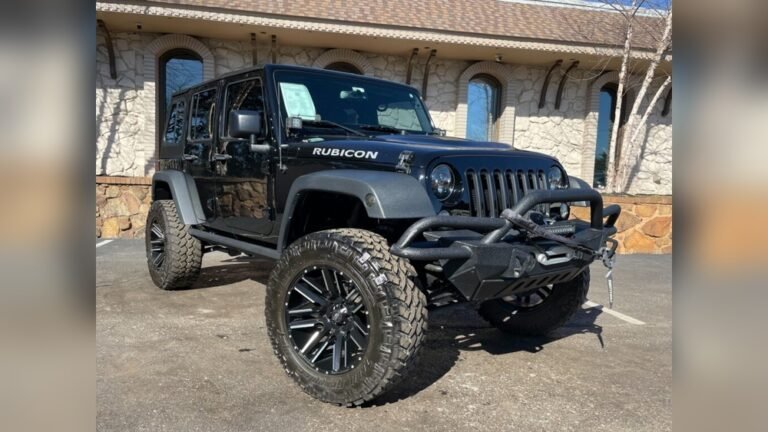
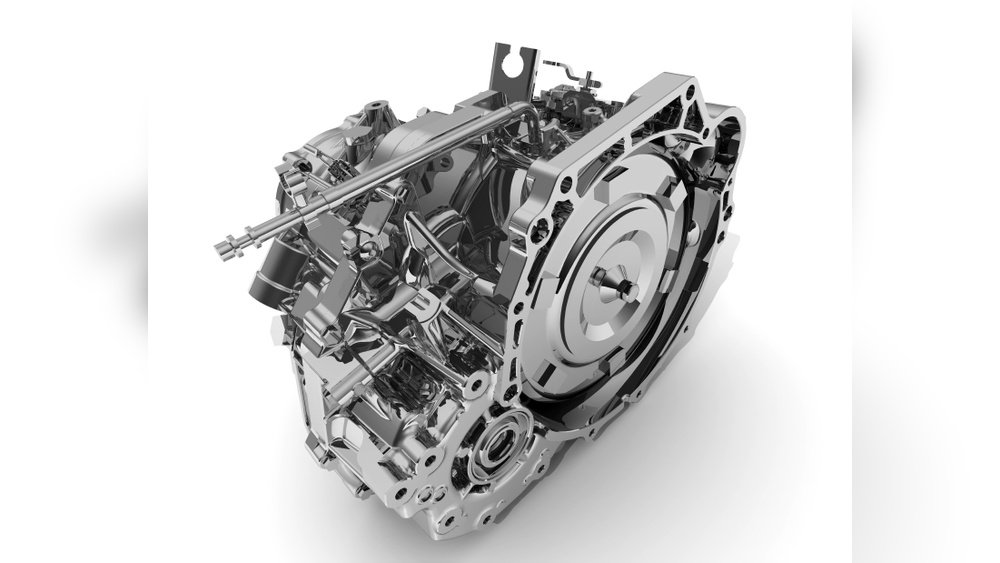
Is Jeep 47L Engine a Good Or Bad Engine? Expert Analysis
 Reading Time: 7 minutes
 Is Jeep 4.7l Engine A Good Or Bad Engine?
Choosing an engine is a big decision, especially for your Jeep. The Jeep 4.7L engine is popular in many Jeep models. But is it a good or bad engine? Many people ask this question before buying or maintaining their vehicle. In this article, you’ll find clear answers, practical data, and real examples. Whether you’re a beginner or just want simple information, you’ll learn everything you need to know about the Jeep 4.7L engine.
Overview Of The Jeep 4.7l Engine
The Jeep 4.7L engine is also called the PowerTech V8. It was first introduced in 1999. You’ll find this engine in:
- Jeep Grand Cherokee (1999–2009)
- Jeep Commander (2006–2009)
- Some Dodge and Chrysler models
This engine is a V8, meaning it has eight cylinders. The engine size is 4. 7 liters, which is big enough for power but not too big for fuel consumption.
Key Specifications
Here’s a quick look at its main specs:
| Feature | Details |
|---|---|
| Engine Type | V8 |
| Displacement | 4.7 liters (285 cubic inches) |
| Horsepower | 235–265 hp (varies by year) |
| Torque | 295–330 lb-ft |
| Fuel Type | Regular Gasoline |
| Configuration | Overhead Cam (SOHC) |
What Makes The Jeep 4.7l Engine Good?
Many Jeep owners are happy with the 4.7L engine. Let’s look at the reasons:
Strong Performance
- Good power: The engine gives enough horsepower for daily driving and towing.
- Smooth acceleration: V8 engines are known for smooth and fast acceleration, useful for highways and passing.
- Reliable torque: High torque means it can pull heavy loads, which is great for towing trailers or boats.
Versatility
- Used in many Jeep and Dodge models.
- Fits well for off-road and city driving.
- Can handle rough conditions, like mud, snow, and gravel.
Affordable Maintenance
- Parts are easy to find.
- Many mechanics know how to fix this engine.
- Basic repairs are not too expensive compared to other V8 engines.
Real-life Example
John, a Jeep Grand Cherokee owner, drove his 4. 7L engine for over 150,000 miles. He used his Jeep for both city and mountain trips. His engine lasted with only regular maintenance, like oil changes and spark plug replacements.
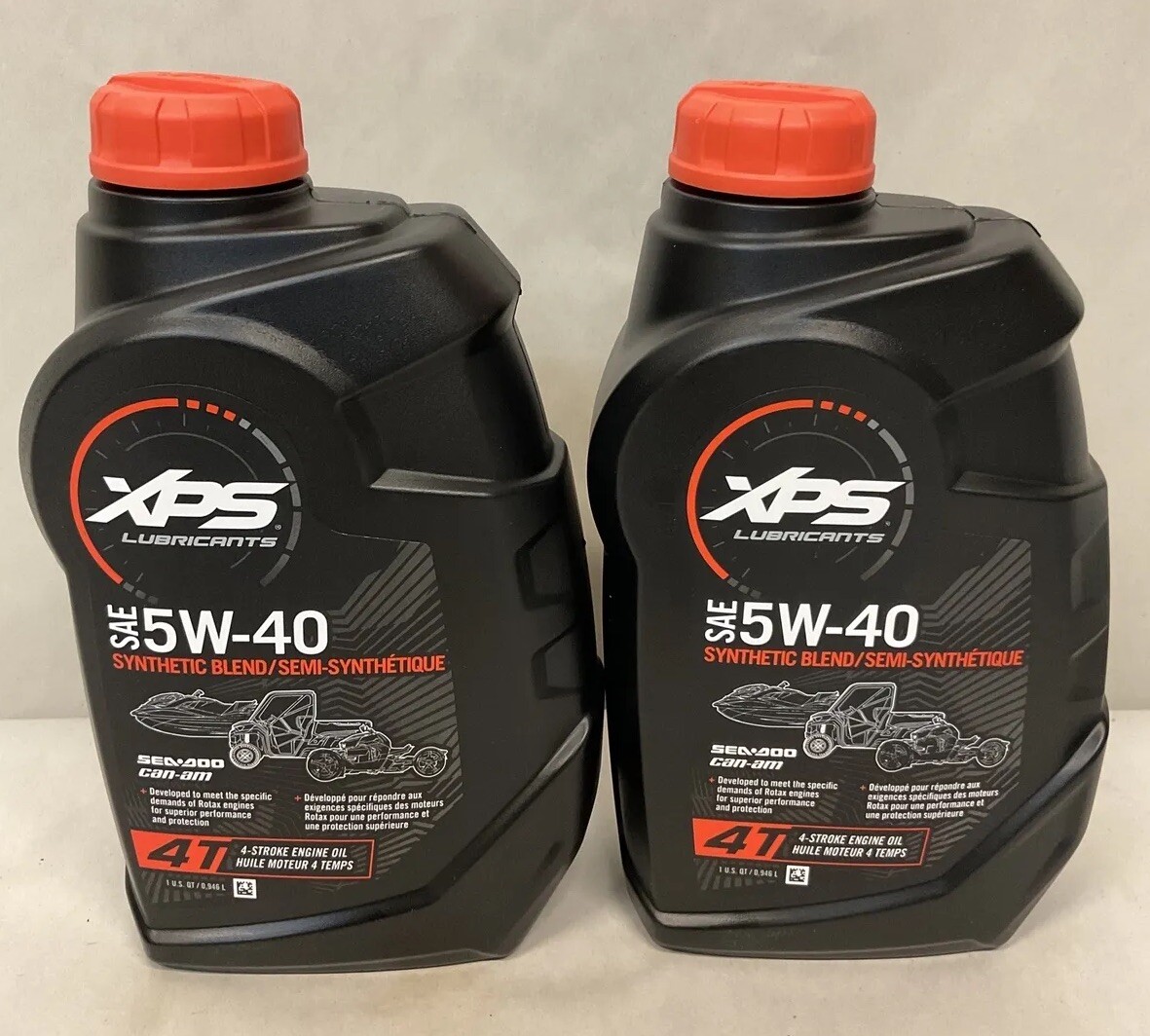
Credit: www.ebay.com
Common Problems With The Jeep 4.7l Engine
No engine is perfect. The Jeep 4. 7L engine has some issues you should know about.
Overheating
- Some models have problems with overheating, especially in hot weather.
- Causes: Faulty water pump, old radiator, or coolant leaks.
Oil Sludge
- Oil sludge can build up if oil changes are skipped.
- This blocks oil flow and can damage the engine.
Valve Seat Dropping
- A rare but serious problem. The valve seat may drop, causing loss of compression.
- Fixing this can be expensive.
Head Gasket Failure
- Head gasket problems can cause coolant and oil to mix.
- This leads to overheating and engine damage.
Electrical Problems
- Sensors and wiring can fail, causing check engine lights and rough running.
- Most issues are small but can be annoying.
Example: Repair Costs
Here’s a typical repair cost comparison:
| Problem | Estimated Cost |
|---|---|
| Water Pump Replacement | $250–$400 |
| Head Gasket Repair | $1,200–$2,000 |
| Valve Seat Fix | $1,500–$2,500 |
| Sensor Replacement | $100–$300 |
Comparing The Jeep 4.7l Engine To Other Jeep Engines
Is the 4. 7L better than other Jeep engines? Let’s compare with some popular options.
| Engine | Horsepower | Reliability | Maintenance Cost |
|---|---|---|---|
| Jeep 4.0L I6 | 190 hp | Very High | Low |
| Jeep 3.7L V6 | 210 hp | Medium | Medium |
| Jeep 4.7L V8 | 235–265 hp | Medium | Medium |
| Jeep 5.7L Hemi V8 | 360 hp | High | High |
What Does This Mean?
- The Jeep 4.0L I6 engine is famous for reliability and low maintenance.
- The Jeep 4.7L V8 offers more power but needs more care.
- The 5.7L Hemi V8 is powerful but costs more to maintain and repair.

Credit: www.youtube.com
Real-world Performance Data
Let’s look at how the Jeep 4. 7L engine performs in daily life.
Fuel Economy
- Average: 14–16 mpg city, 18–20 mpg highway
- Not the best for fuel saving, but normal for a V8
Longevity
- Many engines reach 200,000 miles with proper maintenance
- Regular oil changes, coolant flushes, and timing chain checks are important
Towing Capacity
- Can tow up to 6,500 lbs (depending on model)
- Suitable for small boats, trailers, or campers
Example: Owner Experience
Sarah owns a Jeep Commander with a 4. 7L engine. She tows a small trailer for camping. Her engine has over 120,000 miles. She says it still runs well, but she keeps up with oil changes and checks coolant regularly.
Maintenance Tips For Beginners
If you own a Jeep with the 4.7L engine, here’s how to keep it running smoothly:
- Change oil every 3,000–5,000 miles. Use quality oil.
- Check coolant level often. Top up when needed.
- Inspect hoses and belts for wear every 6 months.
- Replace air filter every 15,000 miles.
- Listen for engine noises like knocking or ticking.
- Fix leaks quickly. Small leaks can become big problems.
- Don’t skip spark plug changes. Bad plugs hurt performance.
- Use correct coolant type. Mixing wrong coolant can cause problems.
Practical Insight
Many beginners forget to check coolant regularly. Low coolant leads to overheating, which is a common issue with the 4. 7L. Make this a habit.
Pros And Cons: Simple Breakdown
Let’s make it easy to see the good and bad points:
Pros
- Strong power for driving and towing
- Parts are easy to find
- Fits many Jeep models
- Smooth acceleration
- Can last long with regular care
Cons
- Can overheat if not maintained
- Oil sludge risk with skipped oil changes
- Head gasket issues in some models
- Not the best fuel economy
- Repairs can be costly if ignored
Common Mistakes Owners Make
Avoid these if you want your engine to last:
- Skipping oil changes: Leads to oil sludge and engine damage.
- Ignoring overheating: Causes head gasket failure.
- Using wrong oil or coolant: Hurts engine health.
- Not fixing leaks: Small leaks can destroy big parts.
- Forgetting spark plugs: Bad plugs reduce power.
Non-obvious Insight
Many people think V8 engines don’t need frequent oil changes because they’re strong. Actually, the 4. 7L needs more care than smaller engines because of its design.
Should You Buy A Jeep With A 4.7l Engine?
Here’s what matters for beginners:
- Check service history: Look for regular oil changes and repairs.
- Ask the seller about any overheating or head gasket repairs.
- Test drive: Listen for unusual sounds and check temperature.
- Get a mechanic inspection: Worth the small cost before buying.
- If you want power and towing, the 4.7L is a good choice.
- If you prefer low maintenance, consider the 4.0L I6 engine.
How To Spot A Well-maintained Jeep 4.7l Engine
Look for these signs:
- Clean engine bay, no oil or coolant leaks
- Smooth idle, no shaking or noises
- Service records showing oil changes and repairs
- No check engine light
- Coolant level is correct and clean
Example
If you see brown sludge under the oil cap, walk away. This means poor maintenance and possible engine damage.
Is The Jeep 4.7l Engine Good Or Bad?
In simple words: The Jeep 4.7L engine is good if you take care of it. It offers strong power, smooth performance, and can last many years. However, it needs regular maintenance. If you skip oil changes or ignore overheating, it quickly becomes bad and expensive to fix.
For beginners, the engine is not difficult to care for. Just follow basic maintenance, and it will reward you with reliable driving and towing. If you’re looking for a balance of power and cost, the 4. 7L is a solid choice.
If you want the easiest maintenance, the 4. 0L I6 is better.
For more technical details and history, see the Chrysler PowerTech Engine Wikipedia.
Frequently Asked Questions
Is The Jeep 4.7l Engine Reliable?
The 4.7L engine is reliable if you follow maintenance. Many owners reach over 200,000 miles. Problems come mainly from skipped oil changes and ignoring overheating.
What Is The Average Lifespan Of The Jeep 4.7l Engine?
With regular care, the average lifespan is 180,000–220,000 miles. Using quality oil and checking coolant often are key.
How Much Does It Cost To Repair Common Problems?
Typical repair costs are:
- Water pump: $250–$400
- Head gasket: $1,200–$2,000
- Valve seat: $1,500–$2,500
These prices can vary depending on your location and mechanic.
Is The 4.7l Engine Good For Towing?
Yes, the 4.7L engine can tow up to 6,500 lbs (depending on the Jeep model). It’s strong enough for small trailers, boats, and campers.
What Are The Signs Of Engine Problems In The Jeep 4.7l?
Watch for:
- Overheating
- Oil leaks
- Coolant mixing with oil
- Engine knocking sounds
- Check engine light
These signs mean you should see a mechanic soon.
In summary, the Jeep 4.7L engine is a good choice for many owners, as long as you keep up with basic maintenance. It’s powerful, smooth, and can last a long time. But it needs care—if you ignore problems, it can become a bad engine quickly. Knowing these facts helps you make a smart decision for your Jeep.
Credit: www.dieselarmy.com