
1999 Jeep Grand Cherokee Transmission: Common Problems & Fixes
 Reading Time: 8 minutes
 If you own or are considering buying a 1999 Jeep Grand Cherokee, understanding its transmission is very important. The transmission is one of the most critical parts of this SUV. It affects how the vehicle drives, how reliable it is, and how much you’ll pay for repairs. For beginners, this guide will help you understand the basics, common problems, maintenance tips, and what to do when issues appear. You’ll also find simple explanations, practical data, and examples to make everything clear and easy.
Overview Of The 1999 Jeep Grand Cherokee Transmission
The 1999 Jeep Grand Cherokee came with two main transmission types:
- Automatic transmission (most common)
- Manual transmission (rare, only on some models)
Most 1999 Grand Cherokees on the road today have an automatic transmission. Jeep offered two main automatic options:
- 42RE: Used mostly with the 4.0L inline-6 engine.
- 45RFE: Paired with the 4.7L V8 engine.
Key Automatic Transmission Specs
- 42RE: 4-speed automatic, rear-wheel or 4WD
- 45RFE: 4-speed automatic, advanced electronic controls
Both types have their strengths and weaknesses. The 42RE is simpler and easier to repair, while the 45RFE is more advanced and smoother but can be more expensive to fix.
How The Transmission Works
A transmission is responsible for moving power from the engine to the wheels. It changes gears so your Jeep can go faster, slower, or climb hills easily. In automatic transmissions, this process is handled by a system of gears, hydraulic fluid, and electronic controls.
- Shifting: The transmission changes gears automatically based on speed and engine load.
- Fluid: Transmission fluid keeps everything cool and lubricated.
- Electronic control: Sensors and a computer decide when to shift gears for smooth driving.
Manual transmissions are less common. They require the driver to change gears using a clutch and gear stick. Most people prefer the automatic for its ease of use.
Common Transmission Problems
The 1999 Grand Cherokee is known for a few transmission issues. Recognizing these early can save money and prevent breakdowns.
- Rough shifting: The transmission may jerk or hesitate when changing gears.
- Slipping: The vehicle revs, but speed does not increase as expected.
- Transmission fluid leaks: Red or brown fluid under the vehicle indicates a leak.
- Delayed engagement: A delay before the vehicle moves when shifting from Park to Drive or Reverse.
- Transmission overheating: Warning lights or burnt-smelling fluid are signs.
Why These Problems Happen
- Worn out fluid
- Faulty sensors
- Old gaskets and seals
- Internal wear in gears or clutches
Catching these issues early usually means a cheaper and easier fix.
Transmission Fluid: The Lifeblood
Transmission fluid is vital for the health of your Grand Cherokee’s transmission. It cools, lubricates, and helps the system shift smoothly. Checking and changing the fluid regularly is one of the best ways to avoid problems.
Checking Transmission Fluid
- Park on a level surface with the engine running and transmission in Park.
- Pull out the transmission dipstick, wipe it clean, reinsert, and check the level and color.
- Healthy fluid is red and clear. Dark or burnt-smelling fluid means it’s time for a change.
How Often To Change Fluid
- Every 30,000 to 60,000 miles is recommended for most drivers.
- If you tow heavy loads or drive in hot weather, change fluid more often.
Ignoring fluid changes is a top reason for transmission failure in older vehicles.
Transmission Maintenance Tips
Regular maintenance can make your transmission last much longer. Here are some simple, effective steps:
- Check fluid regularly (every oil change).
- Change the transmission filter when you change the fluid.
- Look for leaks under the vehicle.
- Avoid overheating: Don’t tow more than your Jeep’s limit.
- Drive gently: Avoid hard acceleration or sudden stops.
- Have the computer scanned: Modern transmissions use sensors—diagnostic scans can catch issues early.
Transmission Failure: What To Watch For
Even with good care, transmissions can fail, especially as the vehicle ages. Signs of major problems include:
- Grinding or whining noises
- No movement in Drive or Reverse
- Warning lights on the dashboard
- Burning smell from under the hood
If you notice these, stop driving and get your Jeep checked by a professional. Continuing to drive can cause more damage and higher repair costs.
Cost Of Repair And Replacement
Transmission repairs can be expensive. It helps to know what to expect:
- Fluid and filter change: $120 to $250
- Minor repairs (seals, sensors): $200 to $500
- Full rebuild or replacement: $1,500 to $3,500
These prices depend on location, repair shop, and the exact transmission type.
Example Repair Costs
Here’s a comparison of costs for common services:
| Service | Average Cost | Time Required |
|---|---|---|
| Fluid/Filter Change | $150 | 1 hour |
| Solenoid Replacement | $400 | 2 hours |
| Full Rebuild | $2,500 | 2-3 days |
Choosing The Right Transmission Fluid
Using the right transmission fluid is essential. For the 1999 Grand Cherokee:
- 42RE transmission: Use ATF+4 fluid.
- 45RFE transmission: Also use ATF+4 fluid.
Never mix fluid types. The wrong fluid can cause shifting problems and damage. Always check your owner’s manual or the label under the hood.
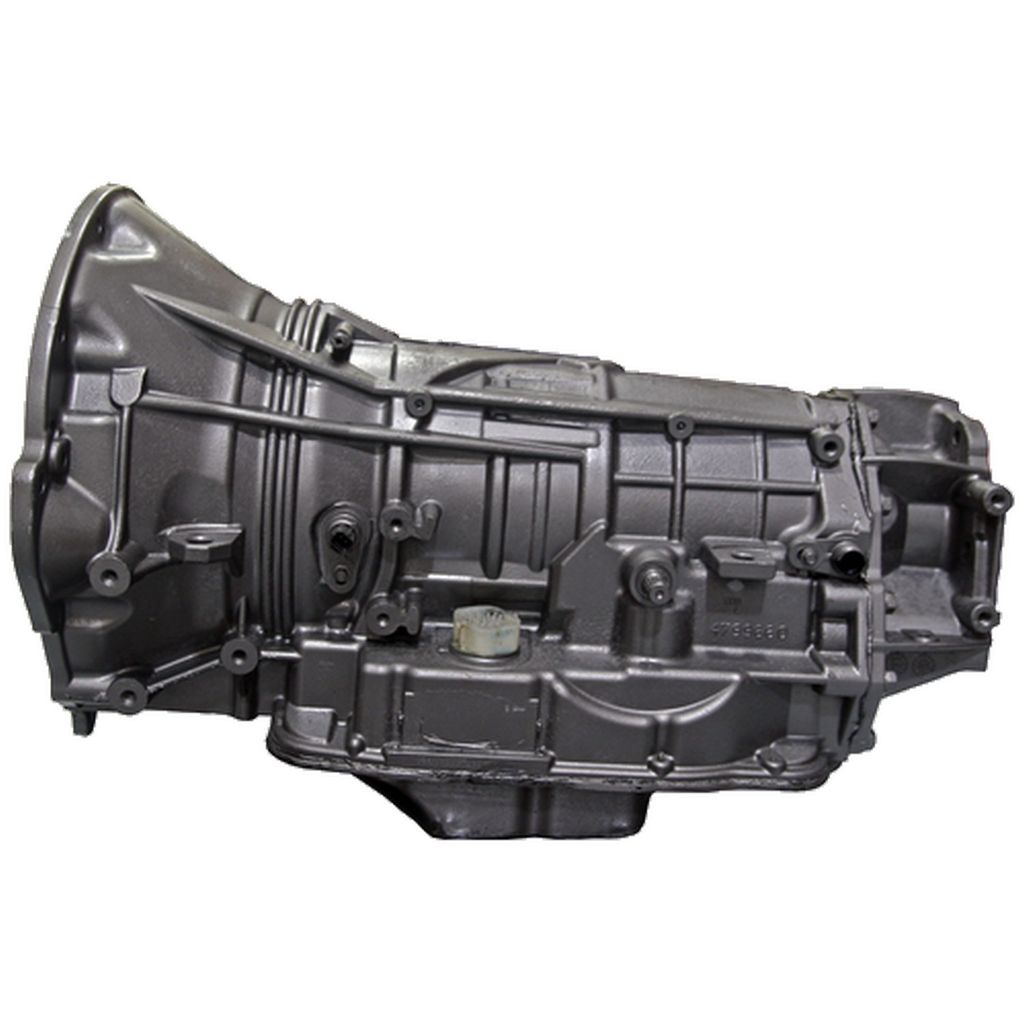
Credit: reman-transmission.com
Rebuilding Vs. Replacing The Transmission
If your transmission fails, you have two main options:
- Rebuild: The mechanic repairs the old transmission, replacing worn parts.
- Replace: The shop installs a used, rebuilt, or new transmission.
Which Is Better?
- Rebuild: Often cheaper, keeps the original unit.
- Replace: Usually faster, may come with a better warranty.
Ask your mechanic for details about warranties and what’s included. Some rebuilt units are as good as new.
Transmission Upgrades And Modifications
Some owners want to improve performance or reliability. Popular upgrades include:
- Heavy-duty coolers: Prevent overheating, especially when towing.
- Shift kits: Make gear changes firmer and quicker.
- Upgraded torque converters: Increase towing strength or acceleration.
Most beginners do not need upgrades. But if you tow heavy trailers or drive off-road, these changes can help.
Buying A Used 1999 Grand Cherokee
If you’re buying a used Grand Cherokee, always check the transmission carefully:
- Test drive: Listen for noises, check for smooth shifting.
- Look for leaks: Check under the car after parking.
- Ask for service records: Regular fluid changes are a good sign.
- Scan for codes: A mechanic can check for hidden transmission problems.
Never buy a 1999 Grand Cherokee if the transmission slips, hesitates, or makes loud noises. Repairs can cost more than the vehicle’s value.
Transmission Recall Information
The 1999 Jeep Grand Cherokee had some recalls related to the transmission. The most important involved the shift interlock system, which could allow the vehicle to roll unexpectedly. If you’re unsure if your Jeep was fixed, check the VIN with your local dealer or on the official NHTSA recall website.
Transmission Performance: 42re Vs 45rfe
How Do The Two Main Transmission Types Compare?
| Feature | 42RE | 45RFE |
|---|---|---|
| Engine pairing | 4.0L I6 | 4.7L V8 |
| Number of gears | 4 | 4 (with overdrive) |
| Electronic controls | Basic | Advanced |
| Repair cost | Lower | Higher |
| Reliability | Good (with care) | Good (with care) |
Non-obvious Insights For Beginners
Many new owners miss these important points:
- Transmission fluid must be the exact type: Even one wrong fill can cause problems.
- Transmission problems often start small: A slight delay or odd sound is a warning—fix it early to avoid bigger repairs.
- Some shops misdiagnose issues: Not all shifting problems are due to the transmission. Sometimes sensors, computer updates, or engine issues are the real cause.
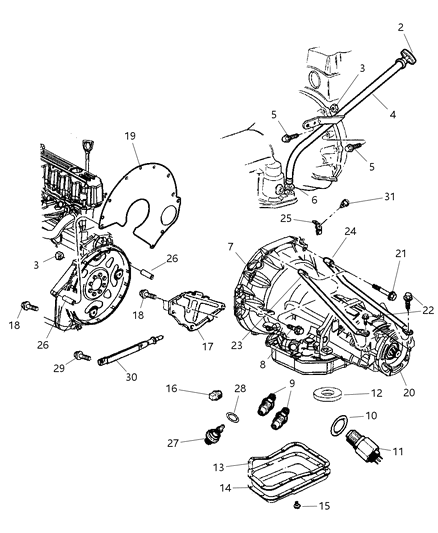
Credit: www.moparpartsgiant.com
Practical Example: Diagnosing A Slipping Transmission
Suppose your Grand Cherokee starts to slip when you accelerate. Here’s what you should do:
- Check the fluid level and color: Low or dirty fluid is often the cause.
- Look for leaks: Fix leaks before refilling fluid.
- Drive gently: Avoid hard acceleration.
- Visit a mechanic: If the problem continues, a professional scan can show if there’s an electronic or mechanical problem.
Catching the issue early can turn a $150 fix into a $3,000 repair if ignored.
Resources For Owners
If you want to learn more or find official recalls and fluid specs, visit the National Highway Traffic Safety Administration. This site offers official information on vehicle recalls, safety ratings, and more.
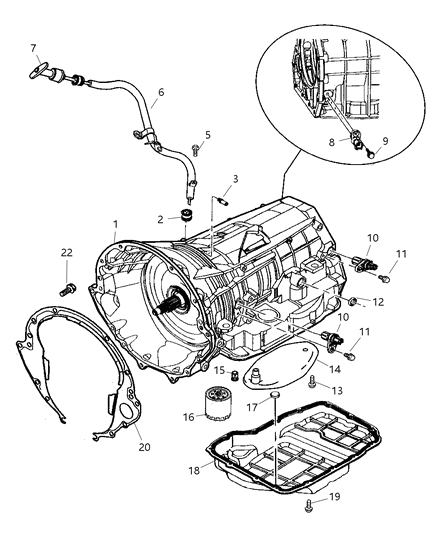
Credit: www.moparpartsgiant.com
Frequently Asked Questions
What Transmission Fluid Does The 1999 Jeep Grand Cherokee Use?
The 1999 Jeep Grand Cherokee uses ATF+4 automatic transmission fluid for both the 42RE and 45RFE transmissions. Always check your owner’s manual to confirm.
How Can I Tell If My Transmission Is Failing?
Look for signs like rough shifting, slipping, strange noises, or fluid leaks. If you notice these, have your vehicle checked by a mechanic as soon as possible.
Can I Drive With A Transmission Problem?
It’s not recommended. Driving with a known issue can cause further damage and increase repair costs. Get it checked right away.
How Much Does It Cost To Rebuild The Transmission?
A typical rebuild for a 1999 Grand Cherokee transmission costs between $1,800 and $3,200, depending on the type and location.
Is It Better To Repair Or Replace The Transmission?
It depends on the damage and cost. Small issues can be repaired. For major failures, a replacement or rebuild may be more reliable, especially if the rest of the vehicle is in good shape.
The transmission in a 1999 Jeep Grand Cherokee is both strong and sensitive. With regular care, the right fluid, and quick attention to problems, it can last for many years. If you’re a new owner, taking a little time to understand and maintain your transmission will help you avoid expensive repairs and enjoy smooth driving.