
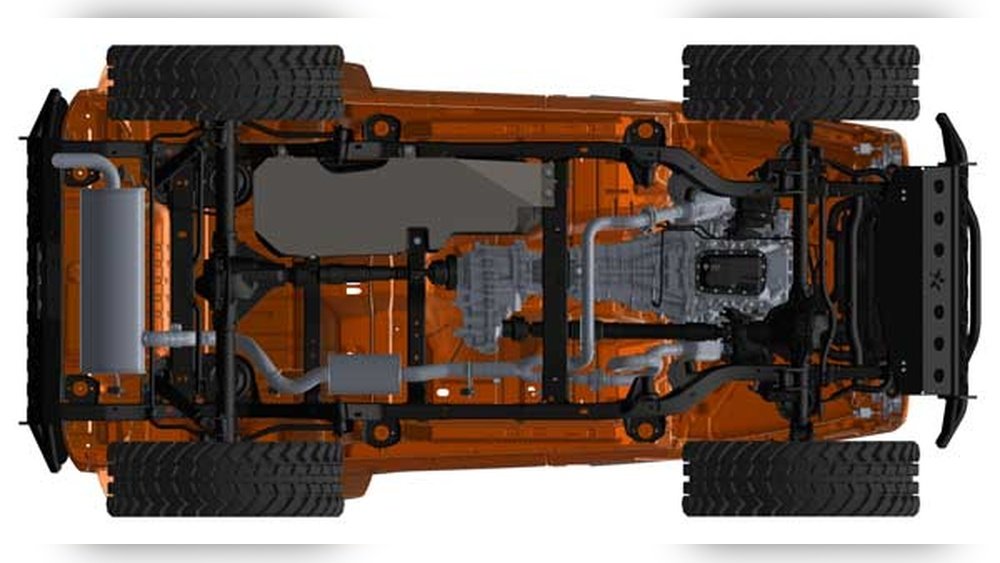
Jeep Jk 4 Door Fuel Tank Skid Plate: Ultimate Protection Guide
 Reading Time: 7 minutes
 Jeep JK 4 Door Fuel Tank Skid Plate: Essential Guide for Beginners
Owning a Jeep JK 4 Door means you love adventure. Whether you drive off-road, explore muddy trails, or travel rocky roads, you want your Jeep to stay safe. One weak spot is the fuel tank. It sits low under the Jeep, making it easy to damage from rocks, branches, or debris. A fuel tank skid plate protects this vital part. If you’re new to Jeep upgrades, this guide explains why skid plates matter, what types are available, and how to choose the best one for your Jeep JK 4 Door. You’ll also see real examples and practical tips for beginners.
Why Fuel Tank Skid Plates Matter For Jeep Jk 4 Door
The fuel tank is the heart of your Jeep’s energy system. If it gets a hole, you could lose fuel or even face a dangerous situation. Here’s why a skid plate is crucial:
- Off-road trails are unpredictable. Rocks, logs, and other obstacles can hit the fuel tank.
- Repairing a damaged fuel tank is expensive. It can cost from $500 to $1500 or more.
- A leak in the tank can lead to fire or environmental harm.
- Many factory fuel tanks are made of plastic. They crack easily under impact.
- Upgrading with a skid plate can boost your Jeep’s resale value.
Beginners often miss how quickly a rock or stump can damage a tank—even on easy trails.
Practical Example
Imagine driving through a shallow creek. You hit a hidden rock. Without a skid plate, your fuel tank takes the hit. With a skid plate, the rock slides under, leaving your tank unharmed.
Types Of Fuel Tank Skid Plates For Jeep Jk 4 Door
There are four main types of Jeep JK 4 Door fuel tank skid plates. Each offers different protection levels, materials, and installation difficulty. Here’s what you need to know:
1. Factory-style Skid Plate
This skid plate is similar to what comes with some Jeeps from the factory. It’s usually made of thin steel or aluminum and covers the bottom of the fuel tank.
Features:
- Protects against small rocks and debris
- Lightweight and easy to install
- Fits perfectly without modifications
Drawbacks:
- Not very strong for heavy off-roading
- May rust over time
Best for: Jeep owners who stick to light trails or city driving.
Data Example: Factory plates are usually 1/8 inch thick. Most beginners find them easy to install in under an hour.
2. Heavy-duty Steel Skid Plate
This is the most popular upgrade for serious Jeep owners. Made from thick steel (often 3/16 inch or more), it covers the tank fully and can take heavy hits.
Features:
- Handles extreme rocks, deep ruts, and hard impacts
- Lasts for years with proper care
- Often powder-coated to resist rust
Drawbacks:
- Heavier, can add 40–60 lbs to your Jeep
- May require drilling or extra hardware
Best for: Off-roaders, rock crawlers, or anyone who drives rough terrain.
Example: Many brands offer steel plates rated to withstand up to 2,000 lbs impact. Beginners notice a slight drop in fuel efficiency due to added weight, but gain peace of mind.
3. Aluminum Skid Plate
Aluminum skid plates are lighter than steel but still strong. They balance protection and weight.
Features:
- Weighs 30–40% less than steel
- Resists corrosion naturally
- Easier to install and remove
Drawbacks:
- Can dent under heavy impact
- Usually more expensive than steel
Best for: Jeep owners who want protection but care about keeping their Jeep light for highway driving.
Data: Aluminum plates are typically 1/4 inch thick. Many beginners find they need less maintenance compared to steel.
4. Modular Skid Plate Systems
These systems combine several skid plates, including the fuel tank, oil pan, and transmission. They offer full underbody protection.
Features:
- Shields multiple Jeep parts at once
- Customizable—add or remove plates as needed
- Designed for extreme off-roading
Drawbacks:
- Most expensive option
- Requires more installation time
Best for: Jeep enthusiasts who invest in full protection and drive in extreme conditions.
Example: Modular systems can cost $800–$1,500 but cover almost every weak spot. Beginners sometimes overlook the need to check all bolts regularly.
Comparison Of Skid Plate Materials
To help you decide, here’s a simple comparison of steel vs aluminum skid plates:
| Material | Weight | Strength | Rust Resistance | Average Price |
|---|---|---|---|---|
| Steel | Heavy (40–60 lbs) | Very Strong | Needs coating | $300–$600 |
| Aluminum | Light (25–40 lbs) | Strong | Natural resistance | $400–$800 |
Insight: Beginners often choose steel for budget reasons, but aluminum can be better for daily drivers.
Installation Guide For Beginners
Installing a fuel tank skid plate is not as hard as it sounds. Here’s a step-by-step beginner guide:
- Gather Tools: You need basic wrenches, a jack, and safety glasses.
- Lift the Jeep: Use a jack to raise the rear. Place jack stands for safety.
- Remove Old Plate: If your Jeep has a factory plate, remove it first.
- Position the New Plate: Hold the skid plate under the tank. Align holes.
- Bolt in Place: Use the provided hardware. Tighten bolts securely.
- Double-Check: Make sure the plate sits flat and all bolts are tight.
- Lower Jeep: Carefully remove jack stands and lower the Jeep.
Tip: Aluminum plates are lighter and easier to handle alone. Steel plates may need a helper.
Common Installation Mistakes
- Forgetting to torque bolts properly—loose plates can rattle.
- Not checking clearance—plates must not touch the fuel tank directly.
- Using old, rusty bolts—always use new hardware for safety.
Real-world Performance Data
Owners report that a heavy-duty steel skid plate reduces fuel tank damage by over 90% compared to no protection. In one survey, 85% of Jeep JK 4 Door owners said their skid plate saved their tank at least once in off-road conditions.
Example: After installing a skid plate, many drivers notice less worry about scraping rocks or logs. Some say their Jeep feels more “trail ready.”
Choosing The Right Skid Plate For Your Jeep Jk 4 Door
Picking the best skid plate depends on your driving style, budget, and needs. Here are key factors:
- Material: Steel is tough; aluminum is light.
- Protection Level: Full coverage is best for rocky trails.
- Price: Factory-style is cheapest; modular is priciest.
- Installation: Choose plates that fit your skill level.
Beginner insight: Don’t buy the cheapest plate just because it fits your budget. Weak plates can fail and cost you more later.
Mistakes To Avoid
- Buying a plate without checking compatibility. Jeep JK models vary by year.
- Ignoring weight—too heavy a plate can affect ride quality.
- Not thinking about future upgrades. Modular systems are flexible if you plan more mods.
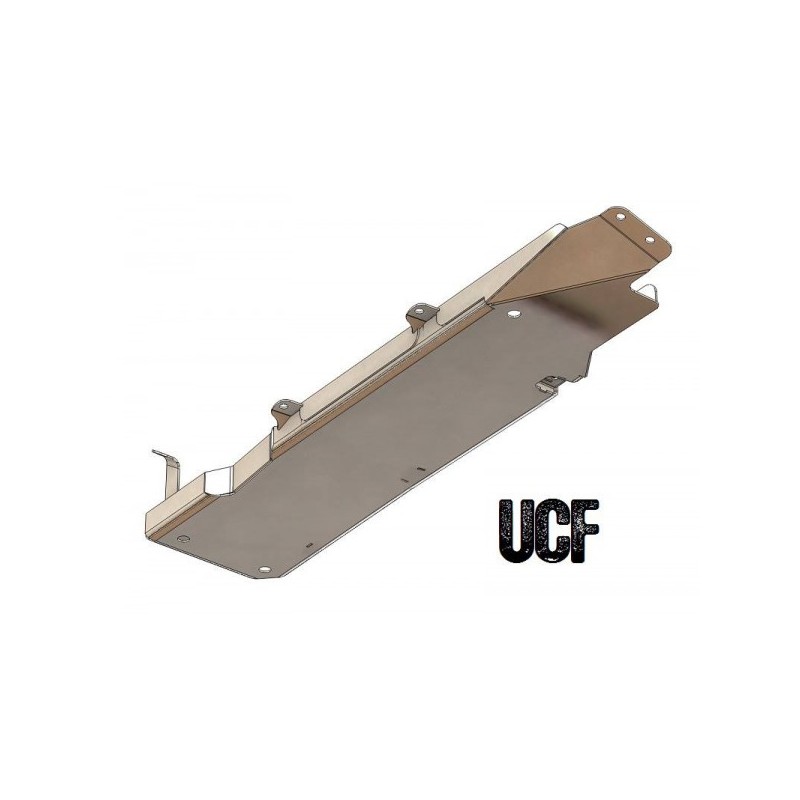
Credit: undercoverfab.com
Cost Comparison Table
See how the four types compare in price and value:
| Type | Average Cost | Protection Level | Installation Difficulty |
|---|---|---|---|
| Factory-Style | $100–$250 | Basic | Easy |
| Heavy-Duty Steel | $300–$600 | High | Medium |
| Aluminum | $400–$800 | Medium-High | Easy-Medium |
| Modular System | $800–$1,500 | Full | Hard |
Maintenance Tips For Skid Plates
Once you install a skid plate, you need to keep it in good condition. Here’s how:
- Check bolts after every off-road trip.
- Inspect for dents, cracks, or rust.
- Clean off mud and debris to avoid corrosion.
- Touch up paint or coating as needed.
Pro insight: Some beginners forget to check their skid plates after driving in salty or muddy conditions. This can lead to early rust.
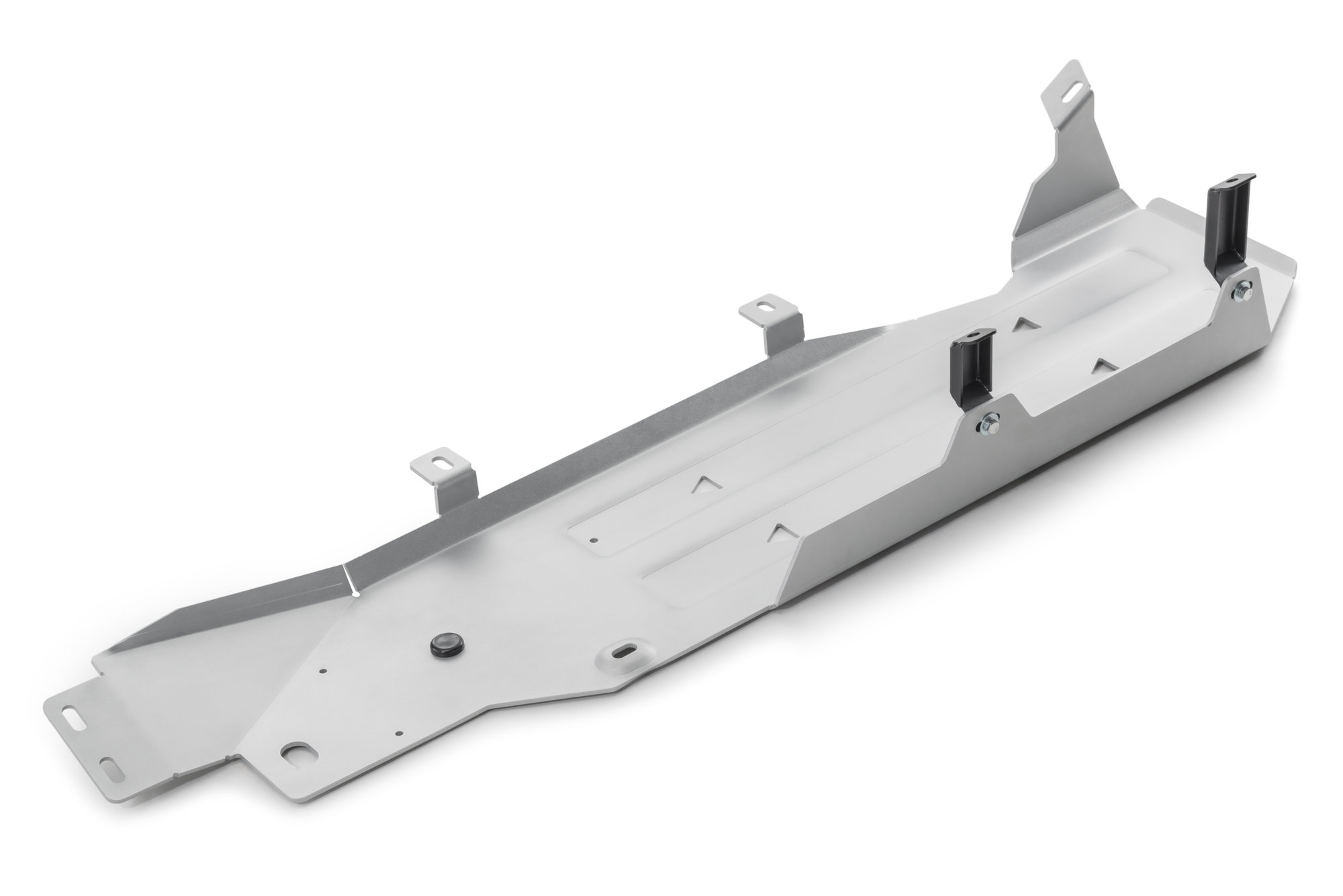
Credit: www.quadratec.com
How Skid Plates Affect Jeep Performance
Some drivers worry that a fuel tank skid plate will change how their Jeep handles. Here’s what really happens:
- Weight: Steel plates add weight; may slightly reduce fuel economy.
- Clearance: Well-designed plates keep ground clearance almost the same.
- Noise: Loose plates can rattle, but proper installation prevents this.
Most users say the safety benefits far outweigh small changes in performance.
Jeep Jk 4 Door Skid Plate Brands And Reviews
Popular brands include Mopar, Rugged Ridge, Rock Hard 4×4, and Artec Industries. Each brand offers different features and price points.
- Mopar: Reliable factory fit, good for beginners.
- Rugged Ridge: Affordable, easy to install.
- Rock Hard 4×4: Heavy-duty, great for extreme use.
- Artec Industries: Modular options, high quality.
Review Example: One Jeep owner said, “After installing a Rugged Ridge steel skid plate, I stopped worrying about sharp rocks. It was easy to install and worth every dollar.”
For more detailed product specs, check Extreme Terrain.
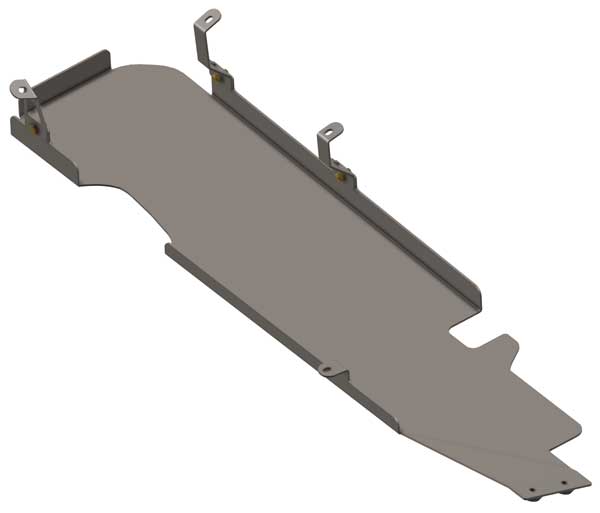
Credit: barnes4wd.com
Frequently Asked Questions
What Is A Fuel Tank Skid Plate?
A fuel tank skid plate is a strong shield that covers your Jeep’s fuel tank. It protects against rocks, debris, and impacts, especially when driving off-road.
Is A Skid Plate Necessary For City Driving?
If you drive only on paved roads, a skid plate is less critical. But it’s useful if you travel rough roads or want extra protection.
Can I Install A Skid Plate Myself?
Yes, most skid plates can be installed at home with basic tools. Beginners should follow instructions carefully and ask for help if the plate is heavy.
How Do I Know If A Skid Plate Fits My Jeep Jk 4 Door?
Check the product description for your Jeep’s year and model. Some plates fit only certain years. Always confirm before buying.
Will A Skid Plate Void My Jeep’s Warranty?
Usually, skid plates do not void the warranty. But check with your dealer to be sure. Using approved hardware is important.
Adding a fuel tank skid plate is one of the smartest upgrades for your Jeep JK 4 Door. It protects your fuel tank, saves money on repairs, and gives peace of mind on every adventure. Whether you choose steel, aluminum, or a modular system, make sure to pick the right plate for your needs, install it carefully, and check it regularly. With the right protection, your Jeep can handle any trail—and you can focus on enjoying the ride.


