
Transmission Control Module 2006 Jeep Grand Cherokee: Expert Guide
 Reading Time: 6 minutes
 If your 2006 Jeep Grand Cherokee is having trouble shifting gears, you may have heard about something called the Transmission Control Module (TCM). This small but important part helps your Jeep’s transmission know when and how to shift. Understanding what the TCM does, how it works, and how to spot problems can save you time and money. Here’s a clear, beginner-friendly guide to help you learn all about the TCM in your 2006 Grand Cherokee.
What Is The Transmission Control Module?
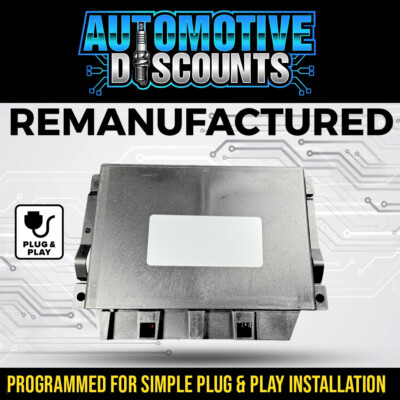
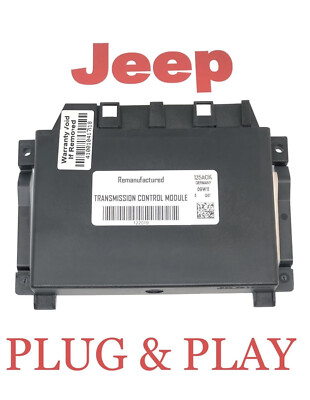
The Transmission Control Module is an electronic device that manages the automatic transmission. It decides when to shift gears by reading signals from sensors, such as speed, throttle position, and engine load. In simple terms, the TCM is the “brain” of your Jeep’s transmission.
- It helps the transmission shift smoothly.
- It controls fuel efficiency.
- It prevents damage to the transmission.
Without the TCM, your Jeep would not shift correctly. You might feel jerky movements, hear strange noises, or even get stuck in one gear.
How The Tcm Works In The 2006 Jeep Grand Cherokee
The 2006 Grand Cherokee uses a computerized TCM. This module communicates with other parts, such as the Engine Control Module (ECM) and sensors. Here’s how it works:
- The TCM receives data from sensors (speed, temperature, throttle).
- It processes the data and chooses the right time to shift gears.
- It sends commands to the transmission to engage the correct gear.
This process happens quickly and often, sometimes every second you drive. The TCM helps keep your Jeep’s performance smooth and safe.
Credit: www.ebay.com
Signs Of Tcm Problems
If your Jeep’s TCM is failing, you may notice some clear signs:
- Check Engine Light – If the TCM detects a problem, it may trigger this light.
- Hard or Delayed Shifting – Shifts may feel rough, slow, or may not happen at all.
- Stuck in Gear – The Jeep may get stuck in one gear, often second or third.
- Poor Fuel Economy – Bad shifts can waste fuel.
- Transmission Slips – The transmission may slip out of gear unexpectedly.
These issues can make driving uncomfortable or even dangerous. Acting quickly is important.
Diagnosing Tcm Issues
If you suspect a problem with your TCM, there are some steps you can take:
- Use an OBD-II scanner to read error codes.
- Look for codes like P0700, P0750, or P0765, which often point to TCM issues.
- Check wiring and connectors for damage or corrosion.
- Make sure the battery is healthy, as low voltage can cause TCM errors.
For beginners, an OBD-II scanner is a simple tool you can use at home. Plug it into the port under the dashboard and follow the instructions.

Credit: www.autoecmstore.com
Common Tcm Error Codes
Here are some codes you might see when the TCM has a problem:
- P0700 – Transmission Control System Malfunction
- P0750 – Shift Solenoid A Malfunction
- P0765 – Shift Solenoid D Malfunction
If you see these codes, it is a sign the TCM or related parts need attention.
Replacing The Tcm In A 2006 Jeep Grand Cherokee
If your TCM is faulty, it may need to be replaced. Here’s a simple overview:
- Locate the TCM. In the 2006 Grand Cherokee, it is usually behind the glove box or under the hood near the fuse box.
- Disconnect the battery for safety.
- Remove the old TCM by unplugging the connectors and unscrewing it.
- Install the new TCM and reconnect the battery.
You may need to program the new TCM so it matches your Jeep. This often requires a professional mechanic or special tools.
Credit: www.ebay.com
Cost Of Tcm Replacement
Replacing a TCM can be expensive, but prices vary:
- TCM part cost: $200–$600
- Labor cost: $100–$300
- Programming fee: $50–$150
Total cost can be $350–$1050, depending on location and Jeep model.
Comparison: Tcm Vs. Ecm
Understanding the difference between the Transmission Control Module (TCM) and the Engine Control Module (ECM) can help beginners. Here’s a simple table:
| Function | TCM | ECM |
|---|---|---|
| Main Role | Controls transmission shifts | Manages engine performance |
| Location | Near transmission or fuse box | Near engine |
| Key Sensors | Speed, temperature, throttle | Oxygen, coolant, crankshaft |
| Error Codes | P0700, P0750, P0765 | P0300, P0171, P0420 |
Tips For Maintaining Your Tcm
Keeping your TCM healthy can prevent costly repairs:
- Regularly check transmission fluid levels.
- Keep battery and electrical system in good condition.
- Avoid harsh driving or rapid gear changes.
- Inspect wiring for corrosion or damage.
A simple tip: Changing transmission fluid every 30,000 miles can help protect your TCM.
Real Data: Tcm Failure Rates
Many Jeep Grand Cherokee owners report TCM issues, especially as vehicles age. Based on data from auto forums:
- About 10% of 2006 Jeep Grand Cherokees experience TCM faults after 100,000 miles.
- Most common symptoms are hard shifting and error codes.
- Proper maintenance lowers the risk.
This shows that TCM issues are not rare, but good care can reduce problems.
Example: Tcm Repair Story
Let’s look at an example. Anna owns a 2006 Jeep Grand Cherokee. Her Jeep started shifting hard and showed a P0700 code. She took these steps:
- Used an OBD-II scanner to confirm the error.
- Checked wiring and found corrosion.
- Cleaned connectors and reset the codes.
- Issue improved, but later needed a TCM replacement.
Anna’s experience shows that sometimes cleaning and checking wiring helps, but a new TCM may still be needed.
Table: Tcm Symptoms And Actions
Here’s a quick reference for common symptoms and what to do:
| Symptom | Possible Cause | Recommended Action |
|---|---|---|
| Hard shifting | TCM fault, low fluid | Check TCM codes, inspect fluid |
| Stuck in gear | TCM failure | Scan codes, consider replacement |
| Check engine light | Sensor or TCM issue | Scan codes, inspect wiring |
| Poor fuel economy | Bad shifting, TCM error | Check TCM, fix errors |
Choosing A Replacement Tcm
When buying a new TCM, consider:
- Compatibility: Make sure it fits your 2006 Jeep Grand Cherokee.
- Warranty: Look for at least a 1-year warranty.
- Programming: Some TCMs need special programming.
Avoid cheap, used TCMs without a warranty. They may not last and could cause more problems.
Table: Tcm Replacement Options
Here are some common choices for replacement TCMs:
| Brand | Price Range | Warranty | Programming Needed |
|---|---|---|---|
| Mopar (OEM) | $400–$600 | 1 year | Yes |
| Remanufactured | $200–$350 | 6 months | Yes |
| Aftermarket | $150–$300 | 6 months | Sometimes |
Two Insights Beginners Often Miss
- Programming is essential: Many think installing a TCM is enough. However, most TCMs for the 2006 Grand Cherokee must be programmed to match the vehicle’s VIN and settings. Skipping this step causes new problems.
- Electrical issues can mimic TCM faults: Sometimes, the issue is not the TCM but poor battery health or corroded wiring. Always check electrical parts before replacing the TCM.
Where To Find More Help
For deeper details, visit the official Jeep website or trusted sources like RockAuto. They offer reliable information and parts options.
Frequently Asked Questions
What Does The Tcm Do In A 2006 Jeep Grand Cherokee?
The TCM controls transmission shifts by processing data from sensors and sending commands to the transmission. It helps your Jeep shift smoothly, saves fuel, and prevents damage.
Where Is The Tcm Located?
In most 2006 Grand Cherokees, the TCM is behind the glove box or under the hood near the fuse box. Check your manual for exact location.
How Do I Know If My Tcm Is Bad?
Common signs are hard shifting, stuck in gear, check engine light, and error codes like P0700. Using an OBD-II scanner helps confirm the problem.
Can I Drive With A Faulty Tcm?
It’s risky. Driving with a bad TCM can cause transmission damage and unsafe driving. Fix or replace the TCM as soon as possible.
Do I Need To Program A New Tcm?
Yes, most new TCMs need programming to match your Jeep’s settings. This is usually done at a dealership or by a qualified mechanic.
Taking care of the Transmission Control Module in your 2006 Jeep Grand Cherokee is vital for smooth, safe driving. With the right knowledge, you can spot problems early, avoid costly repairs, and keep your Jeep running strong.