Why are Jeep Renegades So Cheap: Uncovering the Real Reasons
 Reading Time: 7 minutes
 Why Are Jeep Renegades So Cheap?
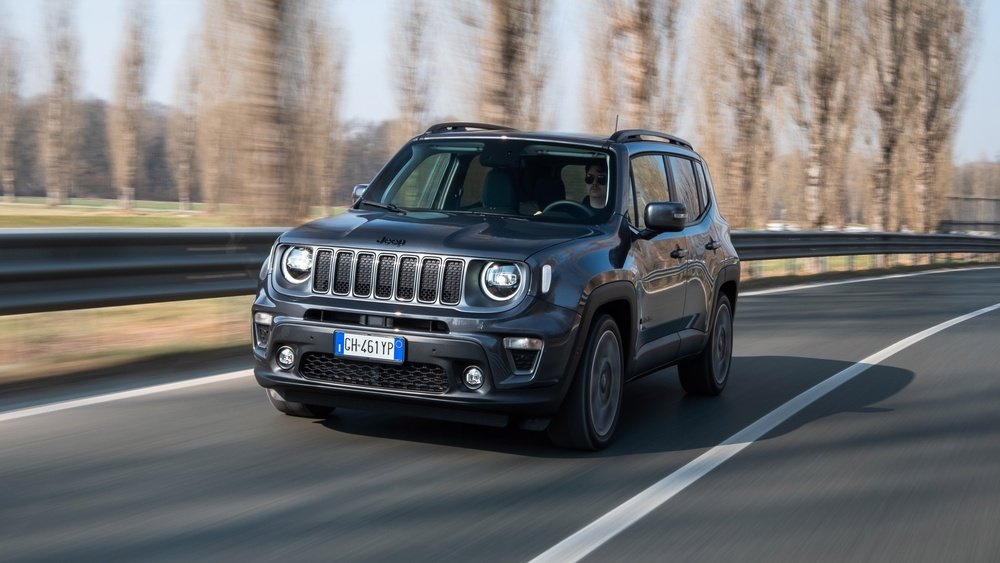
The Jeep Renegade stands out as one of the most affordable SUVs in the market. Many people notice its low price and wonder why it costs less than other vehicles in its class. The answer isn’t simple, but several factors work together to keep the Jeep Renegade cheap. If you’re thinking about buying one or just curious, understanding these reasons can help you make a better decision.
This article breaks down the main reasons for the Renegade’s low price, explains how it compares to competitors, and covers important details that most beginners miss. By the end, you’ll have a clear view of what makes this small SUV so budget-friendly.
Manufacturing Location And Costs
One major reason for the Jeep Renegade’s low price is where and how it’s made. Unlike many classic Jeep models, the Renegade is not built in the United States.
- Produced in Italy and Brazil: The Renegade is mainly manufactured in Italy (Melfi plant) and Brazil. Labor costs in these regions can be lower than in the US, leading to savings.
- Shared Platform: The Renegade shares its basic structure with other vehicles from Fiat Chrysler, like the Fiat 500X. This means the company spends less money on design and parts, passing the savings to buyers.
Cost Comparison Table: Jeep Renegade Vs. Us-made Jeep Models
| Model | Manufacturing Location | Starting Price (USD) |
|---|---|---|
| Jeep Renegade | Italy/Brazil | $24,000 |
| Jeep Wrangler | USA | $32,000 |
| Jeep Grand Cherokee | USA | $41,000 |
Key Insight: Using overseas factories and shared parts lowers production costs, which translates into a lower sticker price for consumers.
Simple Design And Materials
Another reason why Jeep Renegades are affordable lies in their design and the materials used.
- Less Expensive Interior: The Renegade’s cabin uses a lot of hard plastics and simple fabrics. While these materials are durable, they are not as luxurious as those in pricier SUVs.
- Basic Features on Entry Models: The cheapest Renegades come with manual seats, smaller touchscreens, and basic sound systems. Buyers pay more for extra features, but the base price stays low.
Example: Interior Materials
- Hard plastic dashboard instead of soft-touch materials.
- Basic cloth seats instead of leather.
- Manual air conditioning instead of automatic climate control in base trims.
For buyers who want a car that simply gets the job done, these materials are practical. But for those who want a more upscale feel, the Renegade may not satisfy.

Credit: www.thedrive.com
Smaller Size And Engine
The Jeep Renegade is a subcompact SUV, smaller than many rivals. This size influences both the price and the cost of ownership.
- Less Steel and Fewer Parts: Smaller vehicles use fewer raw materials.
- Smaller Engines: Most Renegades come with a 1.3L turbocharged engine or a 2.4L four-cylinder. These engines are cheaper to make and generally cost less to repair.
Jeep Renegade Engine Options Comparison
| Engine | Horsepower | Fuel Economy (mpg) | Typical Cost to Repair |
|---|---|---|---|
| 1.3L Turbo | 177 hp | 24 city / 32 highway | Low |
| 2.4L I4 | 180 hp | 22 city / 30 highway | Low |
Beginner Tip: A smaller engine often means lower insurance and running costs, but less power for towing or fast driving.
Market Position And Target Audience
Jeep positions the Renegade as an entry-level SUV. It’s designed for:
- First-time buyers
- Young drivers
- People needing a city-friendly SUV
Because Jeep wants to attract these buyers, they keep the price low. Other brands, like Honda or Toyota, focus more on families or older buyers who are willing to pay more for premium features.
Jeep also uses special promotions, low-interest financing, and lease deals to make the Renegade even more affordable.

Credit: www.caranddriver.com
Reliability And Depreciation
Some buyers worry about the Renegade’s long-term reliability. This affects both the new and used market prices.
- Reliability Scores: The Renegade often gets average or below-average reliability ratings from sources like J.D. Power and Consumer Reports.
- Depreciation: Because of these concerns, Renegades lose value faster than some rivals. This means used models can be especially cheap.
Depreciation Rate Example
- A new Jeep Renegade can lose up to 40% of its value in the first three years.
- By comparison, a Toyota RAV4 may lose only 30% in the same period.
Practical Insight: If you plan to keep the car for many years, depreciation matters less. But if you want to resell or trade-in soon, be aware of this rapid drop in value.
Competition In The Small Suv Market
The compact SUV market is crowded, with many strong players. To attract buyers, Jeep must keep the Renegade’s price low.
Main Competitors
- Hyundai Kona
- Mazda CX-30
- Chevrolet Trax
- Honda HR-V
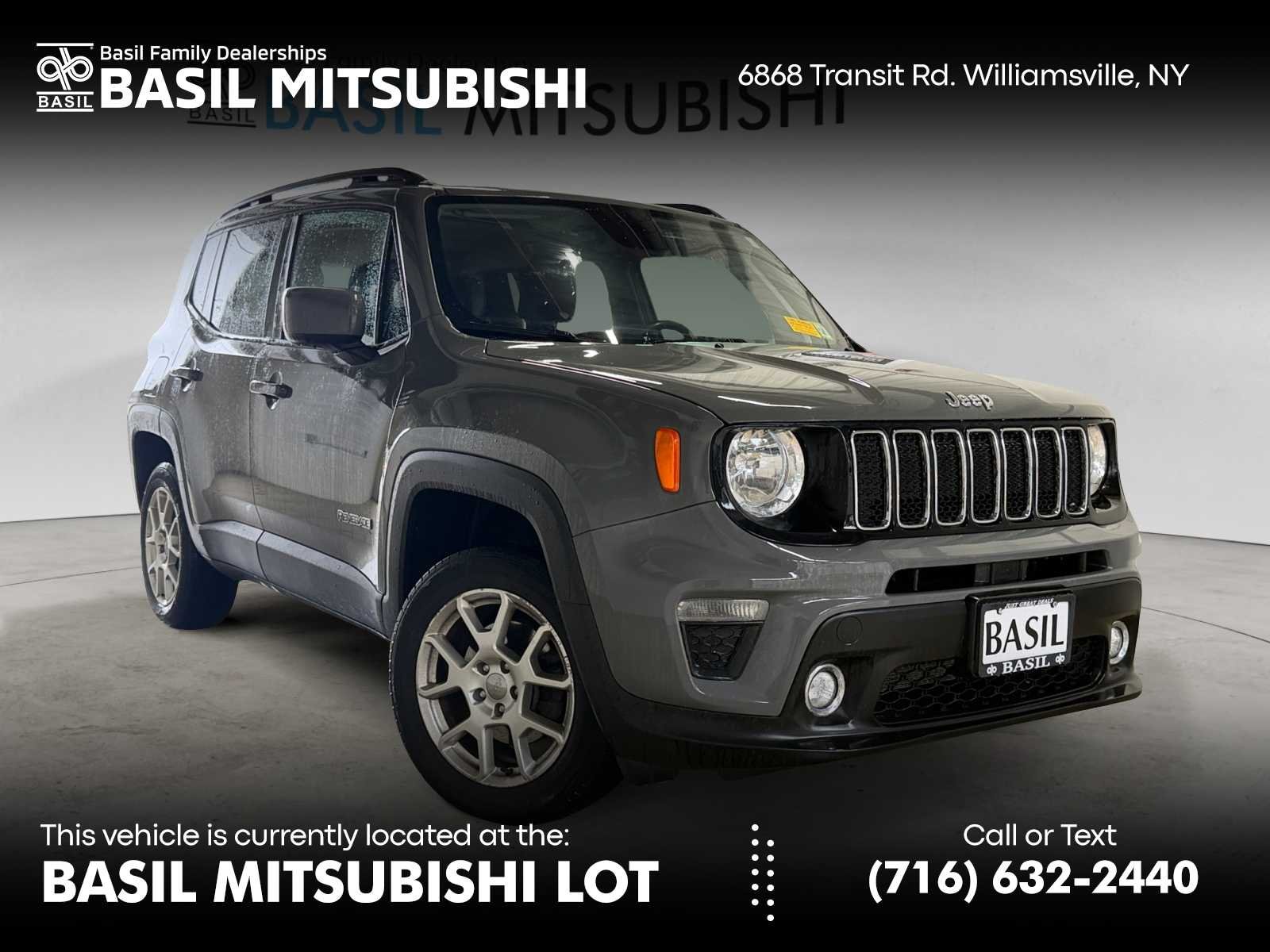
Most of these competitors offer more features or better reliability for a similar or slightly higher price. Jeep uses aggressive pricing to stand out.
Price Comparison: Jeep Renegade Vs. Main Competitors
| Model | Base Price (USD) | Warranty (Years/Miles) |
|---|---|---|
| Jeep Renegade | $24,000 | 3/36,000 |
| Hyundai Kona | $23,475 | 5/60,000 |
| Mazda CX-30 | $24,995 | 3/36,000 |
| Chevrolet Trax | $21,495 | 3/36,000 |
Non-Obvious Insight: Some rivals offer longer warranties or better resale value. Always check these hidden costs, not just the sticker price.
Credit: www.robertbasilcars.com
Technology And Safety Features
The Renegade includes only the basics for technology and safety in the cheaper trims.
- Standard: Rearview camera, basic touchscreen, manual controls.
- Optional: Advanced safety like lane-keeping assist, adaptive cruise control, and blind-spot monitoring cost extra.
Other brands include more standard features, making their cars look like better deals even if the price is a bit higher.
Beginner Mistake: Comparing only the starting price without checking what’s actually included can lead to disappointment later.
Brand Reputation And Perception
Jeep is famous for off-road vehicles like the Wrangler. The Renegade is more of a city car, and some buyers see it as less “authentic” than other Jeeps.
- Not as rugged: The Renegade is not built for heavy off-roading, despite its looks.
- Mixed reviews: Many car experts say the Renegade feels less like a traditional Jeep and more like a regular compact car.
Because of this, people are sometimes willing to pay less for a Renegade than for other Jeep models.
Incentives And Discounts
Jeep and its dealers often offer big discounts and incentives on the Renegade.
- Cash rebates: Direct money off the price.
- Low APR financing: Lower interest rates for buyers.
- Lease specials: Lower monthly payments.
Other Jeep models get fewer discounts, so the final price difference is even greater. You can find current deals on the Jeep official website.
Common Myths About Cheap Pricing
Many people think a cheap Jeep Renegade means bad quality or hidden problems. This isn’t always true.
- Not all are unreliable: Some owners report years of problem-free driving.
- Regular maintenance helps: Following the schedule keeps costs down.
- Not just “for show”: The Renegade can handle light off-road use with the right trim and tires.
Still, it’s important to set realistic expectations. You get what you pay for—don’t expect luxury or heavy-duty performance from a budget SUV.
Who Should (and Shouldn’t) Buy A Jeep Renegade?
The Renegade is a smart choice for some people, but not for everyone.
Good For:
- City drivers who need a small, easy-to-park SUV
- First-time car buyers
- People on a tight budget
- Drivers who like unique styling
Not Great For:
- Buyers needing a lot of cargo space
- Families who want top safety ratings and advanced features
- People who plan to do serious off-roading
Experience-Based Tip: Test drive the Renegade and compare it directly with other small SUVs. Bring a list of must-have features and see which model fits your needs best.
Key Takeaways
- The Jeep Renegade is cheap mainly due to global manufacturing, simple design, and a focus on entry-level buyers.
- Lower reliability ratings and high depreciation keep used prices down.
- Cheaper materials and fewer standard features cut costs, but may not suit everyone.
- Big discounts and incentives make the final price even lower.
- It’s a good buy for budget-minded drivers, but not for those wanting luxury or top reliability.
Frequently Asked Questions
Why Does The Jeep Renegade Have Low Reliability Scores?
The Renegade uses some Fiat-based parts and engines, which have a mixed record for dependability. Electrical issues and transmission glitches are sometimes reported. Regular maintenance can reduce problems, but it’s best to check owner forums and reviews before buying.
Is The Jeep Renegade Expensive To Repair?
Repair costs are usually average or below average for the class. Parts are widely available, and most mechanics can service it. However, certain turbo engines or imported parts may be pricier if they fail.
Does A Cheap Price Mean The Renegade Is Unsafe?
No. The Renegade meets all US safety standards. However, advanced safety features are not standard on base models. If safety is a priority, consider buying a higher trim or a rival with more standard features.
How Does The Renegade Compare To The Honda Hr-v?
The Honda HR-V is known for better reliability and higher resale value. It also has more cargo space. The Renegade offers a unique look and more off-road capability in the Trailhawk trim, but falls short in long-term dependability.
Are Used Jeep Renegades A Good Buy?
Used Renegades can be a bargain due to fast depreciation. Make sure to check service history and get a pre-purchase inspection. Avoid models with a poor maintenance record or obvious signs of neglect.
Choosing a Jeep Renegade is all about balancing price, features, and expectations. By knowing the real reasons behind its low cost, you can decide if it’s the right SUV for your needs.