How Long Does a Jeep Renegade Last? Lifespan & Reliability Guide
 Reading Time: 9 minutes
 If you’re thinking about buying a Jeep Renegade, one big question comes to mind: how long will it last? For most drivers, a car is a big investment. You want to be sure it’s reliable for years—not just the first few. The Jeep Renegade is a popular compact SUV, but opinions about its durability can be confusing. Some owners love their Renegades for over a decade; others face issues much sooner. This guide gives you clear, simple answers, backed by real data, so you can make a smart decision. You’ll also discover what sets the Renegade apart, what to expect as your SUV ages, and how you can get the best from your investment.
Average Lifespan Of A Jeep Renegade
Most well-maintained Jeep Renegades last between 100,000 and 150,000 miles. That’s about 7 to 10 years for an average driver (who drives 12,000 to 15,000 miles per year).
- Many owners report reaching 100,000 miles with few major issues.
- Some models, with excellent care, go beyond 150,000 miles.
- Early models (2015–2017) sometimes see more problems than newer ones.
It’s important to understand that “well-maintained” means more than just changing the oil sometimes. Owners who are strict about service, use good quality fluids, and address problems quickly usually see their Renegades last longer. In contrast, skipping maintenance or using cheap parts can cut the vehicle’s life short.
Here’s a quick comparison of the Jeep Renegade’s mileage lifespan with other small SUVs:
| Model | Expected Lifespan (Miles) |
|---|---|
| Jeep Renegade | 100,000–150,000 |
| Honda HR-V | 150,000–200,000 |
| Ford EcoSport | 100,000–150,000 |
| Mazda CX-3 | 150,000–200,000 |
Key insight: The Renegade’s lifespan is average for its class, but some Japanese brands tend to last longer. For example, Honda and Mazda models are famous for their engines and transmissions going further with fewer issues. Still, for many drivers, the Renegade’s lifespan is enough for a decade of daily use, especially if you don’t drive excessive miles every year.
Factors That Affect Jeep Renegade Longevity
How long your Renegade lasts depends on more than just the model year. Here are the top factors:
1. Maintenance And Service
- Regular oil changes (every 5,000–7,500 miles) are crucial.
- Change the transmission fluid every 60,000 miles.
- Replace air filters and brake pads as recommended.
Skipping these basics often leads to early problems. For example, neglecting oil changes can cause sludge to build up in the engine, leading to expensive repairs. Some owners try to save money by waiting longer between services, but this often backfires and results in higher costs later.
Extra tip: Don’t forget the small things—like windshield wipers and cabin air filters. These may not seem important, but they keep your driving experience safer and more comfortable, and show you’re paying attention to the car’s needs.
2. Driving Habits
- Gentle driving extends life (no sudden stops or hard acceleration).
- City driving (with lots of stops) is harder on the engine than highway miles.
- Frequent towing or off-road use adds extra wear.
If you use your Renegade mainly for highway driving, you’ll likely see fewer issues over time. But if you often drive in heavy traffic, use it for delivery work, or take it off-road, expect more wear and tear. Off-roading, in particular, stresses the suspension and underbody, which can lead to earlier repairs if not checked regularly.
3. Climate And Environment
- Hot, dry climates can wear out rubber parts faster.
- Cold, snowy areas may cause rust if you don’t wash away road salt.
In humid areas, mold or mildew can also build up in the air system if you don’t keep the interior clean. Regular washing, especially during winter, is vital if you live where roads are salted. Owners in coastal regions should pay extra attention to rust prevention as salty air accelerates corrosion.
4. Model Year And Updates
- 2015–2017 models had more reports of transmission and electrical issues.
- 2018 and later models show improved reliability.
When Jeep released newer Renegades, they made updates to address earlier issues. For example, changes in software and better quality parts improved overall reliability. If you’re shopping used, try to focus on later models unless you can confirm early models were well-maintained.
5. Accident And Repair History
- Vehicles with a clean history last longer.
- Poor-quality repairs or hidden damage can shorten lifespan.
Non-obvious tip: Always check a used Renegade’s service records and get a mechanic’s inspection before buying. Even minor accidents, if not fixed right, can cause alignment or electrical problems that shorten the car’s useful life.

Credit: www.motorbiscuit.com
Common Problems That Shorten Renegade Life
No vehicle is perfect. The Jeep Renegade has a few issues that, if ignored, can cause major headaches:
- Transmission issues: Some drivers report rough shifting or failure around 60,000 miles (especially in early models).
- Electrical problems: Dashboard warning lights, radio malfunctions, or battery drain can appear.
- Engine cooling: Overheating sometimes happens due to faulty thermostats or water pumps.
- Suspension wear: Noisy or bumpy rides may signal worn parts.
Early detection and repair can prevent small problems from becoming big ones. For instance, a small coolant leak caught early may cost only a few dollars to fix, but if ignored, could lead to engine overheating and a repair bill in the thousands.
Practical example: Some owners notice their Renegade starts making a “clunking” noise over bumps. This often means worn suspension components. Replacing these parts early can restore ride comfort and prevent further damage to the steering system.
Extra warning: If your dashboard lights flicker or you notice power windows working slowly, check the battery and alternator. Electrical gremlins are common in many Renegades but are often easy to fix if caught early.
How To Make Your Jeep Renegade Last Longer
Want to reach the 150,000-mile mark or beyond? Try these practical steps:
- Follow the owner’s manual: Stick to the recommended maintenance schedule.
- Use quality parts and fluids: Cheap oil or filters can cause trouble.
- Inspect regularly: Check tire pressure, brakes, and fluid levels monthly.
- Fix small issues fast: Don’t ignore warning lights or strange noises.
- Keep it clean: Wash the underbody in winter to prevent rust.
- Drive smoothly: Avoid harsh acceleration and sudden stops.
Here’s a simple maintenance schedule for your reference:
| Task | Frequency |
|---|---|
| Oil & Filter Change | Every 5,000–7,500 miles |
| Tire Rotation | Every 6,000 miles |
| Brake Inspection | Every 10,000 miles |
| Transmission Fluid | Every 60,000 miles |
| Coolant Flush | Every 100,000 miles |
Pro tip: Save all service receipts. This boosts resale value and helps track your car’s health. Potential buyers look for proof the car was cared for, and this can make your Renegade easier to sell for a better price.
Another insight: Consider a yearly full inspection at a trusted mechanic, even if nothing seems wrong. They can spot hidden problems before they become expensive.

Credit: www.ontariochrysler.ca
Jeep Renegade Reliability Compared To Other Suvs
Is the Renegade reliable compared to other compact SUVs? The answer is mixed.
- J.D. Power scores for the Renegade hover around average for reliability.
- Consumer Reports gives newer Renegades a score of 3 out of 5.
- Owners rate the Renegade’s comfort and features highly, but some complain about repairs.
Here’s a look at average annual repair costs:
| Model | Average Yearly Repair Cost |
|---|---|
| Jeep Renegade | $498 |
| Honda HR-V | $301 |
| Ford EcoSport | $415 |
| Mazda CX-3 | $345 |
Insight: While not the cheapest to maintain, the Renegade’s costs are reasonable. Reliability improves with regular care. Compared to European SUVs, the Renegade’s parts are also easier to find and usually cost less.
Extra detail: If you plan to own your car for a long time, consider the total cost of ownership—not just repairs, but insurance, fuel, and taxes. The Renegade’s insurance rates are usually average, and fuel economy is fair for its class.
Signs Your Renegade Is Nearing The End
Even with the best maintenance, all cars wear out. Watch for these signs that your Jeep Renegade may be close to retirement:
- Major engine or transmission failure: Repairs often cost more than the car’s value.
- Constant electrical problems: Frequent battery drains or warning lights signal deeper issues.
- Severe rust or frame damage: Especially in older cars from snowy regions.
- Repeated breakdowns: If you’re calling a tow truck more than twice a year, it’s time to reconsider.
Non-obvious insight: Sometimes, selling your Renegade before a major repair is smarter financially. Depreciation accelerates after 120,000 miles.
If repair costs reach over half the car’s current value, it’s usually better to sell or trade in rather than invest more money. Some owners keep their Renegade as a secondary vehicle, but if you need daily reliability, don’t wait until you’re stranded.
Real-world Owner Experiences
Online forums and owner groups provide useful insights:
- Some drivers report reaching 160,000 miles with few repairs.
- Others faced major issues under 80,000 miles, especially with 2015–2016 models.
- Many owners say 2018 and newer Renegades feel more solid and reliable.
One owner shared: “I followed the maintenance schedule exactly and my 2017 Renegade hit 140,000 miles with only minor repairs.”
Tip: Look for Renegades with full service records and few past owners for the best chances of long life.
Another owner’s story: A 2019 Renegade owner in a cold climate reached 110,000 miles with no major problems by getting the undercarriage washed every week during winter and addressing small repairs quickly.
What beginners miss: Many people focus only on mileage, but the number of previous owners and the climate where the car was used matter just as much. One-owner cars from dry states often last longer than high-mileage cars with several owners and mixed service history.
Is The Jeep Renegade A Good Long-term Buy?
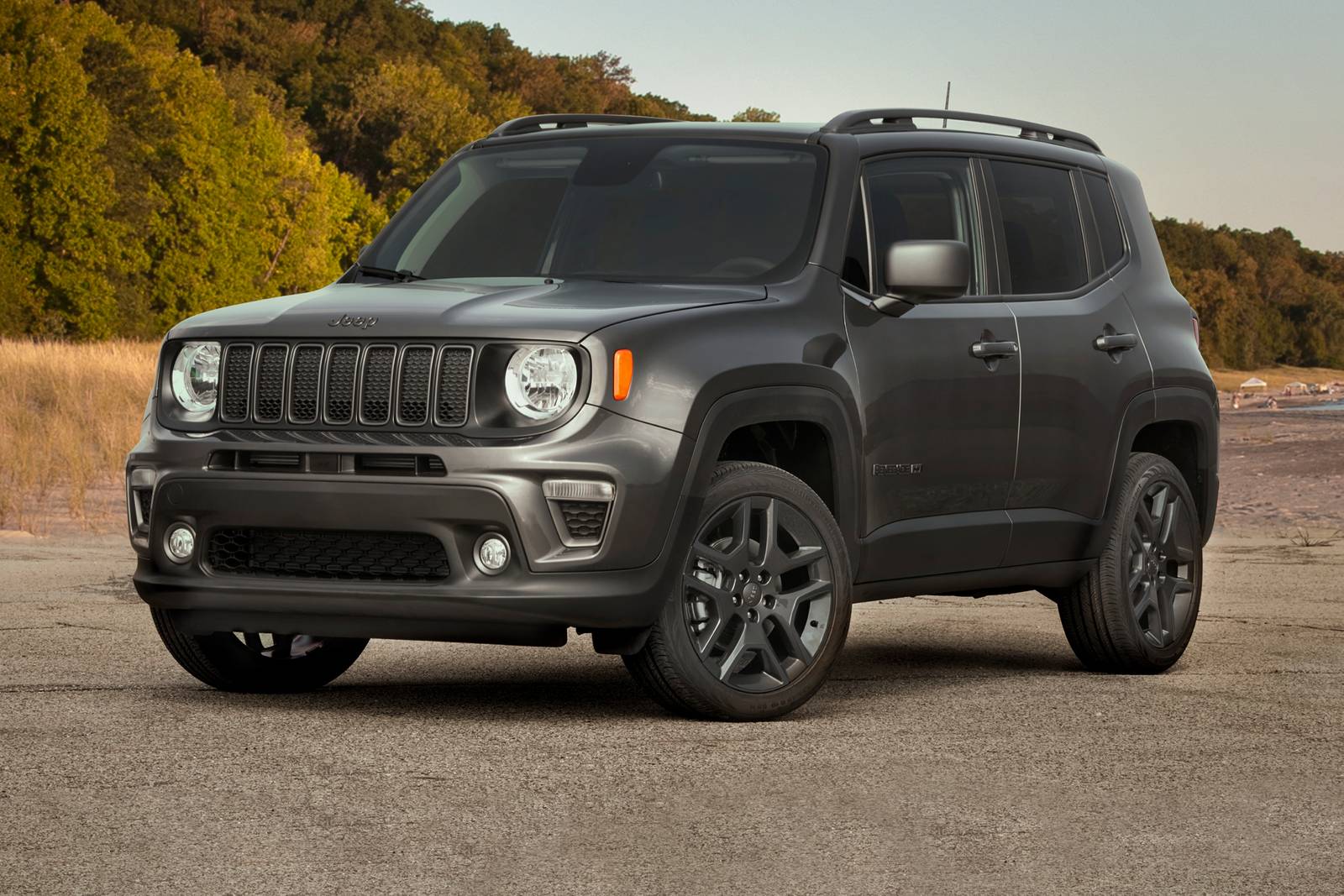
If you want a fun, stylish, and capable city SUV, the Renegade is a solid choice—if you’re ready for average maintenance costs. It may not last as long as top Japanese competitors, but with proper care, it’s dependable for most owners.
Who should consider a Renegade?
- Drivers who value unique style and off-road ability.
- People who keep up with maintenance and drive gently.
- Buyers looking for a used SUV with complete service records.
Who might want to look elsewhere?
- Drivers who want 200,000+ miles with minimal repairs.
- Those who need the lowest possible repair costs.
Practical advice: If you plan to keep your vehicle for a long time, buy the newest, best-maintained Renegade you can afford. Avoid models with gaps in the service history or signs of neglect.
For more about reliability ratings and owner reports, check the official Consumer Reports Jeep Renegade page.
Credit: www.edmunds.com
Frequently Asked Questions
How Many Miles Can A Jeep Renegade Last?
With good maintenance, most Jeep Renegades last 100,000 to 150,000 miles. Some reach 160,000 miles or more, but this is less common. Regular service and gentle driving are key for a longer life.
Are Jeep Renegades Expensive To Maintain?
Yearly maintenance costs are about $498 on average. That’s a bit higher than some rivals but not the most expensive in its class. Costs can rise if you skip recommended services.
What Year Jeep Renegade Is Most Reliable?
2018 and newer Renegades have fewer reported issues. Early models (2015–2017) are known for more transmission and electrical problems. If possible, choose a newer model for the best reliability.
What Are The Most Common Problems With Jeep Renegades?
The most reported problems include transmission issues, electrical faults, and engine cooling troubles. Most issues show up after 60,000 miles, especially if regular maintenance is skipped.
Is The Jeep Renegade Good For Long Road Trips?
Yes, it’s comfortable for road trips, with good cargo space and modern features. Just make sure your Renegade is well-maintained, and check fluids and tires before you go.
Final thoughts: The Jeep Renegade offers a mix of style, city comfort, and off-road potential. With regular care, it lasts as long as most compact SUVs. If you focus on maintenance and gentle driving, you’ll get the most life from your Renegade—possibly more than you expect. Whether you buy new or used, a little attention goes a long way toward keeping your Renegade on the road for years to come.