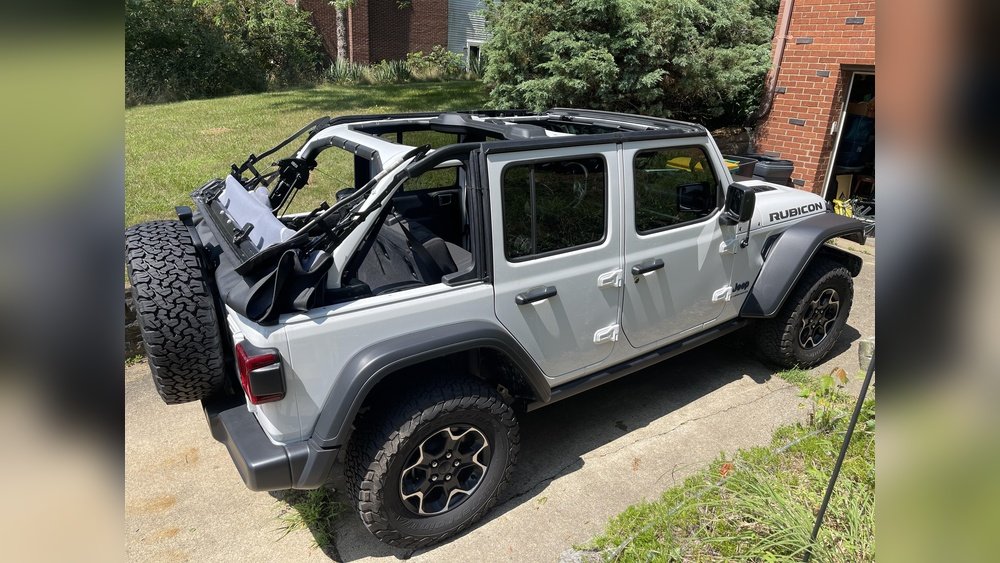
Jeep With Soft Top Down: Ultimate Guide to Open-Air Adventure
 Reading Time: 8 minutes
 If you’ve ever seen a Jeep with the soft top down, you know it’s more than just a style—it’s an experience. Imagine driving along a sunny road with the wind in your hair, the sky above, and the world open around you. That’s what draws so many people to Jeeps with soft tops. Whether you’re new to Jeeps or just curious about the soft top life, this article will break down everything you need to know in simple language.
Why People Love Driving A Jeep With The Soft Top Down
A Jeep with the soft top down offers a unique sense of freedom. It’s not just about looking cool—it’s about feeling connected to nature and your surroundings. Many drivers say the open-air experience is why they chose a Jeep in the first place.
Key reasons people love it:
- Open-air feeling: You’re not just in your vehicle; you’re part of the environment.
- Versatility: You can put the top up or down depending on the weather.
- Adventure-ready: Perfect for road trips, camping, or a quick drive to the beach.
Non-obvious insight: Many Jeep owners report that driving with the top down helps reduce stress and improves mood, especially on scenic routes.
What Is A Jeep Soft Top?
A Jeep soft top is a flexible roof made from materials like vinyl or fabric. It can be folded down or removed to open up the cabin. Unlike hard tops, soft tops are lightweight and easy to operate.
Common materials:
- Vinyl: Affordable and weather-resistant.
- Canvas: Durable and stylish.
- Twill fabric: Premium, with better insulation and noise control.
Example: The Jeep Wrangler is the most popular model with a soft top. Most Wrangler trims offer both soft and hard top options.

Credit: www.youtube.com
Types Of Jeep Soft Tops
Not all soft tops are the same. Here’s a breakdown of the main types you’ll find:
| Type | Operation | Pros | Cons |
|---|---|---|---|
| Full Soft Top | Removable or foldable | Complete weather protection | More steps to remove |
| Bikini Top | Covers only front seats | Maximum airflow | Less weather protection |
| Sunrider Top | Partial opening | Quick open/close | Not fully open |
Non-obvious insight: Sunrider tops are popular for commuters who want a quick way to enjoy the sun without removing the entire top.
How To Lower And Raise A Jeep Soft Top
Lowering or raising the soft top is simpler than many think, but each model can have small differences. Here’s a beginner-friendly guide:
- Release the latches at the windshield. Most Jeeps have two latches you need to flip open.
- Fold back the sunrider portion (if equipped) for a partially open roof.
- Unzip or unclip windows. For full opening, remove rear and side windows first. Store them flat to avoid creasing.
- Fold the soft top back. Use both hands to avoid pinching the fabric.
- To close, just reverse the steps.
Practical tip: Always check that the fabric is dry before folding, to prevent mildew.
Common mistake: Beginners often force the frame or forget to remove the windows first, leading to damage.
Weather Considerations And Safety
Driving with the soft top down is best in good weather. But what should you do if it starts raining?
- Quick-close features: Many soft tops can be closed in a few minutes.
- Keep a towel or cover in your Jeep for sudden showers.
- Store small valuables in waterproof bags—soft tops are less secure than hard tops.
Example: During summer, afternoon storms can come fast. Practice closing your top quickly in your driveway first.
Safety tip: Always wear seatbelts. With the top down, loose items can blow out of the vehicle.
Comfort And Noise
A soft top gives an open feel, but it also means more noise, wind, and temperature changes. Here’s what to expect:
- Noise level: Louder than a hard top, especially at highway speeds.
- Temperature: Cabin heats up faster in the sun and cools quickly at night.
- Wind: Passengers in the back may feel more wind than those in front.
Data point: According to Jeep forums, soft tops increase interior noise by 3-5 decibels compared to hard tops at 60 mph.
Tip: Upgrading to a premium twill fabric can make the ride quieter and more comfortable.
Maintenance And Care
Taking care of your Jeep soft top will make it last longer and look better. Here are the essentials:
- Wash with mild soap and water—avoid harsh chemicals.
- Use a soft brush to clean dirt and sand.
- Lubricate zippers with silicone spray to prevent sticking.
- Store windows flat to avoid creases or scratches.
Common mistake: Using a pressure washer can damage seams and zippers.
Example: Many owners clean their tops monthly during spring and summer, when dust and pollen are common.
Security Tips For Soft Top Jeeps
A Jeep with a soft top down is less secure than a hardtop SUV. Here’s how to protect your things:
- Don’t leave valuables visible.
- Install a locking glove box or center console for small items.
- Use a cable lock for larger gear.
- Park in safe, visible areas.
Non-obvious insight: Insurance for soft top Jeeps may be slightly higher due to theft risk. Check with your provider for coverage details.
Best Situations For Soft Top Down Driving
Not every day is perfect for the soft top down. Here are the best scenarios:
- Sunny, warm days: Enjoy the open air without getting too hot or cold.
- Scenic drives: National parks, coastal roads, and mountain trails are favorites.
- Short trips: Easy to put the top down for quick errands or weekend outings.
Example: The Pacific Coast Highway in California is a classic route for Jeeps with the top down.
Jeep Models That Offer Soft Tops
Most people think of the Wrangler, but several Jeep models offer soft tops. Here’s a quick comparison:
| Model | Soft Top Option | Price Range (2024) | Seats |
|---|---|---|---|
| Wrangler | Yes (standard or optional) | $32,000 – $60,000 | 4-5 |
| Gladiator | Yes (optional) | $39,000 – $55,000 | 5 |
| Wrangler 4xe | Yes (optional) | $50,000 – $68,000 | 5 |
Note: The Jeep Wrangler is the only model where soft tops are standard on most trims.

Credit: www.reddit.com
Pros And Cons Of A Jeep With The Soft Top Down
Every choice has trade-offs. Here’s a practical look at the advantages and disadvantages.
Pros
- Open-air driving: Great for enjoying the outdoors.
- Easy to switch: Quick to lower or raise the top.
- Lightweight: Helps with fuel efficiency.
- Stylish look: Iconic Jeep appearance.
Cons
- Noise: Louder than hard tops.
- Security: Easier for thieves to break in.
- Less insulation: Hotter in summer, colder in winter.
- Maintenance: Needs regular cleaning and care.
Tip: Many owners keep both a soft top and a hard top, swapping them as the seasons change.
How To Choose The Right Soft Top For Your Jeep
If you’re buying your first Jeep or upgrading your top, focus on these factors:
- Material: Twill for quiet, vinyl for budget.
- Ease of use: Sunrider and fastback styles are quicker to open.
- Weather needs: Full tops for all-season, bikini tops for summer only.
- Brand reputation: Stick with trusted brands like Mopar or Bestop.
Example: If you drive year-round in cold climates, consider a dual top group—both soft and hard tops included.
Cost Of Owning And Maintaining A Soft Top Jeep
Owning a soft top Jeep isn’t just about the purchase price. Here’s what to expect:
| Expense | Approximate Cost (per year) | Notes |
|---|---|---|
| Soft Top Replacement | $400 – $1,200 | Every 3-5 years |
| Cleaning Products | $30 – $60 | Soap, protectant, brushes |
| Insurance Premium | +5-10% vs hard top | Varies by provider |
Tip: Regular cleaning and proper storage can double the life of your soft top.
Real-world Stories: What Owners Say
Maria, 32, California: “I love taking my Wrangler out with the top down on weekends. It changes how I see my city and helps me relax.”
James, 45, Texas: “The first time I tried putting the top down, I struggled. Now it takes me two minutes. Practice makes it easy!”
Ashley, 28, Colorado: “I keep a towel in my Jeep at all times. Summer storms pop up fast, but I never worry.”
Non-obvious insight: Many Jeep groups organize ‘top-down’ events where owners share tips and help each other with setup.
Credit: www.reddit.com
Environmental Impact
Soft tops are lighter, so they can help with fuel efficiency compared to heavier hard tops. However, the materials (like vinyl) are less eco-friendly to produce and recycle.
- Driving with the top down increases wind resistance, which can lower fuel economy by 1-2 mpg at highway speeds.
- Tip: Use the top down mainly at lower speeds or in the city to save gas.
For more on Jeep history and models, you can visit the official Jeep Wrangler Wikipedia page.
Frequently Asked Questions
How Fast Can I Drive With The Soft Top Down?
Most Jeep models are safe to drive at highway speeds with the top down, but wind noise and turbulence increase above 50 mph. Always secure loose items, and check your owner’s manual for specific speed recommendations.
Can I Take A Soft Top Jeep Through A Car Wash?
It’s best to avoid automatic car washes. The high-pressure water and brushes can damage the fabric or zippers. Hand washing is safer and extends the life of your soft top.
How Do I Prevent Leaks In My Soft Top?
Regularly check the seals and zippers for wear. Clean them and apply silicone protectant. Replace worn seals promptly—most leaks come from neglected seals, not the fabric itself.
Is A Soft Top Jeep Good For Winter?
A soft top offers less insulation than a hard top. In cold climates, you’ll notice more drafts and lower cabin warmth. Some drivers switch to a hard top for winter or use a heater more often.
How Long Does A Jeep Soft Top Last?
With proper care, a quality soft top lasts 3-5 years. Harsh sun, extreme cold, or neglect can shorten its life. Cleaning, lubricating zippers, and storing windows flat will help maximize durability.
Driving a Jeep with the soft top down is a unique way to enjoy the road and the outdoors. With the right knowledge, you can make the most of every ride, keep your Jeep in great shape, and avoid common beginner mistakes. Whether you’re cruising a scenic highway or exploring city streets, the open-air Jeep lifestyle offers a freedom you won’t find anywhere else.