2014 Jeep Compass Transmission Fluid: Change & Maintenance Guide
 Reading Time: 10 minutes
 When you own a 2014 Jeep Compass, keeping your transmission healthy is vital for smooth driving. The transmission fluid is a key part that helps your vehicle shift gears properly. Many drivers don’t realize how important this fluid is, or how small mistakes can lead to costly repairs. If you’re new to car maintenance or just want clear, simple advice, this guide will help you understand everything about 2014 Jeep Compass transmission fluid. Let’s break down the basics, best practices, and common problems so your Jeep stays reliable.
Why Transmission Fluid Matters
The transmission fluid in your Jeep Compass does more than just lubricate moving parts. It helps:
- Cool the transmission
- Reduce friction and wear
- Clean internal components
- Enable smooth gear shifts
If your fluid level is low or the fluid is dirty, your Jeep may struggle to change gears, overheat, or even suffer major damage. For beginners, think of transmission fluid as the lifeblood of your vehicle’s gearbox.
Transmission fluid also acts as a hydraulic fluid. This means it helps to move parts inside the transmission, making every shift smooth and precise. In hot weather or when you drive in traffic, the fluid works even harder. If the fluid breaks down, the transmission can slip or jerk, which often leads to bigger problems.
Many new owners don’t realize that transmission repairs are some of the most expensive fixes on any vehicle, often costing thousands of dollars. That’s why understanding and caring for your fluid is a smart way to protect your investment.
What Type Of Transmission Fluid Does A 2014 Jeep Compass Use?
Choosing the right fluid is crucial. The 2014 Jeep Compass comes with two main transmission types:
- CVT (Continuously Variable Transmission)
- Automatic (6-speed)
Each requires a specific fluid. Using the wrong type can cause shifting issues or damage.
Cvt Transmission Fluid
- Jeep recommends CVT+4 fluid for its CVT models.
- This is a synthetic fluid designed for continuous shifting.
CVT+4 fluid is engineered to handle the unique design of a CVT, which uses belts and pulleys instead of traditional gears. It needs to keep these parts cool and clean, especially since CVTs can get hotter than regular automatics. Using a regular ATF or a cheaper substitute can cause the belt to slip, which may lead to total transmission failure.
Automatic Transmission Fluid
- The 6-speed automatic uses ATF+4 fluid.
- ATF+4 is also synthetic and suited for standard automatics.
ATF+4 is formulated to protect the clutches, bands, and valves in a traditional automatic. It resists breaking down in high heat and keeps the transmission running quietly. Many auto parts stores sell “universal” fluids, but for your Jeep, it’s safest to stick with what Jeep recommends.
Always check your owner’s manual to confirm which fluid your Jeep needs. Using aftermarket fluids not approved by Jeep can void your warranty. Sometimes, shops offer to “upgrade” your fluid, but unless it’s Jeep-approved, it’s not worth the risk. The wrong fluid can cause shuddering, slipping, or early wear.
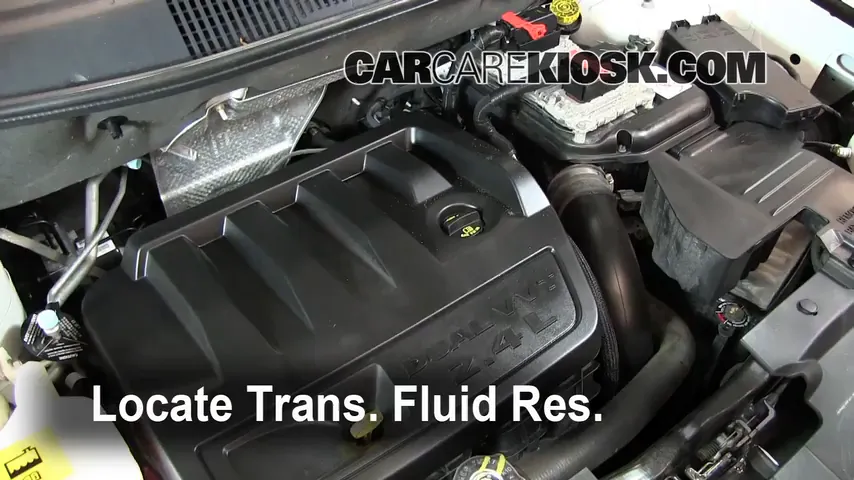
Credit: www.carcarekiosk.com
How Much Transmission Fluid Does A 2014 Jeep Compass Need?
Fluid capacity depends on your Jeep’s transmission:
| Transmission Type | Fluid Capacity (quarts) |
|---|---|
| CVT | ~7.5 quarts |
| 6-speed Automatic | ~5.3 quarts |
When changing fluid, you usually replace less than the full amount because some stays in the transmission. A typical drain-and-fill replaces about 50-60% of the total fluid.
If you do a simple drain and refill, expect to use about 3–4 quarts for the automatic and 4–5 quarts for the CVT. If the transmission is being rebuilt or fully flushed, the shop will use the full listed capacity.
Always have a little extra fluid on hand, as you may need to top off after warming up and rechecking the level.
How Often Should You Change Transmission Fluid?
Most manufacturers recommend:
- CVT: Every 60,000 miles or 5 years
- Automatic: Every 60,000 miles or 5 years
Some mechanics suggest shorter intervals if you drive in tough conditions (hot climate, towing, stop-and-go traffic). Don’t ignore this schedule—old fluid risks transmission failure.
If you often drive in severe conditions, such as dusty areas, steep hills, or heavy city traffic, consider changing the fluid every 40,000 miles. Even if you don’t reach the mileage, fluid ages due to heat and chemical breakdown. Owners who wait too long often notice rougher shifts, which is a sign that the fluid’s additives are wearing out.
Transmission fluid is not “lifetime” in any Jeep, no matter what you hear.
Signs Your Transmission Fluid Needs Attention
Many beginners miss early warning signs. Watch for:
- Slipping gears (Jeep can’t stay in gear)
- Delayed shifting
- Grinding or whining noises
- Burning smell
- Fluid leaking under your car
If you see any of these, check your fluid right away. Catching problems early saves money.
Another overlooked sign is “flaring,” where the RPMs rise but the vehicle doesn’t accelerate as quickly as it should. Also, pay attention to warning lights on your dashboard, like the transmission temperature light. Even a small spot of red or pink fluid under your car can mean there’s a leak—a common problem as vehicles age.
Fixing a leak early is much cheaper than fixing a damaged transmission.
How To Check Transmission Fluid In A 2014 Jeep Compass
Checking transmission fluid isn’t hard, but each transmission is a bit different.
Cvt Models
- No traditional dipstick; fluid level checked through a fill plug.
- Usually needs a mechanic, but you can look for leaks or unusual sounds.
If you want to check at home, look underneath for wet spots around the transmission case. If you hear whining or buzzing, or if the Jeep seems weak when accelerating, have the fluid checked soon.
Automatic Models
- Has a dipstick under the hood.
- Check fluid when engine is warm and running.
- Pull out the dipstick, wipe clean, reinsert, then check the level.
- Fluid should be pink/red and smell clean.
If fluid is dark or smells burnt, it’s time to change it.
Some automatic models have a “sealed” transmission, but most 2014 Jeep Compass automatics have a dipstick. Always park on level ground, and don’t confuse the transmission dipstick with the engine oil dipstick. If the fluid is foamy, it may be overfilled or have water in it—both are serious issues.
How To Change Transmission Fluid: Step-by-step
Beginners can do a basic drain-and-fill, but a full flush is best left to professionals. Here’s a simple drain-and-fill method:
- Gather supplies: ATF+4 or CVT+4 fluid, drain pan, socket wrench, funnel, gloves.
- Warm up the engine: Run for 10 minutes to circulate fluid.
- Lift the vehicle: Use a jack and jack stands for safety.
- Locate the drain plug: Under the transmission pan.
- Remove the plug: Let fluid drain into the pan.
- Replace the plug: Tighten securely.
- Add fresh fluid: Use the funnel to fill through the dipstick tube (automatic) or fill plug (CVT).
- Check level: Start engine, shift through gears, then recheck fluid.
Always dispose of old fluid responsibly. Many auto shops accept used fluid.
If you change the filter (recommended every other change), you’ll need to remove the transmission pan. This may require a new pan gasket. A simple tip: take a picture before removing anything, so you can put it back the same way. Never overtighten bolts, as it can crack the pan or strip threads.
Common Beginner Mistakes
New Jeep owners often make simple mistakes:
- Using wrong fluid type
- Overfilling or underfilling
- Forgetting to change fluid
- Ignoring leaks
- Not tightening drain plugs fully
These mistakes can cause shifting issues or even transmission failure. Always double-check your steps and fluid type.
Another common error is not cycling through all gears after refilling the fluid. You should move the shifter through every gear (with your foot on the brake) to distribute the new fluid throughout the system. Beginners sometimes rely only on the color of the fluid, but remember, fluid can look clean and still be worn out if it’s old.
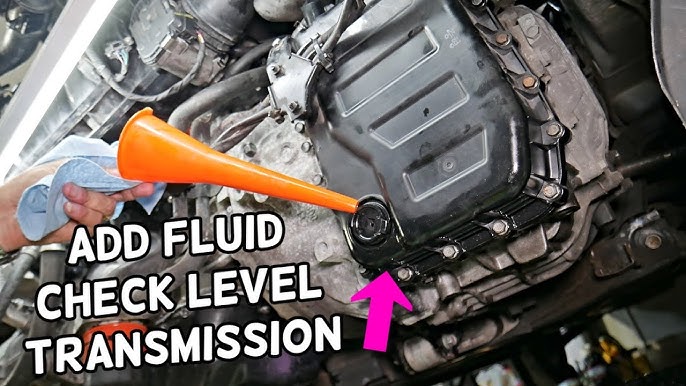
Credit: www.youtube.com
Transmission Fluid Change Costs
Changing transmission fluid isn’t expensive:
| Service Type | Estimated Cost |
|---|---|
| DIY Drain-and-Fill | $40–$80 (fluid + supplies) |
| Professional Shop | $120–$250 |
A full flush costs more but removes all old fluid. For most beginners, a drain-and-fill is enough unless fluid is very dirty.
If the fluid is black, gritty, or smells burnt, it’s best to have a shop do a full flush and filter change. In some areas, you may find shops that offer “transmission service specials,” but always ask if they use the correct Jeep-approved fluid.
Saving $20 isn’t worth risking your transmission.
Choosing The Best Transmission Fluid Brand
Many brands sell fluid for the Compass. Stick to Mopar (Jeep’s official brand) for best results. Other trusted brands:
- Valvoline
- Castrol
- Mobil 1
Avoid cheap, generic fluids. Quality matters for transmission life.
If you’re buying fluid yourself, check the bottle for the “ATF+4” or “CVT+4” approval. Brands like Valvoline and Castrol often note “meets or exceeds Jeep requirements” on the label. Mopar fluid is a little more expensive, but it’s designed to match your Jeep’s needs.
Generic fluids can break down faster, especially in hot climates or if you tow.
Practical Tips For Keeping Your Transmission Healthy
- Check fluid regularly
- Change fluid before it looks dirty
- Watch for leaks under your Jeep
- Don’t use aftermarket additives unless recommended
- Drive gently—avoid sudden stops and heavy towing
Preventive care is always cheaper than repairs.
Another good habit is to let your Jeep warm up for a minute or two in cold weather before driving. This helps the fluid reach the right temperature and flow properly. If you notice any new noises, don’t ignore them—catching a small problem early can prevent a much bigger repair later.
Example: Real-life Fluid Change
Sarah owns a 2014 Jeep Compass with a CVT. She noticed her Jeep was slow to shift and made whining sounds. Checking her manual, she found she needed CVT+4 fluid. She took her Jeep to a trusted shop, where they drained the old fluid, replaced the filter, and added 7 quarts of fresh CVT+4.
The shifting improved, and the noises stopped. This simple maintenance saved Sarah from a $3,000 transmission repair.
Many owners have similar stories. Some notice their fuel economy improves and the engine runs quieter after a fluid change. It’s a simple step that keeps your Jeep dependable for years. If you buy a used Compass, always ask when the fluid was last changed—it’s a good idea to start fresh if you don’t know.
Comparing Cvt Vs. Automatic Fluid Needs
Let’s compare the two transmission types:
| Feature | CVT | Automatic |
|---|---|---|
| Fluid Type | CVT+4 | ATF+4 |
| Capacity | 7.5 quarts | 5.3 quarts |
| Dipstick? | No | Yes |
| Change Interval | 60,000 miles | 60,000 miles |
CVT fluid is harder to check and change, so many owners prefer a professional shop.
It’s also important to know that CVTs are more sensitive to fluid condition than automatics. Even a small amount of wrong or old fluid can cause problems. Automatic transmissions are a little more forgiving but still need the right fluid and change schedule.
Non-obvious Insights Beginners Miss
- Transmission fluid can degrade even if you don’t drive much. It ages over time, so change it at least every 5 years.
- Fluid color isn’t always enough. Some contaminants don’t change color, so check for odd smells or shifting issues too.
Another point: many people think if their Jeep shifts fine, the fluid must be okay. But trouble often starts slowly—by the time you feel a problem, damage may already have begun. Also, using a transmission additive without checking Jeep’s recommendations can cause more harm than good.
Credit: www.carcarekiosk.com
External Resource
For more details, see the official Jeep maintenance schedule at Jeep Care Maintenance.
Frequently Asked Questions
How Do I Know If My 2014 Jeep Compass Has A Cvt Or Automatic Transmission?
Check your owner’s manual or look at your gear selector. CVT models usually have “PRND” with no numbers. Automatic models may show “PRND321. ”
You can also look under the hood for a label or ask a dealer to check your VIN. The transmission type affects not just fluid, but also driving feel and maintenance costs.
Can I Mix Old And New Transmission Fluid?
It’s best not to mix. While a drain-and-fill leaves some old fluid, always use the same approved type. Mixing fluids can cause shifting problems.
If you’re not sure what’s in your Jeep, have a shop do a full flush and refill with the correct fluid. This prevents issues caused by incompatible additives or viscosity.
What Happens If I Overfill Transmission Fluid?
Overfilling can cause foaming, poor shifting, and leaks. Remove excess fluid with a siphon or let a mechanic fix it.
Too much fluid can also cause the transmission to overheat. Always check the level carefully, and add fluid slowly.
Is It Safe To Drive With Dirty Transmission Fluid?
No. Dirty fluid causes wear and overheating. Your Jeep may shift poorly or break down. Change fluid as soon as possible.
If you’re unsure, it’s better to change the fluid a little early than wait too long. Regular maintenance keeps your Jeep dependable.
Can I Use Atf+4 In A Cvt Jeep Compass?
Never use ATF+4 in a CVT transmission. Always use CVT+4 for CVT models. Using the wrong fluid can ruin your transmission.
If you’re unsure about which fluid to use, call your Jeep dealer or a trusted shop. It’s much cheaper to ask than to repair a damaged transmission.
Maintaining the right transmission fluid in your 2014 Jeep Compass keeps your vehicle reliable and smooth. With regular checks and proper fluid changes, you’ll avoid costly repairs and enjoy safer driving. A little care goes a long way—especially for beginners.