Jeep Jk Transmission Oil Change: Step-by-Step DIY Guide
 Reading Time: 8 minutes
 Jeep Jk Transmission Oil Change: The Complete Beginner’s Guide
Changing the transmission oil in your Jeep JK is one of the smartest ways to keep your vehicle running smoothly for years. Many owners delay this basic maintenance, but clean transmission oil can make a big difference. This guide will help you understand the process, why it matters, and how to do it yourself, even if you’re a beginner.
Why Transmission Oil Matters For Your Jeep Jk
The transmission is one of the most important parts of your Jeep JK. It helps transfer power from the engine to the wheels, so your Jeep can move forward or backward. The oil (sometimes called fluid) inside keeps all the moving parts cool and lubricated.
If the transmission oil gets dirty or low, you may notice:
- Delayed or rough shifting
- Unusual noises
- Slipping gears
- Reduced fuel efficiency
Neglecting transmission oil changes can lead to expensive repairs. For example, a transmission rebuild can easily cost over $2,000–$3,500.
How Often To Change Jeep Jk Transmission Oil
Jeep recommends changing the transmission oil in most JK models every 30,000–60,000 miles. However, if you tow heavy loads, drive off-road, or live in a hot climate, more frequent changes are smart—sometimes every 20,000 miles.
Many owners forget this service because transmission oil lasts much longer than engine oil. Still, sticking to a schedule can extend your transmission’s life and keep your Jeep JK performing at its best.

Credit: www.blauparts.com
Types Of Transmission: Automatic Vs Manual
Your Jeep JK can have an automatic or manual transmission. The process and the fluid type are different for each.
Automatic Transmission
- Uses ATF+4 fluid (check your owner’s manual to confirm)
- Requires a pan drop or sometimes a drain plug
- More sensitive to fluid condition
Manual Transmission
- Uses Mopar Manual Transmission Lubricant or a high-quality synthetic 75W-85 gear oil
- Usually has drain and fill plugs for easier service
Always verify the correct fluid type for your year and model. Using the wrong oil can damage your transmission.
Tools And Supplies You’ll Need
Before starting, gather these items:
- Correct transmission fluid (usually 4–6 quarts for automatic, 2–3 quarts for manual)
- Socket set and ratchet
- Fluid catch pan
- Funnel and hose (long enough to reach fill plug)
- Jack and jack stands or ramps
- Gloves and safety glasses
- Shop towels or rags
- New transmission pan gasket (automatic)
- Torque wrench
Optional but helpful:
- Fluid pump (for tight spaces)
- New transmission filter (automatic)
- Brake cleaner (for cleaning the pan)
Step-by-step: Jeep Jk Transmission Oil Change
Let’s walk through the process for both automatic and manual transmissions. Even if you’ve never done this before, you can follow these steps.
For Automatic Transmission
1. Warm Up The Vehicle
Drive for 10–15 minutes. Warm oil drains faster and carries out more debris.
2. Lift And Secure The Jeep
Use ramps or jack stands. Never trust just a jack.
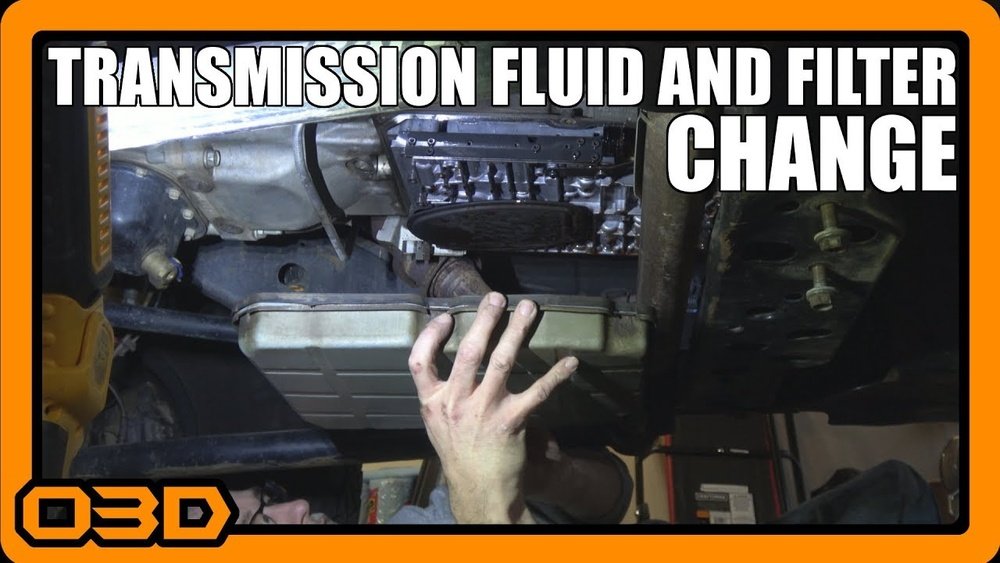
3. Locate The Transmission Pan
Find it under the center of the Jeep. Place the catch pan underneath.
4. Remove The Pan Bolts
Loosen the bolts gradually. Oil will start to drain. Remove the pan and old gasket.
5. Clean The Pan And Magnet
Wipe out metal shavings. Clean the magnet and pan with brake cleaner.
6. Replace The Filter (if Applicable)
Swap in the new filter. Not all models have a replaceable filter, so check your manual.
7. Install The New Gasket And Pan
Align the gasket. Torque the bolts evenly to factory specs (usually 7–9 ft-lbs).
8. Refill With New Fluid
Insert a funnel into the dipstick tube. Pour in the recommended amount of ATF+4.
9. Check Fluid Level
Start the Jeep. With your foot on the brake, shift through all gears. Check the dipstick with the engine running.
10. Top Off If Needed
Add fluid a little at a time until it reaches the “Full” mark.
For Manual Transmission
1. Warm Up The Transmission
Drive for a few minutes.
2. Lift And Secure The Jeep
Use ramps or jack stands.
3. Locate The Drain And Fill Plugs
The drain plug is usually on the bottom; the fill plug is on the side.
4. Remove The Fill Plug First
If you can’t remove the fill plug, don’t drain the oil—you won’t be able to refill it.
5. Drain The Old Oil
Remove the drain plug and let the oil flow into the catch pan.
6. Install The Drain Plug
After draining, reinstall and tighten the drain plug.
7. Add New Oil
Use a fluid pump or hose to add oil until it starts to spill from the fill hole.
8. Install The Fill Plug
Tighten securely.
Fluid Capacity And Specifications
Here’s a quick comparison of fluid capacities for the most common Jeep JK transmissions:
| Transmission Type | Capacity (Quarts) | Fluid Type |
|---|---|---|
| 42RLE Automatic (2007-2011) | 4.2-4.7 | ATF+4 |
| W5A580 Automatic (2012-2018) | 5.5-6.0 | ATF+4 |
| NSG370 Manual | 2.2-2.4 | 75W-85 Gear Oil |
Always double-check the owner’s manual for your Jeep’s exact requirements. Overfilling or underfilling can cause problems.
Signs Your Jeep Jk Needs A Transmission Oil Change
Sometimes you don’t remember the last change, or you buy a used Jeep. Watch for these signs:
- Shifting feels rough or slow
- Burning smell under the hood
- Transmission fluid looks dark or smells bad
- Fluid leaks under the Jeep
- Unexplained whining or clunking noises
If you notice any of these, change the fluid soon—even if you’re not at the recommended mileage yet.
Common Mistakes And How To Avoid Them
Beginners often make simple mistakes that can lead to bigger issues. Here’s what to watch out for:
- Using the wrong fluid: Always check the manual. ATF+4 is not the same as Dexron or Mercon.
- Over-tightening pan bolts: Too much torque can crack the pan or squash the gasket.
- Forgetting to clean the magnet: Metal shavings left behind can cause faster wear.
- Not checking the fill plug first (manual): If you can’t remove it, you’ll be stuck with an empty transmission.
- Overfilling or underfilling: Use the dipstick or fill hole method for accuracy.
How Much Does It Cost?
Doing a DIY transmission oil change is much cheaper than a shop visit.
- Automatic: $40–$100 for fluid, filter, and gasket
- Manual: $30–$60 for fluid
A shop will usually charge $150–$300 for the same service. If you change the oil yourself, you save money and learn more about your Jeep.
How Long Does It Take?
If you’re new to car maintenance, set aside about 2–3 hours for your first time. Most experienced Jeep owners can finish in under an hour.
Benefits Of Regular Transmission Oil Changes
Changing your Jeep JK’s transmission oil does more than just prevent problems:
- Smoother shifting: Fresh oil reduces friction and wear
- Longer transmission life: Removes debris and contaminants
- Better performance: The transmission works at the right temperature
- Lower risk of expensive repairs: Small investment, big savings
Many Jeep owners notice their transmission feels “new” after a change, especially if it’s been neglected.
Recycling Old Transmission Oil
Never dump old transmission oil. It is toxic for the environment and illegal in most places. Take the used oil to an auto parts store or recycling center. They’ll dispose of it safely, often at no charge.
Real-world Example: 2012 Jeep Jk Automatic
Let’s look at a typical scenario for a 2012 Jeep Wrangler JK with a W5A580 automatic transmission:
- Owner drives mostly city streets, changes oil every 50,000 miles
- At 100,000 miles, shifting becomes jerky
- Checks the transmission fluid—dark and smells burnt
- Changes the fluid and filter using 5.5 quarts of ATF+4
- After the change, shifting is smooth again and fuel economy improves
This shows how regular maintenance can solve problems before they get worse.
Comparing Transmission Oil Change Intervals
How Does The Jeep Jk Compare To Other Vehicles?
| Vehicle | Recommended Interval |
|---|---|
| Jeep Wrangler JK | 30,000–60,000 miles |
| Ford F-150 | 30,000–60,000 miles |
| Toyota Tacoma | 60,000 miles |
| Honda CR-V | 30,000–50,000 miles |
Jeep’s recommended interval is similar to other popular trucks and SUVs. But if you drive off-road or tow, change the oil more often.

Credit: www.youtube.com
Key Tips For First-time Diyers
- Read the owner’s manual. Always confirm specs for your year and model.
- Take safety seriously. Use jack stands and protective gear.
- Be patient. Don’t rush; double-check each step.
- Keep your work area clean. Transmission oil is slippery—clean spills quickly.
- Record the date and mileage for your next change.
Many beginners forget to log the service, making it hard to remember when it’s due again.
Where To Find More Information
For step-by-step photos or videos, visit the Jeep Wrangler forums or YouTube channels focused on Jeep maintenance. You can also check the official Jeep website or the Jeep Wrangler Wikipedia page for more technical details.

Credit: www.blauparts.com
Frequently Asked Questions
What Is The Best Transmission Fluid For My Jeep Jk?
Most Jeep JKs use ATF+4 automatic transmission fluid or 75W-85 gear oil for manual transmissions. Always check your owner’s manual for the correct specification.
How Can I Tell If My Transmission Oil Is Bad?
Check the color and smell. Good fluid is usually red or light brown. If it’s dark, smells burnt, or has metal shavings, it’s time to change.
Can I Change The Transmission Oil Myself Without Special Tools?
Yes, you need basic tools like a socket set, catch pan, and funnel. A fluid pump helps with manual transmissions. No advanced equipment is required for most DIY changes.
How Do I Reset The Transmission Oil Change Reminder?
Most Jeep JKs do not have a specific transmission oil reminder. Keep a note of your mileage or use a maintenance log app.
Will Changing The Transmission Oil Fix Shifting Problems?
If the oil is old or dirty, a change can improve shifting. However, if problems continue after the change, there may be a deeper issue—see a mechanic for diagnosis.
Taking care of your Jeep JK’s transmission oil is a simple job that pays off with better performance and reliability. With the right tools and a little patience, even beginners can complete this task and keep their Jeep running strong for years to come.