How Much is a Lift for a Jeep? Cost Breakdown & Tips
 Reading Time: 7 minutes
 Many Jeep owners dream of making their vehicles stand out, handle rough trails better, or simply look more aggressive. One of the most popular ways to do this is by installing a lift kit. But a big question for beginners is, “How much is a lift for a Jeep?” The answer depends on several factors, including the type of Jeep, the kind of lift, and whether you install it yourself or hire a shop. This guide explains everything you need to know, from different lift options to real costs and what to expect.
What Does Lifting A Jeep Mean?
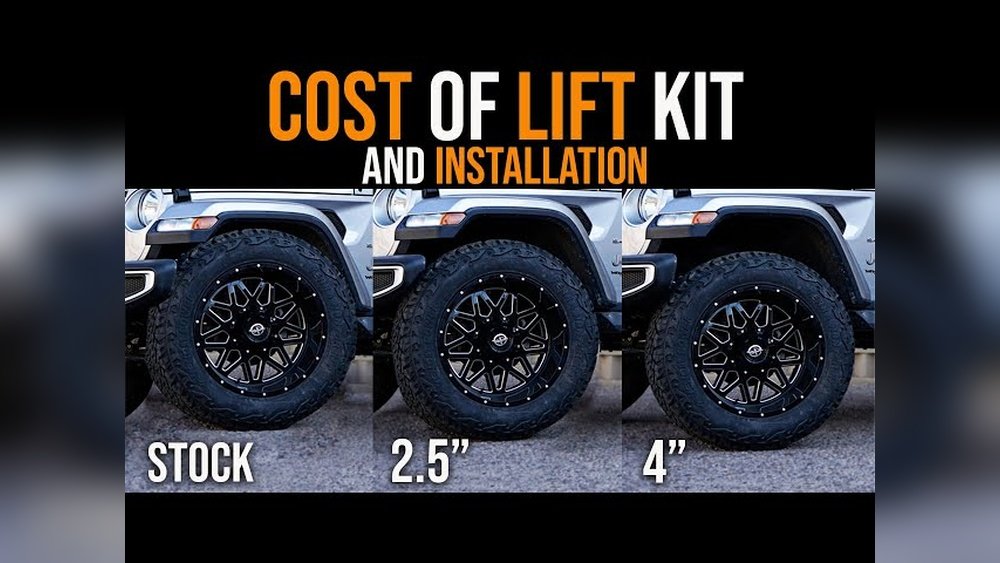
Lifting a Jeep means raising the body or frame higher above the wheels. This gives your Jeep more ground clearance and lets you fit bigger tires. Some owners do it for off-road performance; others just like the look. There are two main ways to lift a Jeep:
- Body lift: Raises the body from the frame. Usually 1-3 inches.
- Suspension lift: Raises the entire suspension. Offers more height and better off-road ability.
Knowing these terms helps you understand why costs can be so different.
Types Of Jeep Lift Kits
Choosing the right lift kit depends on your goals and your budget. Here are the main types:
1. Leveling Kits
- Purpose: Fixes the “rake” (when the front sits lower than the back).
- Lift Height: Usually 1-2 inches.
- Cost: $100–$400 for parts.
Leveling kits are simple and popular for daily drivers who want a slightly more rugged look.
2. Body Lift Kits
- Purpose: Raises the body from the frame without changing the suspension.
- Lift Height: Typically 1–3 inches.
- Cost: $200–$600 for parts.
These are affordable and good for fitting slightly bigger tires but don’t improve off-road ability much.
3. Spacer (budget Boost) Kits
- Purpose: Adds spacers to the suspension coils or struts.
- Lift Height: 1.5–2.5 inches.
- Cost: $200–$800 for parts.
Good for beginners who want a little lift without big changes.
4. Suspension Lift Kits
- Purpose: Replaces or upgrades the entire suspension system.
- Lift Height: 2–6 inches (sometimes more).
- Cost: $1,000–$5,000+ for parts.
Suspension lifts are best for serious off-roading and give the most height and performance.
5. Long Arm Kits
- Purpose: Offers maximum articulation and off-road ability.
- Lift Height: 3–6+ inches.
- Cost: $2,000–$7,000+ for parts.
More complex and expensive, often used by advanced off-roaders.
Real-world Cost Examples
To help you see the actual cost, here’s a look at what Jeep owners typically spend on different lifts. The table below shows average price ranges for popular Jeep models:
| Jeep Model | Lift Type | Parts Cost | Labor Cost | Total Cost (Installed) |
|---|---|---|---|---|
| Wrangler JK | 2.5″ Spacer Kit | $300–$600 | $400–$600 | $700–$1,200 |
| Wrangler JL | 2″ Suspension Lift | $900–$2,000 | $600–$1,000 | $1,500–$3,000 |
| Grand Cherokee | 2″ Leveling Kit | $200–$500 | $300–$500 | $500–$1,000 |
| Gladiator JT | 3.5″ Suspension Lift | $1,200–$2,500 | $800–$1,200 | $2,000–$3,700 |
These prices are averages. High-end brands or custom kits cost more. Labor varies by location and shop.
Factors That Affect The Price
The cost of lifting your Jeep can change for many reasons. Here are the main factors:
- Type of lift: Suspension lifts cost more than body or spacer kits.
- Jeep model: Newer models and special editions often cost more.
- Brand quality: Top brands like Teraflex or AEV cost more, but offer better quality.
- Installation: Doing it yourself saves money, but professional installation is safer for big lifts.
- Extra parts: Sometimes you need new driveshafts, shocks, or alignment.
Example
A 2. 5-inch budget boost kit for a Jeep Wrangler JK might cost $400 for parts. But if you need new shocks and a professional install, the total could reach $1,200.
Do-it-yourself Vs. Professional Installation
Lifting a Jeep is not just buying the kit. Installation is a big part of the cost.
Diy Installation
- Pros: Save $300–$1,000 in labor. Good learning experience.
- Cons: Takes time. Mistakes can be costly or dangerous.
Professional Installation
- Pros: Done right the first time. Usually comes with a warranty.
- Cons: Adds $300–$1,500+ to the total cost.
If you’re a beginner, professional installation is often the better choice for anything above a simple leveling kit.
What Else Should You Budget For?
Lifting your Jeep doesn’t end with the kit and installation. Here are extra costs beginners often miss:
- Tires: Bigger tires often needed. Cost: $800–$2,000 for a set of four.
- Wheels: May need different wheels for larger tires. Cost: $400–$1,200.
- Alignment: Always needed after a lift. Cost: $100–$200.
- Drivetrain parts: Tall lifts sometimes require new driveshafts, gears, or brake lines.
- Legal and warranty: Some lifts void factory warranty or break local laws.
Many first-timers forget to budget for alignment and new tires. These can add $1,000 or more to your project.
Credit: www.extremeterrain.com
Comparing Popular Jeep Lift Kits
Here’s a simple comparison of some top brands and what they offer for beginners:
| Brand | Kit Type | Lift Height | Fits Models | Approx. Cost |
|---|---|---|---|---|
| Teraflex | Suspension | 2.5″ | Wrangler JK/JL | $600–$1,500 |
| Rough Country | Spacer/Leveling | 2–2.5″ | Wrangler/Grand Cherokee | $200–$800 |
| AEV | Suspension | 2.5–3.5″ | Wrangler JL | $1,200–$2,500 |
| Skyjacker | Suspension | 2–4″ | Wrangler/Gladiator | $700–$1,800 |
Tip: Entry-level kits from brands like Rough Country are popular for daily driving and mild off-roading.
Common Mistakes When Lifting A Jeep
Many beginners make costly errors. Here’s what to avoid:
- Buying the cheapest kit: Low prices can mean poor quality or missing parts.
- Ignoring extra costs: Forgetting tires, alignment, or installation.
- Lifting too high: Over 3 inches means more modifications and can reduce reliability.
- Not checking local laws: Some states have limits on how high you can lift your vehicle.
- Skipping alignment: This leads to poor handling and fast tire wear.
Pro Insight: A 2–2.5 inch lift is often the best balance for daily drivers and weekend off-roaders.
Is Lifting A Jeep Worth It?
If you love off-roading or want a tougher look, a lift can be a great investment. Here’s what you gain:
- Better ground clearance: Easier to drive over rocks, mud, and obstacles.
- More tire options: Fit up to 35-inch tires with a 2.5-inch lift.
- Personal style: Your Jeep stands out in a crowd.
But there are trade-offs:
- Higher cost of ownership: More expensive tires, parts, and possible repairs.
- Changes in ride quality: Can be rougher, especially with budget kits.
- Fuel economy drop: Bigger tires and more weight use more gas.
How To Choose The Right Lift For Your Needs
To avoid regrets, think about these questions:
- How will you use your Jeep?
- Just city driving? A leveling or small lift is enough.
- Regular off-roading? Go for a quality suspension lift.
- What’s your budget?
- Include parts, labor, and extras like tires.
- Are you ready for maintenance?
- Lifted Jeeps need more care and attention.
First-time tip: Talk to other Jeep owners and visit forums for real-world experiences.
Credit: www.extremeterrain.com
Real Owner Experiences
Many Jeep owners share their lift kit stories online. For example:
- Mike, 2018 Wrangler JL: Spent $1,800 for a 2-inch Mopar lift, installed at a dealer. Needed $1,000 for new 33-inch tires and alignment.
- Sarah, 2021 Gladiator: Bought a $500 Rough Country kit, installed by a shop for $450. Happy with the look, but regrets not budgeting for new wheels.
Reading about other people’s experiences can help you plan smarter and avoid surprises.
When Is A Lift Not A Good Idea?
Lifting a Jeep isn’t for everyone. You might skip it if:
- You only drive on paved roads.
- You want to keep your factory warranty.
- You prefer lower maintenance costs.
For some, a simple tire upgrade or leveling kit gives the desired look without the cost or complexity of a full lift.
Credit: www.justjeeps.com
Where To Buy Jeep Lift Kits
You can find lift kits at:
- Jeep dealerships: Usually more expensive, but good for warranty and support.
- Aftermarket shops: More options, better prices.
- Online retailers: Such as Quadratec, 4 Wheel Parts, and Amazon.
Always buy from trusted sources to avoid counterfeit or low-quality parts.
For more details on legal rules and safety, check out the Vehicle Modification Wikipedia page.
Frequently Asked Questions
How Much Does It Cost To Lift A Jeep Yourself?
DIY costs range from $200 to $2,000 for parts, depending on the kit. You can save $300–$1,500 on labor, but you need the right tools and skills.
Will Lifting My Jeep Affect My Warranty?
Yes, some lifts can void parts of your factory warranty, especially suspension or drivetrain parts. Check with your dealer before installing a lift.
What Is The Best Lift Height For Daily Driving?
A 2–2. 5 inch lift works well for most daily drivers. It allows bigger tires and better looks without major changes to steering or drivetrain.
Do I Need New Tires After Lifting My Jeep?
Often, yes. Most lifts let you fit larger tires, so owners usually buy new ones to match the new height. This adds $800–$2,000 to the project.
Is It Legal To Lift My Jeep?
In most US states, mild lifts are legal. However, extreme lifts may break local laws about bumper or headlight height. Always check your state’s rules before starting.
Making your Jeep taller is a big decision, but with smart planning, you can get the look and performance you want without breaking the bank. Take your time, research your options, and enjoy your lifted Jeep adventure!