How Many Miles is a Jeep Wrangler Good for? Lifespan Revealed
 Reading Time: 8 minutes
 Buying a Jeep Wrangler is a big step for many drivers. You might love its rugged look and off-road skills. But one big question comes up: How many miles is a Jeep Wrangler good for? If you are new to car ownership or thinking about buying a used Wrangler, this article will help you understand what to expect. We’ll look at real numbers, common issues, and tips to make your Wrangler last longer. Let’s dive in and answer your questions in simple, clear English.
Typical Lifespan Of A Jeep Wrangler
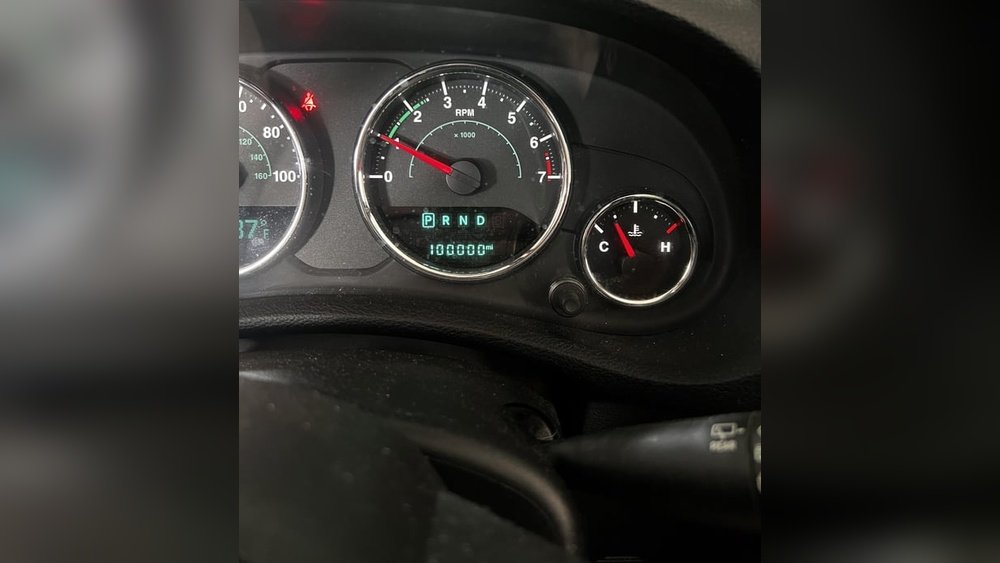
Most Jeep Wranglers are known for their durability and long life. Owners often report their vehicles running well past 100,000 miles. With proper care, many Wranglers can reach 200,000 miles, and some even go beyond 300,000 miles. Here’s what the numbers say:
- Average lifespan: 150,000–200,000 miles
- High-mileage examples: Some Wranglers reach 250,000–300,000 miles with good maintenance
- Common replacement parts: Engine, transmission, suspension parts may need work after 120,000–150,000 miles
Here’s a quick comparison showing how Jeep Wrangler stacks up against similar SUVs:
| Model | Typical Lifespan (Miles) | Known Reliability |
|---|---|---|
| Jeep Wrangler | 150,000–200,000 | High |
| Toyota 4Runner | 200,000–250,000 | Very High |
| Ford Bronco | 120,000–180,000 | Medium |
| Nissan Xterra | 150,000–200,000 | High |
Wrangler owners often keep their vehicles much longer than average. Many Jeep fans report driving their Wranglers for more than 15 years. The Wrangler’s design focuses on simplicity and strength, which helps it last through tough roads and weather. Unlike many modern SUVs, Wranglers have fewer fancy electronics that can break down. This makes them easier to fix and keep running over time.
Another point: Wranglers can handle rough terrain, which means they are built with stronger parts compared to city-only vehicles. For example, their frames are often thicker, and they use solid axles, which can be rebuilt instead of replaced. This kind of durability attracts drivers who want a vehicle that keeps going even after many years.
Factors That Affect Wrangler Mileage
The number of miles a Jeep Wrangler lasts depends on several factors. Not all Wranglers will reach 200,000 miles. Here are the main things that can change how long your Wrangler stays reliable:
1. Maintenance
Regular maintenance is the most important factor. A Wrangler with frequent oil changes, fluid checks, and part replacements will last much longer.
- Oil changes: Every 3,000–5,000 miles
- Transmission fluid: Every 30,000–50,000 miles
- Brake pads: Every 25,000–50,000 miles
- Tire rotation: Every 5,000–7,500 miles
If you skip maintenance, small problems can become big repairs. For instance, ignoring oil changes can cause engine sludge, which damages internal parts. Using cheap fluids or not changing them on schedule can also shorten the life of the transmission and cooling system.
A useful example: If you replace air filters every 15,000–30,000 miles, you help your engine breathe better, which can prevent overheating. Many beginners forget about air filters, but they are cheap and important.
2. Driving Habits
How you drive affects your Jeep’s lifespan.
- Off-roading: If you drive off-road often, parts like suspension and axles may wear out faster.
- City driving: Stop-and-go traffic stresses the engine more than highway miles.
- Towing: Pulling heavy loads can reduce engine and transmission life.
Gentle driving, such as smooth acceleration and braking, helps reduce stress on many parts. If you frequently drive in sand, mud, or rocky areas, you should check underneath for damage and clean dirt off to avoid rust and wear.
One overlooked tip: Avoid holding the clutch pedal down for long periods if you drive a manual Wrangler. This can wear out the clutch faster.
3. Climate And Environment
Where you live matters.
- Rust: Areas with snow, salt, or humidity can cause rust faster.
- Heat: Extreme heat wears down rubber parts and fluids.
- Dust: Driving in dusty places can clog filters.
Owners in coastal regions or places with icy winters should pay extra attention to rust prevention. Washing the underside of your Wrangler after winter or beach trips helps remove salt and sand, which can eat away at metal.
Another example: Parking in the shade or using covers can protect your Wrangler from sun damage, keeping paint and plastic in better condition.
4. Model Year And Generation
Some Wrangler generations are more reliable than others. For example:
- TJ (1997–2006): Known for strong engines and simple design
- JK (2007–2018): More comfort, but some issues with electronics
- JL (2018–present): Improved build, but newer so less long-term data
Older models may need more repairs, but they can still last a long time if cared for. The TJ models, for example, are easier to work on because they have fewer complicated electronics. Newer models like the JL have advanced safety features and better fuel economy, but some repairs can be more expensive due to newer technology.

Credit: www.simivalleychryslerdodgejeepram.com
Common Problems After High Mileage
Even the best-maintained Jeep Wranglers start showing issues after many miles. Here are some typical problems you may face after 100,000 miles:
- Rust on frame or body
- Engine oil leaks
- Transmission slipping
- Suspension wear (bushings, shocks)
- Electrical issues (lights, sensors)
It’s helpful to know which parts cost the most to replace:
| Part | Estimated Replacement Cost | Typical Mileage Before Repair |
|---|---|---|
| Transmission | $2,500–$4,000 | 120,000–180,000 |
| Engine | $3,000–$7,000 | 150,000–250,000 |
| Suspension | $500–$1,500 | 80,000–150,000 |
| Brakes | $300–$700 | 25,000–50,000 |
These numbers are averages. Costs and timing can change based on usage and location. If you hear clunking or squeaking from the suspension, it may be time to replace bushings or shocks. Electrical issues like dashboard warning lights or faulty sensors are more common in newer Wranglers with advanced electronics.
A practical tip: Many owners notice small leaks or rust before bigger problems appear. Catching these early can prevent expensive repairs later.
Real-world Examples: High-mileage Wranglers
To see how Wranglers perform over time, let’s look at real examples:
- 2005 Wrangler TJ: Owner reports 210,000 miles, original engine and transmission, mostly highway driving, regular oil changes.
- 2012 Wrangler JK: 185,000 miles, some off-roading, replaced suspension and brakes, still reliable.
- 1999 Wrangler: 265,000 miles, many parts replaced, used in snowy climate, some rust issues but still runs.
Many Jeep clubs and forums share stories of Wranglers with over 250,000 miles. These high-mileage vehicles show the importance of maintenance and gentle driving.
Another real insight: Some owners use their Wranglers as daily drivers for work and errands, while others only drive them on weekends or for trips. Vehicles driven regularly but not abused tend to last longer than those left parked for long periods. Sitting too much can cause seals and gaskets to dry out, leading to leaks.

Credit: www.simivalleychryslerdodgejeepram.com
Tips To Make Your Wrangler Last Longer
If you want your Jeep Wrangler to reach high mileage, here are proven tips:
- Follow the maintenance schedule: Use the owner’s manual for guidance.
- Keep records: Track all repairs and service.
- Wash regularly: Prevent rust, especially after driving in salt or mud.
- Drive smoothly: Avoid hard acceleration and sudden stops.
- Check fluids often: Oil, coolant, transmission fluid, and brake fluid.
- Inspect tires: Keep them inflated and rotate them as suggested.
- Fix small issues early: Address leaks, noises, or warning lights right away.
Non-obvious tip: Many beginners forget to check the frame for rust. This can cause big problems later. Always inspect underneath, not just the body.
Another insight: Wranglers with fewer owners often last longer. If you buy used, try to find one with a clear history and regular care.
A smart move: If you drive off-road, rinse mud and debris from the undercarriage. Mud can trap moisture and lead to rust. Also, use quality replacement parts instead of cheap alternatives. Genuine or recommended parts last longer and fit better.
Buying A Used High-mileage Wrangler
If you are considering a used Jeep Wrangler with over 100,000 miles, you should check several things carefully:
- Service history: Ask for maintenance records.
- Frame condition: Look for rust or damage.
- Engine and transmission: Listen for noises, check for leaks.
- Suspension: Test drive for unusual vibrations or noises.
- Interior: Signs of water leaks, especially in older models.
Here’s a quick comparison of what to check for different mileage levels:
| Mileage Range | What to Inspect | Risk Level |
|---|---|---|
| Under 100,000 | Basic maintenance, tires, brakes | Low |
| 100,000–150,000 | Engine, transmission, suspension, frame | Medium |
| 150,000+ | Major repairs, rust, electrical, full history | Higher |
Don’t be afraid to ask a mechanic to check the vehicle before buying. It can save you money and trouble later. Also, ask about previous accidents or modifications. Wranglers with heavy off-road upgrades may have more wear and tear.
A helpful trick: Bring a flashlight and check inside wheel wells and under carpets for hidden rust or water damage. Sellers may clean the outside, but hidden spots can tell the real story.
Wrangler Vs Other Vehicles: Is It Worth The Long Life?
The Jeep Wrangler is built for tough conditions. It’s not always the most comfortable or fuel-efficient SUV. But it stands out for:
- Strong resale value
- Unique style
- Excellent off-road ability
- Long-lasting parts
If you need a vehicle for both city and adventure, the Wrangler is a good choice. Many owners say their Wrangler feels solid even after 10+ years.
However, some beginners expect a Wrangler to last forever with little care. This isn’t true. Like all vehicles, Wranglers need regular attention. If you plan to use your Jeep for heavy off-roading, expect some extra repairs.
Another practical point: Wranglers hold their value well. Even older models with higher mileage often sell for good prices if they are clean and have a strong service history. This makes them a smart buy for people who may want to resell later.
Frequently Asked Questions
How Many Miles Can A Jeep Wrangler Last?
A well-maintained Jeep Wrangler can often reach 150,000–200,000 miles. Some go beyond 250,000 miles if cared for properly. Regular maintenance and gentle driving help extend its life.
What Is Considered High Mileage For A Jeep Wrangler?
Anything over 100,000 miles is considered high mileage for most vehicles. For a Wrangler, 150,000 miles is common, but it’s important to check the service history and condition before buying.
Do Jeep Wranglers Have Engine Problems After 100,000 Miles?
Wranglers may develop engine problems after 100,000 miles, such as oil leaks or worn timing chains. However, many engines last much longer with regular oil changes and maintenance.
Is A Used Wrangler With 150,000 Miles A Good Buy?
It can be a good buy if the service history is clear, the frame has no rust, and major parts are in good shape. Always get a mechanic to inspect before buying.
What Is The Most Reliable Jeep Wrangler Model?
Many owners and experts rate the TJ (1997–2006) as one of the most reliable models. The JK (2007–2018) is also popular, but newer models like the JL are gaining reputation for reliability.
If you want to see more data on vehicle reliability, check this link: Consumer Reports.
Owning a Jeep Wrangler is all about adventure and durability. If you take care of your vehicle, you can enjoy many miles of reliable driving—both on and off the road. Remember, every Wrangler tells its own story, and with the right attention, yours can last well beyond 150,000 miles.

Credit: www.colliervillechryslerdodgejeepram.com