Why Jeeps Are So Expensive: Unveiling the Surprising Reasons
 Reading Time: 7 minutes
 Jeeps are one of the most recognized vehicles in the world. Their unique look, rugged build, and reputation for adventure make them popular among drivers of all ages. But when you look at their price tag, many people ask the same question: Why are Jeeps so expensive? If you’re new to cars or just starting to research, this guide will help you understand the reasons behind Jeep’s high price. We’ll cover everything from the history and brand value to the technical features and real-world examples—all in simple, clear language.
Jeep’s Strong Brand And History
Jeep is not just another car brand. It has a long history and a big reputation. The first Jeep was built in the 1940s for the US Army. These vehicles helped soldiers during World War II. After the war, Jeep became a symbol of freedom and adventure.
- Brand value: Jeep is seen as tough, reliable, and ready for any challenge. People trust the brand.
- Heritage: Owning a Jeep means owning a piece of history. Many buyers see Jeeps as more than just a car.
This strong brand allows Jeep to charge higher prices. Buyers are willing to pay more for the name and the story behind it.
High-quality Materials And Build
Jeep vehicles are built with materials that can survive tough conditions. This affects the price.
- Heavy-duty steel: Most Jeeps use strong steel frames. These are built to handle rocks, mud, and rough roads.
- Advanced suspension: Jeeps often have special suspension systems for off-road driving.
- Waterproof interiors: Some models have seats and floors that are water-resistant, making them easier to clean.
These materials cost more than what is used in regular cars. As a result, the price goes up.
Comparing Materials: Jeep Vs. Standard Suv
Here’s a comparison showing how Jeep’s build differs from a regular SUV:
| Feature | Jeep Wrangler | Standard SUV (e.g., Honda CR-V) |
|---|---|---|
| Frame Material | Heavy-duty steel | Lightweight steel/aluminum |
| Suspension | Off-road optimized | Basic road suspension |
| Interior | Waterproof, rugged | Standard fabric/leather |
Advanced Off-road Capabilities
Jeeps are famous for their ability to go off-road. This is not just marketing. They have real features that help them drive over rocks, through mud, and across rivers.
- 4×4 systems: Most Jeeps come with advanced four-wheel drive (4WD) options. This helps the car move even when roads are bad.
- Locking differentials: These help the wheels turn together, giving more traction on slippery surfaces.
- High ground clearance: Jeeps sit higher than regular cars, so they don’t get stuck easily.
These features require special engineering, which costs more money. If you compare a Jeep to a normal car, you’ll see that these extras are not common.
Off-road Features Comparison
| Feature | Jeep Gladiator | Standard Pickup (e.g., Toyota Tacoma) |
|---|---|---|
| 4WD System | Full-time, selectable modes | Optional, basic modes |
| Ground Clearance (inches) | 10.0 | 9.4 |
| Water Fording Depth (inches) | 30 | 24 |
Unique Design Features
Jeeps are not just practical—they are also stylish. The design sets them apart.
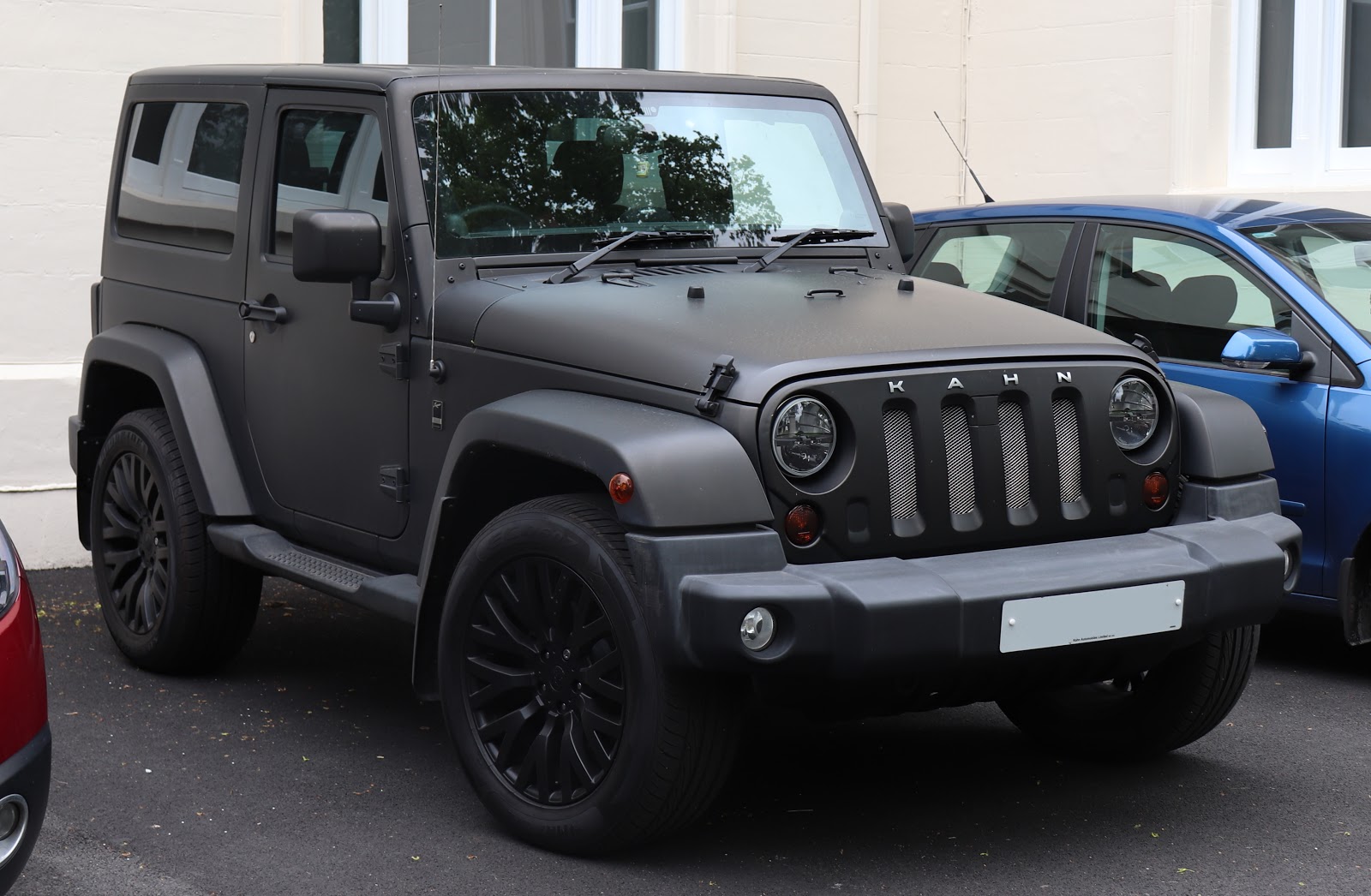
- Iconic look: The seven-slot grille, round headlights, and boxy shape are instantly recognizable.
- Removable doors and roof: Some models, like the Wrangler, let you take off the doors and roof for a true open-air experience.
- Customizable options: Jeep offers many ways to personalize your vehicle, from colors to wheels to interior features.
Other cars may offer some options, but Jeep’s design is both classic and practical. This adds to the price.
High Demand And Limited Supply
Jeep vehicles are always in demand. There are several reasons for this:
- Adventure lifestyle: Many people want a car that fits their outdoor activities, like camping or hiking.
- Resale value: Jeeps keep their value better than most cars. You can sell a used Jeep for a good price, even after years of use.
- Limited production: Jeep does not make as many cars as other brands. This keeps supply low and prices high.
Resale Value Data
Here is a comparison of resale values after 5 years:
| Model | Original Price | Average Resale Value (5 years) | % Value Retained |
|---|---|---|---|
| Jeep Wrangler | $35,000 | $21,000 | 60% |
| Honda CR-V | $30,000 | $15,000 | 50% |
| Ford Escape | $29,000 | $12,000 | 41% |
Technology And Safety Features
Modern Jeeps are packed with technology. This is more than just a radio and air conditioning.
- Touchscreen displays: Most Jeeps have smart screens for navigation, music, and controls.
- Advanced driver aids: Features like lane keep assist, adaptive cruise control, and blind spot monitoring are common.
- Safety engineering: Jeeps are tested for crash safety and often score well.
These extras add to the price but also make driving safer and more comfortable. Beginners often overlook how much these features cost to design and install.
Customization And Accessories
Jeep owners love to customize their vehicles. This is part of the Jeep culture.
- Lift kits: Raise the car higher for better off-road performance.
- Special tires: Bigger, tougher tires for adventure.
- Lighting: Add extra lights for night driving or camping.
- Winches: Useful for pulling the Jeep out of mud or helping others.
Jeep makes it easy to add these accessories. Many are sold directly by Jeep or trusted partners. This flexibility is rare, and it means Jeep buyers pay more for a vehicle that can be changed to fit their needs.
Cost Of Manufacturing And Engineering
Making a Jeep is expensive. The company spends a lot on:
- Research and development: Building new features and improving old ones.
- Testing: Jeeps are tested in extreme conditions. This costs money.
- Manufacturing: Because Jeeps use strong materials and special parts, they are harder and more expensive to build.
Many buyers don’t realize that these costs are higher than for regular cars.
Marketing And Distribution
Jeep spends a lot to market its vehicles. You see ads on TV, in magazines, and online. They also sponsor events and adventure groups.
- Advertising: Keeping the Jeep image strong costs millions each year.
- Dealer networks: Jeep has special dealers who know how to sell and service the vehicles.
All these costs are included in the final price.
Import And Export Costs
Some Jeep models are made in the US. Others are built in other countries. Shipping these vehicles and paying import taxes can raise prices.
- Tariffs: Taxes on imported cars can be high.
- Shipping: Moving large vehicles is expensive.
If you are buying a Jeep outside the US, expect to pay more because of these extra costs.

Credit: www.simivalleychryslerdodgejeepram.com
Insurance And Ownership Costs
Buying a Jeep is just the start. Owning one can cost more than a regular car.
- Insurance: Because Jeeps are seen as adventure vehicles, insurance companies may charge higher rates.
- Maintenance: Tough driving can lead to more repairs and maintenance.
- Fuel: Jeeps often use more gas because they are heavier and have bigger engines.
These costs add up, making the total cost of ownership higher than for many other vehicles.
The Jeep Community
Jeeps have a strong community. Owners often join clubs, attend events, and share tips online.
- Social value: Being part of a Jeep group is important for many buyers.
- Events: Jeep hosts off-road adventures and meetups.
- Support: The community helps with advice and repairs.
This adds extra value for buyers, making them willing to pay more.
Credit: carfromjapan.com
Two Insights Beginners Often Miss
- Resale value is a hidden benefit. Many people focus on the high price but don’t realize that Jeeps keep their value. This makes them a smart investment if you plan to sell later.
- Customization costs can be high. While Jeeps are easy to upgrade, each new accessory or feature can add hundreds or thousands of dollars. Beginners often forget to include these costs in their budget.
Summary Of Main Reasons Why Jeeps Are Expensive
- Strong brand and history
- High-quality materials and build
- Advanced off-road features
- Unique design options
- High demand and limited supply
- Technology and safety features
- Customization flexibility
- Manufacturing and engineering costs
- Marketing and distribution
- Import/export fees
- Higher insurance and ownership costs
- Active community support
If you want more technical details and historical context, visit the official Jeep page at Wikipedia.
Credit: www.copilotsearch.com
Frequently Asked Questions
Why Do Jeeps Cost More Than Regular Suvs?
Jeeps use stronger materials and offer advanced off-road features. Their brand history and demand also push prices higher.
Are Jeeps Worth The High Price?
For people who value off-road ability, durability, and resale value, Jeeps are often worth the investment. But if you only drive in cities, a cheaper SUV may be better.
What Makes The Jeep Wrangler So Expensive?
The Wrangler has unique features like removable doors and roof, high ground clearance, and advanced 4WD systems. Its design and build quality are not found in most other cars.
Do Jeeps Have Good Resale Value?
Yes. Jeeps, especially the Wrangler, keep their value well. After five years, many Jeeps retain more than 50% of their original price.
Can Beginners Drive Jeeps Easily?
Most Jeeps are easy to drive on regular roads. But off-road driving needs practice. Beginners should learn about 4WD systems and safety before trying tough trails.
Owning a Jeep is about more than just transportation. It’s about adventure, history, and community. The high price reflects the value, features, and experience you get. If you understand these reasons, you can make a smart choice for your next vehicle.