
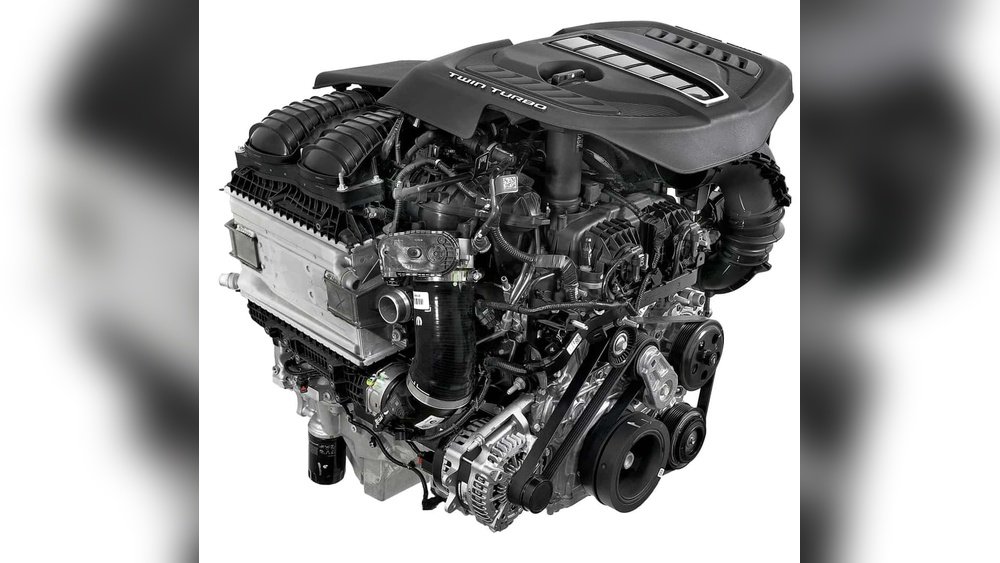
Jeep Grand Cherokee Hurricane Engine: Ultimate Performance Guide
 Reading Time: 6 minutes
 The Jeep Grand Cherokee has always been known for its rugged design and strong engines. In recent years, Jeep introduced a new powerplant—the Hurricane engine—to meet higher demands for power and fuel efficiency. Many car fans and buyers want to know what makes this engine special, how it changes the driving experience, and why Jeep is investing in this new technology. This article explains everything you need to know about the Jeep Grand Cherokee Hurricane engine in simple language, with clear facts and easy examples.
What Is The Hurricane Engine?
The Hurricane engine is Jeep’s new family of turbocharged, inline-six gasoline engines. It is also known as the “Stellantis Hurricane” because it was developed by Stellantis, Jeep’s parent company. This engine replaces some older V6 and V8 engines, offering more power and better fuel economy.
Key facts about the Hurricane engine:
- It uses twin turbochargers for extra power.
- It’s a 3.0-liter inline-six (I6) engine.
- Built with strong, lightweight materials like aluminum.
- Designed to reduce emissions and save fuel.
Why Did Jeep Create The Hurricane Engine?
Jeep needed a new engine that:
- Provides better fuel efficiency than old V8 engines.
- Meets strict emission rules.
- Still delivers strong power and performance.
With higher gas prices and tougher environmental laws, the Hurricane engine is Jeep’s answer to these challenges.
How The Hurricane Engine Works
The Hurricane engine is different from older Jeep engines in a few important ways. Here’s how it works:
- Twin-turbocharged: Two turbochargers push more air into the engine, making it more powerful without needing a bigger engine.
- Direct fuel injection: This system sprays fuel directly into the cylinders, which helps the engine burn fuel more efficiently.
- Variable valve timing: The engine can change the timing of its valves for better power at high speeds and better fuel economy when driving slowly.
- Aluminum block and head: These parts are lighter than iron, which helps the car use less fuel.
Example
Think of the Hurricane engine as a small, smart athlete. Instead of being big and heavy like older V8 engines, it uses advanced technology to run faster and longer with less energy.

Credit: headlight.news
Hurricane Engine Versions In The Grand Cherokee
Jeep offers the Hurricane engine in different versions. Each has its own power and torque figures. Here’s how they compare:
| Version | Horsepower | Torque (lb-ft) | Fuel Economy (mpg, est.) |
|---|---|---|---|
| Standard Output (SO) | 420 hp | 468 lb-ft | 22-24 mpg |
| High Output (HO) | 510 hp | 500 lb-ft | 20-22 mpg |
- The Standard Output version is more common in regular Grand Cherokees.
- The High Output version is used in high-performance models.
Performance: What To Expect
The Hurricane engine gives the Grand Cherokee impressive speed and strength. Here’s what that means for drivers:
- Faster Acceleration: The Hurricane lets the Grand Cherokee accelerate from 0 to 60 mph in about 5.5 seconds (SO version).
- Towing Power: With up to 6,500 pounds towing capacity, you can pull boats or trailers with confidence.
- Smooth Power Delivery: The inline-six design is naturally balanced, so the engine feels smooth and quiet.
Real-world Example
If you’re merging onto a busy highway, the Hurricane engine’s fast response helps you get up to speed quickly and safely.

Credit: www.youtube.com
Fuel Economy And Emissions
One main reason for the Hurricane engine is to save fuel and lower emissions. Here’s what you get:
- Better Mileage: The Grand Cherokee with the Hurricane engine gets 2–3 more miles per gallon compared to older V8 models.
- Lower Emissions: Modern technology means the engine produces less CO2 and harmful gases.
- No Need for Premium Gas: Standard output models can use regular fuel, saving you money.
| Engine | City mpg | Highway mpg | CO2 Emissions (g/mi) |
|---|---|---|---|
| Hurricane SO | 20 | 24 | 350 |
| Old 5.7L V8 | 14 | 22 | 420 |
Non-obvious insight: Many beginners don’t realize that turbocharged engines like the Hurricane can offer more power and better fuel economy at the same time, thanks to advanced engineering.
Maintenance And Reliability
Many drivers worry new engines might be harder or more expensive to maintain. Here’s what to know about the Hurricane engine:
- Longer oil change intervals: Synthetic oil and cleaner burning mean you change oil less often.
- Fewer moving parts: Inline-six engines are simpler than V6 or V8 engines, which can mean fewer problems.
- Turbo maintenance: Turbos need good oil and regular checks, but modern units are built to last over 100,000 miles.
Tip: Always use the recommended oil and follow Jeep’s service schedule for the best results.
How Does It Compare To Other Jeep Engines?
If you’re choosing a Grand Cherokee, you might see other engine options. Here’s a simple comparison:
| Engine | Type | Horsepower | Fuel Economy | Towing (lbs) |
|---|---|---|---|---|
| Hurricane SO | I6 Turbo | 420 | 22 mpg | 6,500 |
| 3.6L Pentastar | V6 NA | 293 | 21 mpg | 6,200 |
| 5.7L HEMI | V8 NA | 357 | 17 mpg | 7,200 |
Non-obvious insight: Even though the V8 can tow more, the Hurricane engine is better for daily driving, thanks to its balance of power, fuel economy, and smoothness.
Pros And Cons Of The Hurricane Engine
Understanding the benefits and drawbacks helps you make a smart choice.
Pros
- Excellent power and torque
- Better fuel economy than older engines
- Lower emissions
- Smooth operation (inline-six layout)
- Modern technology for long-term use
Cons
- Turbo engines need good maintenance
- Initial price may be higher than the base V6
- New technology means less long-term data on reliability compared to older engines
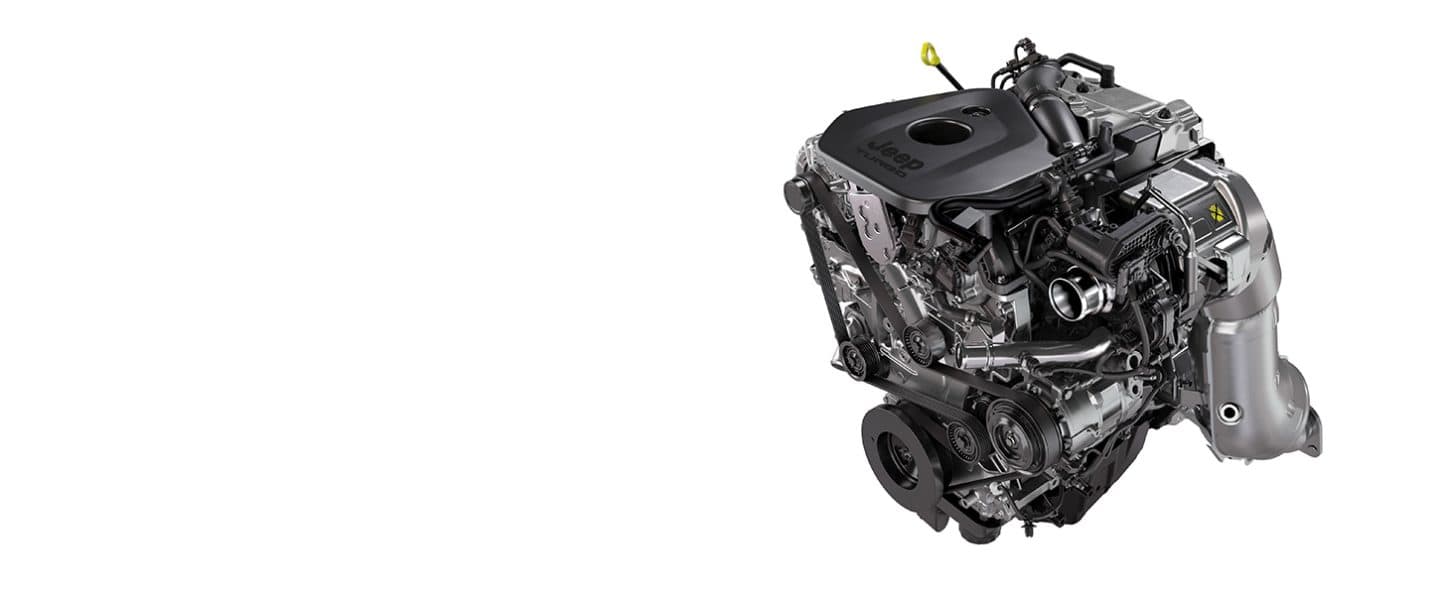
Credit: www.jeep.com
Is The Hurricane Engine Right For You?
Choosing the right engine depends on your needs:
- If you want strong acceleration and plan to drive long distances, the Hurricane is a great choice.
- If you tow heavy trailers often, compare the specs—V8s still offer the highest towing.
- If you want the latest technology and lower fuel bills, the Hurricane stands out.
Real-world tip: For many families and daily drivers, the Hurricane offers the best mix of power, smoothness, and efficiency.
Future Of The Hurricane Engine
The Hurricane engine represents Jeep’s move towards greener, more efficient vehicles. Expect to see this engine in more models in the future, not just the Grand Cherokee.
- Stellantis plans to use the Hurricane in other brands and vehicles.
- There may be hybrid or plug-in hybrid versions in the future.
- Jeep is investing in both electric and advanced gasoline engines to give buyers more choices.
For more technical details and updates, you can visit the official Stellantis page: Stellantis Hurricane Engine Announcement.
Frequently Asked Questions
What Is The Main Difference Between The Hurricane Engine And The Old V8?
The Hurricane engine is a turbocharged inline-six with more power and better fuel economy than the old V8. It uses twin turbos and direct injection, while the V8 is naturally aspirated and less efficient.
Is The Hurricane Engine Reliable?
Early data shows the Hurricane engine is reliable, thanks to a simple inline-six design and modern materials. Like all turbo engines, regular oil changes and good maintenance are important for long life.
Does The Hurricane Engine Need Premium Fuel?
The standard output version can run on regular gasoline. The high output version may require premium for best performance, but most daily driving can be done on regular fuel.
How Does The Hurricane Engine Affect Towing?
The Hurricane engine allows the Grand Cherokee to tow up to 6,500 lbs, which covers most boats and trailers. For the heaviest loads, the V8 still leads, but for most users, the Hurricane is enough.
Will The Hurricane Engine Be Used In Other Jeep Models?
Yes, Jeep and Stellantis plan to use the Hurricane engine in other models, including some Ram trucks and future SUVs. This engine is part of their strategy for better fuel economy and performance.
The Jeep Grand Cherokee Hurricane engine is a smart choice for drivers who want both power and efficiency. With advanced technology, lower emissions, and strong performance, it leads Jeep’s move into the future. If you want a modern SUV engine that balances speed, smoothness, and fuel savings, the Hurricane deserves serious consideration.