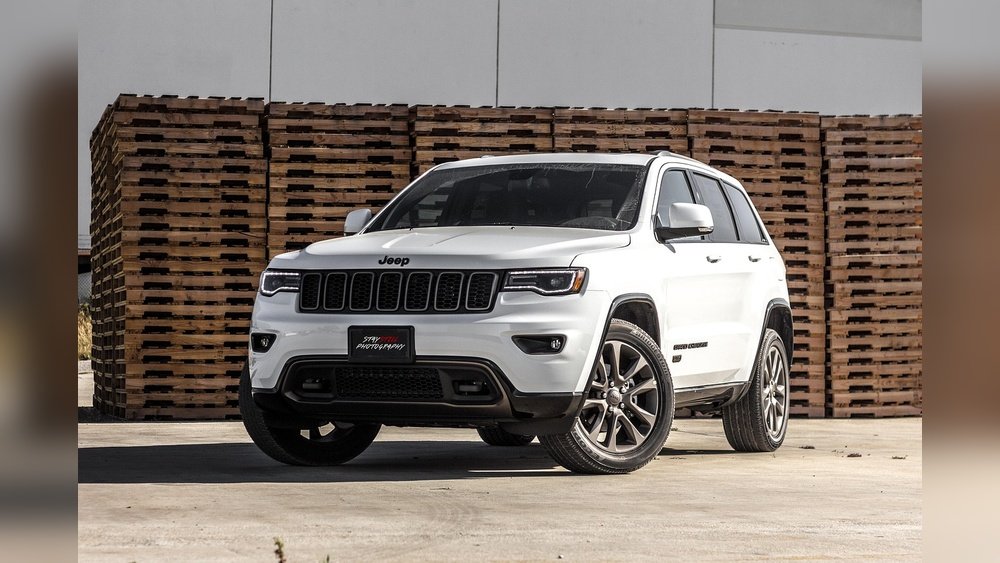
What Jeep Grand Cherokee Years to Avoid: Expert Buying Guide
 Reading Time: 7 minutes
 Many people dream of owning a Jeep Grand Cherokee. It’s stylish, strong, and handles rough roads well. But not every model year is equal. Some years have serious problems that can cost you a lot of money or cause headaches. If you are thinking about buying a used Grand Cherokee, knowing which years to avoid will help you make a smart decision.
There are hundreds of reviews, forums, and reports about the Jeep Grand Cherokee. Most owners love their vehicles, but some years are known for engine troubles, transmission failures, electrical glitches, or safety issues. This guide will help you understand which years are risky, why, and what you can do to protect yourself if you decide to buy one anyway.
Why Some Jeep Grand Cherokee Years Are Problematic
Car models change over time. New designs, engines, and electronics are introduced, but not all updates are successful. Sometimes, Jeep rushed changes or used parts that failed early. When this happens, owners report more complaints, recalls, and repairs.
- Common problems: Engine failure, transmission issues, electrical faults, and leaking sunroofs.
- Costly repairs: Some problems are expensive to fix, such as engine replacements or transmission rebuilds.
- Safety concerns: Faulty airbags, brakes, or steering can make a car dangerous.
One non-obvious insight: Even popular years can have hidden issues if you don’t check the car’s history, so always look for maintenance records and recall fixes.
Jeep Grand Cherokee Years To Avoid
After studying owner reports, recall data, and repair statistics, certain years stand out for major problems. Here are the main years you should avoid:
2011 Jeep Grand Cherokee
The 2011 model started the fourth generation. It was a fresh design, but it suffered from many issues.
- Electrical problems: The 2011 model is famous for Totally Integrated Power Module (TIPM) failures. This part controls almost everything electrical in the car.
- Key symptoms: Starting issues, random stalling, windows not working.
- Repair cost: TIPM repairs can cost $1,000 or more.
2012 Jeep Grand Cherokee
Problems from 2011 continued in 2012.
- Fuel system recalls: Risk of fire due to fuel leaks.
- Electrical faults: Again, TIPM issues lead to unpredictable failures.
- Safety recalls: Over 10 major recalls.
2014 Jeep Grand Cherokee
2014 brought new features, but also new problems.
- Transmission troubles: Many owners reported rough shifting and sudden jerks.
- Infotainment issues: The touch screen and electronics often freeze.
- Air suspension failure: Repairs for air suspension can cost over $2,000.
2015 Jeep Grand Cherokee
2015 models saw improvements but still had serious complaints.
- Transmission recalls: The new eight-speed automatic transmission was unreliable.
- Diesel engine problems: Diesel models had emissions issues and recalls.
- Electronic glitches: Dashboard lights and sensors often malfunctioned.
2016 Jeep Grand Cherokee
2016 was another troubled year.
- Electronic gear shifter: The new shifter confused drivers. It caused rollaway accidents. One famous case led to a fatality.
- Complaints: Over 1,000 complaints with the NHTSA (National Highway Traffic Safety Administration).
- Recalls: Several recalls about safety and electronics.
2017 Jeep Grand Cherokee
Although better than previous years, 2017 still had issues.
- Diesel engine problems: Emissions system failures.
- Electrical faults: Battery drains quickly, random warning lights.
- Transmission: Jerky shifting, especially in cold weather.
2018 Jeep Grand Cherokee
2018 models improved, but some problems continued.
- Diesel models: Still had recalls for emissions.
- Electrical issues: Battery and infotainment problems.
- Suspension: Air suspension failures.
Quick Comparison: Problem Years
Here’s a simple table showing the worst years and their main issues:
| Year | Main Problems | Average Repair Cost |
|---|---|---|
| 2011 | TIPM failure, stalling | $1,000+ |
| 2012 | Fuel leaks, electrical faults | $900+ |
| 2014 | Transmission, infotainment | $2,000+ |
| 2015 | Transmission, diesel engine | $1,500+ |
| 2016 | Gear shifter, safety recalls | $1,200+ |
| 2017 | Diesel engine, electrical | $1,100+ |
| 2018 | Diesel, suspension | $1,300+ |
Years That Are Considered Safe
If you want a reliable Jeep Grand Cherokee, some years have fewer complaints and lower repair costs.
- 2004–2006: These older models are simple and reliable. Fewer electronics means fewer things to break.
- 2009–2010: The last years of the third generation are known for strong engines and fewer recalls.
- 2019–2021: Newer models fixed many problems. They have better electronics and safer transmissions.
Common Jeep Grand Cherokee Problems
Understanding the main issues helps you spot risky vehicles. Here are the most common problems:
- TIPM Failure: This part controls electrical systems. When it fails, the car can stall or not start.
- Transmission Issues: Rough shifting, delayed engagement, and sudden jerks are common.
- Suspension Problems: Air suspension can leak or fail, leading to expensive repairs.
- Infotainment Glitches: Screens freeze, Bluetooth stops working, and sensors malfunction.
- Diesel Engine Troubles: Emissions systems can fail, leading to recalls and performance loss.
A non-obvious insight: Many problems happen after the warranty ends. Always ask about extended warranty coverage for used vehicles.
How To Check If A Used Grand Cherokee Has Issues
Before buying, you should do your homework. Here’s what you can do:
- Get a vehicle history report: Services like Carfax show accidents, recalls, and maintenance.
- Check recall records: Visit the official Jeep website or the NHTSA site to see if recalls were fixed.
- Ask for maintenance records: Owners who keep good records usually take care of their cars.
- Inspect the car: Look for warning lights, strange noises, leaks, or rough shifting during a test drive.
- Use a trusted mechanic: Have them check the car before you buy.

Credit: www.youtube.com
Jeep Grand Cherokee Recalls And Reliability Data
Recalls happen when a car has a safety problem. Reliability ratings show how often a car breaks down. Here’s a quick data table comparing Grand Cherokee reliability scores:
| Year | Recalls (NHTSA) | Reliability Score (out of 10) |
|---|---|---|
| 2011 | 13 | 4.2 |
| 2012 | 12 | 4.0 |
| 2014 | 11 | 4.6 |
| 2015 | 9 | 5.0 |
| 2016 | 8 | 5.5 |
| 2017 | 7 | 6.0 |
| 2018 | 6 | 6.3 |
| 2019 | 3 | 7.2 |
| 2020 | 2 | 7.8 |
As you can see, newer models have fewer recalls and higher reliability scores.
Practical Tips For Buying A Used Jeep Grand Cherokee
Here are practical steps to follow before buying:
- Focus on post-2019 models if your budget allows. They have better reliability.
- If you must buy an older model, choose 2004–2006 or 2009–2010.
- Avoid 2011–2012, 2014–2018 unless you know all recalls are fixed.
- Always test drive the car and check for warning lights.
- Ask about extended warranty options.
What Makes A Good Year?
A good Jeep Grand Cherokee year has:
- Fewer recalls: Less chance of safety issues.
- High reliability scores: Lower breakdown risk.
- Strong owner reviews: Positive feedback on forums and car sites.
- Affordable repairs: Parts are easy to find and cheap to fix.
Here’s a comparison table of good years versus bad years:
| Year | Recalls | Reliability | Owner Satisfaction |
|---|---|---|---|
| 2004 | 2 | 7.0 | High |
| 2009 | 3 | 7.2 | High |
| 2011 | 13 | 4.2 | Low |
| 2014 | 11 | 4.6 | Low |
| 2019 | 3 | 7.2 | High |
How To Avoid Common Mistakes
Many buyers make mistakes when shopping for a used Jeep Grand Cherokee. Here’s how to avoid them:
- Don’t trust only looks: A shiny exterior can hide big problems.
- Don’t skip the test drive: Always drive the car yourself.
- Don’t ignore warning lights: If any dashboard light is on, ask why.
- Don’t buy without checking recalls: Make sure all recalls were fixed.
- Don’t rush the purchase: Take your time and compare several cars.
One practical insight: Bring a friend or mechanic with you. They can spot problems you might miss.
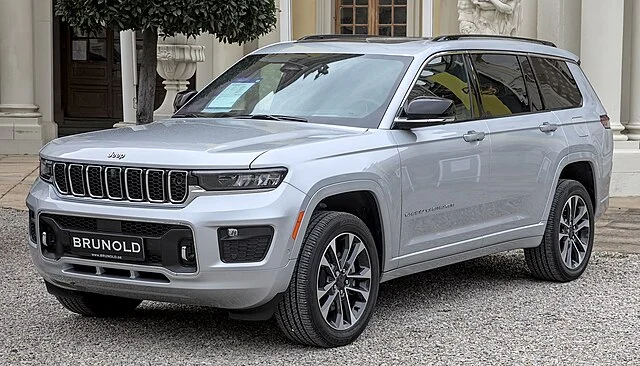
Credit: www.copilotsearch.com
Is It Worth Buying A Jeep Grand Cherokee?
Jeep Grand Cherokees are strong, comfortable, and good for families. But buying a bad year can ruin your experience. If you choose a reliable year, you get a great SUV. If you pick a risky year, you could spend thousands on repairs.
Always check the vehicle history and ask for recall repairs. Use data, not just looks, to choose the right model. If you want more detailed reliability data, visit the official NHTSA site.
Frequently Asked Questions
What Is The Worst Jeep Grand Cherokee Year?
The 2011 Jeep Grand Cherokee is often rated the worst. It has TIPM failures, electrical issues, and many recalls. Owners report frequent stalling and high repair costs.
Are All 2011–2012 Models Bad?
Not every single car is bad, but most have the same electrical and fuel problems. If you buy one, make sure all recalls are fixed and ask for maintenance records.
Which Jeep Grand Cherokee Years Are Best?
The best years are 2004–2006, 2009–2010, and 2019–2021. These models have fewer problems and higher reliability scores.
How Can I Check For Recalls?
Visit the official Jeep website or the NHTSA site. Enter the car’s VIN to see all recalls and if they were fixed.
Is Jeep Grand Cherokee Expensive To Maintain?
Some years are expensive, especially 2011–2016 models. Newer models and older (2004–2006) ones are cheaper to maintain. Always check repair costs before buying.
If you follow these tips and use the data in this guide, you can find a Jeep Grand Cherokee that fits your needs without unwanted surprises. Choose carefully and enjoy the ride.
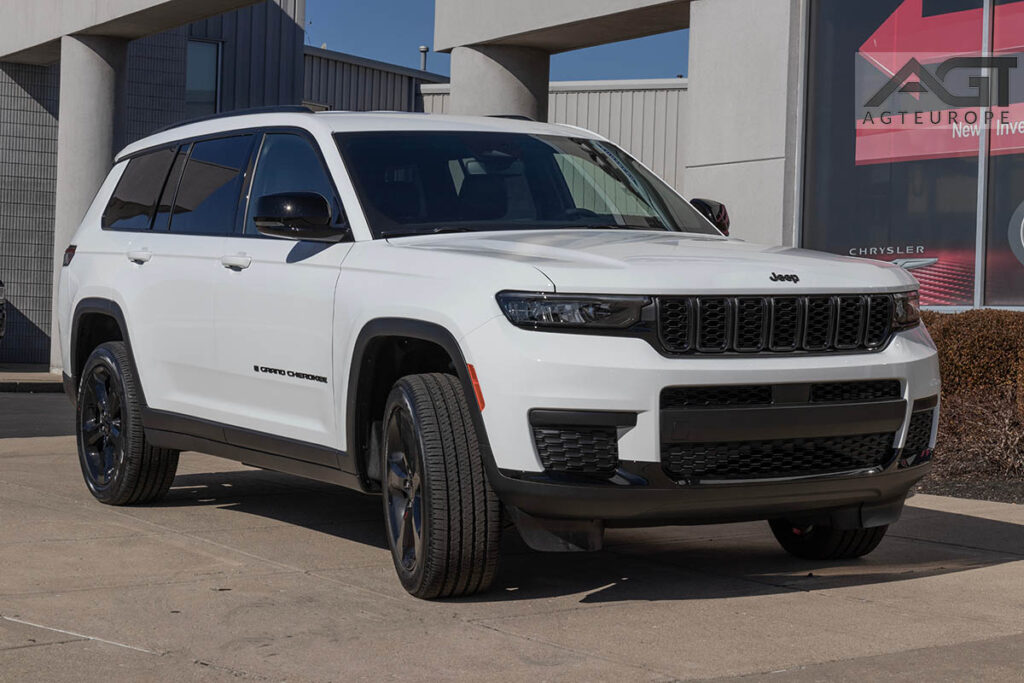
Credit: agtauto.com