How to Use Jeep Wrangler 4 Wheel Drive: Expert Tips & Tricks
 Reading Time: 7 minutes
 If you’re new to off-roading or just bought your first Jeep Wrangler, understanding how to use the 4 wheel drive system is essential. Many beginners worry about damaging their vehicles or getting stuck because they don’t know when and how to switch drive modes. The good news is, once you know the basics, using Jeep Wrangler’s 4WD is simple and makes driving safer in mud, snow, sand, or rocky terrain.
In this guide, you’ll learn about all four Jeep 4WD settings, when to use each, and step-by-step instructions for switching modes. You’ll also see practical tables, common beginner mistakes, and real examples. By the end, you’ll know how to use your Wrangler’s 4WD confidently, even if you’re new to the world of off-roading.
Understanding Jeep Wrangler 4 Wheel Drive
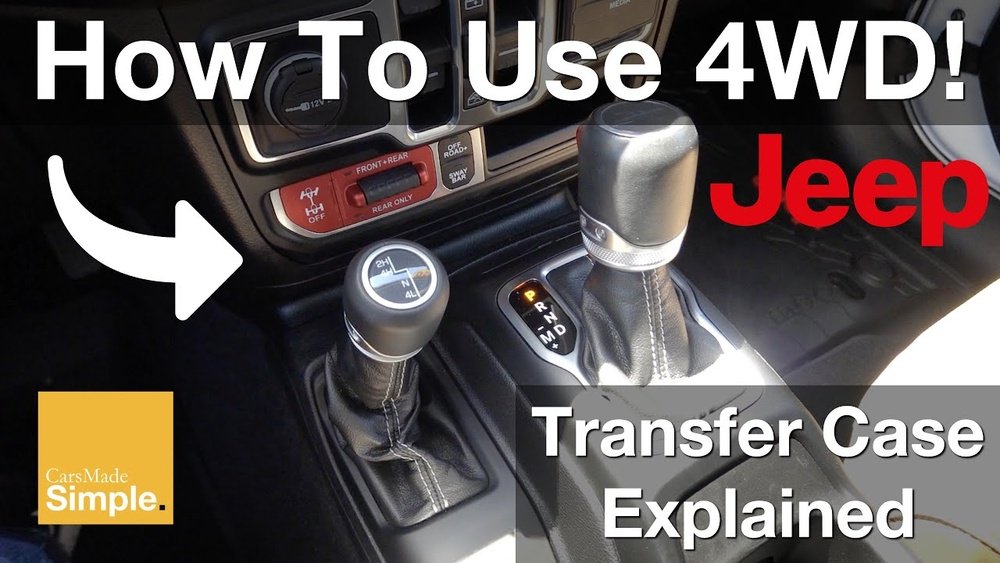
Jeep Wranglers are famous for their ability to handle rough roads and tough weather. Most modern Wranglers use a part-time 4WD system. This means you choose when to turn on or off the 4WD, depending on road conditions.
There are four main 4WD modes:
- 2H (Two High)
- 4H (Four High)
- N (Neutral)
- 4L (Four Low)
Each mode is designed for specific situations. Using the wrong mode can cause extra wear or even damage your Jeep.
Let’s look closely at each mode, how to activate them, and when to use them.
2h (two High): Everyday Driving
2H stands for two-wheel drive, high range. In this mode, the power goes only to the rear wheels. This is the default setting for most driving.
When To Use 2h
- Dry pavement
- Highways
- Normal city or suburban roads
2H gives you:
- The best fuel economy
- Less wear on 4WD parts
- Smooth, quiet driving
How To Use 2h
Your Wrangler starts in 2H by default. No need to do anything special. Just drive as you normally would.
Example
If you’re commuting to work on a sunny day, you’ll want to use 2H. There’s no need for extra traction since the roads are dry.
Key Details
- Never use 4WD modes on dry pavement—this can damage your drivetrain.
- If you’re not sure, start in 2H. Switch only if the road is slippery or rough.
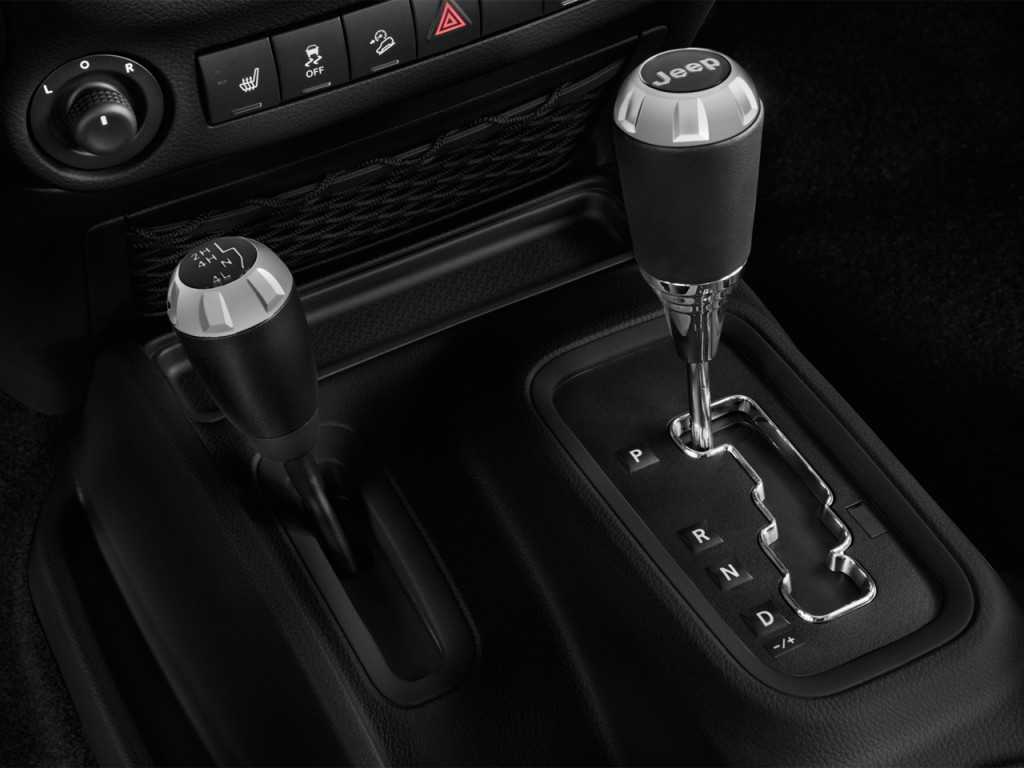
Credit: www.offroadelements.com
4h (four High): Slippery Or Loose Roads
4H means four-wheel drive, high range. This mode sends power to all four wheels, giving you better grip.
When To Use 4h
- Rain, snow, or ice-covered roads
- Gravel, sand, or muddy surfaces
- Light off-road trails
4H helps prevent slipping and gives more control.
How To Shift Into 4h
You can shift into 4H while driving straight at speeds up to 45 mph (usually). Here’s how:
- Take your foot off the accelerator.
- Move the 4WD lever from 2H to 4H (or use the electronic switch, if equipped).
- You’ll feel a small “clunk” or change in the steering.
Tip: Always shift while rolling straight. Turning the wheels can make shifting harder.
Example
You’re driving on a snowy road and feel your tires sliding. Shift into 4H before you lose control.
Data Comparison
Here’s how 2H and 4H compare in common situations:
| Situation | 2H | 4H |
|---|---|---|
| Dry pavement | Best | Not recommended |
| Light snow | Possible (with care) | Ideal |
| Mud or sand | Poor | Better |
Common Mistake
Many beginners forget to shift out of 4H after leaving slippery roads. Driving long distances in 4H on dry roads can strain the system. Switch back to 2H as soon as conditions improve.
N (neutral): Towing And Special Situations
N stands for neutral. In this mode, the transfer case disconnects both drive shafts, so no power goes to the wheels.
When To Use N
- Flat towing your Jeep behind another vehicle (like an RV)
- Certain recovery situations (winching, for example)
Important: Never try to drive with the transfer case in Neutral. The Jeep will not move.
How To Shift Into Neutral
- Park the Jeep and apply the brake.
- Shift the transmission to Neutral (N).
- Move the transfer case lever to N.
Always follow your owner’s manual for flat towing procedures. Mistakes here can damage your transmission.
Example
You want to pull your Jeep behind a motorhome for a road trip. Set the transfer case and transmission to N, then follow the proper towing steps.
Key Details
- Neutral is only for towing or emergency recovery.
- Never leave your Wrangler in Neutral on a hill—use the parking brake.

Credit: www.wikihow.com
4l (four Low): Maximum Traction For Tough Terrain
4L means four-wheel drive, low range. This mode gives you maximum power and control at slow speeds.
When To Use 4l
- Deep mud or snow
- Steep hills (up or down)
- Large rocks or deep ruts
- Deep sand
4L multiplies your engine’s torque, making it easier to crawl over obstacles slowly.
How To Shift Into 4l
Shifting into 4L is a bit different:
- Bring your Jeep to a complete stop.
- Shift the transmission to Neutral.
- Firmly move the 4WD lever from 4H to 4L (you may need to push down slightly).
- Shift the transmission back to Drive (or 1st gear for manual).
You’ll hear a louder “clunk. ” That’s normal.
Tip: Never try to shift into 4L while moving. Always stop first.
Example
You’re driving off-road and approach a steep, rocky climb. Stop, shift into 4L, and crawl up with full control.
Key Details
- 4L is not for highway speeds—it’s only for slow, technical driving.
- Driving too fast in 4L can damage your Jeep.
4h Vs 4l Comparison
| Feature | 4H | 4L |
|---|---|---|
| Speed Range | Up to ~55 mph | Up to ~25 mph |
| Traction Level | Moderate | Maximum |
| Best For | Loose/slippery roads | Rocks, deep mud, steep hills |
How To Switch Between Modes Safely
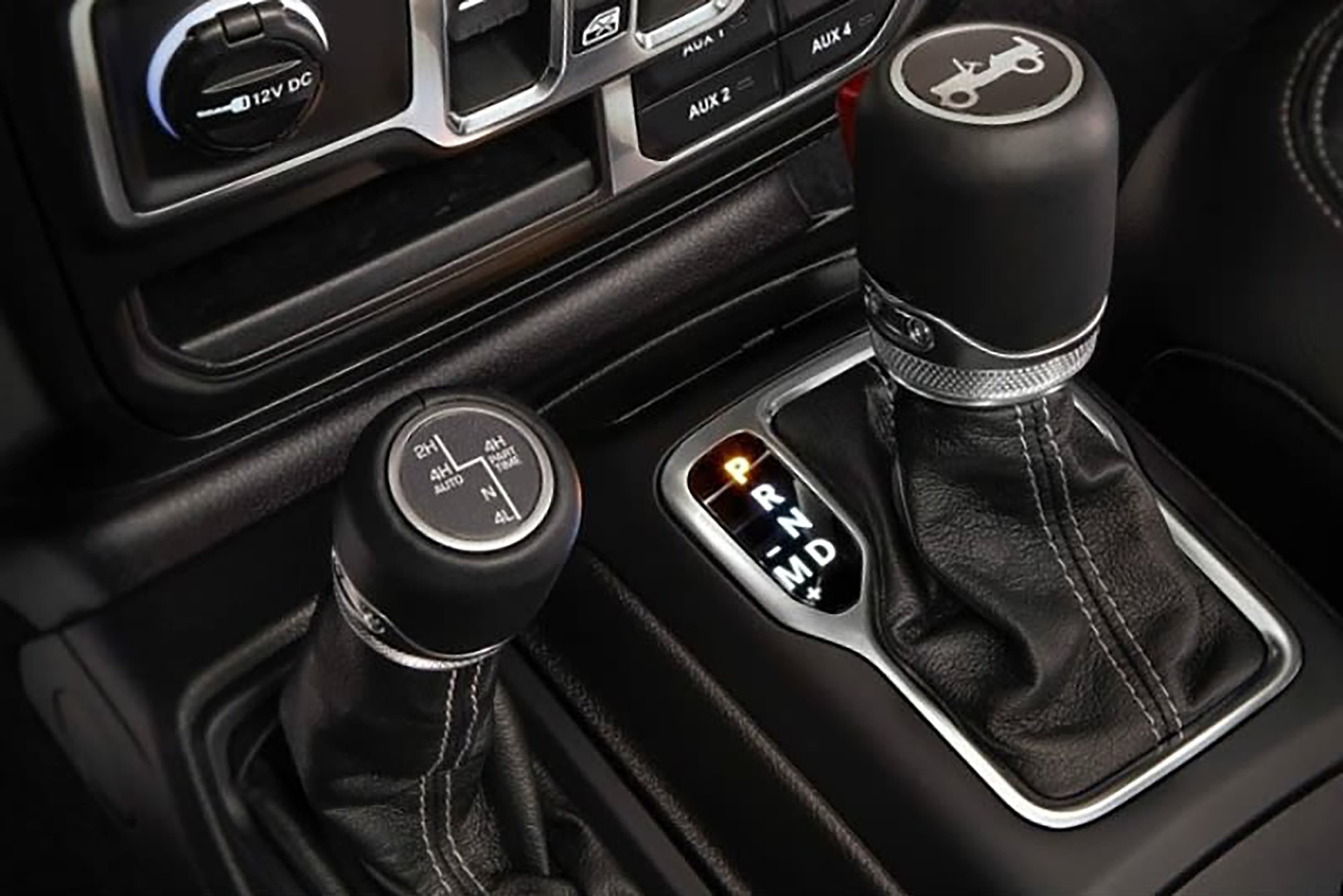
Switching between 2H, 4H, N, and 4L is easy if you follow the right steps.
- For 2H to 4H (and back): Shift on the fly, up to 45 mph, while driving straight.
- For 4H to 4L (and back): Come to a stop, shift transmission to Neutral, then move the lever.
- For N: Only when flat towing or as needed for recovery.
Pro tip: If the lever feels stiff, gently roll the Jeep forward or backward a few inches. This helps the gears align.
Credit: www.quadratec.com
Real-world Scenarios: Which Mode To Use
Let’s look at some typical driving scenarios and which mode to pick:
| Situation | Recommended Mode | Why |
|---|---|---|
| Highway driving | 2H | Best efficiency, least wear |
| Wet city roads | 4H (if slippery) | More grip, safer turns |
| Deep snow off-road | 4L | Maximum torque and control |
| Flat towing | N | Disconnects power for safe towing |
Tips For Beginners
- Always read your owner’s manual for your specific Jeep year/model.
- Practice shifting modes in a safe, empty area before going off-road.
- If you hear grinding or the Jeep won’t shift, stop and try again gently.
- After using 4WD, drive slowly in reverse for a few feet to help disengage.
- Don’t use 4WD on dry pavement—this is called “driveline binding” and can break parts.
Non-obvious insight: Some newer Wranglers have automatic 4WD options. If your Jeep has this, it will handle shifting for you. But you should still know how manual modes work for emergencies.
Common Mistakes To Avoid
- Leaving 4WD on dry pavement: This causes tire wear and stresses your drivetrain.
- Forgetting to slow down in 4L: 4L is only for speeds under 25 mph.
- Not shifting to Neutral before 4L: You must stop and set the transmission to Neutral before engaging 4L.
- Flat towing in the wrong mode: Always use N for the transfer case, and double-check the manual.
- Ignoring warning lights: If you see a 4WD warning on your dash, stop and check the system before continuing.
When To Service Your 4wd System
Like any mechanical system, your 4WD needs regular checks. Here’s when to see a mechanic:
- If you hear strange noises when shifting
- If the 4WD light flashes or stays on
- If the Jeep feels stuck in a mode
Most experts recommend checking the transfer case fluid every 30,000 miles or as your manual says. Regular care keeps your Wrangler ready for any adventure.
Final Thoughts
Learning to use your Jeep Wrangler’s 4 wheel drive is a skill that brings safety and confidence, not just off-road but in daily life. Take time to practice, know when and how to use each mode, and always listen to your Jeep. With a little experience, you’ll handle snow, mud, and rocky trails with ease.
For deeper technical details, you can visit the official Jeep website.
Frequently Asked Questions
What Happens If I Use 4wd On Dry Pavement?
Using 4H or 4L on dry, hard roads can cause “driveline binding.” This means your Jeep’s drivetrain parts fight each other, causing wear or breakage. Always use 2H on dry roads.
Can I Shift From 2h To 4h While Driving?
Yes, you can shift from 2H to 4H while moving, usually up to 45 mph, as long as you’re going straight and the road is slippery. Avoid shifting while turning.
How Do I Know If 4wd Is Engaged?
Most Wranglers have a 4WD light on the dash that turns on when the system is engaged. You may also feel a difference in steering or hear a “clunk” sound.
Is It Okay To Use 4l In Deep Sand?
Yes, 4L is perfect for deep sand, especially if you’re moving slowly and need more power. If you’re driving faster on sand, 4H is usually better.
Do All Jeep Wranglers Have The Same 4wd System?
No. Most use a part-time system, but some newer models offer full-time 4WD or automatic settings. Always check your manual for details about your Wrangler’s system.