2012 Jeep JK Dorman Engine Oil Cooler: Ultimate Upgrade Guide
 Reading Time: 6 minutes
 If you own a 2012 Jeep JK, you probably know how important it is to keep your engine running cool and smooth. One key part in this process is the engine oil cooler. Many Jeep JK owners have faced problems with oil coolers, especially with leaks and overheating. If you’re considering a replacement, the Dorman engine oil cooler is a popular choice. In this article, you’ll learn what this part does, why it matters, how to spot problems, and what to know before buying or installing a Dorman oil cooler on your 2012 Jeep JK.
What Is An Engine Oil Cooler?
An engine oil cooler is a small radiator that lowers the temperature of your engine oil. Cooler oil helps the engine run better and last longer. In the 2012 Jeep JK, this part is especially important because the engine can get hot during off-roading or in heavy traffic.
Why The Oil Cooler Matters
- Prevents overheating: Stops the engine oil from getting too hot.
- Protects engine parts: Reduces wear and tear.
- Improves performance: Keeps oil at the right thickness for smooth running.
A failed oil cooler can cause engine overheating, oil leaks, or even damage to the engine block.
Common Problems With The 2012 Jeep Jk Oil Cooler
Many Jeep JK owners face issues with the factory oil cooler. Here’s what you should know:
- Oil leaks: Cracks or seal failures can cause oil to drip onto other engine parts.
- Coolant mixing: A bad cooler can let oil and coolant mix, which is dangerous for your engine.
- Warning lights: Oil pressure or temperature warning lights may turn on.
Early signs of trouble: If you see oil under your Jeep, notice a burning smell, or spot a drop in oil levels, it’s time to check the cooler.
Why Choose The Dorman Engine Oil Cooler?
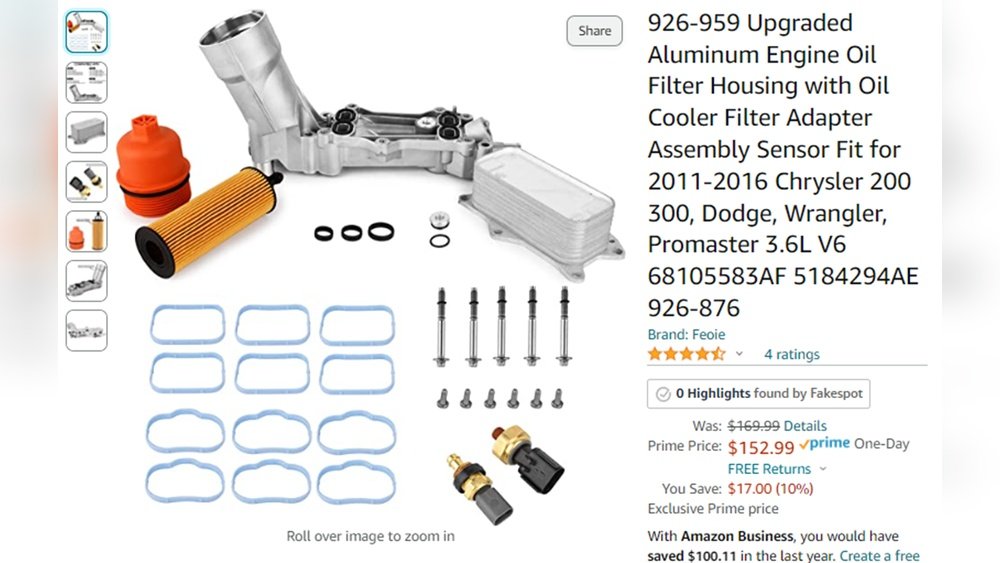
The Dorman engine oil cooler is a popular aftermarket replacement for the 2012 Jeep JK. Here’s why many owners make the switch:
- Direct fit: Made to match the original part for easy installation.
- Improved design: Some models use better materials to avoid cracking.
- Affordable: Often less expensive than OEM (original) parts.
- Available: Easy to find online or in stores.
Key Features
- Aluminum or upgraded plastic housings
- All necessary gaskets and seals included
- Designed for 3.6L Pentastar engine (used in 2012 Jeep JK)
How The Dorman Oil Cooler Compares
It’s smart to compare the Dorman oil cooler with the original and other aftermarket brands. This helps you make the best choice for your Jeep.
Here’s a quick look at the differences:
| Feature | Dorman | OEM (Mopar) | Other Aftermarket |
|---|---|---|---|
| Material | Aluminum/Upgraded Plastic | Plastic | Mostly Plastic |
| Warranty | Limited Lifetime | 1 Year | Varies |
| Price Range | $120 – $180 | $250 – $350 | $100 – $160 |
| Installation Kit | Usually Included | Not Always | Varies |
Most Jeep owners prefer Dorman for its balance of price, durability, and ease of installation.
Signs You Need A New Oil Cooler
Don’t wait until your engine fails. Watch for these warning signs:
- Oil puddles: Under the car or near the transmission
- Coolant in oil: Milky color on the oil dipstick
- Overheating: Rising engine temperature gauge
- Low oil pressure: Warning light or rough engine running
- Burning smell: Often from oil leaking onto hot parts
Replacing the oil cooler quickly can help you avoid costly engine repairs.
Installing A Dorman Oil Cooler: What To Expect
If you’re thinking about replacing the oil cooler yourself, here’s what you should know:
Tools Needed
- Socket set and wrenches
- Screwdriver
- Oil drain pan
- Coolant drain pan
- Torque wrench
- Clean rags
Basic Steps
- Disconnect the battery: Safety first.
- Drain oil and coolant: This prevents spills.
- Remove intake manifold: Gives access to the oil cooler.
- Take out the old cooler: Keep track of bolts and parts.
- Clean the area: Remove old gasket material and oil.
- Install new cooler and gaskets: Follow the torque specs in your manual.
- Reinstall manifold and parts: Double-check connections.
- Add fresh oil and coolant: Fill to the correct levels.
- Start engine and check for leaks: Watch temperature and oil pressure.
Installation Tips
- Take pictures: Before and during disassembly to help with reassembly.
- Use new seals: Always replace gaskets and O-rings.
- Tighten bolts to spec: Over-tightening can crack the cooler.
A first-timer can expect the job to take 3–5 hours. If you’re not comfortable, consider hiring a mechanic.

Credit: www.youtube.com
Real-world Example: 2012 Jeep Jk Owner Experience
Mike, a Jeep JK driver from Arizona, noticed oil spots in his driveway and a strange burning smell. His mechanic found the oil cooler was cracked. He chose a Dorman oil cooler for replacement. After installation, the leaks stopped and the engine ran cooler. Mike saved about $150 compared to the dealership price and was able to get back on the trail the next weekend.
Key Data: How Common Are Oil Cooler Failures?
The 3.6L Pentastar V6 used in the 2012 Jeep JK is known for oil cooler issues. Based on user forums and repair statistics:
- Over 30% of Jeep JKs from 2012–2015 have reported at least one oil cooler replacement by 100,000 miles.
- Most failures are caused by plastic housing cracks or failed gaskets.
- Dorman’s upgraded materials aim to lower this failure rate.

Credit: www.amazon.sa
Cost Breakdown
Understanding the full cost helps you plan better. Here’s what you can expect:
| Item | DIY Cost | Shop Cost |
|---|---|---|
| Dorman Oil Cooler Kit | $120 – $180 | $120 – $180 |
| Engine Oil (5 quarts) | $25 – $40 | $25 – $40 |
| Coolant | $15 – $30 | $15 – $30 |
| Labor | $0 | $400 – $650 |
| Total | $160 – $250 | $560 – $900 |
DIY replacement can save you $400–$650 in labor costs.
Mistakes To Avoid
Many beginners make the same errors when changing their oil cooler:
- Not draining fluids: Can cause big spills and messes.
- Using old gaskets: Leads to leaks soon after installation.
- Not tightening bolts properly: Too loose or too tight can cause problems.
- Skipping manifold cleaning: Dirt can get into the engine.
Always follow the instructions and take your time.
Maintenance Tips For Longer Oil Cooler Life
After you install a new Dorman oil cooler, you can help it last longer by:
- Changing oil regularly: Use the right oil for your Jeep.
- Checking for leaks: Inspect under the hood every oil change.
- Watching the temperature gauge: Don’t ignore rising temps.
- Using quality parts: Cheap parts fail sooner.
- Flushing coolant: Do this every 2–3 years to avoid blockages.
These small steps can keep your engine and oil cooler working their best.
Where To Buy A Dorman Oil Cooler
You can find the Dorman oil cooler at:
- Auto parts stores (like AutoZone or Advance Auto Parts)
- Online retailers (Amazon, RockAuto)
- Local mechanics or Jeep specialists
Always check the part number (usually 918-884 for the 2012 JK) to make sure you get the right fit. For more details, visit the official Dorman Products website.

Credit: trailforged.com
Frequently Asked Questions
How Do I Know If My 2012 Jeep Jk Oil Cooler Is Failing?
Look for oil leaks, drops in oil level, engine overheating, or a burning smell. If you see coolant mixed with oil, it’s a strong sign the cooler has failed.
Is The Dorman Oil Cooler Better Than Oem?
Many owners find the Dorman oil cooler lasts longer due to improved materials. It’s also more affordable. However, OEM parts sometimes fit perfectly and have factory support.
Can I Replace The Oil Cooler Myself?
Yes, if you have basic mechanical skills and tools. The job takes about 3–5 hours. Be careful with gaskets, torque specs, and fluid levels.
Do I Need To Change My Oil And Coolant When Replacing The Cooler?
Yes. Always use new oil and coolant after installation. Old fluids may have mixed or become dirty during the process.
How Long Should A New Oil Cooler Last?
A quality Dorman oil cooler can last 60,000–100,000 miles or more with good maintenance. Regular checks help spot early problems.
Upgrading to a Dorman engine oil cooler is a smart move for many 2012 Jeep JK owners. With better materials, a fair price, and easy installation, it’s a practical way to keep your Jeep running strong. Watch for early warning signs, follow good installation steps, and your engine will thank you with many more miles of adventure.