
2016 Jeep Cherokee Transmission Fluid Dipstick Location Guide
 Reading Time: 7 minutes
 If you own a 2016 Jeep Cherokee, you may wonder how to check your transmission fluid. Unlike older vehicles, finding the transmission fluid dipstick location is not as obvious. This guide will help you locate it, understand why it’s hidden, and explain how to check the fluid level safely. Whether you want to maintain your SUV’s performance or fix a shifting issue, this article will give you clear, step-by-step guidance.
Why Transmission Fluid Matters For Your 2016 Jeep Cherokee
Transmission fluid is the lifeblood of your Cherokee’s transmission. It cools, lubricates, and helps the system shift smoothly. Low or dirty fluid can cause problems such as:
- Hard or delayed shifting
- Strange noises
- Overheating
- Reduced fuel efficiency
- Transmission failure
Most car makers, including Jeep, have made it harder for owners to check transmission fluid themselves. But knowing how and why to check it can prevent expensive damage.
Where Is The Transmission Fluid Dipstick On A 2016 Jeep Cherokee?
The 2016 Jeep Cherokee does not have a traditional, easy-to-find transmission dipstick under the hood. Instead, Jeep uses a sealed transmission system. This means:
- There’s no visible dipstick for quick checks.
- The fluid is meant to last longer, often called “lifetime” fluid.
- Checking or adding fluid is not meant to be done regularly by the owner.
Sealed Transmission Design
Jeep’s engineers designed the transmission to need less maintenance. Instead of a dipstick, there is a transmission fluid fill plug and a check port on the transmission itself, underneath the vehicle. The main reasons:
- Prevents contamination from dirt or debris.
- Reduces owner errors when adding fluid.
- Encourages fluid checks only by trained professionals.
Locating The Dipstick Port
If you want to locate the area where technicians check transmission fluid, you must:
- Raise the vehicle on a lift or jack stands (for safety).
- Look underneath the Jeep, near the transmission pan.
- Find the small fluid level check plug (not a traditional dipstick).
Important: Do not remove any plugs unless you’re confident. Fluid may spill, and overfilling or underfilling can damage the transmission.
How To Check Transmission Fluid On A 2016 Jeep Cherokee
If you’re a DIY person, you can check the transmission fluid level, but it’s more complex than older cars. Here’s a simplified overview:
- Warm up the engine: Drive for 10-15 minutes to get the fluid to operating temperature.
- Level the vehicle: Park on a flat surface and keep the engine running.
- Raise the vehicle: Use a jack and jack stands, or a lift. Safety is essential.
- Locate the check plug: Under the car, find the transmission pan’s side or bottom plug.
- Remove the plug: With the engine running and in Park, carefully loosen the plug.
- Check the fluid: If fluid drips out slowly, the level is correct. If nothing comes out, the level is low.
Tip: Wear gloves and eye protection. Transmission fluid is hot and can cause burns.
Differences Between Traditional And Sealed Transmissions
Here’s a simple comparison to help you understand how the 2016 Cherokee’s system is different.
| Feature | Traditional Transmission | 2016 Jeep Cherokee (Sealed) |
|---|---|---|
| Dipstick Location | Under hood, visible | No visible dipstick |
| Owner Checks | Easy, DIY-friendly | Dealer or skilled DIY only |
| Fluid Service Interval | Every 30,000–60,000 miles | “Lifetime” fluid (check at 100,000 miles) |
Why Did Jeep Remove The Transmission Dipstick?
Modern vehicles, including the 2016 Cherokee, use sealed transmissions for several reasons:
- Longer fluid life: New fluids last longer and don’t need frequent checks.
- Fewer leaks: Fewer openings mean less risk of leaks or contamination.
- Reduced owner error: Incorrect fluid type or level can cause damage.
- Simplified design: Fewer parts under the hood for easier packaging.
While this helps with reliability, it also means owners need special tools and knowledge for checks and changes.
Tools Needed To Check Transmission Fluid
If you plan to check or service your Cherokee’s transmission fluid, you’ll need:
- Jack and jack stands (or a lift)
- Socket set
- Catch pan for fluid
- Transmission fill tool (special funnel or pump)
- New fluid (Mopar-approved ATF)
- Gloves and safety glasses
Some owners buy a special transmission dipstick tool that fits into the dipstick tube (where only technicians usually go). This tool is not included with the vehicle.
Step-by-step: Checking Or Adding Transmission Fluid
Here’s a practical walk-through for beginners who want to check or top off their 2016 Jeep Cherokee transmission fluid:
- Park the vehicle on a level surface and engage the parking brake.
- Start the engine and let it reach normal operating temperature.
- Raise the vehicle securely using a jack and jack stands.
- Find the transmission pan under the car.
- Locate the fluid check plug (usually on the passenger side).
- With the engine running, carefully remove the check plug.
- If fluid trickles out, the level is good. If not, you may need to add fluid.
- To add, use a fill plug on top of the transmission and a special pump.
Caution: Always use the recommended Mopar ATF+4 fluid. Using the wrong fluid can cause transmission failure.
Common Mistakes To Avoid
Many beginners make these errors:
- Checking fluid when cold: The reading will be inaccurate. Always check at operating temperature.
- Overfilling or underfilling: Both can damage your transmission.
- Using the wrong fluid: Only use Mopar-approved ATF+4.
- Not securing the vehicle: Always use jack stands—never rely on a jack alone.
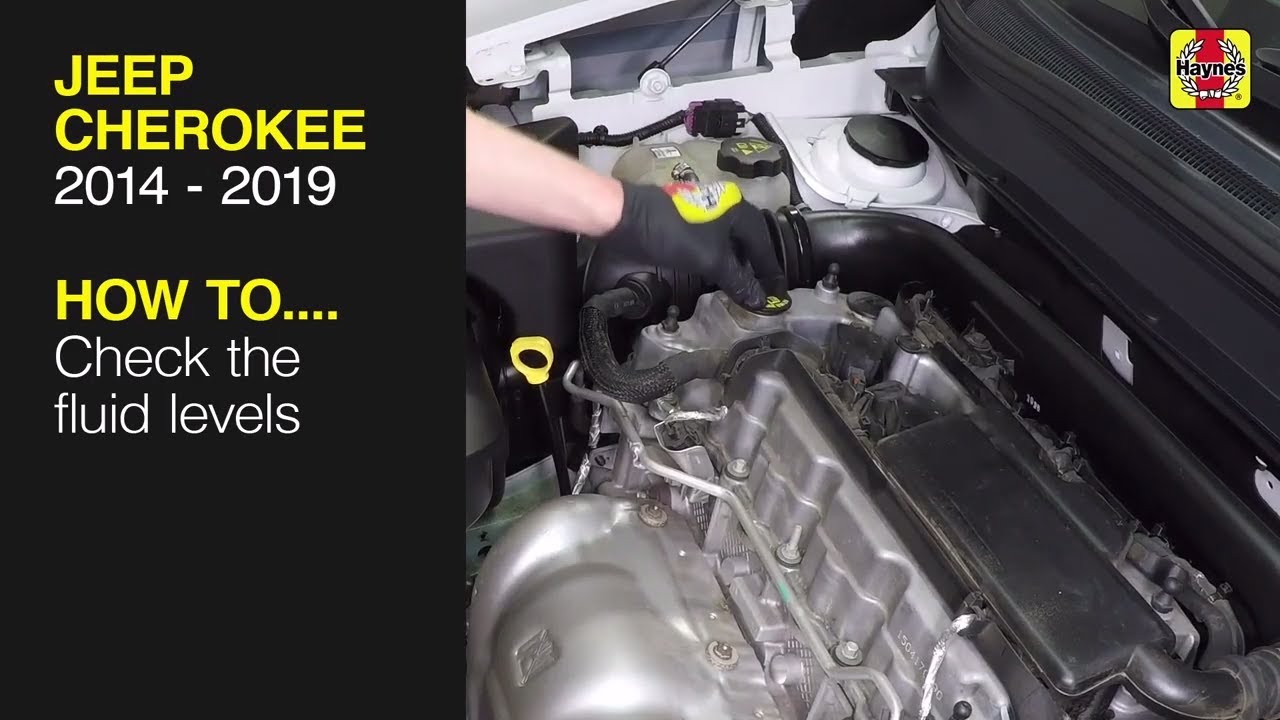
Non-obvious insight: Even small leaks can quickly lower fluid to dangerous levels. Check for drips under your car regularly.
Credit: www.youtube.com
How Often Should You Check Or Change Transmission Fluid?
Jeep suggests that the transmission fluid is “lifetime” under normal driving conditions. In reality:
- Normal driving: Check at 100,000 miles.
- Heavy towing or harsh conditions: Check every 60,000 miles.
- Notice problems: Check fluid as soon as you see slipping or hear strange noises.
While “lifetime” fluid sounds permanent, many mechanics suggest changing at 60,000–100,000 miles to keep your transmission healthy.
Signs Your Transmission Fluid Needs Attention
Watch for these warning signs:
- Delayed or hard shifting
- Red or brown puddles under your Jeep
- Burning smell from the engine bay
- Dashboard warning lights
If you notice any, check your fluid or see a professional right away.

Credit: www.youtube.com
When To Seek Professional Help
While some owners are comfortable with DIY car work, transmission fluid service on a 2016 Jeep Cherokee is best left to experts if:
- You lack proper tools.
- You’re unsure where the plug is.
- You notice unusual transmission problems.
A certified technician can check fluid levels, inspect for leaks, and reset the transmission control module if needed.
Cost To Check Or Change Transmission Fluid
Prices can vary based on location, but here’s a rough guide:
| Service | Dealership Cost | Independent Mechanic | DIY Cost |
|---|---|---|---|
| Fluid Check | $50–$100 | $30–$80 | $0 (if you have tools) |
| Fluid Change | $250–$400 | $150–$300 | $70–$120 (fluid only) |
Example Scenario: Shifting Problems In A 2016 Jeep Cherokee
Imagine your Cherokee starts shifting roughly between gears. You check underneath and see a small red puddle on your driveway. This could mean:
- You have a leak around the transmission pan.
- Fluid is low, causing shifting issues.
In this case, check the fluid level (or have a mechanic do it), top off with Mopar ATF+4, and fix the leak as soon as possible. Ignoring leaks can lead to a failed transmission, which costs thousands to replace.
Transmission Fluid Types For 2016 Jeep Cherokee
Not all transmission fluids are the same. Always use:
- Mopar ATF+4 (Automatic Transmission Fluid)
- Never mix with other types like Dexron or Mercon.
- Using the wrong fluid can void your warranty and damage your transmission.
Diy Vs. Professional Service: What’s Best For Beginners?
If you’re new to car maintenance, the sealed transmission system is tricky. Mistakes can be expensive, so consider:
- DIY checks only if you have the right tools and confidence.
- Regular professional checks during oil changes.
- Watching for warning signs and acting quickly.
Non-obvious insight: Some dealers offer a quick fluid check for free or a low fee during routine service. Take advantage if you’re unsure.
Environmental Concerns And Fluid Disposal
Used transmission fluid is hazardous. Never pour it down the drain or into the trash. Dispose of old fluid at:
- Local auto parts stores (many accept used fluid)
- Recycling centers
Improper disposal can harm the environment and carry fines.
Resources For Further Help
If you want to learn more about the sealed transmission design, official service instructions, or recommended fluids, check the official Jeep owner’s manual or visit NHTSA for recalls and technical bulletins.
Frequently Asked Questions
Where Is The Transmission Fluid Dipstick On A 2016 Jeep Cherokee?
There is no traditional dipstick. The fluid level is checked through a plug on the transmission’s side or bottom, under the vehicle.
Can I Add Transmission Fluid Myself?
It’s possible but not recommended for beginners. You need special tools, the right fluid, and knowledge of the sealed system.
How Often Should I Check Transmission Fluid In My Cherokee?
Under normal driving, check at 100,000 miles or if you see shifting problems. In tough conditions, check every 60,000 miles.
What Fluid Does My 2016 Cherokee Use?
Always use Mopar ATF+4. Other fluids can cause damage or void your warranty.
What Are Signs Of Low Transmission Fluid?
Common signs include hard or delayed shifting, noises, red leaks under the car, and a burning smell.
Keeping your 2016 Jeep Cherokee’s transmission fluid at the right level is crucial for long vehicle life. While checking fluid isn’t as simple as older cars, understanding the system helps you avoid costly repairs. Always use the right fluid, watch for leaks, and seek expert help if unsure.
This approach ensures your Cherokee keeps running smoothly for many miles ahead.

Credit: www.jeepcherokeeclub.com