
Why is My Jeep Fan Running So Loud? Top Causes and Fixes
 Reading Time: 8 minutes
 Why Is My Jeep Fan Running So Loud
If you own a Jeep and suddenly notice that the engine fan is running much louder than usual, it can be both annoying and worrying. Many Jeep owners experience this at some point, often during summer or after some off-roading. A loud fan might sound like a small airplane or a roaring vacuum under your hood. But what does it mean? Is it normal, or is something wrong? Understanding why your Jeep’s fan is so loud helps you avoid bigger problems, saves money, and keeps your vehicle running safely.
What Does The Jeep Fan Do?
The engine cooling fan is a crucial part of your Jeep’s cooling system. Its main job is to pull air through the radiator, which helps cool the engine coolant. This keeps the engine temperature safe, especially when:
- Driving slowly or idling (less airflow from driving)
- Towing heavy loads
- Climbing hills or off-roading
Most modern Jeeps use electric fans controlled by sensors, but some older models have mechanical fans connected to the engine. Both types can become loud for different reasons.
Common Reasons Your Jeep Fan Is So Loud
1. High Engine Temperature
When your Jeep’s engine gets hot, the fan switches to a higher speed to cool things down. This is normal, but if it’s happening all the time, something may be wrong.
Possible causes:
- Low coolant level
- Faulty thermostat
- Radiator problems
- Blocked airflow
If your temperature gauge is in the normal range and the fan quiets down after a while, there may not be a problem. But if you notice overheating or the fan is loud even when the engine is cool, it’s time to check further.
2. Faulty Fan Clutch (mechanical Fans)
Many older Jeep models use a fan clutch that engages the fan when needed. If this clutch gets stuck in the “on” position, the fan runs at full speed, making it much louder.
Signs of a bad fan clutch:
- Loud roaring sound right after starting the engine, even when cold
- Fan does not slow down at highway speeds
- Possible decrease in fuel efficiency
Replacing a bad fan clutch usually solves the noise issue.
3. Electric Fan Running At High Speed
Modern Jeeps use electric fans with different speed settings. If the fan is always on high, it may be due to:
- Faulty temperature sensor
- Bad relay or wiring
- Engine control unit (ECU) error
A scan tool can help diagnose sensor and relay issues.
4. Blocked Or Dirty Radiator
If the radiator is clogged with dirt, bugs, or mud, the fan must work harder to cool the engine. This makes it run louder and longer.
Check for:
- Mud or debris on the radiator fins
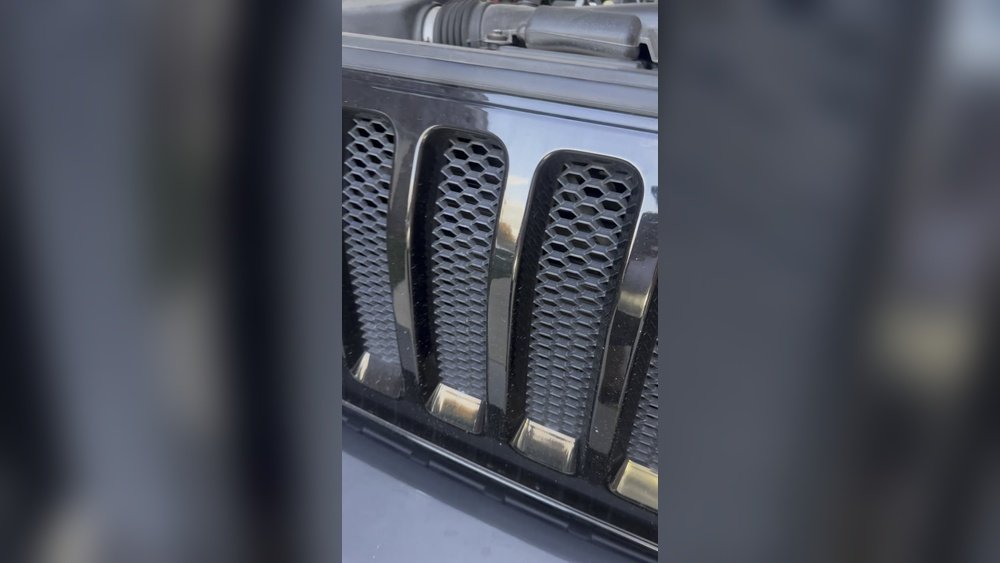
- Leaves or plastic bags stuck in the grille
- Dust from off-road trails
Clean the radiator gently with water to restore normal airflow.
5. Air Conditioning (a/c) Use
When you turn on the A/C, the fan often runs more to keep everything cool. This is normal, but if the fan is extremely loud or never turns off, there might be another issue.
6. Electrical Or Sensor Problems
A faulty engine coolant temperature sensor or a wiring problem may trick the fan into running at high speed all the time. Sometimes, a check engine light (CEL) may also appear.
7. Aftermarket Fan Or Modifications
Some Jeep owners upgrade to high-performance fans for better cooling. These fans are often much louder than stock fans.
You may notice:
- More airflow noise
- Constant high-speed operation
- Less comfort at idle due to noise
If you recently modified your Jeep, check if the new fan is the source.
Credit: jimgloverdodge.com
Comparing Jeep Fan Types
To better understand why your Jeep fan might be loud, it helps to compare the main types of cooling fans used in Jeeps.
| Fan Type | How It Works | Common Noise Issues | Typical Models |
|---|---|---|---|
| Mechanical Fan (with Clutch) | Driven by engine, clutch engages/disengages based on temp | Fan clutch stuck, worn bearings, constant roar | Older Wrangler (TJ, YJ), Cherokee (XJ) |
| Electric Fan | Powered by electric motor, uses sensors for speed control | Faulty relay/sensor, high speed always on, motor noise | Wrangler JK/JL, Grand Cherokee, newer models |
Diagnosing A Loud Jeep Fan: Step-by-step
If your Jeep’s fan is louder than normal, here’s how you can check the problem:
- Check the Temperature Gauge
- Is your engine running hot?
- If yes, address overheating first (coolant, radiator, thermostat).
- Listen to the Sound
- Is it a steady roar (mechanical) or a high-pitched electric noise?
- Does the noise change with engine speed?
- Look for Visible Blockages
- Inspect the radiator and grille for mud, bugs, or trash.
- Check Coolant Level
- Low coolant forces the fan to run more. Top off if needed.
- Test the Fan Clutch (Mechanical)
- With engine off and cool, spin the fan by hand. Should feel some resistance, but not locked or too loose.
- Scan for Trouble Codes
- Use an OBD-II scanner to look for error codes related to cooling system sensors or relays.
- Inspect Fan Relays and Wiring
- Look for burnt, loose, or corroded connections.
- Review Recent Changes
- Did you install a new fan or other engine parts recently?
How Loud Is Too Loud? Data And Real-world Examples
A normal engine fan will make some noise, especially when the engine is hot or the A/C is on. But what is “too loud”?
- Normal idle fan noise: 50–60 dB (like a conversation)
- High-speed fan noise: 70–80 dB (vacuum cleaner or busy street)
- Faulty fan or clutch: 85–95 dB (lawnmower, can be heard across the street)
Some Jeep Wrangler owners have reported fan noise so loud they can’t hear the radio at idle. If your fan drowns out normal conversation or makes a screeching, grinding, or clunking noise, it’s time to check for problems.
When Is A Loud Fan Normal?
It’s important to know that sometimes, a loud fan is working as designed. For example:
- After a long drive or hard off-roading
- When parked in hot weather
- When towing a trailer
- After the engine is turned off (electric fans can run for a while)
If the noise stops after a few minutes, or when the engine cools down, it’s likely normal. But if the fan stays loud or never turns off, take a closer look.
Effects Of Ignoring A Loud Fan
Letting a loud fan problem go can cause:
- Reduced engine cooling (risk of overheating)
- Lower fuel efficiency (fan uses engine power or electricity)
- Possible engine damage from overheating
- Annoying cabin noise
Fixing a loud fan early can save you from expensive repairs and breakdowns.
Preventing Jeep Fan Problems
You can avoid many fan issues with simple maintenance:
- Check coolant level regularly
- Clean the radiator and grille after off-roading or long trips
- Inspect belts and hoses for cracks or leaks
- Replace the fan clutch or electric fan if worn out
- Don’t block the grille with off-road lights or accessories
These small steps can keep your Jeep running cool and quiet.

Credit: www.youtube.com
Jeep Fan Repair Costs: What To Expect
If you need to fix a loud fan, here are some average costs:
| Repair Type | Parts Cost | Labor Cost | Total Estimate |
|---|---|---|---|
| Replace Fan Clutch | $70–$150 | $80–$200 | $150–$350 |
| Replace Electric Fan | $120–$300 | $100–$250 | $220–$550 |
| Replace Temperature Sensor | $20–$60 | $60–$120 | $80–$180 |
Prices vary based on Jeep model, location, and mechanic rates.
Non-obvious Insights Beginners Miss
- Off-road mud and sand can block your radiator more than you realize. Even a thin layer can force the fan to run louder and longer, so always rinse the radiator after trail adventures.
- Low battery voltage sometimes causes electric fans to run abnormally. If your battery or alternator is weak, the fan motor might not work right, leading to unusual noise patterns.
Real-world Example: Jeep Wrangler Jl
Many 2018+ Jeep Wrangler JL owners have complained about a very loud electric fan, especially with the 2. 0L turbo engine. Jeep designed this fan to move a lot of air for the small, high-output engine. While this is normal in hot weather or with the A/C on, if the noise is present all the time, a blocked radiator or faulty sensor is often the cause.
A quick inspection and cleaning usually solves the problem.
When To See A Mechanic
- The fan noise is new and much louder than before
- The fan stays on high all the time, even when cold
- You notice engine overheating or warning lights
- There is a grinding, clicking, or rattling sound
A professional can quickly test sensors, relays, and the fan itself to find the issue.
Credit: jimgloverdodge.com
Frequently Asked Questions
Why Does My Jeep Fan Run After I Turn Off The Engine?
Many newer Jeeps have electric fans that can run for a few minutes after the engine is shut off. This helps cool down the engine and turbocharger. It’s normal as long as the fan stops after a short time.
How Can I Tell If My Jeep’s Fan Clutch Is Bad?
A bad fan clutch often makes a constant loud roar, especially right after starting the engine. If the fan doesn’t slow down at highway speeds or you notice a drop in fuel economy, the clutch may need replacement.
Is A Loud Fan Dangerous For My Jeep?
A loud fan itself is not dangerous, but if it’s running due to overheating or a mechanical problem, it can lead to engine damage. Always check for overheating signs and fix the cause of the noise.
Can I Replace A Jeep Fan Myself?
Many mechanical fans and some electric fans can be replaced with basic tools if you have some DIY experience. Always disconnect the battery before working on electric fans and follow a repair manual for your model. If unsure, seek help from a professional.
Where Can I Find More Information About Jeep Cooling Systems?
A good resource is the official Jeep Wrangler Wikipedia page, which explains different engine and cooling setups for Jeep models.
If your Jeep’s fan is making too much noise, don’t ignore it. Checking the simple things first—like coolant, radiator blockage, and sensor errors—can save you from bigger problems. A healthy cooling system means a longer life for your Jeep and more enjoyable drives, on or off the road.