2016 Jeep Wrangler Blower Motor Resistor Location Guide
 Reading Time: 8 minutes
 The 2016 Jeep Wrangler is known for its rugged design and reliable performance. But like all vehicles, it can have issues with its heating and air conditioning system. One common problem is the blower motor resistor. This small part controls the speed of the fan that blows air into your cabin. If your fan only works on high, or doesn’t work at all, the resistor might be the cause. Finding and replacing this resistor can seem confusing, especially for beginners. This guide will show you exactly where to find the blower motor resistor, how to access it, and what to expect during the process. You’ll also get practical tips, data, and answers to common questions to help you fix your Jeep’s HVAC problem quickly and safely.
What Is A Blower Motor Resistor?
The blower motor resistor is a simple electrical component. It controls how fast the fan blows air through your Jeep’s vents. When you turn your fan speed dial, the resistor changes the voltage sent to the blower motor. This lets you choose low, medium, or high speeds.
- If the resistor fails, you might only get the highest fan speed or none at all.
- This part is essential for comfortable driving in both hot and cold weather.
Example: If your Wrangler’s fan only works on “high,” but not “low” or “medium,” the resistor is likely faulty.
Symptoms Of A Bad Blower Motor Resistor
Knowing the signs of a bad resistor can save you time and money. Here are some common symptoms:
- The fan only works on one speed (usually high).
- The fan doesn’t work at all.
- You hear clicking or strange noises when changing fan speed.
- The air flow feels weak, no matter the setting.
Practical Tip: If your Jeep’s fan stops working on lower speeds, check the resistor before replacing the motor. Many beginners mistakenly replace the motor first.
Credit: www.youtube.com
Locating The Blower Motor Resistor In A 2016 Jeep Wrangler
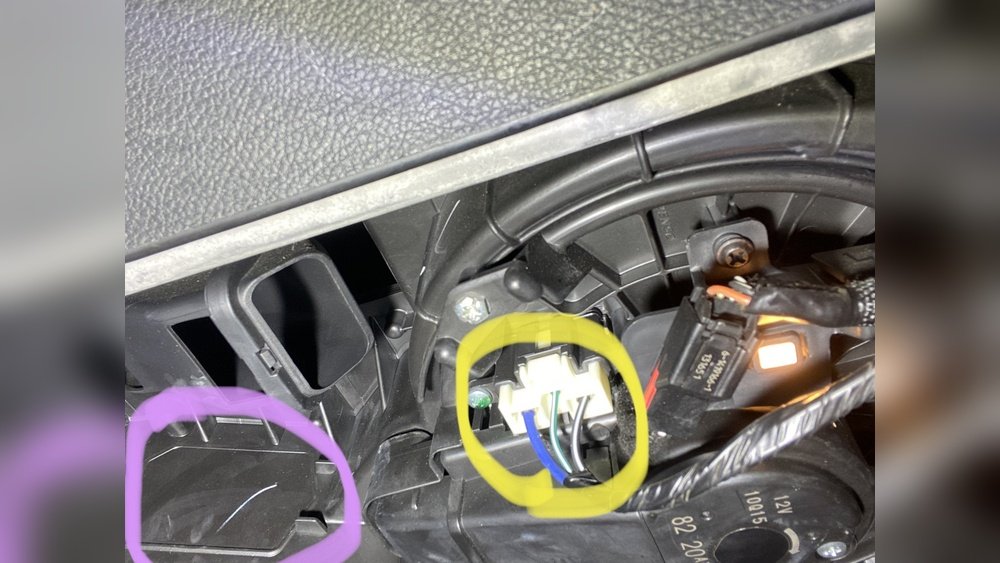
Finding the blower motor resistor location is the most important step. In the 2016 Jeep Wrangler, the resistor is under the dashboard on the passenger side. Here’s how to find it:
- Sit in the passenger seat and look under the glove compartment.
- Locate the blower motor (a round component with wires attached).
- The resistor is mounted next to or on the blower motor, held in place by screws.
Beginner Insight: Many people confuse the resistor with other electrical parts. The resistor is a small, rectangular piece with a wiring harness plugged into it.
Step-by-step Guide To Access The Blower Motor Resistor
You don’t need advanced tools or skills to access the resistor. Here’s a simple step-by-step process:
- Turn off the ignition and disconnect the battery for safety.
- Move the passenger seat backward for more space.
- Remove the glove box if needed (usually by squeezing the sides and pulling it out).
- Look under the dashboard, near the passenger’s feet.
- Find the blower motor and follow the wires to the resistor.
- The resistor is usually attached with two screws and a plastic wiring connector.
Practical Example: Most people use a Phillips screwdriver and basic pliers. No specialty tools are required.
Tools And Materials Needed
Before you start, gather these items:
- Phillips screwdriver
- Pliers
- Replacement blower motor resistor (for 2016 Jeep Wrangler)
- Flashlight (optional for visibility)
- Small container for screws
Pro Tip: Have a clean towel to protect the interior and avoid losing screws.
Removing And Replacing The Blower Motor Resistor
Replacing the resistor is straightforward. Here’s how:
- Unplug the wiring connector from the resistor.
- Remove the screws holding the resistor in place.
- Pull out the old resistor.
- Insert the new resistor and secure it with screws.
- Plug in the wiring connector.
- Reconnect the battery and test the fan speeds.
Common Mistake: Beginners sometimes forget to reconnect the wiring harness, leading to a fan that won’t turn on.

Credit: www.youtube.com
Data: Average Replacement Costs
The blower motor resistor is an affordable part. Here’s a quick comparison:
| Part | Average Cost | Labor Cost | Total Cost |
|---|---|---|---|
| Blower Motor Resistor | $20 – $50 | $60 – $100 | $80 – $150 |
| Blower Motor | $60 – $120 | $100 – $200 | $160 – $320 |
Tip: Many people replace the resistor themselves to save on labor costs.
Why The Location Matters
The resistor’s position under the dash makes it easy to access compared to other vehicles. This is helpful for beginners because:
- No need to remove the dashboard or major panels.
- The repair can be done in less than an hour.
- You avoid complex wiring or hidden screws.
Extra Insight: Some older cars place the resistor behind the dash, making it much harder to reach.
Example: Real Owner Experience
Many Jeep Wrangler owners report that the fan stops working on lower speeds after several years. One owner shared:
- The fan worked only on high.
- They found the resistor under the passenger dash.
- Replacing the part took 30 minutes.
- The fan worked perfectly on all speeds after the fix.
Non-obvious Insight: Dust and moisture under the dash can cause the resistor to fail. Keeping the area clean can help prevent issues.
Comparison: Jeep Wrangler Vs. Other Models
Where Is The Blower Motor Resistor Located In Similar Vehicles?
| Vehicle | Resistor Location | Ease of Access |
|---|---|---|
| 2016 Jeep Wrangler | Passenger side under dash | Easy |
| Ford F-150 | Behind glove box | Moderate |
| Toyota Camry | Behind lower dash panel | Difficult |
Beginner Tip: Always check your vehicle’s manual for exact location, as designs can change.
How Long Does Replacement Take?
For most beginners, the replacement process takes about 30 to 45 minutes. Here’s a simple breakdown:
- Preparation: 10 minutes (tools, safety)
- Removal: 10–15 minutes
- Installation: 10–15 minutes
- Testing: 5 minutes
Bonus Tip: If you’re new to DIY repairs, watch a short video before starting.
Safety Tips For Beginners
Safety matters, even for simple repairs. Here are a few easy tips:
- Disconnect the battery before working with electrical parts.
- Use a flashlight for better visibility under the dash.
- Keep screws and parts organized.
- Don’t force connectors; they should come off easily.
- If unsure, ask a friend or consult a mechanic.
Extra Insight: Static electricity can damage sensitive electrical parts. Touch metal before starting to discharge static.

Credit: www.wranglerforum.com
Troubleshooting After Replacement
Sometimes, the fan still doesn’t work after replacing the resistor. Here’s what to check:
- Is the wiring connector plugged in tightly?
- Are the screws securing the resistor properly?
- Did you reconnect the battery?
- Is the new resistor compatible with your model?
Practical Example: If all speeds still don’t work, the blower motor itself may be faulty.
Common Mistakes And How To Avoid Them
Many beginners make these errors:
- Replacing the wrong part (confusing resistor with relay or motor).
- Not disconnecting the battery before starting.
- Losing screws under the dash.
- Using the wrong resistor for your Jeep model.
Non-obvious Insight: Always match the part number on your old resistor with the new one.
When To Seek Professional Help
If you’re not comfortable working under the dash or if the fan doesn’t work after replacing the resistor, it’s best to see a mechanic. Professionals can:
- Diagnose complex electrical issues.
- Prevent further damage.
- Ensure safety.
Pro Tip: A certified technician can often fix the issue in less than an hour.
Data: How Often Does The Resistor Fail?
Statistics show that blower motor resistors typically last 5–7 years in most vehicles. In Jeep Wranglers:
- Most failures happen after 60,000 miles.
- Dust and moisture speed up wear.
- Using the fan on high for long periods can shorten lifespan.
Extra Insight: Some owners replace the resistor as preventive maintenance.
How To Prevent Future Problems
You can make your resistor last longer with simple habits:
- Clean under the dash regularly.
- Avoid running the fan on maximum speed all the time.
- Check for leaks that might drip onto the resistor.
Practical Example: Use compressed air to blow dust out of the area every few months.
Jeep Wrangler Hvac System Overview
Understanding your Wrangler’s HVAC system helps you diagnose problems. The main parts are:
- Blower motor
- Blower motor resistor
- HVAC control panel
- Wiring harness
- Air ducts
Beginner Insight: If the fan works only on high, the control panel and wiring are usually not the issue.
Useful Resources For Beginners
For more help, visit official Jeep forums, watch repair videos, or check the owner’s manual. A trusted source is:
jeep Official Owners Site
Frequently Asked Questions
Where Exactly Is The Blower Motor Resistor Located In A 2016 Jeep Wrangler?
The resistor is under the dashboard on the passenger side, next to the blower motor. You’ll find it by looking under the glove box and locating a rectangular part with a wiring connector.
What Tools Do I Need To Replace The Blower Motor Resistor?
You’ll need a Phillips screwdriver, pliers, a flashlight, and a replacement resistor. No specialty tools are required for most Jeep Wranglers.
How Much Does It Cost To Replace The Blower Motor Resistor?
The part costs $20–$50, and labor is usually $60–$100. Doing it yourself can save money, as most beginners finish the job in under an hour.
What Happens If The Resistor Is Not The Problem?
If replacing the resistor doesn’t fix your fan, the blower motor or wiring might be faulty. Double-check connections and consider professional help if unsure.
How Can I Prevent My Blower Motor Resistor From Failing?
Keep the area clean, avoid running the fan on high all the time, and check for leaks under the dash. Regular maintenance can extend the part’s life.
Replacing the blower motor resistor in your 2016 Jeep Wrangler is a simple DIY job for most beginners. By understanding the symptoms, knowing where to find the resistor, and following clear steps, you can restore your Jeep’s HVAC system quickly. With the right tools and safety tips, you’ll save money and enjoy comfortable driving again. If you run into problems, don’t hesitate to seek help from a professional or visit trusted resources. This guide gives you everything you need to tackle the job with confidence.