Jeep Cherokee XJ Sway Bar Disconnects: Ultimate Off-Road Upgrade
 Reading Time: 7 minutes
 Jeep Cherokee Xj Sway Bar Disconnects: Beginner’s Guide
The Jeep Cherokee XJ is famous for its off-road abilities and strong design. But if you’re new to off-roading, you might hear people talk about “sway bar disconnects.” It’s easy to feel confused. What are sway bar disconnects? Why do people use them? Should you install them on your XJ? Let’s break down everything you need to know, step by step, in plain English.
What Is A Sway Bar And Why Does It Matter?
The sway bar (also called an anti-roll bar) is part of your Jeep’s suspension. It connects the left and right wheels. The main job is to keep your vehicle stable and stop it from leaning too much when turning.
- On regular roads: It helps the Jeep stay flat during turns, making driving safer and more comfortable.
- Off-road: The sway bar limits how much your wheels move up and down. This is called articulation. More articulation means your tires stay on the ground, which gives better grip on uneven trails.
If you’re driving off-road, sometimes you want your wheels to move more. That’s where sway bar disconnects come in.
What Are Sway Bar Disconnects?
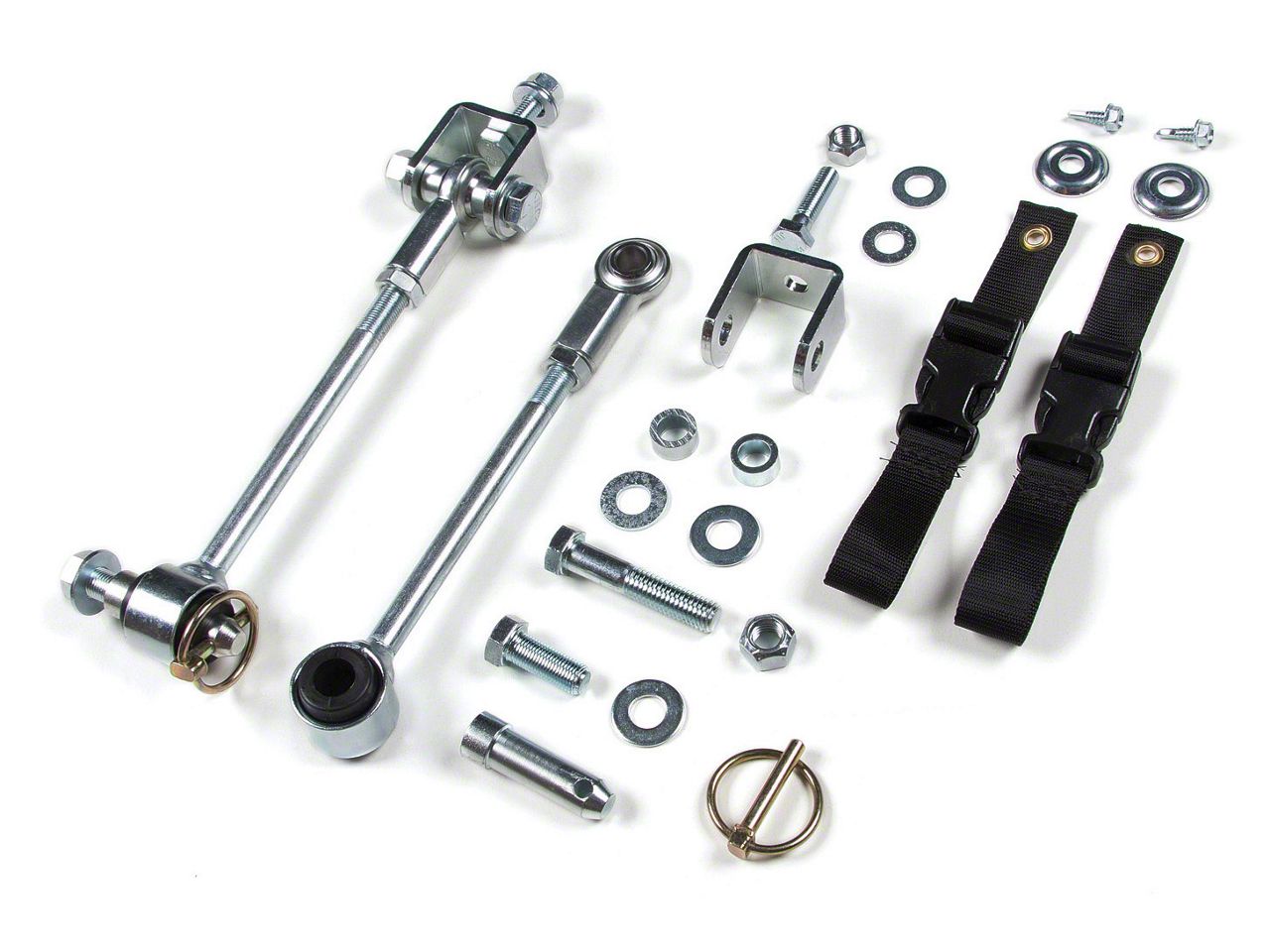
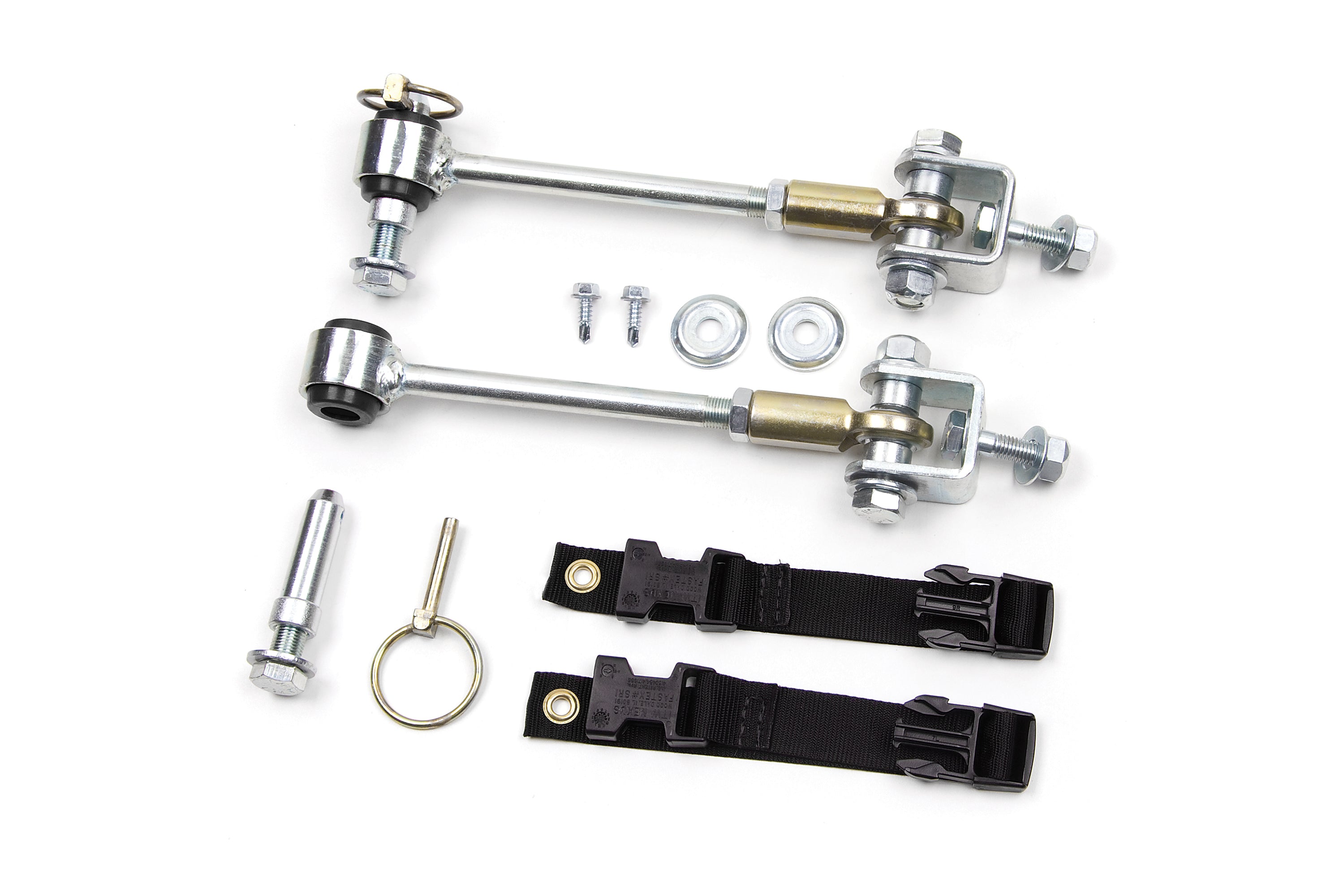
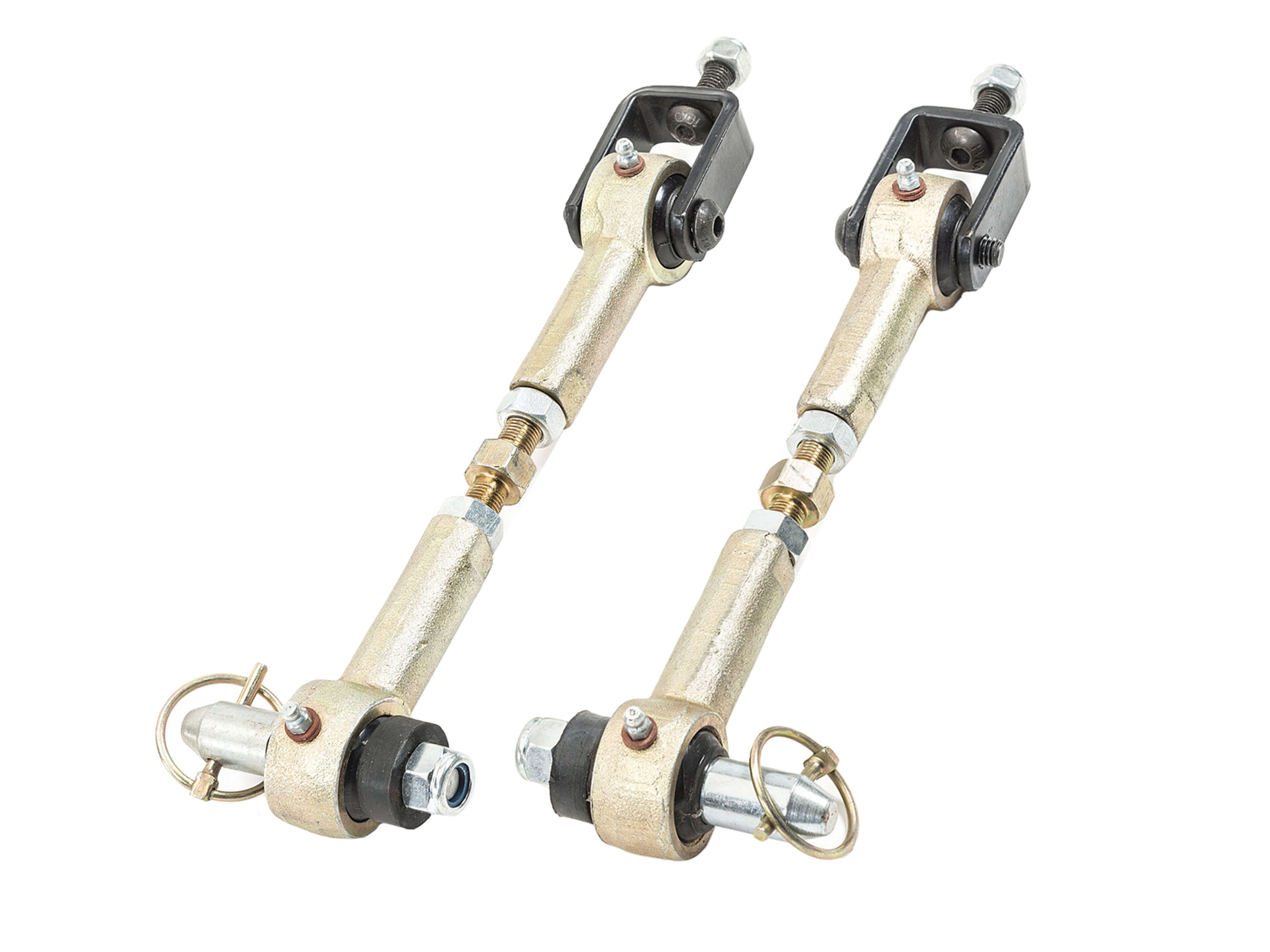
Sway bar disconnects are special parts that let you quickly disconnect (or reconnect) your sway bar. When disconnected, your front wheels can move up and down more freely. This improves traction on rough terrain.
- Easy to use: Most disconnects are simple pins or levers. You can remove them in minutes, even on the trail.
- Reconnect for street use: After off-roading, you reconnect the sway bar for safe driving on highways.
Disconnects are popular on the XJ because:
- The Cherokee has solid axles, which benefit from more articulation.
- It’s a favorite for beginner and expert off-roaders.
Why Should You Use Sway Bar Disconnects On Your Xj?
There are clear benefits for off-roaders:
- Better traction: Your wheels stay in contact with the ground, even on rocks or steep hills.
- More comfort: Less bouncing and jarring when driving over rough surfaces.
- Improved control: You can drive slower and more smoothly without losing grip.
- Safety: Less chance of tipping or sliding in tricky spots.
But there are also drawbacks if you don’t reconnect the sway bar:
- On-road handling becomes worse. The Jeep can lean more in turns, making it harder to control.
- Higher risk of accidents on pavement.
Types Of Sway Bar Disconnects For The Xj
There are several styles. Here’s a simple overview:
- Quick Disconnects
- Most common for the Cherokee.
- Use a pin or clip. Remove the pin, slide out the sway bar, and you’re done.
- Easy to install, even for beginners.
- Manual Disconnects
- Require tools to remove bolts.
- Slower, but cheaper.
- Adjustable Disconnects
- Some let you change the sway bar’s stiffness.
- Useful for advanced users.
- Electronic Disconnects
- Rare on the XJ, mostly found on newer Jeeps.
- Push a button to disconnect.
Most XJ owners choose quick disconnects because they’re affordable and easy to use.
Comparison Of Disconnect Types
Here’s a simple comparison:
| Type | Installation | Ease of Use | Cost |
|---|---|---|---|
| Quick Disconnects | Simple, bolt-on | Very easy | $$ |
| Manual Disconnects | Basic tools needed | Slower | $ |
| Adjustable Disconnects | More complex | Easy to moderate | $$$ |
| Electronic Disconnects | Professional install | Very easy | $$$$ |
How To Choose Sway Bar Disconnects For Your Jeep Cherokee Xj
Picking the right disconnects depends on your needs. Here are important factors to consider:
- Budget: Quick disconnects are usually around $50–$120 per set.
- Skill level: Beginners should look for bolt-on kits with clear instructions.
- Frequency of use: If you disconnect often, pick something simple and fast.
- Lift height: If your XJ has a suspension lift (2” or more), make sure the disconnects fit the new height.
- Brand reputation: Stick with trusted brands like JKS, Rough Country, or Teraflex.
Data Table: Popular Xj Disconnect Brands
| Brand | Price Range | Fitment | User Rating |
|---|---|---|---|
| JKS Manufacturing | $100–$130 | 2–6” lift | 4.7/5 |
| Rough Country | $60–$90 | 2–4.5” lift | 4.4/5 |
| Teraflex | $95–$120 | 2–6” lift | 4.5/5 |
How To Install Sway Bar Disconnects: Step-by-step
Installing quick disconnects is easy for most beginners. Here’s a basic guide:
- Lift the Jeep: Use a jack and jack stands for safety.
- Remove the old sway bar links: Use basic tools (usually a wrench and socket).
- Install the new disconnects: Follow the kit instructions. Most are bolt-on and take 30–60 minutes.
- Check clearance: Make sure the disconnects don’t hit other suspension parts.
- Test: Move the sway bar up and down, and check that the pins lock securely.
Practical tips:
- Grease the pins to prevent rust.
- Keep the old parts in case you need them later.
- Always check for tight bolts before every off-road trip.
Using Sway Bar Disconnects On The Trail
When you reach the trail:
- Park on level ground.
- Remove the pins or clips to disconnect the sway bar.
- Secure the sway bar up and out of the way.
- Drive slowly and carefully. You’ll feel more wheel movement and better grip.
After off-roading:
- Reconnect the sway bar before returning to pavement.
- Double-check that all pins are locked.
Common mistakes:
- Forgetting to reconnect for road driving (dangerous! ).
- Not securing the sway bar properly—can cause damage.
- Leaving pins loose—can lead to failure.
Real-world Example: Off-road Improvement
A beginner XJ owner named Dave installed quick disconnects before a trip to Moab, Utah. On steep rocks, he noticed:
- His Jeep could climb without spinning tires.
- The ride felt smoother over bumps.
- He didn’t get stuck as often.
After reconnecting for the highway, the Jeep handled turns like normal. Dave said the disconnects made his trip safer and more fun.
Credit: www.extremeterrain.com
Sway Bar Disconnects Vs No Disconnects: Practical Data
Here’s a simple comparison showing real differences:
| Feature | With Disconnects | Without Disconnects |
|---|---|---|
| Articulation (flex) | Up to 40% more | Limited by sway bar |
| Traction off-road | Much improved | Lower, more tire lift |
| On-road safety | Normal (when reconnected) | Normal |
| Risk of rollover | Lower off-road | Higher on uneven ground |
Sway Bar Disconnects: Non-obvious Insights
Many beginners miss these points:
- Disconnecting only the front sway bar is common. The rear sway bar is often left connected for safety and stability.
- If you have a big lift (over 4”), the sway bar angle changes. You may need longer disconnects or sway bar relocation brackets.
- The weather matters! Wet or muddy trails make disconnects even more important for keeping tires on the ground.
Credit: zoneoffroad.com
Maintenance And Troubleshooting
To keep your disconnects working:
- Check pins and bushings for wear every month.
- Clean off mud and dirt after each trip.
- Replace any bent or damaged parts immediately.
If you hear clunking or rattling:
- Check that all bolts are tight.
- Look for worn bushings.
- Make sure the sway bar is secured when disconnected.
Legal And Safety Considerations
Some states have vehicle laws about suspension changes. Always:
- Reconnect sway bars for road driving.
- Use disconnects designed for your lift height and Jeep model.
- Never drive fast off-road with disconnected sway bars.
For more details about vehicle safety and sway bars, see Wikipedia’s Anti-roll Bar Article.
Credit: www.rustysoffroad.com
Frequently Asked Questions
What Happens If I Drive On The Street With Sway Bar Disconnects?
Your Jeep will lean more in turns, which can be dangerous. Always reconnect the sway bar before street driving.
Do I Need Disconnects If I Never Go Off-road?
No. Disconnects are only helpful for off-roading. On pavement, they offer no benefit.
Can I Install Sway Bar Disconnects Myself?
Yes. Most kits are designed for simple, bolt-on installation. Basic tools and careful reading of instructions are all you need.
Are Sway Bar Disconnects Safe For Daily Driving?
If you reconnect them after off-road use, they are as safe as stock sway bar links. Never leave them disconnected for street driving.
Will Disconnects Work With A Lifted Xj?
Yes, but you must buy disconnects that match your lift height. Check manufacturer specs before buying.
Wrapping Up
If you own a Jeep Cherokee XJ and plan to go off-road, sway bar disconnects are one of the best upgrades you can make. They give your Jeep better grip, smoother rides, and safer performance on tough terrain. Beginners can install them easily and enjoy the benefits right away. Just remember to reconnect them for street driving and do regular maintenance. With the right disconnects, your XJ will be ready for adventure—on the trail and on the highway.