Is a Jeep Liberty a Good Car? Pros, Cons, and Expert Insights
 Reading Time: 7 minutes
 Is A Jeep Liberty A Good Car?
If you are thinking about buying a used SUV, the Jeep Liberty might be on your list. This compact SUV was produced by Jeep from 2002 to 2012. Many people are attracted by its rugged look and the Jeep brand’s reputation for off-road vehicles. But is the Jeep Liberty actually a good car, especially for daily driving? Let’s look at its strengths, weaknesses, and what real owners have experienced.
Overview Of The Jeep Liberty
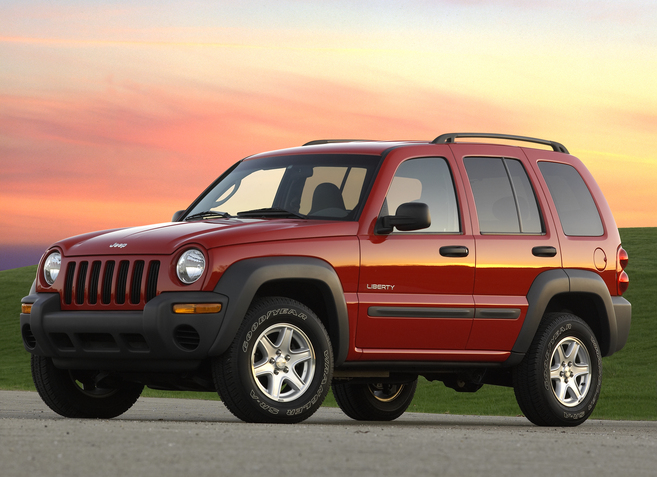
The Jeep Liberty was introduced as a smaller alternative to the Jeep Grand Cherokee. It aimed to offer solid off-road performance but in a more compact size. It went through two generations:
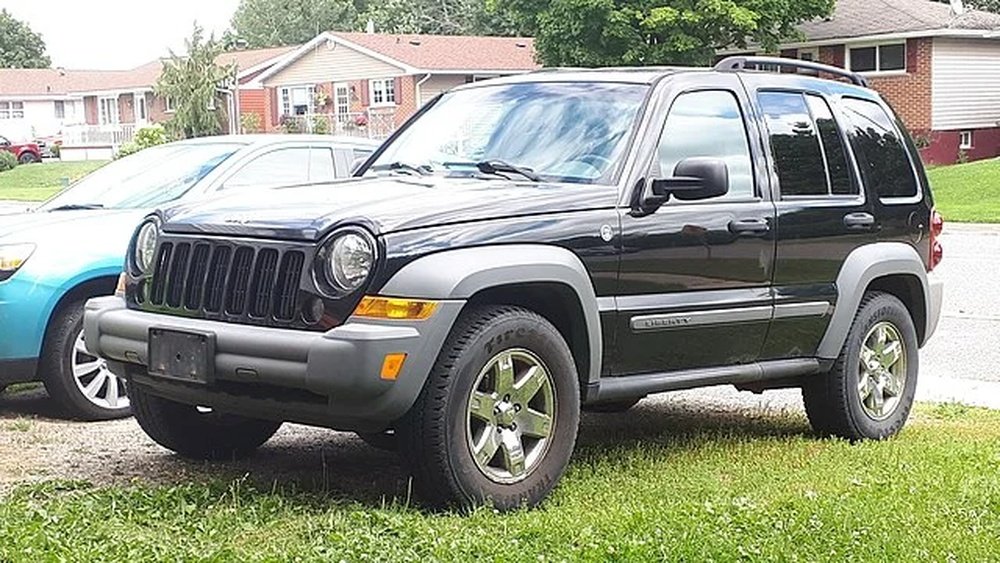
- First generation (2002–2007): Boxy shape, strong off-road focus, and available with a diesel engine for a few years.
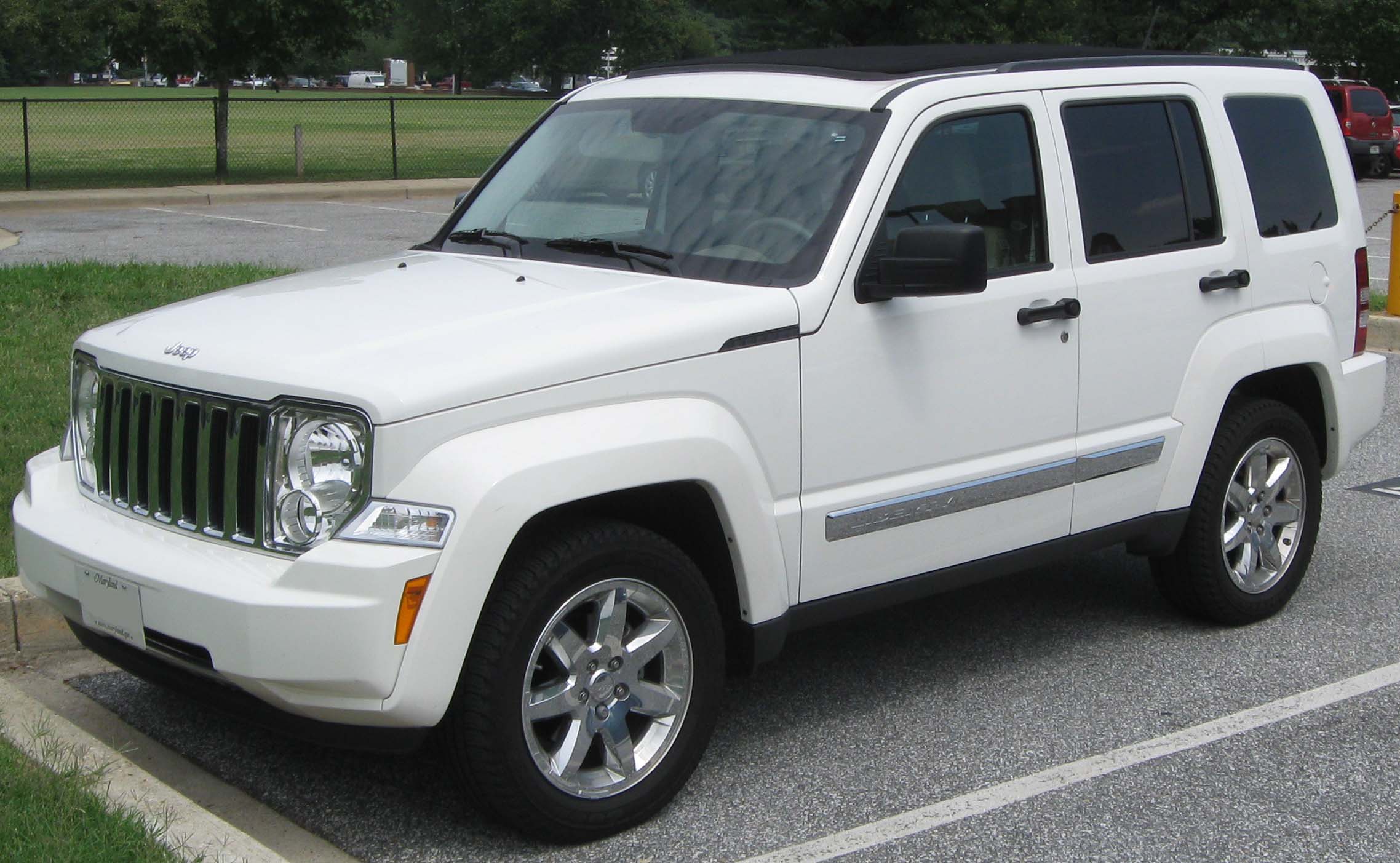
- Second generation (2008–2012): More modern look, improved safety, and more comfort features.
Both versions offer a mix of city and off-road capability. However, the Liberty was discontinued after 2012 and replaced by the Jeep Cherokee.
Key Features And Specifications
Understanding the main features helps you know what the Jeep Liberty offers. Here’s a quick comparison of both generations:
| Feature | 2002–2007 | 2008–2012 |
|---|---|---|
| Engine Options | 2.4L I4, 3.7L V6, 2.8L Diesel | 3.7L V6 only |
| Transmission | 5-Speed Manual, 4-Speed Auto | 4-Speed or 5-Speed Auto |
| Drivetrain | RWD, Part-Time/Full-Time 4WD | RWD, Part-Time 4WD |
| Fuel Economy (mpg) | 15–22 | 15–21 |
| Towing Capacity (lbs) | Up to 5,000 | Up to 5,000 |
Credit: en.wikipedia.org
Strengths Of The Jeep Liberty
The Liberty has some features that make it appealing to certain drivers. Here are its main strengths:
- Off-Road Capability
- Designed for real off-road use.
- Short wheelbase and high ground clearance.
- Available with Jeep’s Trail Rated 4×4 systems.
- Good for camping, mountain roads, or snow.
- Towing Power
- Can tow up to 5,000 pounds when properly equipped.
- Useful for small trailers, boats, or work equipment.
- Affordable Price
- Used Jeep Libertys are often cheaper than similar SUVs.
- Good option for buyers on a tight budget.
- Rugged Styling
- The classic Jeep look attracts fans.
- Boxy shape stands out from other compact SUVs.
- Simple Interior Controls
- Easy-to-use buttons and switches.
- Less confusing for new drivers or those who prefer basic controls.
Weaknesses And Common Issues
While the Jeep Liberty has strengths, it’s important to know its weaknesses before buying. Many owners have reported the following problems:
- Poor Fuel Economy
- Real-world fuel economy is often 15–18 mpg.
- Not a good choice if you drive long distances every day.
- Reliability Concerns
- Some models have frequent repairs, especially as they get older.
- Common issues include window regulators, suspension parts, and transmission problems.
- Rough Ride and Handling
- The ride can feel stiff and bumpy on city roads.
- Handling is less sharp than other compact SUVs.
- Interior Quality
- Hard plastics and basic materials.
- Feels less refined compared to rivals like the Honda CR-V or Toyota RAV4.
- Limited Back Seat Space
- Rear seats are tight for adults on long trips.
- Not the best family car if you need lots of room.
Credit: www.kbb.com
Reliability: What Do Owners Say?
Reliability is a key factor for any used car. Let’s look at what data and real owners say about the Jeep Liberty:
- J.D. Power reliability ratings: Most model years score below average.
- Consumer Reports: Lists the Liberty as “worse than average” in reliability.
- Common repairs: Window regulators, water pumps, ball joints, and transmission failures.
Still, some owners have gone over 150,000 miles with only regular maintenance. Proper care and timely repairs make a big difference.
Here’s a look at average repair costs compared to competitors:
| Model | Annual Maintenance Cost | Common Issues |
|---|---|---|
| Jeep Liberty | $475–$650 | Windows, Suspension, Transmission |
| Toyota RAV4 | $350–$480 | Minor Electrical, Brakes |
| Honda CR-V | $330–$470 | AC, Brakes, Engine Mounts |
Insight: The Jeep Liberty usually costs more to maintain than Japanese rivals. Parts are not expensive, but labor adds up due to frequent repairs.
Performance: On-road And Off-road
On-road
- Acceleration: The V6 engine gives enough power for city and highway, but feels slow compared to newer SUVs.
- Braking: Average braking distance, but some models have spongy pedal feel.
- Noise: Wind and road noise are higher, especially at highway speeds.
Off-road
- 4×4 Capability: True low-range transfer case in many models.
- Ground Clearance: 8–9 inches, which is good for rocks and deep snow.
- Skid Plates: Some trims include extra protection for the underbody.
Non-obvious insight: Many compact SUVs only “look” tough. The Liberty actually delivers in mud and rough terrain, but you pay for that with lower comfort on paved roads.
Safety Ratings And Features
Safety is important for families and new drivers. How does the Liberty do here?
- Crash Test Ratings: Moderate. The NHTSA gave most years 3–4 stars out of 5.
- Airbags: Front and side airbags standard in later models.
- Stability Control: Standard from 2006 onward.
- Child Seat Anchors: Included, but back seat space is tight.
Practical tip: The Liberty does not have advanced safety tech (like blind spot warning or lane-keep assist) found in modern SUVs.
Interior And Cargo Space
Inside, the Jeep Liberty is straightforward but not luxurious.
- Seats: Firm, with simple adjustment. Leather available on higher trims.
- Cargo space: With back seats up, about 31 cubic feet. Fold seats down for over 60 cubic feet.
- Storage: Small center console, big door pockets, and several cup holders.
Here’s a quick look at cargo space compared to similar SUVs:
| Model | Cargo Space (seats up) | Cargo Space (seats down) |
|---|---|---|
| Jeep Liberty | 31 cu ft | 64 cu ft |
| Toyota RAV4 | 36 cu ft | 73 cu ft |
| Honda CR-V | 35 cu ft | 72 cu ft |
Bottom line: The Liberty offers decent cargo space but is less than top competitors.
Credit: www.carfax.com
Who Should Consider A Jeep Liberty?
The Jeep Liberty is a good fit for some drivers, but not for everyone. Here’s who should think about it:
- Outdoor enthusiasts: If you go off-road, camp, or need 4×4 for snow, the Liberty is a solid choice.
- Towing small trailers: Its 5,000-pound towing capacity beats most compact SUVs.
- Budget buyers: If you find a well-maintained Liberty at a low price, it could be a good deal.
But it’s not the best for:
- Daily commuters: High fuel costs and rough ride can make city driving tiring.
- Families: Limited back seat space and average safety ratings.
- Drivers wanting low maintenance: More repairs than some rivals.
Non-obvious insight: Check for rust on the underbody and frame, especially in areas with winter road salt. This can be a hidden problem that leads to costly repairs.
What To Check Before Buying A Used Jeep Liberty
If you’re considering a used Liberty, here’s what you should check:
- Full service history: Make sure the owner did regular oil changes and repairs.
- Test the windows: Window regulators are a common failure point.
- Check for transmission shifts: Hard or slipping shifts are a warning sign.
- Listen for suspension noise: Clunks or rattles mean worn parts.
- Look for leaks: Both the engine and transmission have had leak problems.
- Inspect the frame: Rust can be a deal-breaker.
Pro tip: Bring a mechanic or get a pre-purchase inspection. This small investment can save you from buying a problem car.
Alternatives To Consider
The compact SUV market has many good options. If the Jeep Liberty does not fit your needs, look at these alternatives:
- Toyota RAV4: Excellent reliability, more cargo space, better fuel economy.
- Honda CR-V: Smooth ride, roomy interior, low maintenance costs.
- Ford Escape: More modern features, but less off-road ability.
- Subaru Forester: Great in snow, all-wheel drive standard, good resale value.
Each of these offers a different mix of reliability, comfort, and capability. If you need true off-road power, the Liberty stands out. But if you want a comfortable daily driver, consider these other choices.
For more details on compact SUVs, see the full comparison at Wikipedia.
Frequently Asked Questions
Is The Jeep Liberty Reliable?
The Jeep Liberty is less reliable than most compact SUVs. It often needs more repairs, especially for the windows, suspension, and transmission. Some owners reach high mileage with regular care, but most report more problems than Toyota or Honda models.
What Is The Fuel Economy Of A Jeep Liberty?
The fuel economy is not great. Expect 15–21 mpg, depending on your driving style and the engine. This is lower than most other compact SUVs, which can reach over 25 mpg.
Can The Jeep Liberty Go Off-road?
Yes, the Liberty is good off-road. It has real 4×4 systems, good ground clearance, and skid plates on some models. It’s better off-road than most compact SUVs, but rides rough on city streets.
How Much Does It Cost To Maintain A Jeep Liberty?
Annual maintenance costs are usually $475–$650. Repairs are more frequent than with some competitors, so budget for extra costs, especially on high-mileage vehicles.
Is The Jeep Liberty A Good Family Car?
It’s not the best choice for families. The back seat is small, and safety ratings are average. If you need space and comfort for kids, a Toyota RAV4 or Honda CR-V is a better fit.
Final Thoughts
So, is a Jeep Liberty a good car? It depends on what you need. If you want a rugged SUV for off-road use, towing, and a low purchase price, the Liberty offers value. However, if you want comfort, reliability, and low running costs, other compact SUVs are better.
Always check any used Liberty carefully before buying, and consider the total cost of ownership—not just the price. A well-maintained Liberty can serve you well, but it’s not the easiest or cheapest SUV to live with. Choose wisely based on your driving needs.