Best LED Lighting Upgrades for Jeep and Off-Road Vehicles: A Practical Guide
 Reading Time: 4 minutes
 Introduction
Off-Road and Night Driving Challenges
Driving off-road or at night introduces unique challenges, including:
- Uneven terrain, where rocks, slopes, and obstacles require constant attention
- Unlit or remote roads, with little to no ambient lighting
- Changing weather conditions, such as rain, fog, or dust
These factors significantly reduce visibility and make it harder for drivers to respond quickly and safely.
Visibility Equals Safety and Control
In these environments, lighting directly affects:
- Driver safety, by improving reaction time
- Vehicle control, particularly on rough or unpredictable terrain
- Confidence, when navigating unfamiliar trails
Clear and consistent illumination helps drivers anticipate hazards and maintain control in low-light conditions.
Why Upgrading Headlights Matters
Because off-road driving often occurs in demanding conditions, upgrading vehicle lighting has become increasingly important. Modern upgrades provide:
- Reliable visibility
- Stable light output
- Enhanced driving comfort
Lighting is no longer just a feature—it is a critical safety component for off-road and low-light driving.
Why Lighting Matters More for Off-Road and Jeep Drivers
Challenging Driving Environments
Off-road and Jeep drivers often face:
- Unpaved roads, with uneven surfaces and hidden obstacles
- No street lighting, especially in remote areas
- Complex terrain, such as mud, rocks, and narrow trails
Standard factory headlights often do not provide sufficient coverage or stability for these conditions.
Limitations of Standard Headlights
Traditional halogen bulbs usually have:
- Short illumination distance
- Uneven light distribution
- Lower resistance to environmental factors
These limitations can reduce safety and driver confidence in off-road scenarios.
Key Benefits of Car LED Lights
Modern car led lights provide stronger visibility, better beam control, and improved durability, making them ideal for both daily driving and off-road conditions.
Advantages
- Longer illumination distance, helping detect obstacles sooner
- Stable and focused beam patterns, providing consistent light coverage
- Improved durability, resistant to vibrations and rough terrain
- Optimized for challenging environments, including mud, dust, and rain
LED headlights offer drivers a practical upgrade without adding complexity, improving safety and performance in diverse driving conditions.
Beam Pattern and Light Coverage in Off-Road Conditions
Proper beam distribution is more important than raw brightness. Off-road drivers should understand:
- Flood vs Spot Beams: Flood lights cover a wide area for peripheral awareness, while spot beams reach farther for distance visibility.
- Cutoff vs Diffused Light: Clear cutoff lines prevent glare; diffused light ensures coverage on side trails and obstacles.
For off-road safety, strategically distributed illumination reduces hazards and improves control.
Durability and Reliability in Harsh Environments
Off-road driving exposes headlights to:
- Vibration, from rough terrain
- Mud, water, and dust, which can compromise standard bulbs
- Extreme temperature changes, affecting light consistency
LED headlights are designed to withstand these conditions. Compared to halogen, they offer longer lifespan, lower maintenance, and reliable performance, ensuring better safety and visibility.
What to Look for in LED Lighting for Automotive Use
When choosing led for automotive applications, focus on:
- Plug-and-Play Installation: Quick and simple setup without wiring modifications
- Water and Dust Resistance: Protects bulbs from off-road conditions
- Efficient Heat Dissipation: Maintains stable output and extends lifespan
- Proper Fitment: Ensures correct alignment and consistent illumination
Selecting a system with these features provides a safer and more reliable driving experience.
Why Many Jeep Owners Prefer Plug-and-Play LED Upgrades
Jeep and off-road enthusiasts enjoy DIY upgrades but prefer convenience. Common concerns include:
- Avoiding complex wiring
- Not dealing with external drivers or components
- Preventing installation errors
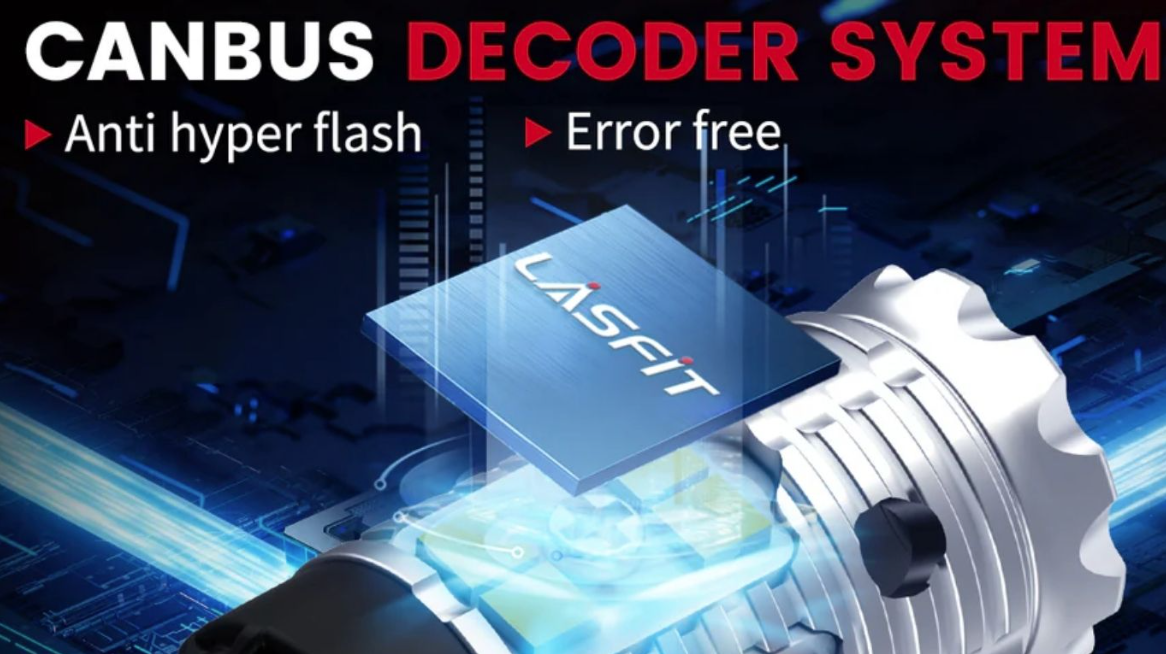
Many drivers now prefer all-in-one LED solutions that fit factory housings and are easy to install. Brands like Lasfit have gained attention for providing plug-and-play designs with stable beam performance, making them a practical choice for both everyday and off-road driving.
Common Mistakes When Upgrading Off-Road Lighting
To maximize benefits, drivers should avoid common errors:
- Focusing only on brightness: High lumens alone do not guarantee better visibility
- Ignoring beam pattern quality: Uneven lighting can blind drivers or create dark spots
- Incorrect installation or alignment: Mispositioned bulbs reduce effectiveness and safety
- Neglecting water and dust protection: Non-sealed bulbs may fail quickly in off-road conditions
Avoiding these mistakes ensures safer and more reliable lighting performance.
Are LED Upgrades Worth It for Jeep and Off-Road Drivers?
LED headlights are a practical upgrade, providing:
- Enhanced safety, with clearer visibility for obstacles and terrain
- Improved vehicle control, thanks to stable and even illumination
- Better overall driving experience, reducing eye strain and increasing confidence
They are more than just cosmetic improvements—they are functional upgrades for off-road and everyday driving.
Conclusion
Lighting is a critical component for off-road and low-light driving. Upgrading to LED headlights offers practical benefits, including:
- Clearer visibility for safer driving
- Improved energy efficiency and reduced maintenance
- Stable and consistent performance in harsh conditions
For drivers frequently tackling challenging terrain, Lasfit provides a reliable, plug-and-play option that balances performance and ease of use, making it an excellent choice for Jeep and off-road enthusiasts seeking a safer and more controlled driving experience.
Read Also: Where is Battery on Jeep Grand Cherokee