How to Remove Hard Top Jeep Wrangler 2 Door: Easy Guide
 Reading Time: 7 minutes
 Removing the hard top from a Jeep Wrangler 2 Door is a task that many owners want to do themselves. Whether you want to enjoy open-air driving, store your top safely for summer, or clean your Jeep more easily, knowing how to remove the hard top is a valuable skill. Many beginners feel nervous at first, but with the right steps and some preparation, you can do it without damaging your Jeep or the top itself. This guide will walk you through every part of the process in simple language, with tips that even experienced owners sometimes miss.
Why Remove The Hard Top?
The Jeep Wrangler 2 Door is famous for its versatility. Taking off the hard top gives you the classic open-air experience that makes Jeep unique. Many drivers remove the hard top in spring or early summer for:
- Better airflow and sunlight
- A more adventurous driving feeling
- Easier cleaning and maintenance
- Lower weight and slightly better fuel economy
Jeep Wranglers are designed for easy hard top removal, but it does require some time and care. Mistakes can lead to scratches, broken parts, or even injuries. Knowing the steps helps you avoid these problems and makes the process much faster.
Tools And Preparation
Before you start, gather all the tools and items you will need. This saves time and prevents damage.
Essential Tools:
- T40 Torx bit (for main bolts)
- Ratchet wrench (or cordless drill with Torx bit)
- Soft cloth or towel (to protect paint)
- Storage bags (for bolts and small hardware)
- Helper (recommended, but not strictly required)
Optional Tools:
- Hard top hoist (for single-person removal)
- Foam pads or blankets (to rest the top on the ground)
Pro tip: Never use a regular screwdriver or incorrect size bit. This can strip the bolts and make future removal much harder.
Safety: The hard top is heavy (about 85-95 lbs for the 2 door version). Always lift with your legs, not your back, and avoid sudden movements.
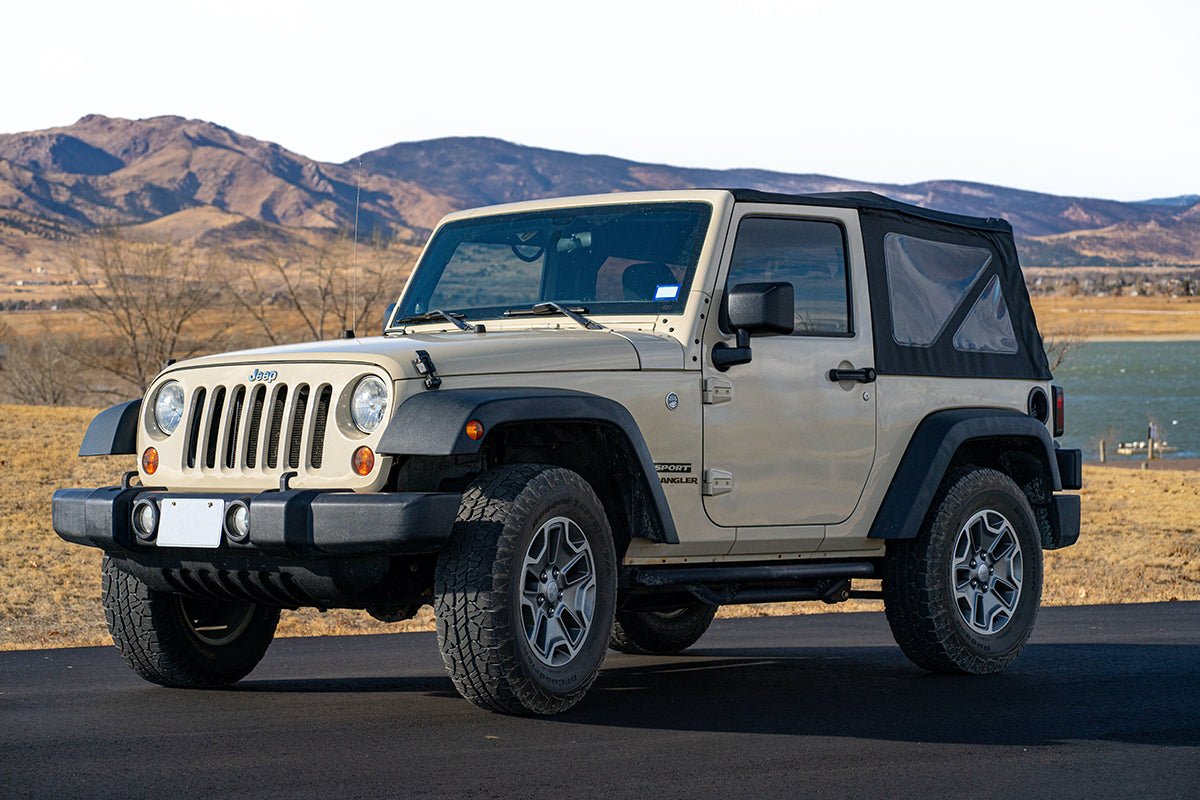
Credit: topliftpros.com
Step-by-step Removal Process
Follow these steps to remove the hard top safely and efficiently.
1. Park And Prepare Your Jeep
First, park your Jeep on a flat surface. Make sure the parking brake is set. Open all the doors so you have full access. If you have a garage, this is the best place for removal because it’s dry and flat.
Remove all objects from the cargo area. They can get in the way or be damaged during the process.
2. Remove The Freedom Panels
Most Jeep Wrangler hard tops (2012 and newer) have two front panels called Freedom Panels. These cover the driver and passenger and are much lighter than the main rear section.
To remove the Freedom Panels:
- Flip down both sun visors.
- Unlatch the six latches (three per panel) above the windshield and along the sides.
- Twist off the two hand screws at the center.
- Carefully lift each panel straight up and out. Place on a soft towel to avoid scratches.
Beginner insight: The panels are not attached after you remove the latches and screws. Hold them firmly; they can slide or fall easily.
3. Remove The Rear Hard Top Bolts
The main rear section is attached with Torx bolts. You’ll find these in two places:
- Along the top edge above the doors (2 bolts per side)
- Along the cargo area sides, near the back (3 bolts per side)
To remove the bolts:
- Use the T40 Torx bit and ratchet or drill.
- Keep each bolt in a labeled bag (e.g., “driver side front,” “passenger side rear”). This avoids mixing them up later.
- Place all hardware in a safe spot.
Real data: The total number of bolts for a Jeep Wrangler 2 Door hard top is usually 6 along the sides and 4 above the doors. Some models may vary slightly.
4. Disconnect The Electrical Connector And Washer Hose
If your Jeep has a rear defroster or wiper, there are two connections to unplug:
- The electrical connector for the defroster
- The washer hose for the rear window sprayer
Both are found near the rear left corner inside the cargo area.
How to disconnect:
- Press the tab and gently pull the electrical plug apart.
- Pinch the white clip on the washer hose and slide it off.
- Set both aside so they do not dangle or get caught.
Insider tip: Beginners often forget to unplug these. If you try to lift the top without unplugging, you can damage the wires or hose.
5. Lift And Remove The Hard Top
Now the hard top is free to remove. This is the heaviest part.
- Open the rear tailgate fully.
- With a helper (recommended), stand on each side near the rear.
- Lift the top straight up and backward, clearing the alignment pins.
- Carry the top away from the Jeep. Rest it on foam pads, blankets, or a stand.
Weight comparison:
| Model Year | Hard Top Weight (lbs) | Recommended Helpers |
|---|---|---|
| 2012-2017 | 85 | 2 |
| 2018-2024 | 95 | 2 |
Tip: Never drag the hard top on the paint or the ground. This can scratch both the top and your Jeep.
6. Store The Hard Top Properly
Storing your hard top well prevents warping, scratches, or cracks. Here’s how:
- Place it on a flat surface, not on its edges.
- Cover with a blanket or use a dedicated hard top storage cart.
- Keep it away from direct sunlight and moisture.
If you plan to remove and install the top often, consider a ceiling hoist system. This allows one person to lift and store the top safely.
Storage options comparison:
| Storage Method | Pros | Cons |
|---|---|---|
| On blankets on floor | Cheap, easy | Takes up space, risk of moisture |
| Hard top cart | Mobile, safe | Costs $150-$300 |
| Ceiling hoist | Saves space, single person | Needs installation, $100-$400 |
Common Mistakes And How To Avoid Them
Many first-timers make avoidable mistakes. Here are the most common and how to stay safe:
- Forgetting to unplug wires – Always double-check the rear corner for connections before lifting.
- Using the wrong tools – Only use a T40 Torx bit. Anything else can strip the bolts.
- Lifting alone – Even if you are strong, the shape is awkward. A second person prevents drops.
- Losing bolts – Use labeled bags for each set of bolts. Keep them in your glove box.
- Storing top outdoors – Sun and rain can damage the top’s seals and finish. Store inside if possible.
Beginner insight: If you plan to go topless for months, lubricate the rubber seals with silicone spray before storage. This keeps them soft and ready for reinstallation.
Reinstalling The Hard Top
When you want to put your hard top back on, reverse the steps above:
- Place the top carefully on the Jeep.
- Align the pins and holes before lowering.
- Reconnect the electrical and washer connectors.
- Insert and tighten all bolts (hand tighten first, then snug with tool).
- Reinstall the Freedom Panels, latch, and tighten the hand screws.
Pro tip: Do not overtighten the bolts. Over-torquing can crack the fiberglass top or strip the threads.
Cost And Time Estimates
Removing the hard top is not expensive, but a few costs may come up.
- Time needed: 20–45 minutes for first-timers, 10–20 minutes for experienced owners.
- Cost: Free if you have the tools. Optional: $25 for a Torx set, $100–$400 for a hoist or cart.
- Professional removal: Some shops charge $50–$100, but this is rarely needed.
Real-world Examples
Case 1: Sarah, a first-time Jeep owner, removed her top in 35 minutes with her husband’s help. She used a floor blanket and labeled Ziploc bags for bolts. No scratches, no lost parts.
Case 2: John tried to remove the top alone. It slipped and scratched his paint. He later bought a $120 hoist system for safe, solo removal.
Case 3: Ben forgot to unplug the washer hose. When he lifted the top, the hose stretched and broke, costing $40 to replace.
Key takeaway: Preparation and following steps matter more than strength or speed.
Long-term Maintenance Tips
- Check and clean the weather seals each time you remove or reinstall the top.
- Store the top in a dry, shaded place.
- Lubricate all latches and bolts lightly once a year.
- Inspect bolt threads for rust before reinstalling.
- Do not use power washers on hard top seals—high pressure can cause leaks.

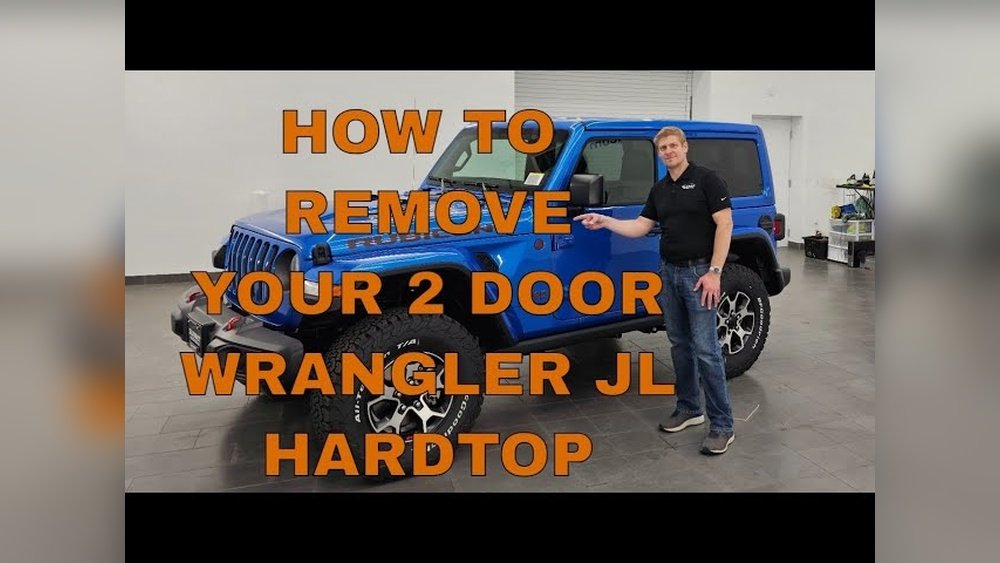
Credit: www.youtube.com
Best Resources For Jeep Owners
Jeep forums, YouTube tutorials, and the official Jeep owner’s manual are great resources for questions or troubleshooting. For more technical details about Jeep Wrangler hard tops, visit the official Jeep Wrangler page.
Frequently Asked Questions
How Heavy Is The Jeep Wrangler 2 Door Hard Top?
The hard top weighs about 85 to 95 pounds depending on the model year. Always use a helper for safe removal, especially if you are not experienced.
Can I Remove The Hard Top Alone?
It’s possible, but not recommended. The top is large and awkward to handle. Using a hoist system or asking a friend for help is much safer.
Do I Need Special Tools To Remove The Hard Top?
You need a T40 Torx bit and a ratchet wrench or drill. These are common in Jeep tool kits. Do not use regular screwdrivers or pliers.
Will Removing The Hard Top Affect My Jeep’s Warranty?
No, removing the hard top as described in the owner’s manual will not affect your warranty. However, damage caused by improper removal (like broken connectors) may not be covered.
What Should I Do If A Bolt Is Stripped Or Lost?
If a bolt is stripped, do not force it—use a bolt extractor. Replacement bolts are available at Jeep dealers or auto parts stores. Always replace damaged hardware before reinstalling the top.
Removing your Jeep Wrangler 2 Door hard top gets easier with practice. Take your time, use the right tools, and always protect your Jeep and the top from damage. With this guide, you’re ready to enjoy open-air freedom—Jeep style.
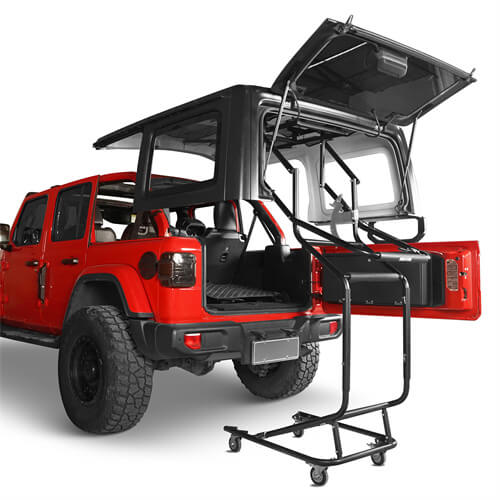
Credit: www.hookeroad.com