How Many Miles Do Jeep Wranglers Last? Lifespan & Reliability Guide
 Reading Time: 9 minutes
 Jeep Wranglers have a reputation for being tough, adventurous, and long-lasting. Many drivers choose them for off-road adventures, daily commutes, or even as a family vehicle. But one of the most common questions buyers and owners ask is: How many miles do Jeep Wranglers last? The answer depends on several factors, including maintenance, driving habits, climate, and the specific model year. In this guide, we’ll dig into real-world data, owner stories, and expert advice to give you a complete picture of Jeep Wrangler longevity.
The Average Lifespan Of A Jeep Wrangler
Most Jeep Wranglers are known to last between 200,000 and 400,000 miles with proper care. Some dedicated owners report even higher mileage, especially for vehicles that avoid serious accidents or harsh neglect. This wide range happens because Wranglers see many types of use—from gentle city driving to tough mountain trails.
Real-world Example
A 2011 Jeep Wrangler owner in Colorado shared that their vehicle hit 350,000 miles with the original engine and transmission. They performed regular oil changes, stayed on top of repairs, and mostly drove on highways. On the other hand, Wranglers used heavily for rock-crawling or frequent water crossings often need major repairs before reaching 200,000 miles.
Average Mileage Comparison
Here’s a quick look at how Jeep Wranglers compare to other popular SUVs in terms of average lifespan:
| Model | Typical Lifespan (Miles) | Notes |
|---|---|---|
| Jeep Wrangler | 200,000 – 400,000 | Strong aftermarket support, off-road use affects lifespan |
| Toyota 4Runner | 250,000 – 400,000 | Reputation for reliability, often used for off-roading |
| Ford Bronco (recent gen) | 150,000 – 250,000 | Newer models, less long-term data |
| Honda CR-V | 200,000 – 300,000 | Mainly city/highway use, less off-road |
| Jeep Grand Cherokee | 180,000 – 300,000 | More luxury features, varied reliability |
As you can see, the Jeep Wrangler is competitive with other long-lasting SUVs, especially if well maintained.
Key Factors That Affect Wrangler Longevity
Several elements determine whether your Wrangler will be a 100,000-mile story or reach the 400,000-mile club.
1. Maintenance
Regular maintenance is the biggest factor. Following the Jeep service schedule—oil changes, fluid checks, tire rotation, and replacing worn parts—makes a huge difference. Neglecting basics like engine oil changes can lead to expensive engine failure before 150,000 miles.
Non-obvious insight: Replacing simple items like the differential fluid and transfer case fluid often gets skipped. These are critical for off-road Wranglers but matter for city driving too.
2. Driving Habits
How you drive really matters. Wranglers pushed hard on rocks, mud, or sand will wear out faster than those used mostly for easy highway driving.
- Gentle acceleration and braking help parts last longer.
- Avoiding deep water crossings protects the electronics and engine.
- Letting the engine warm up before hard driving, especially in cold weather, reduces wear.
3. Climate And Environment
Salt from winter roads can cause rust, especially in the Midwest and Northeast US. Rust on the frame or underbody is a major threat to any Wrangler. In dry states like Arizona or Nevada, rust is less of an issue, so Wranglers often last longer.
4. Model Year And Engine Type
Some Wrangler generations are more reliable than others. For example, the TJ (1997–2006) and JK (2007–2018) generations are especially famous for durability.
- The 4.0L inline-six engine is known for lasting over 300,000 miles with proper care.
- The newer 3.6L Pentastar V6 is also reliable, but some early models had oil filter housing issues.
5. Aftermarket Modifications
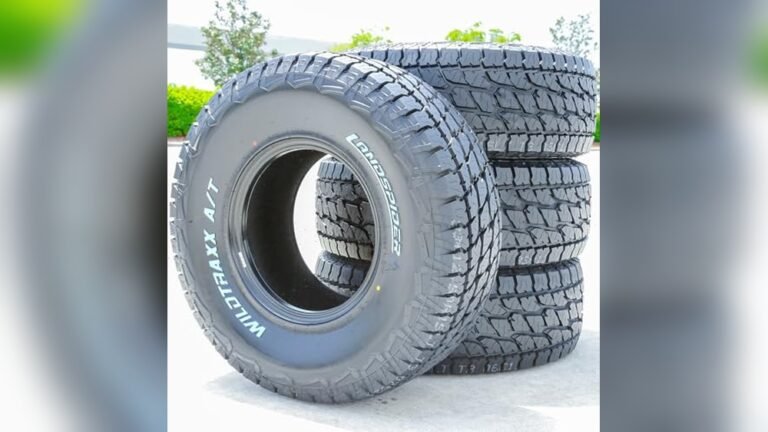
Many Jeep owners love to modify their vehicles for off-road performance—lifts, big tires, winches, and more. While fun, some upgrades can stress the drivetrain and suspension if not done correctly.
Non-obvious insight: Re-gearing the differentials after installing larger tires can actually extend the lifespan of the transmission and axles.
Owner Experiences: High-mileage Jeep Wranglers
It’s helpful to look at stories from real owners who have driven their Wranglers far beyond 200,000 miles.
- 2010 Wrangler Sport: A Florida owner reached 275,000 miles with minimal repairs, mostly highway driving, regular oil changes, and replacing the radiator at 200,000 miles.
- 2004 Wrangler Rubicon: Used for off-roading in Utah, made it to 220,000 miles. Needed a new clutch at 150,000 and a rebuilt transmission at 200,000. Frame rust was the main concern, not engine failure.
- 2013 Wrangler Unlimited: California driver hit 315,000 miles, all original engine and transmission. They replaced the alternator, brakes, and water pump along the way.
These examples show that hitting high mileage is possible with good care, even for Wranglers that see real adventure.
Most Reliable Jeep Wrangler Generations
Not all Wranglers are created equal. Here’s a look at the most reliable generations and engines, based on owner surveys, repair data, and expert reviews.
Yj (1987–1995)
- Simple design, easy to repair.
- The 4.2L inline-six and 4.0L inline-six engines are legendary for durability.
- Typical issues: Rust, electrical gremlins.
Tj (1997–2006)
- Uses the 4.0L inline-six engine.
- Often called the most reliable Wrangler ever.
- Many TJ Wranglers still drive today with 250,000–300,000 miles.
Jk (2007–2018)
- The 3.6L Pentastar V6 (2012–2018) is durable if oil changes are done on time.
- Early JKs (2007–2011) used a 3.8L V6, which is less reliable but can still last over 200,000 miles with care.
Jl (2018–present)
- More comfort and technology, but less long-term data.
- Early signs show the 2.0L turbo and 3.6L engines are holding up well.
Here’s a side-by-side look at the most durable Jeep Wrangler engines:
| Engine | Years Used | Expected Mileage | Notes |
|---|---|---|---|
| 4.0L Inline-6 | 1987–2006 | 250,000–400,000 | Low-stress, easy repairs |
| 3.6L Pentastar V6 | 2012–Present | 200,000–300,000 | Modern design, sensitive to oil changes |
| 2.5L Inline-4 | 1987–2002 | 200,000–250,000 | Less power, but reliable |
| 3.8L V6 | 2007–2011 | 180,000–250,000 | Can burn oil, watch head gaskets |
| 2.0L Turbo I4 | 2018–Present | 150,000–250,000 (est.) | Not enough long-term data yet |

Credit: www.simivalleychryslerdodgejeepram.com
Common Problems That Can Limit Wrangler Lifespan
Even the toughest vehicles have weak points. Here are some issues that can shorten a Wrangler’s life if not addressed:
Rust
Rust is the number one killer of high-mileage Wranglers, especially in states where roads are salted. It attacks the frame, suspension mounts, and underbody. Regular cleaning and using rust-proof coatings help, but prevention is much easier than repair.
Engine And Transmission Issues
- Oil leaks and head gasket failures can happen if maintenance is skipped.
- The 3.8L V6 (2007–2011) sometimes suffers from excessive oil burning.
- Manual transmissions usually last longer than automatics, but both can go over 200,000 miles with fluid changes.
Electrical Gremlins
Older Wranglers may develop electrical quirks—bad grounds, corroded connectors, or failing sensors. These are usually annoying rather than fatal but can be expensive to diagnose.
Suspension And Steering Wear
Off-road use beats up the suspension, steering, and axles. Worn bushings, tie rods, ball joints, and control arms are common at 100,000+ miles. Replacing these keeps the Wrangler safe and enjoyable.
Practical tip: If you hear clunks, squeaks, or feel “wandering” steering, have the suspension checked by a specialist.
How To Make Your Jeep Wrangler Last Longer
A Wrangler’s lifespan is not only about luck—it’s about habits and smart choices. Here’s what owners do to get the most miles:
- Follow the service schedule: Don’t skip oil changes or fluid flushes.
- Wash the underbody regularly, especially after off-roading or driving on salted roads.
- Fix small problems early: Don’t ignore warning lights, leaks, or strange noises.
- Use quality parts: Cheap parts may save money up front but lead to bigger repairs later.
- Inspect for rust at least twice a year, especially around suspension mounts and frame.
- Upgrade wisely: If you modify your Wrangler, upgrade supporting parts like brakes, axles, and gears too.
- Drive smoothly: Sudden stops or launches stress the drivetrain.
- Keep records: A well-documented maintenance history helps spot patterns and increases resale value.
Real-world Data: High-mileage Wrangler Sales
Many buyers wonder if a Wrangler with 150,000 or 200,000 miles is worth buying. The used market gives some clues.
According to a 2023 analysis by iSeeCars, Jeep Wranglers are one of the top 10 vehicles most likely to reach 200,000 miles. In fact, about 2.0% of Wranglers on the road have crossed this milestone, compared to an average of 1.0% for all vehicles.
Here’s a summary of Wrangler mileage and resale value:
| Mileage | Average Price (2024) | Typical Condition |
|---|---|---|
| 50,000 | $29,000 | Like new, few repairs needed |
| 100,000 | $21,000 | Some wear, expect basic repairs |
| 150,000 | $16,000 | Check for rust, suspension repairs likely |
| 200,000 | $11,000 | Major repairs possible, inspect carefully |
| 250,000+ | $7,000 | Usually modified, for enthusiasts only |
This data shows that Wranglers hold value well, even with high miles, if they are in good shape.
When Is A Wrangler “too Many Miles”?
Some buyers worry about getting a Wrangler with high mileage. But “too many miles” is less about the number and more about the vehicle’s history.
Generally, a Wrangler is a good buy up to 150,000 miles if it has a clean frame and good maintenance records. Over 200,000 miles, expect to replace or rebuild major parts—engine, transmission, axles—if not already done.
Key warning signs:
- Soft, wavy frame rails (rust damage)
- Engine knocks, smoke, or low oil pressure
- Transmission slipping or hard shifts
- Flood or accident history
If you’re not sure, have a trusted mechanic inspect the vehicle before buying.

Credit: www.reddit.com
How Jeep Wranglers Compare To Other Off-road Vehicles
If you’re considering a Wrangler’s durability, it’s smart to compare with rivals like the Toyota 4Runner or Ford Bronco.
- Toyota 4Runner: Famous for reliability, often hits 300,000–400,000 miles with basic care. More expensive to buy used than a Wrangler.
- Ford Bronco: New models are promising, but not enough high-mileage data yet.
- Land Rover Defender: Excellent off-road, but repairs are expensive and reliability is mixed.
- Subaru Outback: Good for light trails, reliable, but not as rugged.
The Wrangler stands out because of its simple engineering, huge parts network, and the fact that many mechanics know how to fix them. Even if something breaks, it’s often repairable for less than other brands.
The Role Of Off-roading In Wrangler Longevity
It’s no secret that off-roading is hard on vehicles. But the Wrangler is built for it. Here’s how real-world off-road use affects lifespan:
- Mild trail driving (dirt roads, sand, snow) has little effect if you clean and maintain the Jeep.
- Heavy rock crawling or deep mudding increases wear on axles, suspension, and drivetrain. Expect to replace bushings, joints, and sometimes transmissions or differentials.
- Water crossings can cause rust and ruin electronics if water enters the cabin or engine.
Pro tip: Always check for water in the differentials and transmission after deep crossings. Change fluids if contaminated.
The Cost Of Ownership Over High Mileage
Wranglers are not the cheapest SUVs to run, but their parts are affordable and widely available. Here’s what to expect over 200,000 miles:
- Oil changes: $40–$70 every 5,000 miles
- Tires: $800–$1,200 every 40,000 miles
- Brakes: $300–$600 per axle as needed
- Suspension repairs: $1,000–$2,500 over 200,000 miles
- Major repairs (engine/transmission): $3,000–$6,000 if needed after 200,000+ miles
While some of these repairs sound expensive, they are typical for any high-mileage SUV. The difference is, many Wranglers keep going strong with regular maintenance and timely repairs.
Should You Buy A High-mileage Wrangler?
For many, the answer is yes—if you know what to look for. A Wrangler with 150,000 or even 200,000 miles can be a great buy if:
- The frame is solid (no major rust)
- It has a complete maintenance record
- Major items (clutch, alternator, water pump) have been replaced or checked
You may need to budget for repairs, but you’ll own an SUV that’s likely to keep running with some TLC. Always get a pre-purchase inspection.
For more details on Jeep reliability and resale value, you can check the Consumer Reports Jeep Wrangler page.

Credit: www.reddit.com
Frequently Asked Questions
How Many Miles Can You Expect A Jeep Wrangler To Last?
Most Jeep Wranglers last 200,000 to 400,000 miles with good care. Some owners report 300,000+ miles on the original engine and transmission. Longevity depends on maintenance, driving style, and climate.
Are High-mileage Jeep Wranglers Worth Buying?
Yes, if they have a clean frame and maintenance records. After 150,000 miles, expect to replace parts like the suspension, water pump, and alternator. Always get a mechanic’s inspection before buying.
Which Jeep Wrangler Engine Lasts The Longest?
The 4.0L inline-six engine (used from 1987–2006) is famous for reaching 300,000–400,000 miles. The 3.6L Pentastar V6 (2012–present) is also durable, but needs regular oil changes.
What Are Common Problems In High-mileage Wranglers?
Typical issues include rust, worn suspension parts, electrical gremlins, and leaks. The 3.8L V6 engine (2007–2011) may burn oil. Regular maintenance and early repairs help avoid major failures.
Does Off-roading Reduce A Wrangler’s Lifespan?
Hard off-roading can speed up wear on axles, suspension, and drivetrain. However, Wranglers are built for this use. Regular cleaning, fluid changes, and checking for damage after each trip will keep your Jeep running strong.
Jeep Wranglers are vehicles built for adventure, and with the right care, they can deliver hundreds of thousands of miles on and off the road. Whether you’re buying or maintaining one, focus on maintenance and smart driving, and you’ll join the many owners who push their Wranglers far past the 200,000-mile mark.