Why You Shouldnt Buy a Jeep Patriot: Shocking Truths Revealed
 Reading Time: 10 minutes
 Thinking about buying a Jeep Patriot? Before you make that decision, it’s important to know what you might be getting into.
While this SUV might look tough and rugged, many owners have faced frustrating problems that can drain your wallet and test your patience. From troublesome transmissions to unexpected leaks and electrical glitches, the Jeep Patriot has a history of reliability issues that you deserve to be aware of.
If you want a vehicle that won’t keep you guessing or stuck on the side of the road, keep reading to find out why the Jeep Patriot might not be the right choice for you. Your time, money, and peace of mind are worth it.
Years To Avoid
The Jeep Patriot has certain model years known for problems. Avoiding these years can save you money and stress. Some issues appear more often in specific production periods. Knowing which years to skip helps you make a better choice.
Early Production Issues
The first years, especially 2007 and 2008, had many early problems. These included poor build quality and unreliable parts. Many owners reported stalling after refueling. The suspension also showed weakness and needed repairs.
Transmission Problems
The 2009 and 2010 models faced major transmission troubles. The CVT transmission often failed with noise and power loss. Some manual transmissions had worn synchronizers causing rough shifts. Transmission failures led to costly repairs or replacements.
Rust And Suspension Concerns
Rust is common in Patriots from 2009 to 2010. Low-quality suspension parts wore out fast and caused noise. Ball joints and other components rusted, reducing vehicle safety. These issues made the Jeep less reliable over time.

Credit: www.faricy.com
Transmission Troubles
The Jeep Patriot has gained a reputation for its transmission troubles. Many owners face problems that affect the driving experience and repair costs. These issues mainly involve the CVT and manual transmissions. Understanding these problems can help you make a better buying decision.
Cvt Failures
The Jeep Patriot’s CVT (Continuously Variable Transmission) often fails early. Common complaints include whining noises and overheating. Drivers report sudden loss of acceleration without warning. These symptoms can lead to complete transmission failure. Repairing or replacing a CVT is expensive and time-consuming. Many owners find the CVT unreliable, especially in models from 2007 to 2010. These early models show the highest rate of problems. The CVT’s design struggles with heat and stress on the engine. Frequent repairs reduce the vehicle’s overall value.
Manual Transmission Drawbacks
Manual transmissions in the Jeep Patriot also have issues. Synchronizer wear is common, causing difficulty when shifting gears. This problem is most seen in models from 2009 and 2010. Drivers report grinding noises and stiff gear changes. These faults can lead to transmission damage if ignored. Manual transmission parts tend to wear out faster than expected. Repair costs can add up, especially if the clutch also needs replacement. While some prefer manuals for control, the Jeep Patriot’s manual transmission is not very reliable.
Suspension And Rust
The suspension and rust issues in the Jeep Patriot are major concerns for potential buyers. The suspension uses low-quality parts that wear out quickly. Rust also appears early, damaging the vehicle’s body and frame. These problems reduce the car’s lifespan and increase repair costs.
Low-quality Components
The Patriot’s suspension features cheap ball joints and bushings. These parts fail faster than expected. Poor materials lead to a rough ride and unstable handling. Drivers may notice clunks or squeaks soon after purchase. The suspension system cannot handle rough roads well.
Premature Wear Signs
Rust appears in common spots like wheel wells and undercarriage. It spreads quickly due to thin metal and poor coatings. Early rust weakens the frame and lowers safety. Watch for peeling paint and flaking metal. These signs mean corrosion has started and will get worse.
Water And Electrical Issues
The Jeep Patriot has faced several water and electrical problems that frustrate many owners. These issues often lead to costly repairs and reduced vehicle reliability. Understanding these faults can help you avoid surprises after purchase.
Water leaks and electrical failures are common complaints. They affect daily use and long-term durability. Pay close attention to these areas before deciding on a Jeep Patriot.
Sunroof And Roof Leaks
The sunroof and roof drains in the Jeep Patriot often leak. Water enters the cabin, causing damp carpets and unpleasant odors. Roof leaks can damage the interior and electronics over time.
These leaks may go unnoticed at first but worsen with rain or car washes. Repairing sunroof seals or clogged drains can be expensive. Many owners report recurring issues despite fixing attempts.
Faulty Wireless Control Module
The Wireless Control Module (WCM) in the Patriot frequently malfunctions. This part controls keyless entry and ignition systems. When it fails, the vehicle may not start or recognize the key.
Faulty WCM causes frustration and unexpected breakdowns. Replacing the module can cost hundreds of dollars. This electrical problem is known for affecting multiple model years.
Owners often face delays and inconvenience due to WCM faults. It impacts the vehicle’s security and everyday usability significantly.
What To Check Before Buying
Before buying a Jeep Patriot, checking certain key points can save you money and stress. These checks help spot common problems and avoid costly repairs. Pay close attention to the transmission type, maintenance history, and signs of water damage. These factors often reveal the true condition of the vehicle and its future reliability.
Prefer Manual Transmission
The Jeep Patriot’s CVT transmission often causes trouble. It can overheat, make whining noises, or fail completely. A manual transmission is simpler and usually more reliable. It also costs less to fix if issues arise. Choose a model with a manual gearbox to reduce the chance of expensive repairs.
Review Maintenance Records
Maintenance records show how well the previous owner cared for the vehicle. Look for regular oil changes, brake checks, and other routine services. Missing or incomplete records may mean the car was neglected. A well-maintained Patriot will run smoother and last longer. Always ask the seller for complete service history.
Inspect For Water Damage
Water leaks are common in Jeep Patriots due to faulty seals or sunroof drains. Check under carpets and seats for dampness or stains. A musty smell inside the vehicle is another warning sign. Water damage can cause rust and electrical problems. Avoid vehicles with signs of flooding or moisture inside.
Jeep Patriot Reliability Ratings
The Jeep Patriot has attracted attention for its rugged look and budget-friendly price. Yet, many drivers question its reliability. Understanding the Jeep Patriot reliability ratings helps explain why this model often faces criticism. These ratings reflect how often repairs are needed and how serious those issues can be. They also reveal which years perform better or worse.
Reliability ratings for the Jeep Patriot are generally below average. Common mechanical and electrical problems affect many vehicles. These issues can lead to costly repairs and frequent visits to the mechanic. Buyers should carefully consider these ratings before choosing this SUV.
Best Model Years
Some Jeep Patriot model years show better reliability than others. The 2011 to 2014 models tend to have fewer major problems. Improvements in the CVT transmission and electrical systems helped these years stand out. Owners report fewer breakdowns and lower repair costs in these later models.
Earlier years, especially 2007 and 2008, have the worst reliability ratings. These models often suffer from transmission failures and suspension issues. Choosing a Patriot from the better years can reduce the risk of problems.
Common Consumer Complaints
Many Jeep Patriot owners report transmission issues, especially with the CVT. This transmission often overheats, loses power, or fails completely. Manual transmissions are more reliable but less common.
Suspension problems are frequent, with parts wearing out faster than expected. Rust and premature ball joint failure cause handling problems. Water leaks from sunroof drains or roof areas are also common, damaging the interior.
Electrical system faults, such as a failing Wireless Control Module, cause starting problems and key recognition errors. These complaints appear in many consumer reviews and reliability reports.
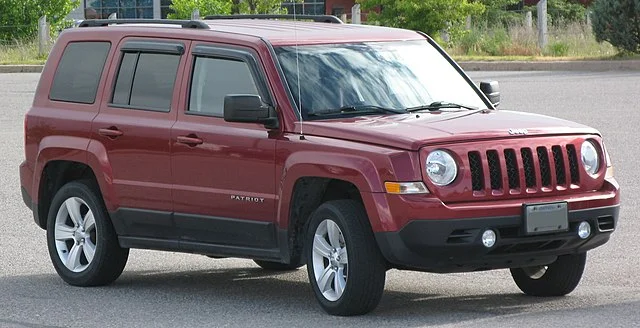
Comparing Other Jeep Models
Choosing a Jeep model means balancing style, performance, and reliability. The Jeep Patriot often falls short in these areas compared to other Jeep vehicles. Comparing it to other models helps to see why it might not be the best choice. Some Jeep models have their own issues, but there are also better options that offer more dependability and comfort.
Jeep Compass And Cherokee Issues
The Jeep Compass and Cherokee share some common problems with the Patriot. Both have faced transmission troubles, especially with the CVT in earlier models. Owners report frequent repairs and high maintenance costs. Electrical glitches and water leaks also appear in these models. These issues can reduce the overall ownership experience and add unexpected expenses.
Reliable Alternatives Like Grand Cherokee
The Jeep Grand Cherokee offers a more reliable alternative. It has stronger engines and better suspension than the Patriot. Its build quality and safety features are superior. Regular maintenance is easier and less costly. The Grand Cherokee holds its value better and provides a smoother ride. For those seeking a dependable Jeep, this model stands out.
Credit: www.copilotsearch.com
Common Jeep Electrical Problems
Jeep Patriots often face electrical issues that frustrate many owners. These problems can affect daily use and safety. Understanding common electrical faults helps you avoid costly repairs. The most frequent issue involves the Totally Integrated Power Module (TIPM).
Tipm Failures And Effects
The TIPM controls many electrical parts in the Jeep Patriot. It manages power distribution for lighting, fuel pump, and other systems. Faulty TIPMs cause erratic behavior like random shutdowns or failure to start. Owners report intermittent power loss and blinking dashboard lights. These failures lead to unreliable vehicle performance and expensive fixes.
Impact On Fuel And Lighting Systems
A bad TIPM can cut power to the fuel pump, causing stalling or no-start conditions. The fuel system may stop working unexpectedly on the road. Lighting systems also suffer, with headlights and brake lights flickering or going out. This creates dangerous driving situations, especially at night or in bad weather. Ignoring electrical problems can lead to bigger mechanical failures.
Longevity Factors
The longevity of a Jeep Patriot depends on many factors. Some parts wear out faster than others. Understanding these factors helps avoid costly repairs and early breakdowns.
Transmission problems are common in Jeep Patriots. Driving habits and the environment also affect how long the vehicle lasts. Knowing these points can guide your decision on buying one.
Transmission Maintenance
The Jeep Patriot often uses a CVT transmission. This type can fail early without proper care. Changing transmission fluid regularly is critical. Skipping this leads to overheating and damage.
Manual transmissions in the Patriot are more reliable. Still, they need clutch checks and fluid changes. Ignoring transmission issues causes power loss and costly repairs.
Driving Habits And Environment
Rough driving shortens the life of the Jeep Patriot. Hard acceleration and heavy loads stress the engine and transmission. Gentle driving improves durability.
Harsh weather and salty roads cause rust and corrosion. This damages suspension parts and body panels. Storing the vehicle indoors protects it from harsh conditions.
Typical Mileage Expectations
Fuel efficiency in the Jeep Patriot often falls short compared to similar SUVs. Many owners report lower miles per gallon, leading to higher fuel costs over time. This typical mileage issue makes it a less practical choice for daily driving.
The Jeep Patriot often promises an affordable entry into the SUV market. Yet, its mileage performance can be disappointing. Many owners report that the Patriot struggles to maintain fuel efficiency over time.
On average, the Patriot delivers about 20 miles per gallon in the city. Highway mileage can reach up to 25 miles per gallon under ideal conditions. These numbers fall behind many competitors in the compact SUV category.
City Driving Fuel Efficiency
In heavy traffic or stop-and-go conditions, the Patriot’s fuel economy drops noticeably. The engine consumes more fuel, leading to higher costs at the pump. This issue affects daily commuters the most.
Highway Mileage Performance
While the Jeep Patriot improves mileage on highways, it still lags behind rivals. Cruising at steady speeds helps, but the vehicle’s weight and engine design limit efficiency. Long trips may require more fuel stops.
Factors Affecting Mileage Longevity
Older Jeep Patriots often show declining mileage as they age. Poor maintenance and mechanical issues reduce fuel efficiency. Transmission problems, especially with the CVT, worsen mileage over time.
Comparison With Similar Suvs
Compared to other small SUVs, the Patriot’s mileage is below average. Competitors like the Honda CR-V and Toyota RAV4 offer better fuel economy. Buyers focused on saving fuel may find better options elsewhere.
Credit: pioneermotors.com
Frequently Asked Questions
What Year To Avoid Jeep Patriot?
Avoid Jeep Patriot model years 2007-2010 due to transmission failures, suspension issues, rust, and electrical problems. Manual transmissions are more reliable.
Are Jeep Patriots Known For Problems?
Jeep Patriots often face issues like CVT transmission failure, suspension wear, electrical faults, and water leaks. Early models (2007-2010) show more problems. Manual transmissions tend to be more reliable. Regular maintenance and inspections are crucial for avoiding common Patriot problems.
What Jeep To Stay Away From?
Avoid Jeep Patriot models from 2007-2010 due to CVT transmission failures, suspension issues, rust, and electrical problems. Also, steer clear of Jeep Wrangler JK generation for TIPM failures affecting fuel and lighting systems. Choose Jeep Grand Cherokee for better reliability and fewer major concerns.
How Many Miles Does A Jeep Patriot Last?
A Jeep Patriot typically lasts around 150,000 to 200,000 miles with proper maintenance and care. Regular servicing extends its lifespan.
Conclusion
The Jeep Patriot has many known issues that affect its reliability. Transmission and suspension problems cause frequent repairs and costs. Water leaks and electrical faults also create headaches for owners. Choosing a model with a manual transmission may reduce some risks.
Still, maintenance and careful inspections remain crucial. Many drivers find better options in other Jeep models. Save yourself time, money, and stress by avoiding the Patriot. Consider more reliable SUVs with stronger track records instead. Your driving experience deserves a vehicle you can trust every day.