Why is My Jeep Leaking Oil Unveiling the Culprits: Expert Fixes
 Reading Time: 9 minutes
 Is your Jeep leaking oil, and you’re not sure why? Spotting oil stains under your vehicle can be frustrating and worrying.
You might wonder if it’s a small issue or something that could lead to bigger, costlier repairs. The truth is, several common culprits could be behind that oil leak, from worn gaskets to damaged seals. Understanding these causes will help you act quickly and avoid serious damage to your engine.
You’ll discover the most frequent reasons why your Jeep is leaking oil and what you can do to fix it. Keep reading to protect your ride and save money on repairs!
Common Oil Leak Sources
Oil leaks in Jeeps often start from common parts that wear out or get damaged. Identifying these sources helps prevent bigger engine problems. Each part plays a key role in keeping oil sealed inside the engine. When these parts fail, oil escapes and causes leaks.
Valve Cover Gasket
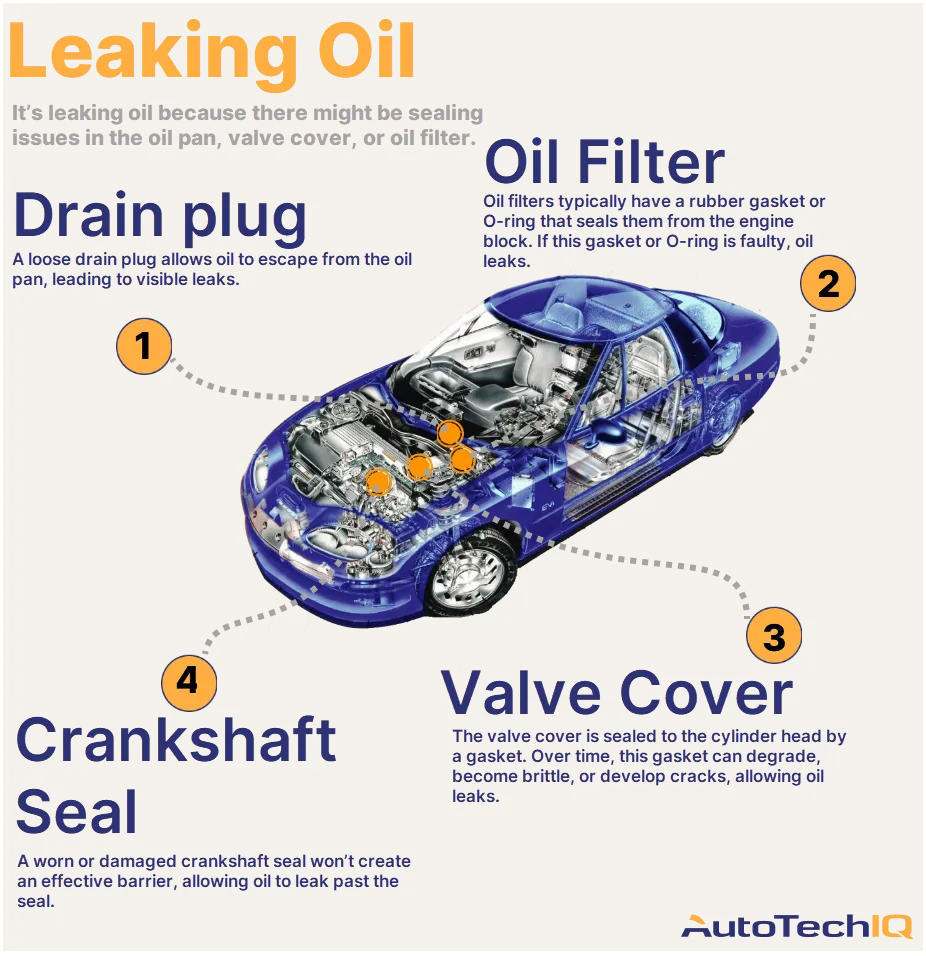
The valve cover gasket seals the engine’s top part. Over time, heat and age make it brittle. Cracks or breaks allow oil to leak out. This leak often shows as oil on the engine block or under the Jeep.
Oil Filter Housing
The oil filter housing holds the oil filter in place. Some Jeep models use plastic housings that can crack. These cracks cause oil to drip and leak. A damaged oil filter housing needs quick replacement to stop leaks.
Oil Pan Gasket
The oil pan gasket seals the oil pan at the engine’s bottom. Road debris or age can damage this gasket. A broken gasket causes oil to drip under the Jeep. It may appear as a wet spot on the driveway.
Rear Main Seal
The rear main seal sits at the back of the engine. It keeps oil from leaking where the engine meets the transmission. Worn or damaged seals cause slow but steady oil leaks. These leaks are harder to spot without inspection.
Oil Cooler And Seals
Some Jeeps have oil coolers to keep engine oil temperature low. The seals around the cooler can wear out or crack. This wear leads to oil leaks near the cooler. Regular checks help catch these leaks early.
Symptoms Of Oil Leaks
Oil leaks in your Jeep can signal underlying problems that need attention. Recognizing the symptoms early helps prevent serious engine damage. Watch for clear signs that oil is escaping where it shouldn’t be. These symptoms often appear before the leak worsens. Knowing what to look for keeps your Jeep running smoothly and safely.
Visible Oil Spots
One of the easiest symptoms to spot is oil spots under your Jeep. Check your parking spot for dark, shiny stains. Fresh oil leaks look wet and glossy. Old leaks may appear dry and crusty. Inspect the engine area for oily residue. Look near the oil pan, valve cover, and filter. Visible oil spots often indicate a gasket or seal failure.
Burning Oil Smell
A strong, burning oil smell while driving is a red flag. This smell happens when oil drips onto hot engine parts. The burning oil creates a distinct, acrid odor. You may notice smoke near the engine or exhaust. This symptom means oil is leaking onto the exhaust manifold or other hot surfaces. Ignoring this can lead to fire hazards or engine damage.
Engine Performance Issues
Oil leaks can cause your engine to perform poorly. Low oil levels reduce lubrication and cause friction. This leads to engine knocking or rough idling. You might experience reduced power or overheating. The oil pressure warning light may turn on. If your Jeep feels sluggish or noisy, check for oil leaks immediately.
Diagnosing The Leak
Diagnosing an oil leak in your Jeep is the first step to fixing the problem. Finding the exact source helps avoid unnecessary repairs. It saves money and time. This section guides you through simple ways to detect where the oil is leaking from.
Visual Inspection Tips
Start by checking under your Jeep for fresh oil spots. Look around the engine block, oil pan, and valve covers. Dirt and grime can hide leaks, so clean these areas first. Use a flashlight to spot dark, oily stains. Pay attention to the oil filter and drain plug. Look for cracks or loose bolts that might cause leaks.
Using Uv Dye And Lights
UV dye is a helpful tool to find hidden oil leaks. Add the dye to your engine oil and run the Jeep for a short time. Then, use a UV light to inspect the engine. The dye glows under the light, showing the exact leak location. This method works well for small or slow leaks that are hard to see with the naked eye.
Checking Oil Levels And Pressure
Regularly check your Jeep’s oil level using the dipstick. A dropping oil level often signals a leak. Low oil pressure can also indicate oil loss. Use an oil pressure gauge to test the engine’s pressure. If the pressure is low, it may mean the oil is leaking or not circulating properly. This step helps identify serious leaks that can damage your engine.
Credit: www.autotechiq.com
Repair Options
Repair options for a Jeep oil leak vary depending on the leak’s source and severity. Some fixes are simple and can be done at home. Others need expert care to avoid further damage. Understanding your options helps you choose the best path to stop the leak quickly and affordably.
Choosing the right repair method saves time and money. The right tools and parts also make a big difference in repair success. Learn what you can do yourself and when to call a mechanic.
Diy Fixes For Beginners
Simple leaks from loose oil caps or filters can be fixed by beginners. Start by cleaning the area to spot the leak. Tighten the oil filter or replace the oil cap if cracked. Replacing worn gaskets or seals is possible with basic tools and instructions.
Use a repair manual or online videos for guidance. Always drain the oil before major gasket replacement. Remember to check oil levels after repairs to avoid engine damage.
When To Seek Professional Help
Complex leaks from deep engine parts need a mechanic’s skill. Leaks near the rear main seal or oil pan require special tools. Persistent leaks after DIY attempts also call for expert diagnosis.
Professionals have experience spotting hidden problems. They prevent costly mistakes and ensure a lasting fix. Choose a trusted shop with good reviews to protect your Jeep’s engine.
Tools And Parts Needed
Basic tools include wrenches, screwdrivers, and a drain pan. A jack and stands help reach under the vehicle safely. Replacement parts depend on the leak source, such as gaskets, seals, or oil filters.
Use parts that match your Jeep model for best fit. Quality is key to prevent future leaks. Keep rags and gloves handy to keep your workspace clean.
Cost Factors For Repairs
Repairing an oil leak in your Jeep involves several cost factors. Understanding these can help you prepare financially. Costs vary widely depending on the nature of the leak and repair complexity. Labor and parts prices play major roles. The location of the leak also affects the total expense. Different Jeep models and engine types influence repair costs as well.
Labor Vs. Parts Costs
Parts for oil leaks usually cost less than labor. Gaskets and seals are often inexpensive. Labor charges rise if mechanics must remove other components. Hard-to-access parts increase the time needed for repairs. Labor can sometimes be the largest portion of the bill. Simple gasket replacements cost less overall. Complex repairs involving multiple parts take more labor hours.
Location Of Leak Impact
Leaks at the front of the engine are easier to fix. Rear engine leaks require more disassembly and time. Oil leaks near the oil pan or valve cover are common and cheaper to repair. Leaks in hidden or hard-to-reach spots demand extra labor. This adds to the total repair cost. The leak’s exact location strongly influences labor duration and cost.
Jeep Model And Engine Type
Different Jeep models have unique engine layouts. Some engines are easier to work on than others. Older Jeeps might need more expensive repairs due to worn parts. Certain engines use plastic components that degrade and cause leaks. Repair costs vary with engine size and complexity. Knowing your Jeep’s model and engine helps estimate repair prices accurately.
Credit: allwheeldriveauto.com
Preventing Future Leaks
Preventing future oil leaks in your Jeep requires a proactive approach. Taking simple steps can keep your engine running smoothly and avoid messy, costly problems. Regular care and using the right parts play a big role in stopping leaks before they start.
Regular Maintenance Tips
Check your Jeep’s oil level and condition often. Change the oil and filter on time. Clean your engine bay to spot leaks early. Tighten bolts and replace worn gaskets as needed. A well-maintained engine is less likely to develop leaks.
Quality Parts And Fluids
Use parts made for your Jeep’s model and year. Choose high-quality gaskets, seals, and oil filters. Select the correct oil type recommended by Jeep. Cheap parts wear out faster and cause leaks. Quality fluids and parts protect your engine better.
Proper Installation Practices
Ensure all parts fit correctly and bolts are tightened to specs. Avoid over-tightening, which can damage gaskets. Clean surfaces before installing new seals or gaskets. Follow manufacturer instructions carefully. Proper installation helps prevent leaks from forming later.
When To Replace Components
Replacing parts in your Jeep is necessary when oil leaks persist or worsen. Identifying the right time to change components prevents engine damage. Pay attention to visible signs and the condition of parts to decide on replacement.
Signs Of Worn Gaskets
Gaskets seal engine parts and stop oil leaks. Worn gaskets appear cracked, brittle, or flattened. You may notice oil spots under your Jeep or a burning smell. Persistent leaks near valve covers or oil pans point to gasket problems. Replace gaskets showing these signs to stop leaks.
Damaged Seals And Housings
Seals keep oil inside moving parts like the crankshaft. Damaged seals become hard, cracked, or torn. Oil dripping from the engine’s rear or front often means seal failure. Oil filter housings may also crack, especially on older models. Replace damaged seals and housings to maintain engine health.
Oil Pan Condition
The oil pan holds engine oil at the bottom. It can dent or crack from road debris or impacts. Rust or corrosion on the pan also causes leaks. Check the pan closely for damage or worn gaskets. Replace the oil pan or its gasket if leaks continue despite tightening bolts.
Credit: www.ebay.com
Frequently Asked Questions
Why Is My Jeep Suddenly Leaking Oil?
Your Jeep may leak oil due to worn gaskets, damaged oil pans, or loose seals. Check these parts promptly.
What Is The Most Common Oil Leak On A Jeep Wrangler?
The most common oil leak on a Jeep Wrangler occurs at the valve cover gasket. It often degrades and leaks oil. Other frequent leaks include the oil filter housing and rear main seal. Regular inspection helps identify and fix these leaks promptly.
How Much Does It Cost To Fix An Oil Leak In A Jeep?
Fixing an oil leak in a Jeep typically costs between $150 and $1,000. Prices vary by leak location, parts, and labor. Simple gasket replacements cost less, while rear main seal repairs cost more. Always get a diagnosis to identify the exact source before repair.
Where Are The Three Most Common Places For An Oil Leak To Be Found?
The three most common oil leak places are the valve cover gasket, oil pan gasket, and rear main seal. Check the engine top and bottom for wet, grimy buildup.
Conclusion
Identifying why your Jeep leaks oil helps protect your engine’s health. Common causes include worn gaskets, loose seals, or damaged oil pans. Early detection saves money and prevents bigger problems. Regular checks keep your Jeep running smoothly and safely. Taking quick action ensures your vehicle lasts longer.
Understanding these culprits lets you make informed repair choices. Keep an eye on leaks to avoid costly repairs later. Your Jeep deserves care to perform at its best every day.