
Why Does My Jeep Smell Like Gas? Top Causes and Quick Fixes
 Reading Time: 7 minutes
 If you drive a Jeep, the strong smell of gas inside or around your vehicle can be both alarming and confusing. This isn’t just an annoying odor—it could be a sign of a serious problem. Gasoline smells usually mean something is wrong, and ignoring it can put your safety at risk.
In this guide, you’ll learn why your Jeep might smell like gas, what parts could be causing the issue, and what steps you should take next. This article is designed for Jeep owners who want clear, simple answers and practical advice.
Common Reasons Your Jeep Smells Like Gas
There are several reasons why you might notice a gasoline odor in or around your Jeep. Let’s look at the most common causes:
1. Fuel Leak
A fuel leak is the most obvious reason for a gas smell. Leaks can happen anywhere in the fuel system, including:
- Fuel lines (often rust or crack over time)
- Fuel tank (especially in older Jeeps or after an accident)
- Fuel injectors (worn seals can let fuel escape)
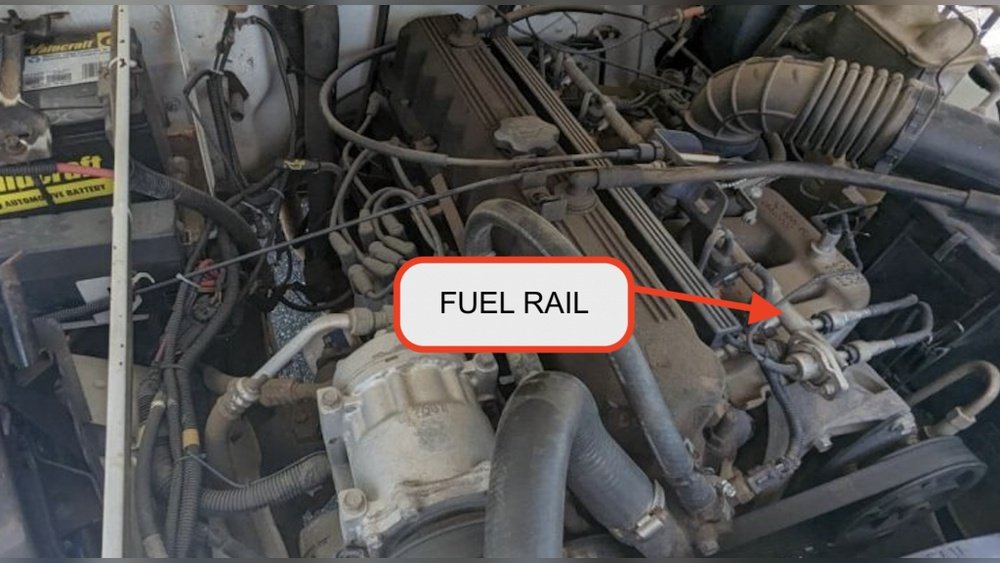
- Fuel rail (where fuel is delivered to the engine)
Signs of a leak:
- Wet spots or puddles under the Jeep after parking
- Strong smell inside and outside the vehicle
- Decreased fuel efficiency
Example: If you see a dark stain under your Jeep after parking overnight, it’s likely a fuel leak.
2. Loose Or Faulty Gas Cap
A loose gas cap is a simple but common cause of gas smells. If the cap is not tight, fumes can escape easily.
- Modern Jeeps usually show a “Check Gas Cap” warning if this happens.
- A damaged or missing rubber seal on the cap can also let vapors out.
Tip: Always check that the gas cap is tight after refueling.
3. Problems With The Evap System
The EVAP (Evaporative Emission Control) system traps fuel vapors and sends them back into the engine to be burned.
- If the EVAP canister cracks or hoses disconnect, vapors leak out.
- A bad purge valve can also cause gas smells.
Non-obvious insight: Some EVAP leaks can be very small and hard to see, but they still cause strong odors and may trigger the check engine light.
4. Injector Or O-ring Issues
Fuel injectors deliver gas into the engine. If the O-rings (small rubber seals) get old or brittle, they can leak.
- Gas may drip near the engine, especially right after starting.
- You may see a small wet spot on the intake manifold.
Practical tip: Replacing O-rings is cheaper than replacing the whole injector.
5. Old Or Damaged Fuel Tank
Older Jeeps or those used in harsh conditions may have a rusty or damaged fuel tank.
- Look for rust, dents, or visible holes.
- A leaking tank is a serious safety hazard and needs immediate attention.
6. Overfilled Gas Tank
If you fill the tank past the recommended limit, gas can spill or enter the EVAP system.
- This is more common in hot weather, as gas expands.
- You may notice a smell right after refueling.
Avoid overfilling. Stop when the pump clicks off.
7. Engine Misfire Or Running Rich
When your engine is running rich, it uses too much fuel.
- Unburned fuel exits through the exhaust, causing a strong smell.
- You may notice rough idling, poor acceleration, or dark exhaust smoke.
Common causes: Faulty oxygen sensors, dirty air filters, or bad spark plugs.
Where To Check First: Quick Troubleshooting
If you suddenly notice a gas smell, start with these basic checks:
- Check the gas cap – Is it tight and in good condition?
- Look under your Jeep – Any puddles or stains?
- Open the hood – Do you see or smell fuel near the engine?
- Listen for hissing sounds – Could indicate a leak in vacuum or EVAP lines.
- Check dashboard lights – Is the “Check Engine” or “Check Gas Cap” light on?
Warning: If you see a large leak or smell gas strongly inside the cabin, do not drive your Jeep. It’s safer to tow it to a repair shop.

Credit: www.youtube.com
How Gasoline Smells Affect Safety And Performance
A gas smell isn’t just unpleasant—it can be dangerous. Here’s why:
- Fire risk: Gasoline is highly flammable. Leaks can ignite from a small spark.
- Health hazard: Breathing gas vapors can cause headaches, dizziness, or nausea.
- Vehicle damage: Leaks can damage sensors, hoses, and wiring over time.
- Failed emissions test: Leaks in the EVAP system or fuel lines can cause your Jeep to fail inspection.
Fact: According to the National Fire Protection Association, vehicle fires caused by fuel leaks are a leading cause of car fires in the US.
Data Table: Common Jeep Models And Fuel System Problems
Here’s a comparison of frequent fuel system issues for popular Jeep models:
| Jeep Model | Year Range | Common Fuel Issue | Typical Cost to Repair |
|---|---|---|---|
| Wrangler TJ | 1997–2006 | Leaking fuel lines/tank rust | $200–$800 |
| Grand Cherokee | 1999–2004 | Faulty EVAP purge valve | $150–$350 |
| Liberty | 2002–2007 | Loose gas cap warning | $25–$50 (cap replacement) |
| Patriot | 2007–2017 | Injector O-ring leaks | $100–$250 |
How Mechanics Find The Cause
When you bring your Jeep to a mechanic, they use a step-by-step process to find the problem.
- Visual inspection: Check fuel lines, tank, and injectors for leaks.
- EVAP smoke test: Pushes harmless smoke through the EVAP system to find leaks.
- Fuel pressure test: Checks for drops in fuel pressure that suggest leaks.
- OBD-II scanner: Reads error codes from your Jeep’s computer.
Non-obvious insight: A professional smoke test can quickly find leaks that are invisible to the eye.
Diy Fixes You Can Try
Some gas smell problems are easy to fix at home if you are careful.
Tighten Or Replace The Gas Cap
- Unscrew the gas cap and check the rubber seal.
- Replace if cracked or missing.
- Always turn until it clicks.
Check And Replace Small Hoses
- Look at the hoses near the fuel tank and engine.
- Replace any that are cracked or loose using the correct size.
Replace Injector O-rings
- Let the engine cool first.
- Remove the fuel rail carefully.
- Swap out old O-rings for new ones.
Warning: Never work on the fuel system near open flames, cigarettes, or with the engine hot.

Credit: www.theautopian.com
When To See A Professional
Some problems need a trained mechanic. Go to a shop if:
- You can’t find the source of the smell.
- There’s a visible leak or constant dripping.
- The “Check Engine” light stays on.
- You smell gas inside the cabin while driving.
Fact: A professional can often fix minor leaks in under two hours, but major repairs (like a tank replacement) can take a full day.
Table: Diy Vs. Professional Repair
Compare what you can do yourself and what’s better left to the experts:
| Task | DIY Possible? | Tools Needed | Risk Level |
|---|---|---|---|
| Replace gas cap | Yes | None | Low |
| Inspect hoses | Yes | Flashlight, gloves | Low |
| Replace injector O-rings | Maybe (if skilled) | Basic tools | Medium |
| Fuel tank repair | No | Special equipment | High |
| Smoke test for EVAP | No | Professional tool | High |
How To Prevent Gas Smells In Your Jeep
You can avoid most gas smell problems with regular maintenance:
- Inspect fuel lines and hoses every oil change.
- Replace the gas cap every 2–3 years, especially if it looks worn.
- Don’t overfill the tank when refueling.
- Have the EVAP system checked if your Jeep is over 10 years old.
- Fix dashboard warnings (like “Check Engine”) right away.
Example: One Jeep Wrangler owner fixed repeat gas smells by swapping out the gas cap, then checking hoses at every oil change. This simple habit stopped the problem from coming back.
Real-world Data: How Common Are Fuel System Problems?
According to the US Department of Transportation, over 10% of vehicle fires are caused by fuel system leaks. Jeep models made before 2010 are more likely to develop issues, especially in areas with rough roads or heavy winter salt use.
- Older Jeeps (over 15 years): Up to 1 in 8 may develop a minor leak.
- Newer Jeeps (under 10 years): Usually only a 1–2% risk.
Practical tip: If your Jeep is older, consider a full fuel system inspection each year.
For more technical information on vehicle fuel systems, you can visit Wikipedia’s Fuel System page.

Credit: www.simivalleychryslerdodgejeepram.com
Frequently Asked Questions
Why Does My Jeep Smell Like Gas Only After I Fill Up?
This usually happens if the gas cap is loose or the EVAP system is not working. Overfilling the tank can also send liquid fuel into the vapor system, causing a strong smell.
Is It Safe To Drive My Jeep If I Smell Gas?
No. Gasoline leaks are a fire risk. If you smell gas inside the cabin or see fuel dripping, stop driving immediately and get your Jeep inspected.
How Much Does It Cost To Fix A Gas Smell In A Jeep?
Costs range from $25 for a new gas cap to $800 or more for major repairs like a new fuel tank. Most small leaks (like hoses or O-rings) cost between $100 and $350.
Can A Bad Oxygen Sensor Make My Jeep Smell Like Gas?
Yes. A bad oxygen sensor can cause your engine to run rich, meaning extra fuel that isn’t burned. This leads to a strong gas smell from the exhaust.
What Should I Do First If I Smell Gas In My Jeep?
Start by checking the gas cap and looking under the vehicle for leaks. If you can’t find the problem, or the smell is strong, have your Jeep towed to a mechanic.
Keeping your Jeep safe and odor-free is possible with regular checks and quick action when you notice a problem. Understanding the reasons behind a gas smell helps you make better decisions and keeps you and your passengers safe. If in doubt, always choose safety and get your Jeep inspected by a professional.


