Why Do Jeeps Death Wobble: Causes, Fixes & Prevention Tips
 Reading Time: 10 minutes
 If you drive a Jeep, you might have heard about the infamous “death wobble.” But what exactly is it, and why does it happen to your Jeep?
Imagine hitting a bump or a rough patch of road and suddenly feeling your steering wheel shake violently. This unsettling shake, known as death wobble, can make you feel out of control and worried about your safety. You deserve to know what causes this problem and how to stop it before it takes over your ride.
Keep reading to uncover the main reasons behind your Jeep’s death wobble and discover simple steps you can take to fix it—and drive with confidence again.
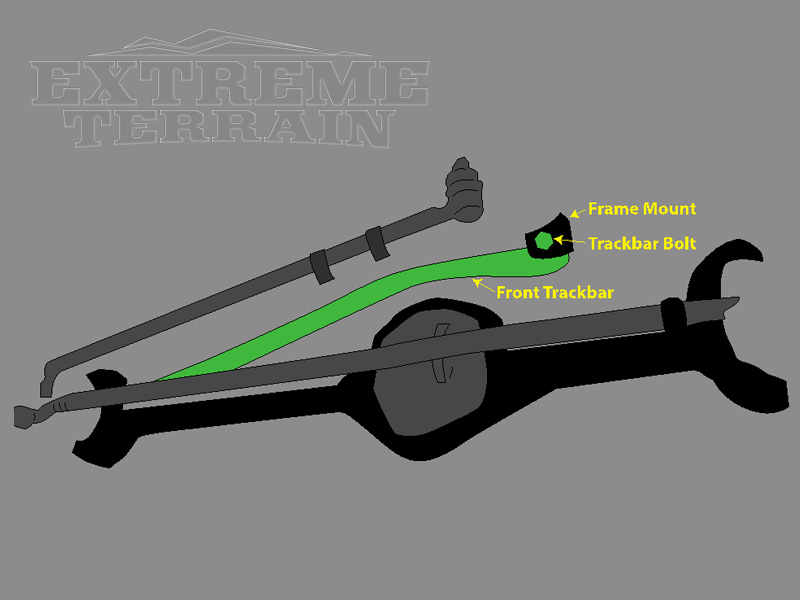
Credit: www.extremeterrain.com
Death Wobble Basics
Death wobble is a term Jeep owners fear. It happens when the front wheels shake violently. This shaking can make the Jeep hard to control. Understanding the basics helps you spot the problem early. It also shows why fixing it quickly is important.
The issue is linked to the Jeep’s suspension and steering parts. These parts work together to keep the vehicle stable. When one part fails or loosens, the wobble starts. This section explains what happens and why it matters.
What Happens During Death Wobble
Death wobble begins with a sudden vibration in the front wheels. The steering wheel shakes back and forth rapidly. The shaking feels like the Jeep is bouncing on rough ground. It can happen at certain speeds or after hitting bumps.
The main cause is usually loose or worn suspension parts. The track bar, ball joints, or tie rods may be damaged. These parts control the axle and steering. When they fail, the wheels lose alignment and start to wobble.
Why It’s Dangerous But Rarely Fatal
The wobble makes driving difficult and scary. It reduces steering control and can cause accidents. Drivers may panic or overcorrect the steering. This reaction increases the risk of losing control.
Despite the name, death wobble rarely causes fatal crashes. Most drivers can slow down and stop safely. Prompt repairs prevent serious damage or injury. Always check your Jeep if you feel unusual shaking.
Common Causes
The death wobble in Jeeps causes violent shaking of the front end. This problem happens at certain speeds or when hitting bumps. Several parts in the suspension and steering system often cause this issue. Understanding these common causes helps in finding the right fix quickly. Here are the main reasons why your Jeep might experience death wobble.
Loose Or Damaged Track Bar
The track bar keeps the front axle centered under the Jeep. If it becomes loose or its bushings wear out, the axle can move excessively. This movement triggers the death wobble. Tightening or replacing the track bar and its bushings often stops the shaking.
Worn Ball Joints And Tie Rods
Ball joints and tie rods connect the wheels to the suspension and steering. When these parts wear down, they create play in the steering system. This play makes the front end unstable, leading to wobbling. Checking and replacing worn ball joints and tie rods is essential for safety.
Faulty Suspension Bushings
Suspension bushings absorb shocks and keep parts aligned. Over time, bushings can crack or wear out. Faulty bushings allow unwanted movement in the suspension. This movement causes the Jeep to shake, especially on rough roads. Replacing damaged bushings improves stability.
Impact Of Steering Stabilizer Issues
The steering stabilizer dampens vibrations from the wheels and road. A worn or broken stabilizer cannot control these shocks well. This failure can increase the chance of death wobble. Although not the main cause, a bad stabilizer can make the problem worse.
Effects Of Aftermarket Modifications
Many Jeep owners add lifts, larger tires, or other modifications. Improper installation or low-quality parts can cause death wobble. Changes to suspension geometry affect how the vehicle handles. Using proper parts and professional installation reduces the risk of wobbling.
Identifying Symptoms
Identifying the symptoms of Jeep’s death wobble is crucial for safety and repair. This phenomenon causes the front end of the vehicle to shake violently. It usually happens while driving at certain speeds. Recognizing early signs helps prevent accidents and costly damage.
Signs While Driving
The steering wheel suddenly shakes hard. This shaking feels like rapid vibrations. It often starts after hitting a bump or rough road. The front tires may feel loose or unstable. You may notice the vehicle pulling to one side. The wobble usually occurs between 40 and 70 mph. It can make controlling the Jeep difficult.
How To Diagnose At Home
Start by checking the steering wheel for play. Turn the wheel left and right to feel looseness. Inspect the front tires for uneven wear. Look under the Jeep for loose or damaged parts. Check the track bar and tie rods carefully. Tighten any loose bolts you find. Avoid driving if the wobble continues or worsens.
Professional Inspection Tips
Mechanics will test the suspension system thoroughly. They check the track bar bushings and ball joints. Alignment and tire balance get a detailed review. Professionals use special tools to detect worn components. They may test drive to reproduce the wobble. Trust experts to find hidden causes quickly.
Credit: www.youtube.com
Fixing Death Wobble
Fixing the dreaded death wobble in your Jeep requires a clear plan. This problem happens when your Jeep’s front end shakes violently at certain speeds. It can feel scary and unsafe. The good news? Many common fixes can bring back smooth driving. Each part of the suspension and steering system plays a role. Tightening, replacing, or upgrading key components often stops the wobble completely.
Replacing Or Tightening The Track Bar
The track bar keeps your Jeep’s front axle centered. Over time, bolts can loosen or bushings wear out. These issues allow unwanted movement that causes the wobble. Start by checking the track bar bolts for tightness. If bolts are loose, tighten them to factory specs. If bushings are cracked or damaged, replace them. A solid, secure track bar is crucial to stop death wobble.
Changing Worn Suspension Parts
Suspension parts like ball joints, tie rods, and control arm bushings wear out over time. Worn parts create play in the steering system. This play leads to vibrations and wobbling. Inspect these parts carefully for cracks or looseness. Replace any worn or damaged components. New suspension parts restore stability and reduce shaking.
Upgrading Steering Stabilizers
Steering stabilizers absorb shocks from rough terrain. Weak or old stabilizers may fail to control vibrations. Upgrading to heavy-duty stabilizers can help reduce wobble. Quality stabilizers improve steering feel and add extra damping. They are a smart investment for Jeep owners who drive off-road or on uneven roads.
Alignment And Tire Checks
Incorrect wheel alignment or uneven tire wear can worsen death wobble. Check your Jeep’s alignment regularly. Proper alignment ensures tires and suspension work correctly together. Inspect tires for uneven wear, damage, or incorrect pressure. Fixing alignment and tire issues improves handling and reduces wobble risks.
Warranty And Repairs
Dealing with Jeep’s death wobble can be frustrating. Understanding warranty and repair options helps ease the process. Knowing when the repair is covered saves money and effort. Also, understanding what can void your warranty protects your rights. Choosing between dealer repairs and off-road shops impacts repair quality and warranty status.
When Jeep Covers The Repair
Jeep may cover death wobble repairs if it is a factory defect. This typically applies when your vehicle is still under the original or extended warranty. Common covered parts include the front track bar, ball joints, and tie rods. Repairs related to recalls or technical service bulletins may also be covered. Always check your warranty terms and speak to the dealer for confirmation.
What Voids Warranty Coverage
Modifications to the suspension or steering system often void warranty coverage. Off-road damage caused by extreme driving may not be covered. Using non-approved parts or failing to maintain your vehicle can also void the warranty. Repairs done by unauthorized shops risk losing warranty benefits. Keeping records of all maintenance and repairs helps in case of disputes.
Handling Dealer And Off-road Shop Repairs
Dealers follow manufacturer guidelines and keep warranty valid. They use OEM parts and trained technicians. Off-road shops may offer faster or cheaper service but risk voiding warranty. Always ask for a warranty impact explanation before choosing off-road repairs. Some owners use off-road shops for upgrades, then return to dealers for warranty-covered fixes. Clear communication with both parties avoids surprises and extra costs.

Credit: www.cjponyparts.com
Preventive Measures
Preventive measures play a key role in avoiding the dreaded Jeep death wobble. This shaking occurs due to issues in the suspension and steering systems. Taking simple steps can keep your Jeep stable and safe on the road. Regular care and attention to key components help reduce the risk of wobble.
Regular Suspension Maintenance
Check suspension parts often for wear and tear. Look at ball joints, track bars, and control arms closely. Replace any worn or damaged parts quickly. Tighten all bolts and nuts to the correct torque. Lubricate moving parts to prevent rust and stiffness. A well-maintained suspension improves ride quality and safety.
Avoiding Harmful Modifications
Stick to modifications that match your Jeep’s design. Avoid cheap or heavy parts that stress suspension components. Do not lift your Jeep too high without upgrading suspension properly. Use quality parts approved for your model. Poor modifications often cause loose or misaligned parts. This can lead to death wobble and other problems.
Routine Alignment And Tire Care
Keep tires balanced and properly inflated. Check tire pressure before every trip. Rotate tires regularly to ensure even wear. Get wheel alignment done at least once a year. Misaligned wheels cause uneven tire wear and steering issues. Proper alignment helps your Jeep track straight and reduces wobble.
Death Wobble By Jeep Models
Death wobble is a troubling issue for Jeep owners. It causes the front end to shake violently while driving, especially on rough roads. Different Jeep models experience this problem in unique ways. Understanding how death wobble affects various models helps owners address it better.
Each Jeep model has distinct design features. These features influence how likely the vehicle is to develop death wobble. Factors like suspension type, steering components, and axle design play a key role.
Years Most Affected
Death wobble mostly affects Jeep Wranglers from 2007 to 2018. These years include JK and early JL models. The suspension design in these models is more prone to causing wobble. Older models like TJ and YJ have fewer reports but are not immune. Newer models after 2018 made some improvements to reduce the problem.
Other Jeep models like the Grand Cherokee and Cherokee rarely show death wobble. Their suspension systems differ greatly from the Wrangler’s solid front axle setup. Still, some owners report occasional issues in specific trims and years.
Model-specific Vulnerabilities
JK Wrangler models have a solid front axle with a track bar. If the track bar or its bushings wear out, death wobble often occurs. Loose or damaged ball joints, tie rods, or control arms also increase risk. JL Wranglers improved suspension geometry but still face issues if parts wear.
Older TJ and YJ Wranglers have less sophisticated steering stabilizers. This can lead to more frequent shaking on uneven terrain. The newer JL model’s independent front suspension helps but does not completely remove wobble chances.
Grand Cherokee models use independent front suspension. This lowers death wobble risk significantly. However, worn steering components can still cause vibrations. Cherokee models with solid axles share some vulnerabilities with Wranglers.
Real Owner Experiences
Real owner experiences offer valuable insight into the Jeep death wobble issue. Drivers share their stories, describing symptoms, fixes, and lessons from the problem. These firsthand accounts help others understand what to expect and how to respond. Below are common complaints, successful fix stories, and lessons learned from Jeep owners.
Common Complaints
Many Jeep owners report a sudden shaking or vibration in the steering wheel. This usually happens after hitting bumps or rough roads at certain speeds. Some say the wobble feels like the front wheels are out of control. Others mention hearing clunking noises before the shaking starts. These symptoms often cause fear and frustration for drivers.
Successful Fix Stories
Some Jeep owners found relief by tightening or replacing the front track bar bolts. Others replaced worn tie rod ends and ball joints. Several drivers fixed the wobble by upgrading suspension bushings. Many shared that proper wheel alignment helped stop the shaking. These fixes often require patience and careful inspection of suspension parts.
Lessons Learned
Owners learned regular maintenance prevents death wobble. Checking suspension components for wear is crucial. Ignoring small issues can lead to bigger problems and unsafe driving. Some recommend choosing high-quality parts for repairs. Most agree early detection and action save money and improve safety.
Frequently Asked Questions
What Is The Cause Of Jeep Death Wobble?
Jeep death wobble is mainly caused by a loose or damaged front track bar. Worn bushings, ball joints, or tie rods also trigger it. This issue causes the front axle to shake violently while driving. Proper suspension maintenance prevents and fixes the death wobble effectively.
Has Anyone Died From The Jeep Death Wobble?
No reported deaths have resulted from Jeep death wobble. It remains dangerous, so drivers must address it promptly.
Will Jeep Fix The Death Wobble For Free?
Jeep may fix death wobble for free if it’s a factory defect covered by warranty or recall. Out-of-warranty repairs usually cost you.
What Year Do Jeeps Get Death Wobble?
Jeeps from early 2000s to recent models can experience death wobble. It often occurs due to worn suspension parts.
Conclusion
Death wobble happens when key parts in the Jeep’s suspension loosen or wear out. Keeping your suspension tight and regularly checked helps stop this shaking. Fixing worn track bars, tie rods, or ball joints often ends the problem. Driving carefully and addressing issues early improves safety and comfort.
Understanding why Jeeps get death wobble lets you act fast. Stay alert, maintain your Jeep, and enjoy smooth rides without worry.