What Type of Gas Does a Jeep Wagoneer Take: Fuel Guide
 Reading Time: 7 minutes
 If you just bought a Jeep Wagoneer or are considering one, you might wonder, “What type of gas does a Jeep Wagoneer take?” Choosing the right fuel is key for performance, engine health, and avoiding costly mistakes. Many drivers, especially first-time Wagoneer owners, are unsure which gas grade is best. Using the wrong fuel can lower power, hurt efficiency, and even void your warranty. In this guide, you’ll learn exactly what fuel to use, why it matters, and get answers to common questions—so you can fill up with confidence.
Understanding Jeep Wagoneer Engine Types
Jeep Wagoneers are known for their luxury, size, and power. The gas your Wagoneer needs depends on its engine type and model year.
- 2022–2024 Jeep Wagoneer models mostly feature a 5.7-liter V8 or a 3.0-liter twin-turbo inline-six engine.
- The Grand Wagoneer usually comes with a more powerful 6.4-liter V8 or the same 3.0-liter turbocharged engine.
Here’s a quick look at Wagoneer engine options and their fuel needs:
| Model Year | Engine Type | Recommended Gas |
|---|---|---|
| 2022–2024 | 5.7L V8 | 87 octane (regular) |
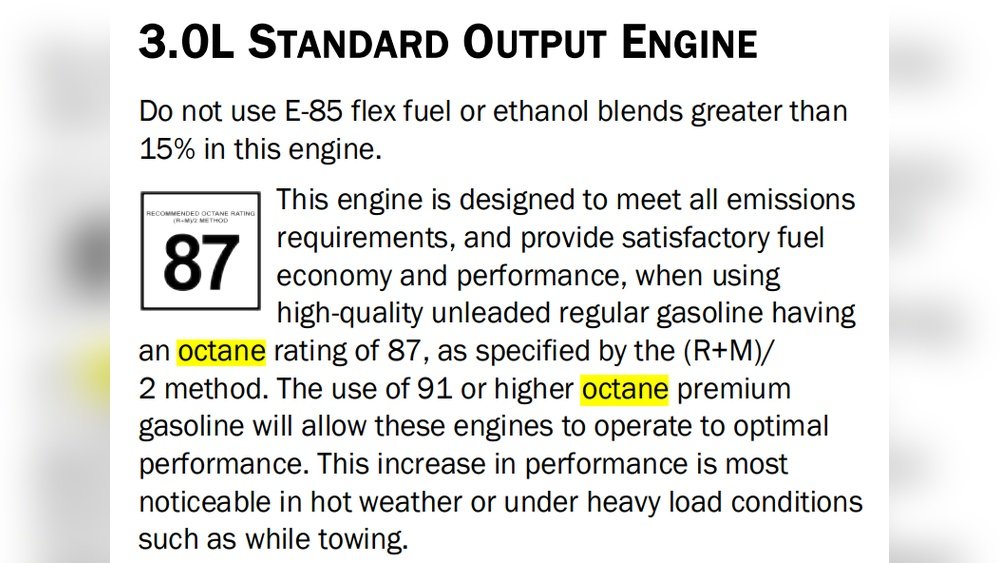
| 2022–2024 | 3.0L I6 Turbo | 91 octane (premium) |
| 2022–2024 Grand Wagoneer | 6.4L V8 | 91 octane (premium) |
Tip: Always check your owner’s manual for your specific model. Some trims or special editions may have unique requirements.
What Does “octane” Mean And Why Does It Matter?
When you visit a gas station, you see numbers like 87, 89, and 91 or 93. These numbers are octane ratings.
- Octane measures a fuel’s ability to resist “knocking” or pre-ignition.
- Higher-performance engines (like turbocharged or high-compression engines) need higher octane to run smoothly.
Using the right octane keeps your engine running efficiently and avoids damage.
Recommended Gas For The Jeep Wagoneer
Regular Wagoneer (5.7l V8)
For most standard Wagoneer models with the 5.7-liter V8 engine:
- Use 87-octane regular gasoline.
- Premium is not required, but can be used without harm.
Wagoneer With 3.0l I6 Turbo
If your Wagoneer has the 3.0-liter turbocharged engine:
- Use 91-octane premium gasoline.
- Lower octane can cause knocking and reduce engine life.
Grand Wagoneer (6.4l V8 Or Turbo I6)
The Grand Wagoneer is more powerful and needs higher-quality fuel:
- Use 91-octane premium gasoline.
- Do not use regular, as it can reduce performance and cause engine issues.
Why Some Engines Need Premium
- Turbo engines and high-compression V8s are designed for premium gasoline.
- Using regular in these engines can lead to poor performance, lower mileage, and even engine damage over time.
What Happens If You Use The Wrong Gas?
Many beginners think, “A little lower octane won’t hurt, right?” But there are real risks:
- Knocking: Engine makes a pinging sound, which is bad for the pistons.
- Reduced power: Your Wagoneer may feel sluggish.
- Lower fuel economy: You burn more gas to go the same distance.
- Possible engine damage: Over time, repeated knocking can cause serious problems.
- Warranty issues: Using the wrong fuel may void parts of your warranty.
Insight: Some drivers do not notice problems right away. However, long-term damage can be expensive to fix.
Fuel Economy: Does Gas Type Make A Difference?
Wagoneers are full-size SUVs, so fuel economy is an important topic. The gas type does affect efficiency, but not always how you might think.
- Using premium in a regular-engine Wagoneer (5.7L V8) does not increase mpg or performance.
- Using regular in a premium-engine Wagoneer (3.0L I6 Turbo or 6.4L V8) can decrease mpg and power.
Here’s a comparison of EPA-estimated fuel economy for different engines:
| Engine | Fuel Type | City MPG | Highway MPG |
|---|---|---|---|
| 5.7L V8 | Regular (87) | 15 | 20 |
| 3.0L Turbo I6 | Premium (91) | 17 | 24 |
| 6.4L V8 | Premium (91) | 13 | 18 |
Important: These numbers are for reference—your results may vary based on driving style and load.
E85 And Other Alternative Fuels
Some SUVs are “Flex-Fuel” and can use E85, a fuel with up to 85% ethanol. However, the Jeep Wagoneer is not a Flex-Fuel vehicle.
- Do not use E85 or other high-ethanol blends in the Wagoneer.
- Stick to unleaded gasoline with the proper octane rating.
Why? E85 can damage the fuel system and engine if the vehicle is not designed for it.
Choosing The Right Gas Station
It’s not just about octane. The quality of the gas itself matters. Here are a few tips:
- Use Top Tier gas stations when possible. These brands have more detergents to keep your engine cleaner.
- Avoid stations with old or rusty pumps.
- Check the pump label to make sure you’re getting the right octane.
A little extra care at the gas station can help your Wagoneer run better for longer.
Does Premium Gas Keep Your Engine Cleaner?
Many drivers believe premium gas always has more cleaning additives. Actually, all grades of Top Tier gasoline have enough detergent to keep your engine clean.
- Using higher octane than required does not add cleaning benefits.
- Focus on using Top Tier brands and the right octane for your engine.
For more on Top Tier standards, see the official Top Tier list.
Credit: www.post-gazette.com
Common Mistakes When Fueling A Jeep Wagoneer
Even experienced drivers can make simple mistakes:
- Choosing the wrong octane: Always match your engine’s needs.
- Ignoring the manual: The owner’s manual gives the final word for your specific Wagoneer.
- Assuming all gas is equal: Not all stations maintain the same standards.
- Trying to “save money” with lower octane: This can cost more in repairs later.
- Using additives without research: Most Wagoneers do not need extra fuel additives.
Pro tip: If you’re unsure, check the sticker inside your gas cap door—it often lists the correct fuel.
How To Tell Which Engine Your Wagoneer Has
If you’re not sure which engine is in your Wagoneer:
- Check your owner’s manual or window sticker.
- Look under the hood—most engines have a badge or sticker.
- Your VIN (vehicle identification number) can also provide engine info through dealership lookup.
Fuel Capacity And Refueling Tips
Knowing your Wagoneer’s fuel tank size helps plan long trips:
- Regular Wagoneer: Around 26.5 gallons.
- Grand Wagoneer: About 26.5 gallons.
Refueling tips:
- Fill up before reaching a quarter tank to avoid fuel pump stress.
- Never “top off” after the pump clicks off—this can damage your evaporative system.
Comparing Wagoneer To Other Full-size Suvs
How does the Wagoneer’s fuel requirement stack up against other large SUVs? Here’s a brief comparison:
| Vehicle | Base Engine | Recommended Gas |
|---|---|---|
| Jeep Wagoneer | 5.7L V8 | Regular (87) |
| Chevrolet Tahoe | 5.3L V8 | Regular (87) |
| Ford Expedition | 3.5L Turbo V6 | Regular (87) |
| Grand Wagoneer | 6.4L V8 | Premium (91) |
| Lincoln Navigator | 3.5L Turbo V6 | Premium (91) |
Insight: Most large SUVs use regular, but premium is needed for luxury or high-output models.
How To Save Money On Gas With A Wagoneer
Wagoneers are not the most fuel-efficient vehicles. Still, you can cut costs:
- Keep your tires inflated to the recommended pressure.
- Drive smoothly—avoid sudden starts and stops.
- Remove heavy cargo when not needed.
- Use cruise control on highways.
- Keep up with regular maintenance (oil changes, air filter, spark plugs).
Using the right fuel is just one part of good ownership. Smart driving habits make a big difference.
What About Gasoline With Ethanol?
Nearly all US gasoline contains some ethanol, usually up to 10% (E10). This is safe for the Wagoneer.
- E10 (10% ethanol): Safe and approved for all Wagoneer engines.
- E15 (15% ethanol): Not recommended—can harm the engine and fuel system.
Always check the pump label if you’re unsure.
Credit: www.edmunds.com
What If You Accidentally Use The Wrong Gas?
Mistakes happen. Here’s what to do:
- If you put regular in a premium-required engine: Fill the next tank with premium and drive gently. Occasional use may not cause damage, but repeated use can.
- If you hear knocking or notice poor performance: See a mechanic quickly.
- Never mix E85 or diesel: These can cause immediate and expensive damage—don’t start the engine if you realize the mistake.
Frequently Asked Questions
What Type Of Gas Does A 2023 Jeep Wagoneer Take?
A 2023 Jeep Wagoneer with the 5.7L V8 uses 87-octane regular gasoline. If it has the 3.0L turbo engine, use 91-octane premium gasoline. Always confirm with your owner’s manual to be sure.
Can I Use Premium Gas In My Wagoneer If It’s Not Required?
Yes, you can use premium gas in a regular-engine Wagoneer, but it won’t boost performance or mileage. It’s safe but not needed—save money by sticking to regular.
What Happens If I Use Regular Gas In A Grand Wagoneer?
Using regular gas in a Grand Wagoneer (which needs premium) can cause engine knocking, lower power, and long-term damage. It’s best to always use 91-octane or higher.
Is Ethanol-blended Gasoline Safe For The Wagoneer?
E10 (up to 10% ethanol) is safe and recommended. Do not use E85 or E15, as these can harm the engine.
How Do I Know If My Jeep Wagoneer Needs Premium Gas?
Check your owner’s manual, the label inside your fuel door, or ask your dealer. If your Wagoneer has a turbocharged engine or is a Grand Wagoneer, it almost certainly needs premium.
Making the right fuel choice for your Jeep Wagoneer is simple once you know your engine type and the basics of octane ratings. Using the proper gas keeps your SUV running strong, protects your warranty, and avoids costly repairs. When in doubt, check your manual or ask a dealer. A little knowledge goes a long way for a worry-free Wagoneer experience. For more technical details and updates, visit the official Jeep Wagoneer site.

Credit: www.autoweb.com