What is My Jeeps Value: Unlock Your Vehicle’s True Worth
 Reading Time: 7 minutes
 What Is My Jeep’s Value?
Trying to find out the value of your Jeep can feel confusing—especially if you’re not a car expert. Maybe you’re thinking of selling, trading, or just curious about what your vehicle is worth. The truth is, a Jeep’s value is not just about the year and mileage. Many factors come into play, from the model and condition to the market demand in your area. Knowing your Jeep’s real value can help you make smart choices, avoid low offers, and even get a better price.
Let’s break it down in simple steps. This guide covers how Jeep values are determined, what affects prices the most, and how you can estimate your Jeep’s worth confidently—even as a beginner. You’ll learn how to use online tools, check current prices, and spot common mistakes others make when pricing their Jeeps.
By the end, you’ll understand exactly what impacts your Jeep’s value and how to get the most accurate estimate.
Key Factors That Affect Your Jeep’s Value
Many Jeep owners think value is all about year and mileage, but there’s much more involved. Here are the main factors:
1. Model And Trim
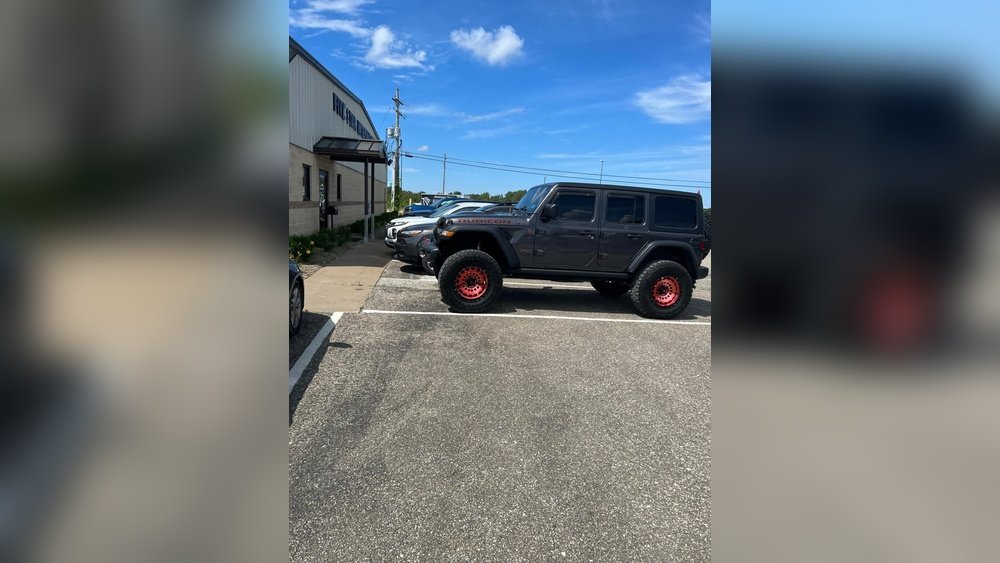
Not all Jeeps are the same. A Jeep Wrangler Rubicon will have a different value than a base model Jeep Compass. Some trims and editions are more popular, rare, or off-road capable, which can raise their price.
- Popular models like the Wrangler and Grand Cherokee hold value well.
- Special editions (like Willys, Trailhawk, or Sahara) may be worth more.
- Less popular trims or discontinued models may sell for less.
2. Age And Mileage
These are basic, but important:
- Lower mileage usually means a higher value.
- Newer Jeeps often sell for more, but some older models (like vintage Wranglers) can be collector’s items and fetch high prices.
3. Condition
The physical and mechanical state of your Jeep matters a lot.
- Excellent condition: Clean inside and out, no damage, runs perfectly.
- Good condition: Minor wear, small scratches, or dents, everything works.
- Fair or poor: Noticeable damage, mechanical issues, or needs repairs.
A well-maintained Jeep can be worth thousands more than one with problems.
4. Modifications And Accessories
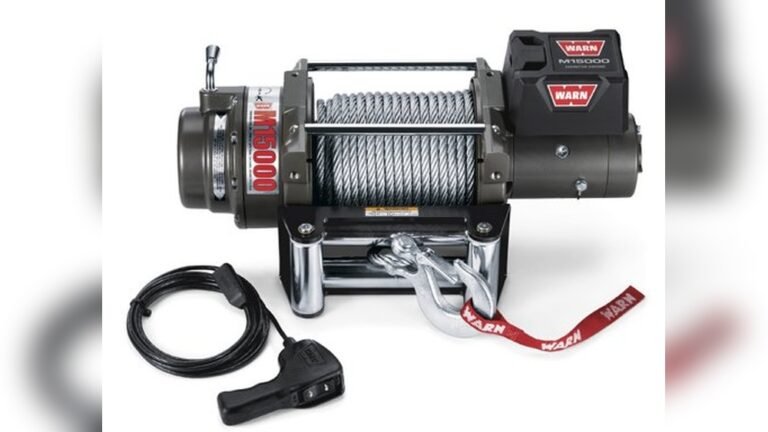
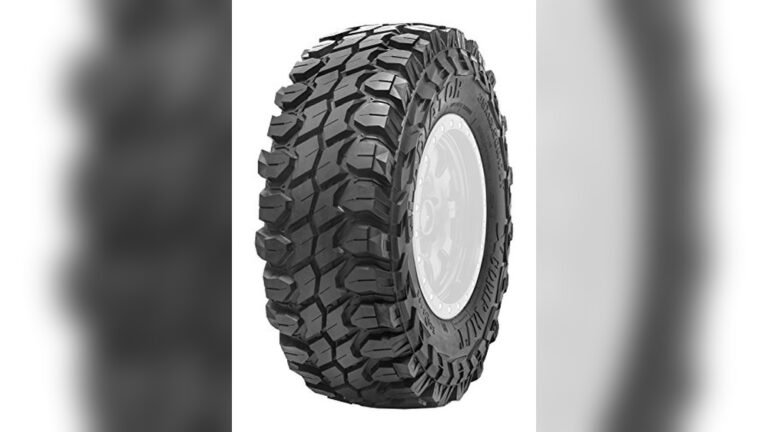
Many Jeep owners add aftermarket parts—lift kits, bigger tires, winches, or custom bumpers.
- Some upgrades (like quality off-road parts) can add value.
- Others (like extreme lifts or unusual paint) may reduce appeal to buyers.
- Keep original parts if you plan to sell—the next owner may want them.
5. Location And Market Demand
Where you live can change the value of your Jeep.
- In regions with snow or mountains, 4×4 Jeeps are in high demand.
- In warmer or flat areas, demand may be lower.
- Local market trends matter—check prices in your area.
6. Service History And Accident Reports
A well-documented service record boosts confidence for buyers.
- No accidents, regular maintenance—higher value.
- Accident history, missing records—lower value.
7. Color And Features
Some colors and features are more popular.
- Black, white, and gray often resell better.
- Features like leather seats, navigation, or heated steering wheels can add value.
How To Estimate Your Jeep’s Value
You don’t need to be a professional to get a solid estimate. Here’s how to start:
Step 1: Gather Basic Info
Collect these details:
- Year, make, and model (e.g., 2020 Jeep Wrangler Unlimited Sport)
- Current mileage
- Trim level and options (navigation, leather, etc.)
- Condition (be honest)
- Modifications or aftermarket parts
- Service records
Step 2: Use Trusted Online Valuation Tools
Several sites help you estimate value quickly. The most popular are:
- Kelley Blue Book (KBB)
- Edmunds
- NADA Guides
Enter your Jeep’s details, and these tools will give you a price range.
Example Valuation Tool Comparison
| Site | Private Sale Value | Trade-In Value |
|---|---|---|
| KBB | $32,000 | $28,500 |
| Edmunds | $31,500 | $28,000 |
| NADA | $32,500 | $29,000 |
*Example: 2021 Jeep Wrangler Unlimited, 25,000 miles, good condition.*
Notice the values are similar, but not identical. Always check a few sources for the best estimate.
Step 3: Check Local Listings
Look at online marketplaces (like Autotrader, Craigslist, or Facebook Marketplace). Search for Jeeps like yours in your region.
- Compare asking prices with similar year, model, mileage, and features.
- Prices can vary by thousands based on location and season.
Step 4: Adjust For Condition And Extras
If your Jeep is in better shape than most, add value. If it needs repairs, subtract from the average price.
- Clean, well-kept interior: +$500 to $1,000
- New tires or brakes: +$200 to $500
- Needs engine work: -$1,000 or more
Step 5: Consider Selling Method
How you sell makes a difference:
- Private party: Usually the highest price.
- Dealer trade-in: Lower price, but easier and faster.
- Online instant buyers: Quick offers, but often the lowest value.
Example Value By Selling Method
| Selling Method | Typical Price for 2018 Jeep Cherokee |
|---|---|
| Private Sale | $20,000 |
| Dealer Trade-In | $17,000 |
| Online Buyer (Carvana, Vroom) | $16,500 |
Selling privately takes more effort but can bring $2,000–$3,500 more than a trade-in.

Credit: www.reddit.com
Common Mistakes When Valuing Your Jeep
Many owners make simple errors that cost them money. Avoid these:
- Overestimating value: Just because you love your Jeep doesn’t mean buyers will pay extra.
- Ignoring condition: Small issues (scratches, worn tires) add up and lower value.
- Not checking local prices: National average prices may not match your area.
- Missing paperwork: No title or service records = lower offers.
- Pricing based on upgrades: Not all modifications add value—some even lower it.
Real-world Jeep Value Examples
Let’s look at how value changes depending on details:
Example 1: 2016 Jeep Wrangler Sport
- 60,000 miles, excellent condition, no mods
- Private party value: $24,500 (Denver, CO)
- Dealer trade-in: $21,500
Example 2: 2018 Jeep Grand Cherokee Limited
- 45,000 miles, leather seats, sunroof, minor accident history
- Private party value: $26,000 (Atlanta, GA)
- Dealer trade-in: $22,500
Example 3: 2012 Jeep Liberty
- 100,000 miles, good condition, aftermarket wheels
- Private party value: $9,200 (Dallas, TX)
- Dealer trade-in: $7,800

Credit: www.rochesterhappychryslerdodgejeepram.com
How Market Trends Affect Jeep Values
Jeep values can change quickly based on market trends.
- When fuel prices rise, large SUVs may drop in value, but Jeeps often hold steady due to their off-road appeal.
- During winter or before summer, demand for 4×4 vehicles goes up.
- Economic downturns can lower used car prices overall.
Non-obvious Insight: During times of new vehicle shortages (like 2021–2022), used Jeep prices soared. Always check current trends before selling.
How To Maximize Your Jeep’s Value
If you want the best price, follow these tips:
- Clean your Jeep inside and out.
- Fix small issues (lights, dings, tires).
- Gather all service records and manuals.
- Highlight popular features and extras in your ad.
- Take clear, well-lit photos for listings.
Selling at the right time (spring or fall) can also get you a better price.
Pro Tip: If you have aftermarket parts, consider selling them separately if they don’t add value to most buyers.

Credit: www.summitautocdjr.com
Should You Trade In Or Sell Privately?
Many owners ask if they should trade in at a dealer or try a private sale. Here’s a quick comparison:
| Method | Pros | Cons |
|---|---|---|
| Trade-In | – Fast and easy – Less paperwork – Good for old or damaged Jeeps |
– Lower price – Less negotiation power |
| Private Sale | – Higher value – More buyers for popular models |
– Takes more time – Need to handle paperwork and safety |
For most newer Jeeps in good condition, a private sale brings the best price. For older, high-mileage, or damaged Jeeps, a trade-in may be simpler.
Useful Tools And Resources
- Kelley Blue Book: Kelley Blue Book
- Edmunds: Great for side-by-side value comparison.
- NADA Guides: Trusted by dealers and banks.
- Carfax: Check accident and service history.
You can also find Jeep-specific forums and Facebook groups where owners discuss real-world prices.
Frequently Asked Questions
How Do I Find My Jeep’s Value For Free?
You can use online tools like Kelley Blue Book, Edmunds, or NADA Guides. Enter your Jeep’s details for a free estimate.
Does Adding Aftermarket Parts Increase My Jeep’s Value?
Some upgrades, like quality off-road parts or new tires, can add value. But extreme modifications or custom paint often reduce appeal to average buyers.
Is A Jeep With High Mileage Still Valuable?
Yes, especially Wranglers and other popular models. High mileage lowers value, but a well-maintained Jeep can still sell for a good price.
What Documents Do I Need To Sell My Jeep?
You’ll need the title, service records, and any receipts for recent repairs or upgrades. A clean Carfax or accident report also helps.
Where Can I Find Real Jeep Values In My Area?
Check local listings on Autotrader, Craigslist, or Facebook Marketplace. Compare similar models in your city for the most accurate value. Also, consult sites like Kelley Blue Book for region-based estimates.
Getting the right value for your Jeep is more than just looking up a number. By considering all the factors above and using multiple tools, you can confidently price your Jeep and get the best possible deal. Whether you decide to sell, trade, or just keep driving, knowing your Jeep’s value puts you in control.