What is Death Wobble on a Jeep: Causes and How to Fix It
 Reading Time: 9 minutes
 If you drive a Jeep, you may have heard stories about something called death wobble. This term sounds scary—and honestly, it is. Death wobble can make your Jeep shake uncontrollably while driving, especially if you hit a bump or pothole. Many beginners worry about it, but not everyone understands what causes it, how to fix it, or how to prevent it. Let’s break down everything you need to know about Jeep death wobble in simple, clear language.
What Is Death Wobble?
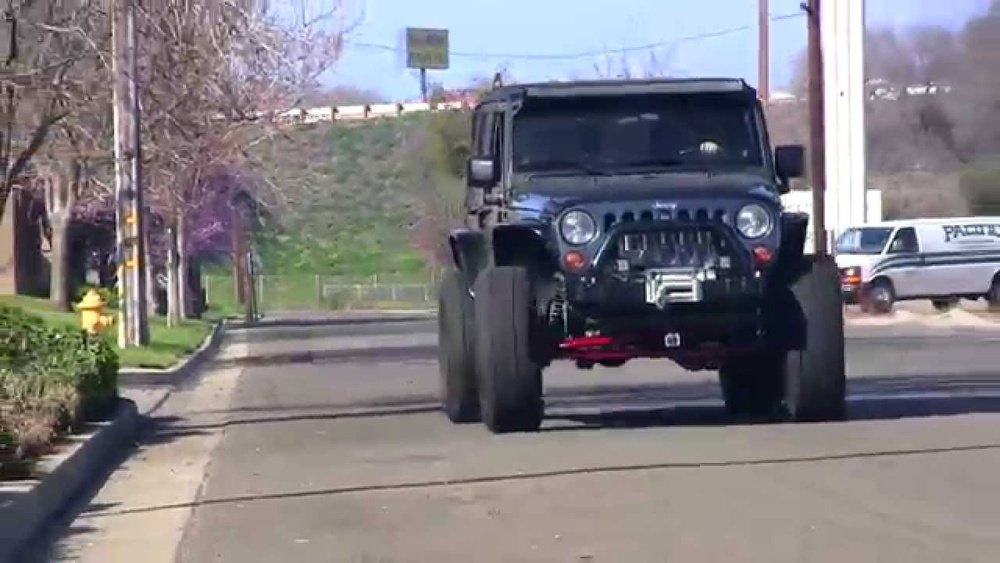
Death wobble is a violent shaking or vibration that happens in the front suspension of a Jeep. It usually starts when you hit a bump at certain speeds (often between 40–60 mph). The steering wheel can shake side to side, and the whole vehicle may feel unstable. Sometimes, it feels like the Jeep is about to lose control, which can be frightening.
- It is most common in Jeep Wranglers and other solid front axle vehicles.
- The shaking does not stop until you slow down or come to a stop.
- Death wobble is not just a minor vibration—it is much more intense.
Many drivers confuse death wobble with normal tire shake or alignment issues, but death wobble is much more severe. If you have ever experienced it, you know the difference right away.
Another thing beginners often miss: death wobble is not just a one-time event. If you do not address the root cause, it will likely come back again and again, sometimes with more force each time. Also, death wobble can occur on both highways and backroads. So, it’s not only a high-speed issue—you can face it in many driving situations.
Why Does Death Wobble Happen?
Death wobble is not caused by just one thing. Instead, it is usually a combination of problems in the Jeep’s steering and suspension systems. The design of solid front axles, while strong for off-roading, can be less forgiving if parts become worn or loose.
Common Causes
- Worn track bar bushings
- Loose steering components
- Bad ball joints
- Unbalanced tires
- Bent or damaged suspension parts
- Misaligned wheels
- Lift kits without proper upgrades
When these parts are loose or worn, the Jeep’s front axle can move too much. This movement triggers the wobble when you hit a bump.
It’s important to know that sometimes it’s not only one cause. For example, a small amount of wear in several components can add up and trigger death wobble, even if each issue seems minor on its own. Many Jeep owners spend a lot of time replacing just one part, when actually, several parts need attention together.
Example
Imagine you have a Jeep Wrangler with a 2-inch lift kit. If the track bar is not upgraded or properly installed, it may become loose over time. This small looseness is enough to let the front axle shift, causing death wobble after hitting a pothole.
A real-world example: a driver noticed a slight steering shake after hitting bumps, but ignored it. Over months, the track bar bolts became looser, and after one big bump, death wobble started. This shows that even small issues can build up and lead to a big problem.

Credit: www.cjponyparts.com
How To Recognize Death Wobble
It’s important to know the signs of death wobble, so you can act quickly.
- The steering wheel shakes violently, left and right.
- The Jeep feels out of control.
- The vibration is much stronger than normal tire shakes.
- The wobble starts suddenly after hitting a bump, then continues until you slow down.
If you feel these symptoms, do not ignore them. Death wobble can make it hard to steer and increase the risk of an accident.
Some drivers try to “drive through it” or grip the steering wheel tighter, but this does not solve the problem. In fact, doing so can make the situation more dangerous. The safest response is to slow down smoothly, keep both hands on the wheel, and pull over as soon as possible.
If you have passengers, let them know what’s happening so they stay calm.
Vehicles Most Affected By Death Wobble
Jeep vehicles with solid front axles are most likely to experience death wobble. Here’s a comparison of common Jeep models:
| Jeep Model | Death Wobble Risk | Axle Type |
|---|---|---|
| Wrangler (TJ, JK, JL) | High | Solid Front Axle |
| Grand Cherokee (ZJ, WJ) | Medium | Solid Front Axle |
| Liberty (KJ) | Low | Independent Front Suspension |
| Compass/Patriot | Low | Independent Front Suspension |
Wrangler models are the most affected because of their solid axle design. Lift kits and off-road use can also increase the risk.
Solid front axles are stronger for off-road, but they can transfer more vibration and movement to the steering system. Independent front suspension, like on the Liberty or Compass, reduces the risk because each wheel can move independently, absorbing road bumps better.
This is why most modern SUVs with independent suspension rarely get death wobble.
How To Fix Death Wobble
Solving death wobble can be tricky, but the process is always step-by-step. Beginners should follow these practical steps:
1. Inspect The Track Bar
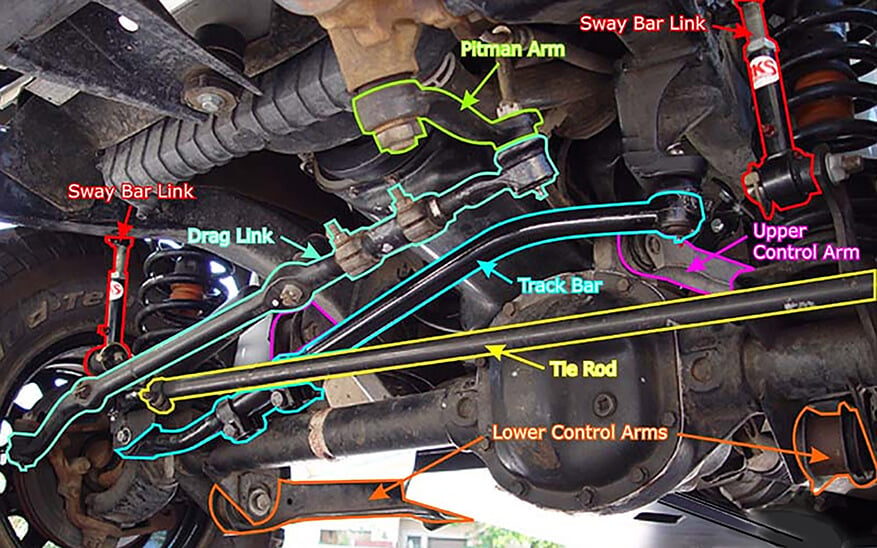
The track bar keeps the axle centered. If its bushings or bolts are worn, replace them.
A common tip: use a pry bar to check for movement at each end of the track bar while someone turns the steering wheel. Any movement means the bushings or bolts need attention.
2. Check Steering Components
Look at the tie rods, drag link, and steering stabilizer. Replace any parts with play or wear.
Worn tie rods or a weak steering stabilizer can make even small vibrations much worse. When checking parts, grab them and try to move them by hand—there should be little or no play.
3. Examine Ball Joints And Wheel Bearings
Worn ball joints or wheel bearings let the wheels move too much. Replace them if needed.
Ball joints are often overlooked because they wear slowly. But even a small amount of play can lead to death wobble. Wheel bearings can be checked by lifting the wheel and trying to move it side to side.
4. Balance And Align Tires
Unbalanced tires or poor alignment can trigger death wobble. Get your tires balanced and wheels aligned by a professional.
Many shops can check balance quickly. If you have mud or rocks stuck to your wheels from off-roading, clean them out—this can make a big difference.
5. Upgrade Suspension After Lift Kits
If you have installed a lift kit, make sure you upgrade the track bar and other suspension parts to match the new height.
Stock suspension parts may not work well with lifted Jeeps. Aftermarket heavy-duty track bars and adjustable control arms are often needed for lifts over 2 inches.
Example Fix
A Jeep owner installed a 3-inch lift but kept the original track bar. After death wobble appeared, they upgraded to a heavy-duty track bar and replaced worn bushings. The wobble stopped.
Another fix example: one owner had new tires and alignment but still had wobble. They discovered the frame side track bar bolt hole was oval-shaped from wear. After welding and installing a new bolt, the death wobble disappeared. This shows that not all problems are easy to see.
Preventing Death Wobble
Prevention is always better than repair. Here are practical tips:
- Inspect suspension and steering every 6 months
- Use quality parts for any upgrades
- Avoid cheap lift kits without proper upgrades
- Keep tires balanced and aligned
- Tighten bolts to factory specs
Many beginners miss regular maintenance. Checking bolts and bushings can prevent most problems.
You should also check parts after any hard off-road trip. Rocks, mud, and impacts can loosen bolts or damage bushings quickly. Keeping a small torque wrench in your Jeep is smart, so you can check bolts even when traveling.
Another tip: when replacing any part, check for wear or oval-shaped holes. If a mounting hole is worn, just replacing the bolt or bushing is not enough—the hole must be fixed too.
Credit: doubleblackoffroad.com
How Much Does Repair Cost?
Repair costs depend on the parts and labor. Here is an example comparison:
| Repair Item | Average Cost (USD) | DIY Difficulty |
|---|---|---|
| Track Bar Replacement | $100–$250 | Medium |
| Steering Stabilizer | $50–$150 | Easy |
| Ball Joints | $200–$500 | Hard |
| Tire Balance/Alignment | $75–$150 | Easy |
Repairing death wobble can cost from $100 to over $500 depending on what needs replacing. Beginners often underestimate labor costs for ball joints.
Also, some shops charge extra for Jeeps with lift kits, since they can be harder to work on. If you do repairs yourself, always use a torque wrench and follow the correct procedures—rushing can create more problems later.
Real-life Data And Statistics
- About 1 in 10 Jeep Wrangler owners report death wobble after installing a lift kit.
- Most cases are found in Jeeps older than 5 years.
- Over 60% of death wobble repairs involve replacing track bars or bushings.
A common beginner mistake is ignoring small steering shakes, thinking they are normal. These shakes can be early signs of death wobble.
Another insight: even brand-new Jeeps are not immune if parts are not properly tightened at the factory, or after dealer upgrades. Checking all bolts after any shop visit, especially for steering or suspension work, is a smart move.
Common Mistakes Beginners Make
Many Jeep owners make these mistakes, which can make death wobble worse:
- Ignoring loose bolts
- Skipping tire balancing
- Using cheap aftermarket parts
- Not checking suspension after off-roading
- Failing to upgrade parts with lift kits
If you avoid these, you lower your risk greatly.
One more mistake: assuming an alignment will fix death wobble by itself. Alignment helps, but loose or worn parts must be replaced first. Otherwise, the problem returns quickly.
How Death Wobble Affects Driving Safety
Death wobble is more than just uncomfortable—it is a safety risk.
- Hard to control steering
- Increased accident risk
- Can cause loss of control at high speeds
If you experience death wobble, slow down safely and pull over. Never try to keep driving at high speed.
If death wobble happens while you’re towing or carrying heavy loads, it can be even more dangerous, as the extra weight makes control harder. Passengers may panic, so staying calm and taking safe actions is very important.
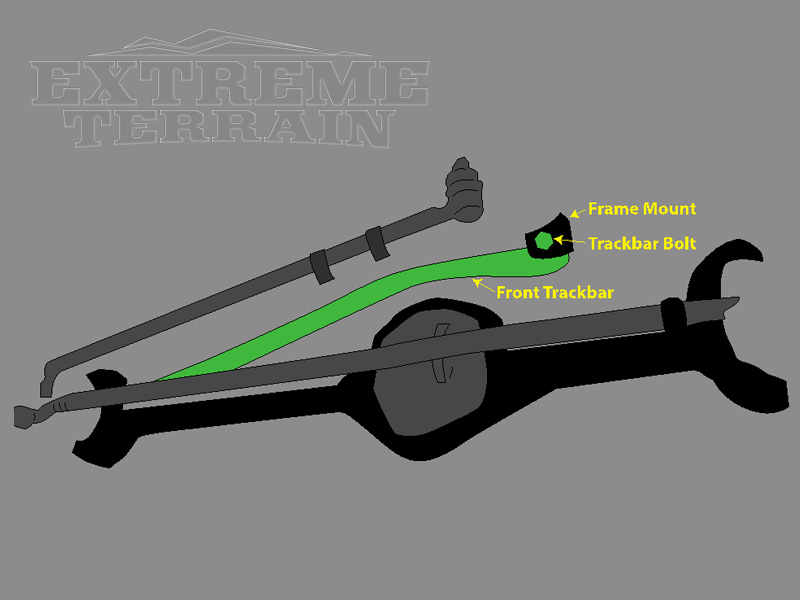
Credit: www.extremeterrain.com
Jeep Death Wobble Vs. Other Shakes
It’s easy to confuse death wobble with other types of shakes. Here’s a quick comparison:
| Type | Severity | Common Causes | How to Stop |
|---|---|---|---|
| Death Wobble | Very High | Loose suspension, track bar | Slowing down, repairs |
| Tire Vibration | Low | Unbalanced tires | Tire balancing |
| Steering Shake | Medium | Worn tie rods, alignment | Repair, alignment |
Death wobble is much stronger and more dangerous than normal tire vibration.
A practical tip: If the shake stops when you let off the gas or slow down, but returns above certain speeds, it is likely death wobble. If the shake is always present, even at low speed, look for tire or wheel problems first.
Expert Tips For Beginners
- Always check your Jeep after driving off-road.
- Keep a log of repairs and upgrades.
- Use torque specs when tightening bolts.
- Upgrade your track bar with any lift kit.
- Ask a mechanic to inspect if you notice any new shakes.
Two insights beginners often miss:
- Even small changes to suspension geometry (like a lift) can trigger death wobble if not matched with upgraded parts.
- Regular inspection is key—death wobble rarely happens on well-maintained Jeeps.
Another advanced tip: When doing any suspension work, mark bolt positions and use a paint pen to detect if bolts move over time. This helps you spot problems before they become serious.
Frequently Asked Questions
What Should I Do If I Experience Death Wobble?
Immediately slow down and safely pull over. Check for loose or damaged steering parts. Do not drive fast until the problem is fixed.
Can Death Wobble Be Fixed Permanently?
Yes, if you find and repair the root cause. Upgrading worn parts and proper maintenance can keep your Jeep safe.
Is Death Wobble Dangerous?
Yes. It can make steering hard and increase the risk of an accident. Always fix it quickly.
Does Every Lifted Jeep Get Death Wobble?
No. Many lifted Jeeps never have this problem if upgrades are done correctly and maintenance is regular.
Where Can I Learn More About Jeep Suspension?
A good place to start is the official Jeep Wrangler Wikipedia page, which explains Jeep design and suspension details.
Death wobble is a serious issue, but you can avoid it with regular checks, quality upgrades, and proper maintenance. Pay attention to any shakes or vibrations, and act early. With the right steps, your Jeep can stay safe and stable on any road.