what is a yj jeep
 Reading Time: 8 minutes
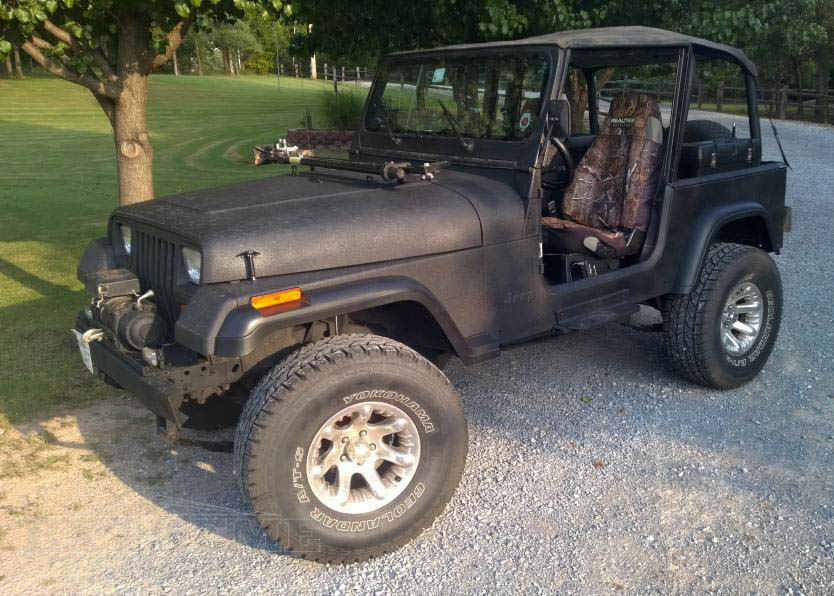
 The YJ Jeep is a classic American off-road vehicle that has captured the hearts of adventure lovers and car enthusiasts since its launch in the late 1980s. Known for its unique square headlights and rugged design, the YJ Jeep holds a special place in the history of the Jeep brand. Whether you want to buy, restore, or simply learn about this vehicle, understanding what makes the YJ Jeep special is important.
Origins And History Of The Yj Jeep
The YJ Jeep was first introduced in 1986 as the replacement for the Jeep CJ series. Its production lasted until 1995, marking almost a decade of innovation and change for Jeep. The YJ was built during a time when the market demanded safer, more comfortable, and more efficient off-road vehicles. Chrysler owned Jeep during most of the YJ era, bringing new engineering ideas to the Jeep lineup.
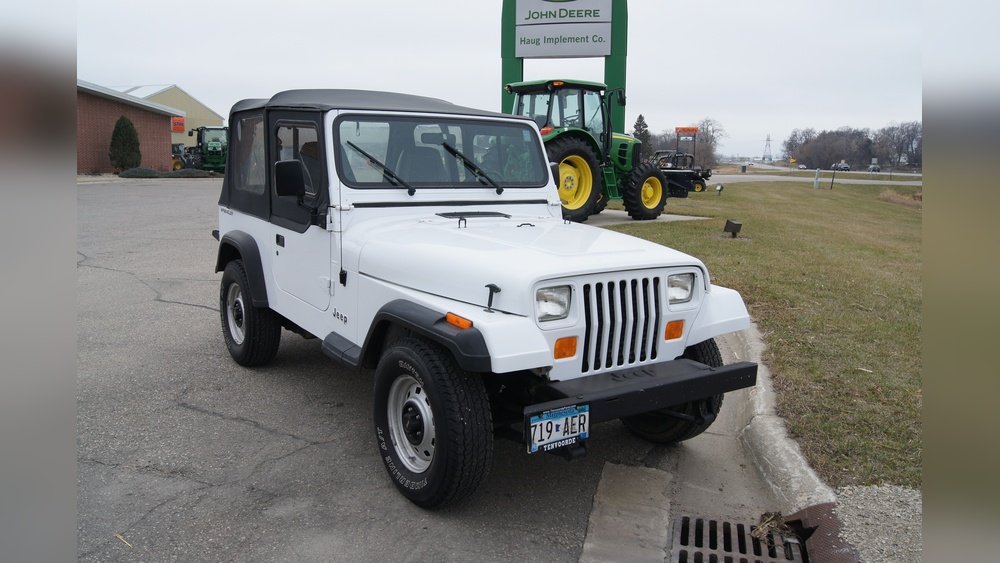
One of the most recognizable changes was the switch from round to square headlights. This decision was controversial but helped the YJ stand out. The YJ Jeep was manufactured in Toledo, Ohio, a city famous for its Jeep factories. Over 650,000 YJ Jeeps were made, making it a popular model for both new buyers and collectors.
Key Features And Design
Body And Styling
The YJ Jeep kept the classic Jeep look but made it more modern for the late 1980s and early 1990s. Its body style is a two-door convertible, with removable hard or soft tops. The main features include:
- Square headlights (unique to the YJ)
- Flat, vertical windshield
- Wide track for better stability
- Rugged steel bumpers
- Removable doors
The YJ’s design focused on both off-road capability and everyday comfort. The seats were improved, and the dashboard was more user-friendly than earlier models.
Engines And Performance
The YJ Jeep offered several engine options during its production. Here’s a comparison of the most popular engines:
| Engine | Horsepower | Torque (lb-ft) | Years Available |
|---|---|---|---|
| 2.5L AMC I4 | 117 | 135 | 1987–1995 |
| 4.2L AMC I6 | 112 | 210 | 1987–1990 |
| 4.0L AMC I6 | 180 | 220 | 1991–1995 |
The 4.0L inline-six engine is especially popular among Jeep fans for its strength and reliability. Most YJ Jeeps came with a manual transmission, but automatic options were available.
Suspension And Handling
The YJ Jeep introduced leaf springs with wider tracks, giving it a more stable ride than its predecessor, the CJ. It used a solid front and rear axle, which is good for off-roading but can feel stiff on city streets. The YJ’s suspension can handle rough terrain, making it a favorite for trail driving and rock crawling.
Safety And Comfort
Earlier Jeep models focused mainly on off-road use and had basic interiors. The YJ Jeep improved safety and comfort by adding:
- Three-point seat belts
- Roll bar (later, full roll cage)
- Better heating and ventilation
- Optional air conditioning
- Improved seats and dashboard layout
These changes made the YJ safer and more comfortable for daily driving, not just off-road adventures.
Yj Jeep Models And Trims
The YJ Jeep was sold mainly as the Jeep Wrangler, but there were several trims and special editions:
- Base Model: Simple features, usually manual transmission, no extras.
- Laredo: Added comfort features like carpets and chrome trim.
- Islander: Unique graphics and special seat fabrics.
- Renegade: Wide-body fenders, upgraded wheels, and sporty style.
- Sahara: Premium trim with special paint, upgraded interior, and decals.
- Rio Grande: Budget-friendly model with basic options.
Special editions like the Renegade and Sahara are sought after by collectors for their unique looks and features.
Differences Between Yj And Other Jeep Models
Many people confuse the YJ Jeep with other Wrangler models, especially the CJ (its predecessor) and the TJ (its successor). Here’s a clear comparison to help:
| Model | Headlights | Suspension | Main Years |
|---|---|---|---|
| CJ (Jeep CJ) | Round | Leaf springs | 1945–1986 |
| YJ (Jeep Wrangler YJ) | Square | Leaf springs (wider track) | 1987–1995 |
| TJ (Jeep Wrangler TJ) | Round | Coil springs | 1997–2006 |
The square headlights are a quick way to spot a YJ. The switch to coil springs in the TJ model led to a smoother ride, but many off-roaders still prefer the leaf springs in the YJ for their durability.
20191024151635)
Credit: www.hagerty.com
Yj Jeep In Off-road Culture
The YJ Jeep is famous in off-road communities for its tough build and simple mechanics. It’s often used in trail rides, mud bogging, and rock crawling events. Some reasons why the YJ is popular off-road:
- Easy to modify with lift kits, bigger tires, and stronger axles
- Simple engine design, making repairs straightforward
- Strong frame and body, resisting damage on rough trails
Many owners add accessories such as winches, light bars, and skid plates. The YJ is also a common base for custom builds, including extreme off-road rigs and overlanding vehicles.
Common Problems And Maintenance
While the YJ Jeep is reliable, it’s not free from issues. Here are some common problems:
- Rust: The frame and body panels can rust, especially in wet climates.
- Electrical problems: Older wiring can cause issues with lights and gauges.
- Transmission wear: Manual gearboxes may need rebuilding after high mileage.
- Suspension bushings: These can wear out and cause rough rides.
Regular maintenance is important, including oil changes, checking for rust, and inspecting suspension parts. Replacing worn bushings or upgrading to modern parts can improve comfort and safety.
Many beginners miss the importance of checking frame rust, especially near the rear and under the doors. This can cause serious safety problems if ignored.
Buying A Yj Jeep: What To Look For
If you’re considering buying a YJ Jeep, there are important things to check:
- Frame condition: Look for rust or cracks.
- Engine health: Listen for knocking or smoke; check for leaks.
- Transmission and clutch: Test shifting and clutch feel.
- Suspension: Check for worn bushings and uneven tire wear.
- Electrical system: Test lights, gauges, and battery.
It’s smart to ask for service records and to take a test drive. If possible, have a mechanic inspect the Jeep before buying.
Here’s a quick comparison between buying a YJ Jeep for off-road use versus daily driving:
| Purpose | Recommended Features | Potential Issues |
|---|---|---|
| Off-road | Lift kit, bigger tires, skid plates | Frame rust, worn axles |
| Daily driving | Stock suspension, air conditioning, sound system | Electrical issues, worn bushings |
Non-obvious insight: Some YJ Jeeps have been heavily modified by previous owners. Always check for signs of poor workmanship, like messy wiring or homemade suspension parts. These can cause safety problems.
Value And Collectibility
The YJ Jeep’s value depends on its condition, originality, and trim. Well-maintained YJs can sell for $8,000–$15,000, while rare editions like the Sahara or Renegade might fetch more. Restoration projects can be much cheaper, but repairs and parts may cost thousands.
Collectors often look for:
- Original paint and interior
- Clean frame with no rust
- Matching numbers (engine and VIN)
- Special editions
Some YJs have increased in value, especially as classic vehicles become more popular. The YJ is seen as a bridge between old-school Jeeps and more modern models.
Credit: www.extremeterrain.com
Tips For Restoration And Upgrades
Restoring a YJ Jeep is a rewarding project. Here are practical tips:
- Start with a solid frame; rust repair is expensive and difficult.
- Use original parts for rare editions to keep value high.
- Upgrade safety items like brakes and seat belts first.
- Modernize the suspension for better ride comfort.
- Add weatherproofing (new seals, hard top) for daily use.
Beginners often forget to check the condition of the roll bar or cage. A strong roll bar is essential for safety, especially if you plan to drive off-road.
Yj Jeep In Pop Culture
The YJ Jeep has appeared in movies, TV shows, and magazines. Its square headlights and boxy shape made it easy to recognize. Many celebrities and off-road racers have owned YJ Jeeps, using them for both fun and competition.
One famous example is the YJ used in the original “Jurassic Park” film. Its unique styling helped make the YJ Jeep iconic in pop culture and automotive history.

Credit: white-knuckleoffroad.com
Frequently Asked Questions
What Years Was The Yj Jeep Produced?
The YJ Jeep was built from 1986 to 1995. It replaced the Jeep CJ and was followed by the TJ model.
Why Does The Yj Jeep Have Square Headlights?
Jeep used square headlights in the YJ to give it a modern look for the late 1980s. This design choice is unique to the YJ and helps it stand out from other Wrangler models.
Is The Yj Jeep Good For Off-roading?
Yes, the YJ Jeep is popular for off-road use because of its strong frame, simple mechanics, and easy upgrades. Many people use it for trail riding and rock crawling.
What Is The Difference Between The Yj And Tj Wrangler?
The main differences are in the headlights (square vs round) and suspension (leaf springs vs coil springs). The TJ offers a smoother ride, but the YJ is simpler and often preferred for rough terrain.
Where Can I Find More Information About The Yj Jeep?
You can learn more about the YJ Jeep on the official Jeep history page or trusted sources like Wikipedia.
The YJ Jeep remains a favorite for adventure seekers and collectors. Its unique style, strong performance, and history make it a true classic. Whether you want a daily driver, a weekend trail machine, or a restoration project, the YJ Jeep offers a fun and rewarding experience.