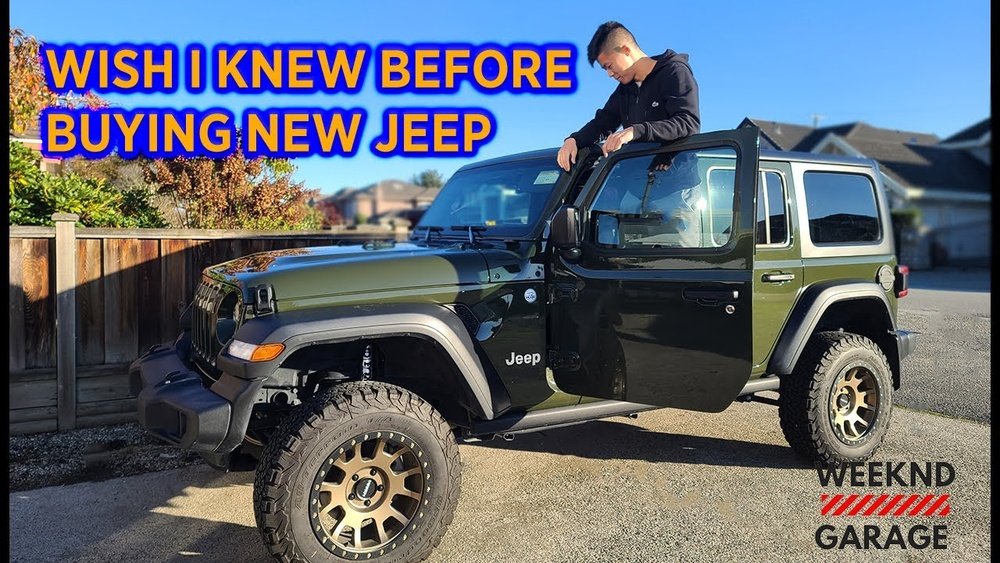
What I Wish I Knew before Buying a Jeep Wrangler: Essential Tips
 Reading Time: 8 minutes
 If you’re thinking about buying a Jeep Wrangler, there’s a lot you should know before you take the plunge. This iconic off-roader promises adventure and freedom, but it also comes with its own set of quirks and challenges.
What if I told you that knowing a few key things upfront could save you from costly repairs, headaches, and buyer’s remorse? You’ll discover the most important lessons I learned the hard way—from common mechanical issues to what years to avoid and how to spot hidden problems.
If you want to enjoy your Jeep Wrangler to the fullest without surprises, keep reading. Your future self will thank you.
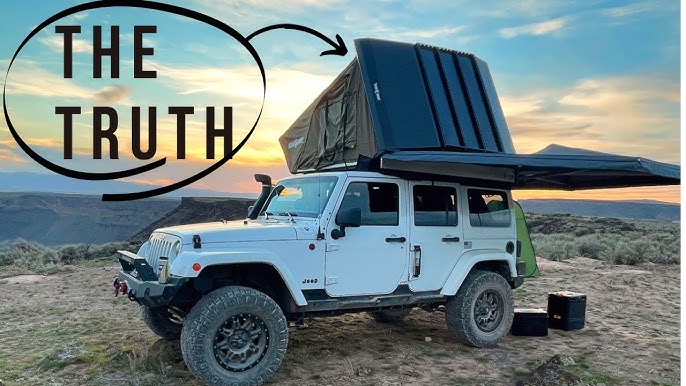
Credit: www.youtube.com
Years To Avoid
Knowing which Jeep Wrangler model years to avoid can save you from costly repairs and headaches. Some years have recurring problems that many owners regret. Understanding these can help you make a smarter purchase decision.
2007-2012 Models
Wranglers from 2007 to 2012 often show common issues. These models belong to the JK generation. Buyers frequently report electrical and mechanical problems. The 3.8L V6 engine used in many of these years is less reliable than later versions. Rust problems also appear more often in these years. Overall, these models need more maintenance and repairs than others.
Tipm Failures
The Totally Integrated Power Module, or TIPM, controls many electrical functions in the Wrangler. Faulty TIPMs cause random warning lights, power window failures, and even engine stalling. This problem is common in 2007-2012 Wranglers. Replacing the TIPM can be expensive and time-consuming. Checking for electrical issues before buying is critical.
Death Wobble Risks
Death Wobble is a harsh shaking of the steering wheel. It happens when steering or suspension parts wear out. Many Wranglers, especially older JK models, suffer from this. It can make driving dangerous and uncomfortable. Regular maintenance and upgrading suspension parts help reduce this risk. Still, it remains a concern for certain years.
Common Issues
Owning a Jeep Wrangler means enjoying rugged adventures. Yet, some common issues can affect your experience. Knowing these problems helps you maintain your Jeep better. It also saves money and frustration in the long run. Below are frequent issues that Jeep Wrangler owners face.
Steering And Suspension Wear
Jeep Wranglers often face steering and suspension wear. This can cause the infamous “death wobble.” The steering wheel shakes violently on rough roads. Worn ball joints, bushings, or track bars usually cause this. Regular checks and timely replacements reduce this problem. Good suspension parts improve safety and driving comfort.
Transmission Problems
Transmission troubles can appear as rough gear shifts or slipping. Some Wranglers get stuck in gear or overheat. These issues affect the vehicle’s drivability and smoothness. Keeping transmission fluid fresh helps avoid damage. Early diagnosis and repair prevent costly fixes later.
Rust Concerns
Rust is a major concern, especially on older models. The frame and undercarriage are vulnerable to corrosion. Salt from roads speeds up rusting. Rust weakens structural parts, risking safety. Inspect the Jeep thoroughly for rust spots. Proper cleaning and rust-proofing extend the vehicle’s life.
Electrical Glitches
Electrical problems are common in Wranglers due to complex systems. Faulty sensors and power window failures happen often. The Totally Integrated Power Module (TIPM) may fail in some years. These glitches cause warning lights and system malfunctions. Routine checks and keeping software updated reduce errors.
Soft Top Leaks
Soft tops can develop leaks over time. Water intrusion occurs during heavy rain or car washes. Leaks cause interior damage and discomfort. Checking seals and zippers helps prevent leaks. Consider replacing worn soft tops or switching to a hardtop for better protection.
Better Model Years
Choosing the right Jeep Wrangler model year matters a lot. Some years offer better reliability and features. Others might have known issues to avoid. Knowing the better model years helps you make a smart choice.
Jk Generation Highlights
The JK generation ran from 2007 to 2018. It brought many updates over previous models. The JK had improved suspension for smoother rides. It also introduced more comfort features inside the cabin. Engine options included a strong V6, good for off-road and highway. Some models had issues like death wobble and electrical glitches. But many owners found the JK reliable with proper care. It remains a popular choice for used Jeep buyers.
Jl Generation Improvements
The JL generation started in 2018 and continues today. It improved fuel efficiency with a new turbo engine option. The JL has better safety features like advanced airbags and cameras. Interior quality is higher, with modern tech and touchscreen controls. Suspension and chassis upgrades reduce common problems like death wobble. The JL also offers better rust protection on the frame. These changes make the JL a strong choice for buyers wanting newer technology and comfort.

Credit: jeepknowledge.com
Inspection Tips
Before buying a Jeep Wrangler, a careful inspection is key. This helps find hidden problems early. Spending time on a thorough check can save money and stress later. Focus on three main areas to get a clear picture of the vehicle’s condition.
Vehicle History Reports
Start with the vehicle history report. It shows past accidents, title issues, or flood damage. Look for a clean record without major problems. Check if the Jeep had many owners or long periods without use. This report gives insight into how the Jeep was treated.
Pre-purchase Inspection
Get a professional to inspect the Jeep before buying. Experts spot mechanical and electrical issues easily missed. They check the engine, transmission, brakes, and suspension. This inspection reveals costly repairs needed soon. It also confirms if modifications are safe and well done.
Rust And Frame Checks
Rust is a common problem in Jeep Wranglers. Check the frame, undercarriage, and wheel wells closely. Rust weakens the structure and can cause safety issues. Look for bubbling paint or rough metal spots. Avoid Jeeps with deep rust or frame damage. This ensures the vehicle will last longer and stay safe.
Causes Of Common Problems
Understanding the causes of common problems in a Jeep Wrangler can save you time and money. These issues often stem from the vehicle’s design and how it is used. Many problems arise because of the Wrangler’s strong off-road capabilities and rugged build. Knowing what causes these issues helps in proper maintenance and care.
Off-road Wear And Tear
The Jeep Wrangler is built for off-road adventures. Rough trails, rocks, mud, and water can wear down parts quickly. Suspension components, tires, and undercarriage often take the most damage. Constant exposure to tough terrain leads to loose bolts, worn bushings, and damaged shocks. Regular checks and timely repairs are needed to keep the vehicle reliable.
Solid Axle Design
Wranglers use a solid axle design for durability and strength. This design improves off-road performance but can cause some issues. Solid axles are heavier and less smooth on paved roads. They cause more vibration and can lead to “death wobble,” a harsh shaking of the front end. This happens when steering or suspension parts wear out or become loose.
Exposure To Elements
Jeep Wranglers often face harsh weather conditions. Rain, snow, and salt on roads can cause rust, especially on the frame and undercarriage. Water leaks are common in soft tops and door seals. Electrical parts may also fail due to moisture. Protecting the vehicle from extreme elements helps reduce these problems and extends its life.
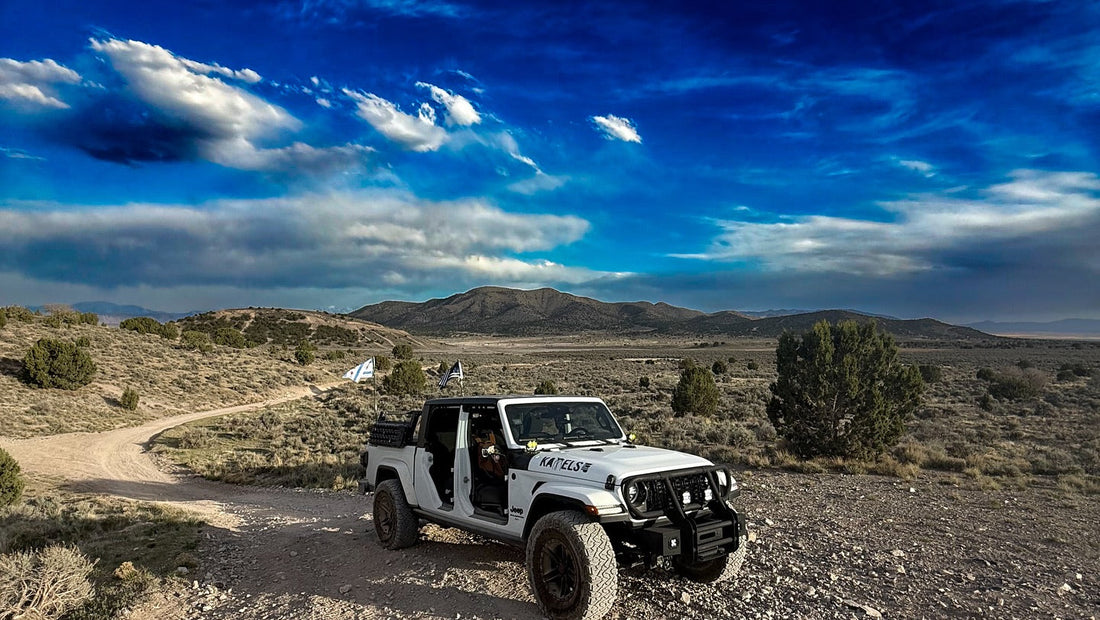
Credit: www.ultralisk4x4.com
Jeep Community Customs
Owning a Jeep Wrangler is more than just driving a vehicle. It is joining a unique community with special customs. These customs create a sense of belonging among Jeep owners. They show respect and friendship on and off the road. Understanding these customs helps new Jeep owners feel welcomed and connected.
The Wave Greeting
The Jeep wave is a simple, friendly gesture. When Jeep drivers see each other, they raise one hand briefly. This small wave says, “You are part of the Jeep family.” It is a sign of respect and friendship. New owners quickly learn to return the wave. It builds a strong community bond.
Jeep Ducking Tradition
Jeep ducking is a fun and growing custom. Jeep owners leave small rubber ducks on other Jeeps. It is a surprise gift and a way to share joy. Finding a duck on your Jeep means someone thought of you. Many Jeepers collect ducks or trade them. It adds a playful spirit to Jeep culture.
Trail Etiquette
Respect on trails is vital in the Jeep world. Drivers follow rules to keep everyone safe and happy. Always wait your turn and do not block the path. Stay on marked trails to protect nature. Help less experienced drivers with advice and support. Good trail manners keep the Jeep community strong.
Helping Fellow Jeepers
Jeep owners often help each other in need. Whether it is fixing a stuck Jeep or giving advice, help is offered freely. This tradition shows true community spirit. Carry basic tools and be ready to assist. Helping others creates trust and friendship among Jeepers. It is part of what makes Jeep ownership special.
Frequently Asked Questions
What Years To Avoid In A Jeep Wrangler?
Avoid Jeep Wrangler models from 2007 to 2012 due to death wobble and TIPM electrical failures. Inspect all used Wranglers for rust and frame damage.
What Is The Most Common Problem In The Jeep Wrangler?
The most common problem in Jeep Wranglers is the “death wobble,” a violent shaking caused by worn steering or suspension parts. Other issues include transmission troubles, rust on the frame, electrical glitches, and leaking soft tops. Regular maintenance helps prevent these problems.
What Are The Unspoken Jeep Rules?
Unspoken Jeep rules include returning the Jeep Wave greeting, respecting trail etiquette, practicing Jeep Ducking, sharing off-road tips, and maintaining vehicle pride. These foster community and mutual respect among Jeep owners.
What Is The Average Income Of A Jeep Owner?
The average income of a Jeep owner typically ranges between $75,000 and $100,000 annually. Jeep buyers often have stable, middle to upper-middle-class incomes. This reflects their preference for rugged, versatile vehicles suitable for active lifestyles and outdoor adventures.
Conclusion
Buying a Jeep Wrangler is an exciting choice. Knowing common problems helps you avoid surprises. Check for death wobble, rust, and electrical issues first. Inspect the vehicle carefully or hire a mechanic. Always review the vehicle history report before buying.
Choose the right year with fewer known problems. This makes your Jeep experience safer and more enjoyable. Enjoy your adventures with confidence and peace of mind.