
What Does Jeep Stand for: Unveiling the Iconic Meaning
 Reading Time: 7 minutes
 Have you ever wondered what the word “Jeep” really stands for? If you’re a fan of rugged vehicles or just curious about this iconic brand, you’re not alone.
The name “Jeep” carries a mix of history, mystery, and a bit of fun that many people don’t fully know. Is it just a catchy name, or does it hold a deeper meaning related to its design and purpose? You’ll discover the surprising origins of the Jeep name, the truth behind popular theories, and what those famous letters might actually mean.
Keep reading to unlock the story behind one of the most legendary vehicles on the road—and find out why Jeep is more than just a name.
Jeep Name Origins
The name “Jeep” carries a history full of mystery and stories. People have wondered what Jeep really means for decades.
This section dives into the origins of the Jeep name. It explains how the name started and what it might stand for.
Military Beginnings
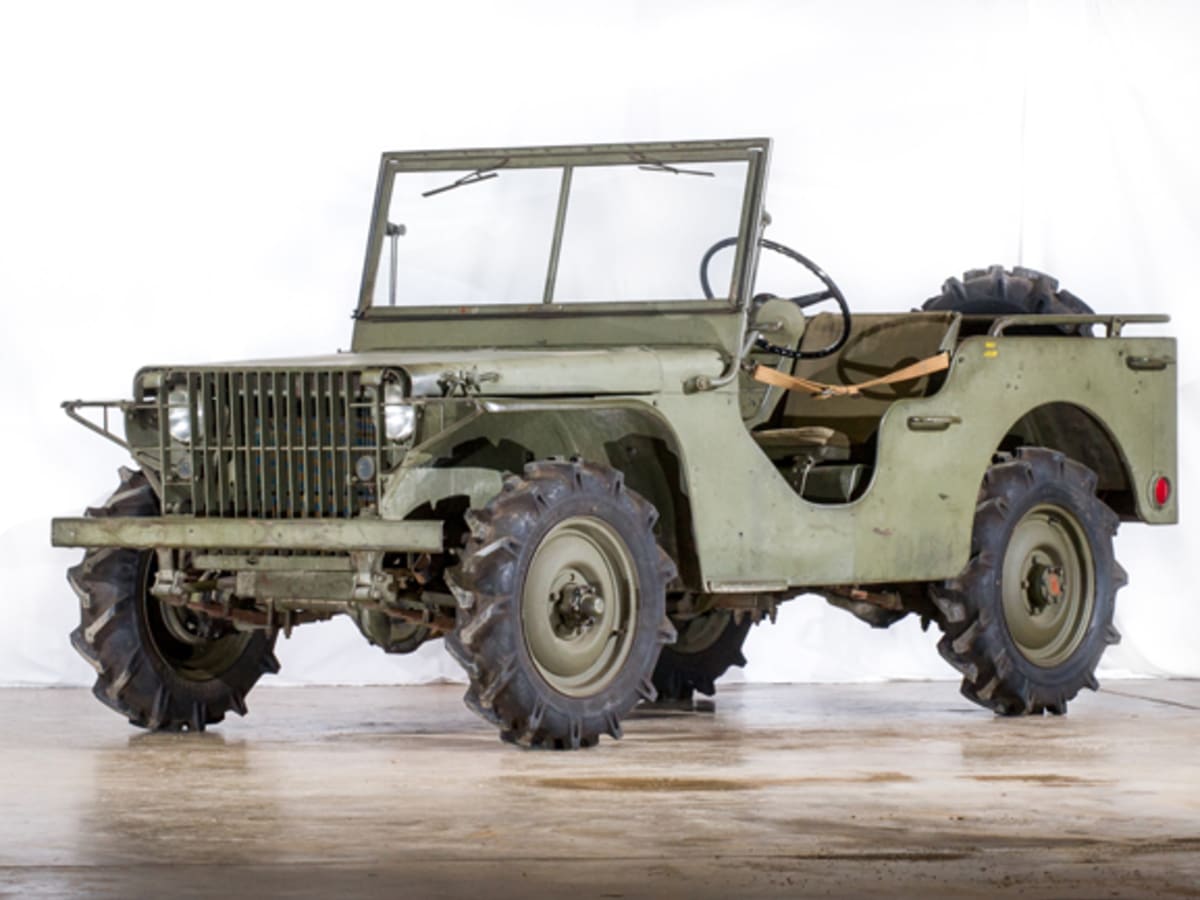
The Jeep began as a military vehicle during World War II. Soldiers needed a strong, simple, and fast car.
They called it “Jeep” for a special reason. Some say it came from the slurred pronunciation of “GP.”
“GP” meant “General Purpose” vehicle. This term described the Jeep’s role on the battlefield.
Possible Acronym Meanings
Many believe Jeep is an acronym. One popular idea is “Just Enough Essential Parts.”
This phrase fits Jeep’s simple and tough design. It had only the parts needed to work well.
Others say Jeep stands for “General Purpose.” This links directly to its military use.
Influence Of Popular Culture
The name Jeep also gained fame from a comic character named “Eugene the Jeep.” This character appeared in Popeye cartoons.
Eugene was small, strong, and could go anywhere. This matched the vehicle’s qualities perfectly.
Soldiers and civilians both liked this idea, helping the name stick over time.
Factory Codes Behind Jeep
Jeeps carry unique factory codes that identify each model and generation. These codes help track design changes and production history. They are not acronyms but internal identifiers used by the manufacturer.
Some codes, like CJ, have clear meanings tied to the vehicle’s purpose. Others, such as JK or JL, serve as shorthand for specific Jeep series. Jeep enthusiasts often create fun interpretations of these codes.
Cj: Civilian Jeep
The CJ series stands for Civilian Jeep. It marks the shift from military to civilian use after World War II. CJ models were the first Jeeps made for everyday drivers.
Jk: Jeep Wrangler Generation
JK refers to the Jeep Wrangler made between 2007 and 2018. This generation introduced modern features while keeping Jeep’s rugged style. The code is popular among fans and off-roaders.
Jl: Latest Wrangler Series
JL is the code for the newest Jeep Wrangler, launched in 2018. It includes updates in safety, technology, and comfort. The JL continues Jeep’s legacy of adventure and durability.
Other Common Factory Codes
Factory codes like TJ, YJ, and XJ also represent important Jeep models. TJ refers to the Wrangler made from 1997 to 2006. YJ was the first Wrangler, produced between 1987 and 1995. XJ identifies the Jeep Cherokee from 1984 to 2001.
These codes help owners and fans understand Jeep’s rich history and model evolution.
Popular Jeep Acronyms
Jeep has a unique culture filled with many acronyms. These acronyms often confuse new Jeep fans. They represent models, features, or community terms. Understanding these helps you connect with Jeep owners worldwide.
Some acronyms are official model codes. Others come from Jeep enthusiasts sharing their love for the brand. These terms show the rugged and fun spirit of Jeep life.
Cj – Civilian Jeep
CJ stands for Civilian Jeep. It refers to the first Jeep models made for public use. The CJ series started after World War II. These Jeeps were simple, tough, and designed for daily driving.
Jk – Jeep Wrangler Model
JK is the code for Jeep Wrangler models made from 2007 to 2018. Jeep fans often use JK to talk about these specific Wrangler years. The JK brought modern features while keeping Jeep’s off-road ability.
Jl – Latest Jeep Wrangler
JL is the newest Jeep Wrangler model, launched in 2018. It has updated technology and better comfort. The JL keeps the classic Jeep look with fresh improvements.
Wheeling – Off-road Driving
Wheeling means driving a Jeep off-road. It involves trails, mud, rocks, and rough paths. Wheeling is a favorite Jeep activity and a way to test vehicle skills.
Jeep Wave – Owner Greeting
Jeep Wave is a special greeting between Jeep drivers. Usually, it is a two-finger or thumb wave. This sign shows respect and friendship in the Jeep community.
Trail Boss – Lead Driver
Trail Boss is the first Jeep in a group on the trail. This driver leads and sets the pace. The Trail Boss guides others safely through tough terrain.
Mall Crawler – City Jeep
Mall Crawler describes a Jeep mostly used in cities. These Jeeps look rugged but rarely go off-road. Owners may add many accessories but drive mostly on pavement.

Credit: www.simivalleychryslerdodgejeepram.com
Jeep Slang And Culture
Jeep slang and culture form a unique part of the brand’s identity. It reflects the spirit of adventure and community shared by Jeep owners. The language used by Jeep enthusiasts is rich with terms that describe their experiences and modifications. This slang helps build connections among Jeep lovers worldwide. Understanding these terms gives insight into the lifestyle and passion behind the brand.
Common Jeep Terms
Jeep owners use special words to describe their vehicles and activities. “Jeep Wave” is a friendly greeting shared between Jeep drivers. “Wheeling” means driving off-road on trails or rough terrain. A “Rig” refers to a Jeep that has been modified for better performance. “Death Wobble” describes a dangerous shaking of the steering wheel. “Armor” means protective parts added to a Jeep for rough use. “Lockers” are locking differentials that improve traction on tough surfaces. “Wrenching” is the act of working on or fixing a Jeep. Other popular terms include “Bogging” or “Mudding,” which means driving through mud.
Community Traditions
Jeep culture has strong traditions that connect owners. The “Jeep Wave” is a common gesture, often a two-finger or thumb wave, to greet fellow Jeep drivers. Groups organize “wheeling” trips where they explore off-road trails together. Roles like “Trail Boss” and “Tail Gunner” help lead and support the convoy during these trips. “Mall Crawlers” describe Jeeps that look tough but mostly stay in city parking lots. Sharing stories, helping with repairs, and attending Jeep events are other ways the community bonds. These traditions create a sense of belonging and pride among Jeep fans.
Jeep Off-road Terminology
Jeep off-road terminology is a key part of the Jeep culture. It helps drivers communicate clearly about their vehicles and trail experiences. Understanding these terms makes off-roading safer and more enjoyable. Jeep owners use specific words to describe vehicle parts, actions, and modifications.
Vehicle Modifications
Jeep owners often modify their vehicles for better off-road performance. Lift kits raise the Jeep’s body to clear obstacles. Bigger tires improve traction on mud, rocks, or sand. Skid plates protect the undercarriage from damage. Winches help pull the Jeep out if it gets stuck. Lockers lock the wheels together to increase traction on slippery surfaces. Light bars add extra brightness for night driving. Each modification has a purpose for tackling tough trails.
Trail Actions
Specific actions describe how a Jeep moves on trails. Wheeling means driving off-road on rough paths. Rock crawling is moving slowly over large rocks. Mud bogging is driving through deep, sticky mud. Sidehilling means driving across a slope without tipping. Airing down lowers tire pressure for better grip on soft ground. Spotting is guiding a driver through tricky sections from outside the vehicle. These terms help drivers plan and share their off-road adventures.
Credit: www.ledfactorymart.com

Credit: militaryhistorynow.com
Frequently Asked Questions
What Do The Letters Jeep Stand For?
The letters in Jeep do not officially stand for anything. The name likely originated from the military term “GP” for “General Purpose. ” Some fans create fun acronyms, but Jeep mainly refers to the brand, not a specific phrase or abbreviation.
Does Jeep Stand For Just Enough?
Jeep does not officially stand for “Just Enough. ” The name likely originated as a military term or slang without a true acronym meaning. Some enthusiasts use “Just Enough Essential Parts” humorously, but Jeep mainly refers to the vehicle brand, not an acronym.
What Is Slang For Jeep?
Slang for Jeep includes terms like “Rig” (modified Jeep), “Mall Crawler” (rarely off-road), “Heep” (excessive bling), and “Wheeling” (off-roading). Jeep owners also use “Jeep Wave” as a friendly greeting among enthusiasts.
Why Were Jeeps Called Jeeps?
Jeeps got their name from the military term “GP,” meaning “General Purpose” vehicle. Soldiers pronounced it as “Jeep. “
What Does Jeep Originally Stand For?
Jeep does not officially stand for any phrase. It began as a nickname for military vehicles. The name may come from the letters “GP,” meaning “General Purpose. ”
Conclusion
Jeep does not officially stand for any phrase or acronym. The name likely comes from the military term “GP,” meaning general purpose vehicle. Some fans enjoy fun meanings like “Just Enough Essential Parts. ” Jeep represents ruggedness, simplicity, and adventure.
Its culture includes unique slang and strong community bonds. Understanding Jeep’s name helps appreciate its history and spirit. Whether on trails or roads, Jeep stands for freedom and durability. This legacy keeps Jeep popular worldwide.