
What Does Hot Oil Mean on Jeep Unveiling Potential Engine Issues: Critical Warning Signs
 Reading Time: 8 minutes
 If you’re driving your Jeep and suddenly see a “HOTOIL” warning, it’s not something to ignore. This alert usually means your transmission fluid is overheating—a sign that your Jeep’s engine or transmission might be under serious stress.
You might wonder, “What does hot oil mean on my Jeep? ” and why it’s showing up now. Understanding this warning could save you from costly repairs or even a complete transmission failure. You’ll learn what triggers the hot oil message, what you need to do immediately, and how to prevent potential engine or transmission issues from becoming a bigger problem.
Keep reading—your Jeep’s health depends on it.
Hot Oil Warning On Jeep
The hot oil warning on a Jeep signals that the transmission fluid temperature is too high. This alert helps prevent serious damage to the transmission system. It often appears after heavy driving conditions like towing or off-roading. Understanding this warning is key to keeping your Jeep running smoothly and avoiding costly repairs.
Transmission Fluid Overheat
Transmission fluid cools and lubricates the transmission parts. When it overheats, the fluid loses its effectiveness. High temperatures can cause the transmission to fail. This happens more often under heavy load or steep climbs. The Jeep’s warning light tells you to stop and cool down the system. Let the engine idle in neutral to lower the fluid temperature. Ignoring this warning risks permanent damage to the transmission.
Common Misconceptions
Many drivers confuse hot oil warnings with engine oil problems. The warning usually relates to transmission fluid, not engine oil. Some believe the message is a sensor error, but often it is accurate. Low fluid levels or dirty fluid can also trigger the alert. Checking fluid levels regularly helps avoid surprises. Understanding the difference keeps drivers calm and ready to act properly.
Models Prone To Hot Oil Alerts
Some Jeep models are more likely to show hot oil warnings. The Wrangler JK is known for this issue due to its small transmission cooler. Heavy use like towing or off-road driving increases the risk. Newer models with similar designs may also experience this. Upgrading to an aftermarket cooler is a popular fix. Knowing if your model is prone helps prepare for potential alerts.
Immediate Steps When Hot Oil Appears
Seeing the hot oil warning on your Jeep signals urgent attention. It points to overheating transmission fluid, which can cause severe damage. Acting fast helps protect your engine and transmission from costly repairs.
Pull Over Safely
Stop driving immediately to prevent further damage. Find a safe spot off the road. Turning off the engine right away can avoid overheating.
Idle In Neutral Or Park
Shift your Jeep into Neutral or Park. Keep the engine running at idle speed. This helps cool the transmission fluid without causing strain.
Wait For Cooling
Allow time for the system to cool down naturally. Watch the dashboard for the hot oil warning to disappear. Only resume driving when the warning is gone.
Reasons Behind Hot Oil Alerts
The “Hot Oil” alert on your Jeep signals a serious issue with the vehicle’s transmission fluid temperature. This warning shows that the fluid is overheating, which can harm the transmission if left unchecked. Various factors can cause this alert, often related to heavy use or system faults. Understanding these causes helps prevent damage and keep your Jeep running smoothly.
Overworked Transmission
Towing heavy loads or off-roading pushes the transmission hard. This extra work raises fluid temperature quickly. Long climbs or stop-and-go traffic add heat stress. The transmission struggles to cool down under constant high torque. This overuse triggers the hot oil warning to protect the system.
Inadequate Stock Coolers
Many Jeep models come with small stock transmission coolers. These coolers often fail to handle heat from tough driving. They cannot dissipate enough heat during heavy towing or rough terrain. This lack of cooling causes the fluid to overheat. Upgrading the cooler is a common fix for repeated alerts.
Electrical And Sensor Issues
Faulty temperature sensors can send wrong signals to the dashboard. Wiring problems near sensors also cause false hot oil warnings. These electrical faults confuse the system into thinking the fluid is too hot. Repairing or replacing sensors and fixing wiring solves this issue.
Low Or Dirty Fluid
Transmission fluid that is low or dirty loses its cooling power. Old fluid cannot absorb heat well or lubricate parts properly. Leaks or missed changes reduce fluid levels dangerously. Regular checks and fluid changes keep the transmission cool and healthy. Ignoring fluid condition risks overheating and damage.
Preventive Measures And Repairs
Preventive measures and repairs play a key role in managing the “hot oil” warning on your Jeep. Acting early helps avoid costly engine or transmission damage. Proper care keeps your vehicle running smoothly and safely. These steps focus on cooling, fluid maintenance, and electrical system checks.
Installing Aftermarket Coolers
Many Jeep models come with small stock coolers. These coolers often fail to handle heavy use like towing or off-roading. Installing an aftermarket cooler helps reduce transmission fluid temperature. These coolers increase fluid flow and improve heat dissipation. They prevent the transmission from overheating and extend its life.
Fluid Checks And Changes
Checking your transmission fluid level is essential. Low fluid can cause overheating and damage. Fluid should be clean and at the correct level. Dirty or old fluid loses its cooling ability. Changing fluid on schedule keeps the transmission working well. Regular checks prevent overheating problems and maintain smooth shifting.
Wiring Inspections
Faulty wiring can cause false “hot oil” warnings. Inspect the wiring near the transmission and sensors carefully. Look for damaged or loose wires that may cause errors. Fixing wiring issues ensures accurate temperature readings. This step helps avoid unnecessary alarms and protects your Jeep’s system.
Engine Cooling Tips While Driving
Keeping your Jeep’s engine cool while driving is vital to avoid damage. High engine temperatures can cause serious problems, including the “Hot Oil” warning. Simple steps can help control heat and protect your vehicle. These tips focus on managing engine load and using your vehicle’s systems effectively.
Reducing Load
Lower the engine’s workload to reduce heat build-up. Avoid towing heavy loads or carrying extra weight on hot days. Drive at moderate speeds instead of pushing the engine hard. Stop and rest the engine if it feels too hot. This helps the cooling system keep temperatures in check and prevents overheating.
Using Heater Core For Heat Dissipation
The heater core can help cool the engine by moving heat away. Turn on the heater inside your Jeep to full heat and fan speed. This transfers heat from the engine coolant into the cabin air. It may feel warm inside, but it lowers engine temperature. Use this trick during slow traffic or when your engine runs hot.
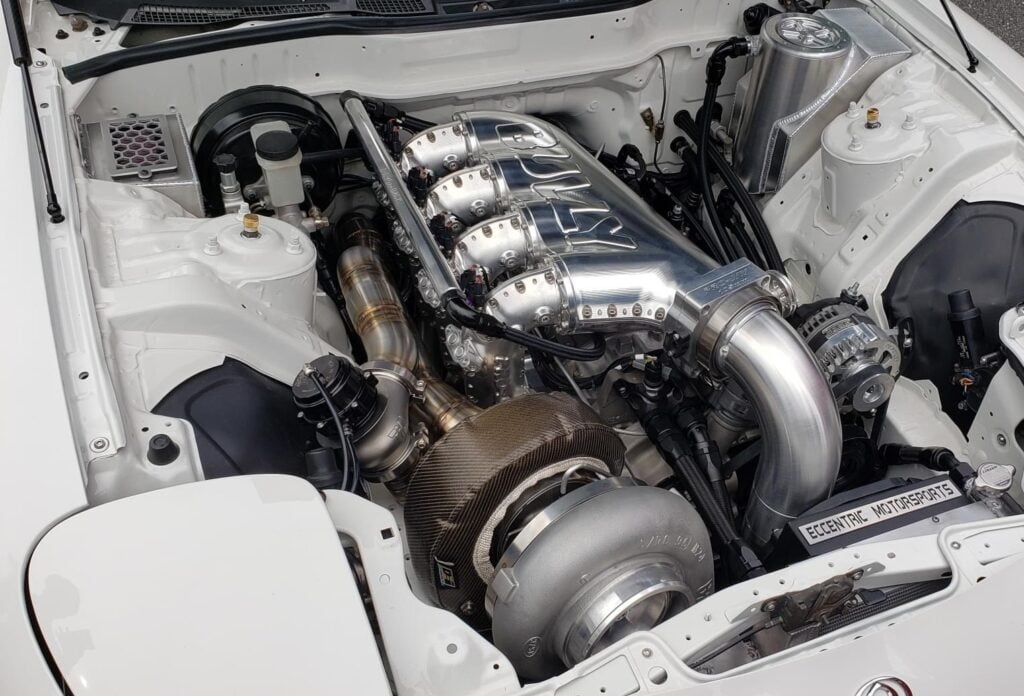
Credit: www.jegs.com
Long-term Cooling System Maintenance
Long-term cooling system maintenance plays a key role in preventing hot oil warnings on your Jeep. Proper care keeps engine and transmission temperatures stable during tough drives. Overheating oil signals stress on the cooling system and possible damage inside the engine or transmission.
Regular maintenance helps avoid costly repairs and improves Jeep performance. It ensures all cooling components work together to manage heat efficiently. Focus on cooling system upgrades, oil quality, and critical part inspections for lasting protection.
Cooling System Upgrades
Upgrading the cooling system boosts heat dissipation under heavy use. Installing a larger radiator or additional transmission cooler helps lower temperatures. High-quality fans and hoses improve coolant flow and system reliability. These upgrades reduce the risk of hot oil warnings during towing or off-roading.
Oil Quality And Filter Importance
Using the right oil grade is essential for heat resistance and lubrication. High-quality synthetic oils handle heat better and protect engine parts. Changing oil filters regularly keeps contaminants from blocking oil flow. Clean oil and filters prevent overheating and maintain engine health.
Oil Pump And Thermostat Checks
Inspecting the oil pump ensures proper oil circulation to cool engine parts. A weak pump can cause oil temperature to rise quickly. Checking the thermostat guarantees coolant flows at the right temperature range. Faulty thermostats can trap heat and raise oil temperature dangerously.
Risks Of Ignoring Hot Oil Warnings
Ignoring hot oil warnings on your Jeep can cause serious problems. This alert shows your transmission fluid is too hot. Continued driving without addressing this can harm your vehicle. Damage grows quickly and repair costs rise fast. Knowing the risks helps you act fast and protect your Jeep.
Transmission Failure
Hot transmission fluid loses its ability to cool and lubricate. This causes parts inside the transmission to wear out faster. Overheating can warp metal and break seals. Eventually, the transmission may stop working completely. Repairing or replacing a failed transmission is costly and time-consuming. Early action prevents this expensive damage.
Potential Fire Hazards
Excess heat in your Jeep’s transmission can lead to fires. Hot fluid may leak onto hot engine parts, igniting a fire. Fires in the engine bay cause severe damage and risk personal injury. This danger increases if fluid levels are low or parts are worn. Heeding hot oil warnings reduces the chance of a fire. Safety depends on quick response and proper maintenance.

Credit: www.geaps.com
Credit: www.carhub.ca
Frequently Asked Questions
What Does It Mean When My Jeep Says Hot Oil?
The “Hot Oil” warning on your Jeep signals transmission fluid overheating. Stop driving, shift to Neutral, and idle until it cools. Overuse, towing, or poor cooling often cause this. Check fluid levels, coolers, and sensors to prevent damage or failure.
Why Does My Jeep Keep Saying Engine Temperature Hot?
Your Jeep shows “engine temperature hot” due to coolant leaks, faulty fans, water pump issues, or engine overheating. Stop driving immediately and let the engine cool to prevent damage. Check coolant levels, radiator, and cooling system components to fix the problem promptly.
How To Fix Hot Oil?
Pull over and let the engine cool. Check and maintain the cooling system, oil levels, and quality. Inspect the oil pump and thermostat. Consider upgrading the radiator or oil cooler for heavy use.
What Does Hot Engine Oil Mean?
Hot engine oil means the oil temperature is too high, risking engine damage. It requires immediate cooling and inspection to prevent failure.
Conclusion
Hot oil warnings on your Jeep signal serious transmission heat issues. Ignoring this alert risks costly engine damage and breakdowns. Stopping safely and letting the vehicle cool protects your Jeep’s life. Regular checks of fluid levels and coolers prevent overheating problems.
Upgrading transmission coolers helps manage heat during tough driving conditions. Watch for sensor problems that may cause false warnings. Acting quickly ensures your Jeep stays reliable and safe on the road. Pay attention to hot oil messages to avoid unexpected repairs.
Your Jeep deserves timely care for smooth, trouble-free drives.