What Does a Locker Do on a Jeep: Unlock Off-Road Performance
 Reading Time: 8 minutes
 What Does A Locker Do On A Jeep
If you’ve ever watched a Jeep climb over rocks or push through deep mud, you might have wondered how it manages such tough trails. The answer often comes down to a special part called a locker. For many beginners, the word “locker” can be confusing. It’s not about storing things—it’s about what happens inside your Jeep’s axles. Understanding what a locker does and why it’s important can help you enjoy off-roading safely and confidently.
What Is A Locker On A Jeep?
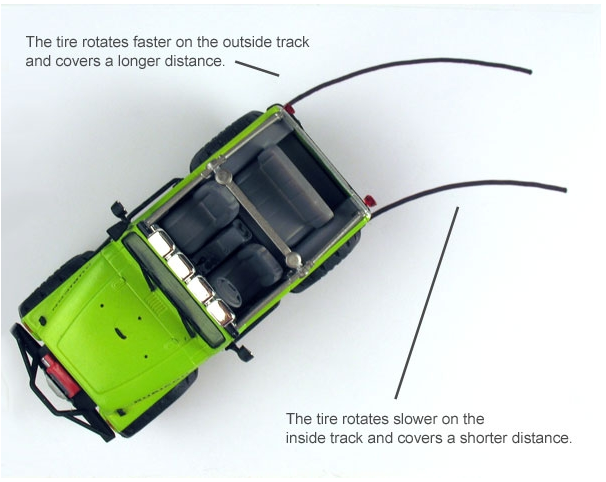
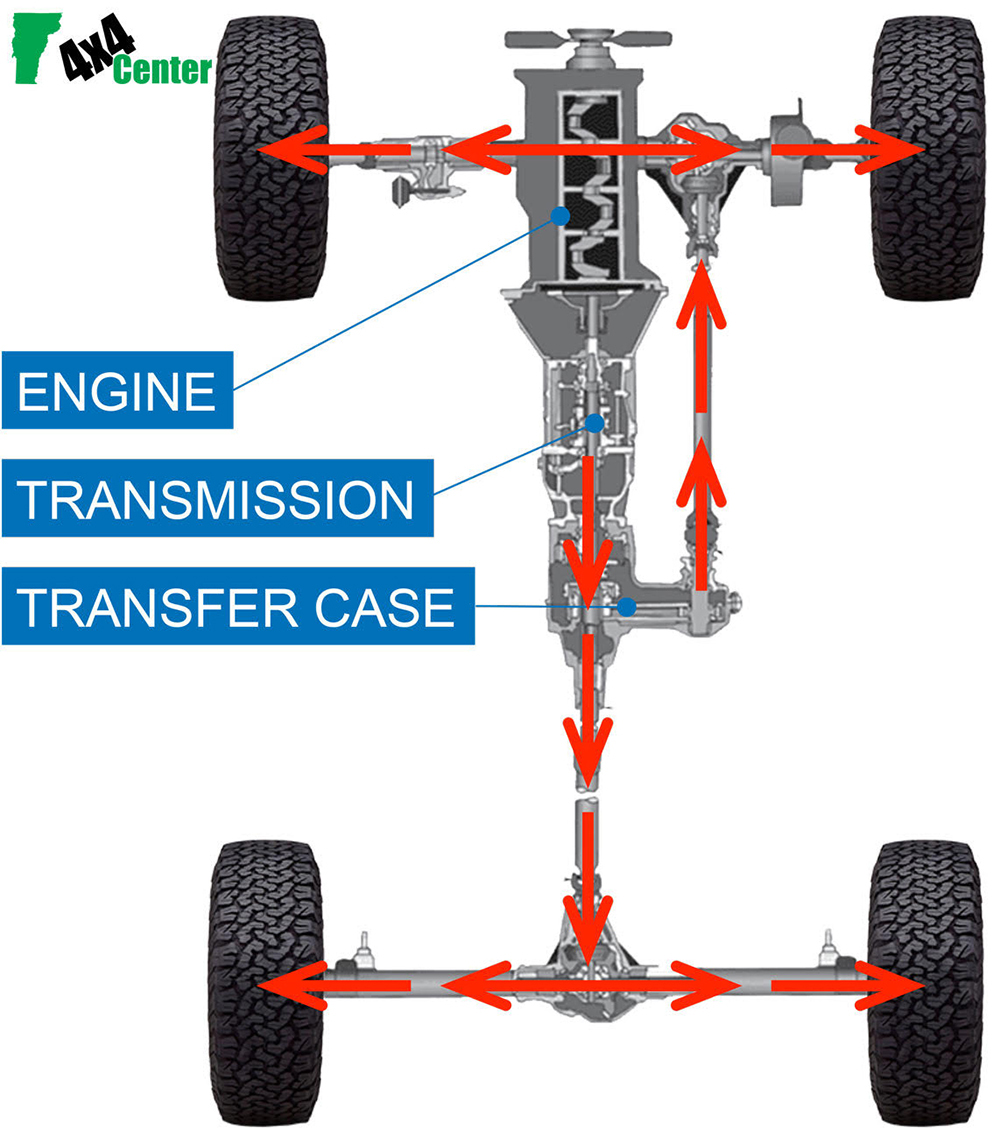
A locker is a device inside the axle of your Jeep. Its job is to control how power moves to the wheels. Normally, when you drive, the differential lets your wheels turn at different speeds—especially in corners. But on rough trails, this can be a problem. If one wheel loses grip, it spins and the other wheel stops moving.
With a locker, both wheels get equal power at the same time. This means if one wheel is in the air or on slippery mud, the other wheel will still turn and move your Jeep forward. Lockers are all about traction—helping your Jeep keep moving when the trail gets tough.
How Does A Locker Work?
A locker changes how the differential works. In a normal differential, if one wheel slips, most of the power goes to that wheel. This is why you can get stuck with just one wheel spinning.
When you lock the differential:
- Both wheels on the axle turn together, at the same speed.
- Power goes evenly to both wheels.
- If one wheel is off the ground or on ice, the other wheel will still get power.
Lockers can be switched on and off (selectable) or always on (automatic). Both types make a big difference when the trail gets slippery or uneven.
Types Of Lockers For Jeeps
Choosing the right locker depends on how you use your Jeep. Here’s a closer look at the main types:
1. Automatic Lockers
- Always work when needed—no buttons to push.
- Lock the wheels together automatically when traction is lost.
- Common on Jeeps used for heavy off-roading.
Example: The Detroit Locker is a well-known automatic locker.
2. Selectable Lockers
- Driver can turn them on or off.
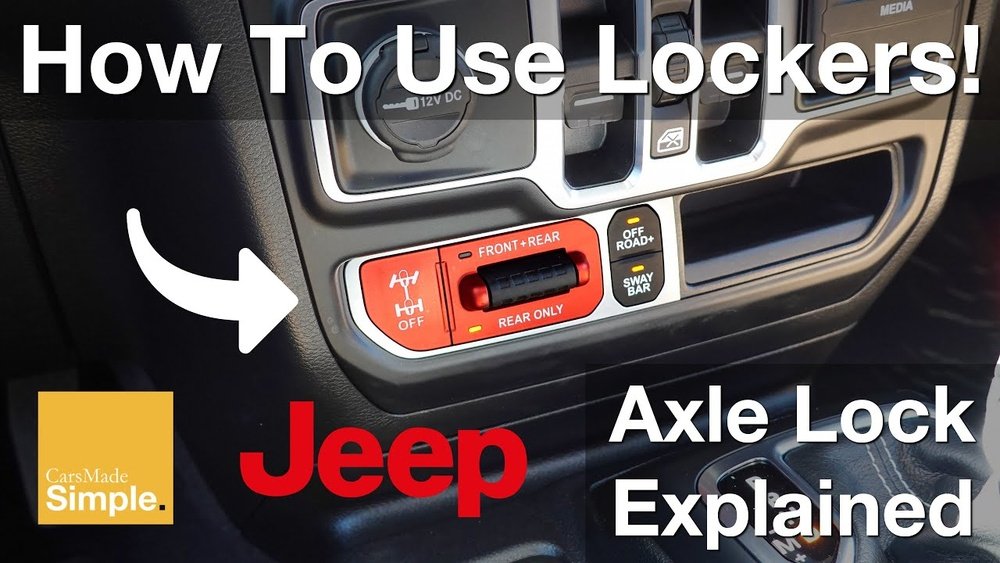
- Use a switch, lever, or button inside the Jeep.
- Popular for daily drivers who also want off-road ability.
Example: The ARB Air Locker is a selectable locker that uses air pressure.
3. Limited Slip Differentials (lsd)
- Not true lockers, but help with traction.
- Send more power to the wheel with grip, but not 100%.
- Good for mild off-roading and daily driving.
Example: The Jeep Trac-Lok is a factory LSD.
4. Spool
- Not a locker, but acts like one.
- Both wheels are always locked together.
- Not good for street driving—mainly for race or extreme off-road Jeeps.
Locker Types Compared
Here’s a simple comparison to show how lockers differ:
| Locker Type | How It Works | Best For | Street Use |
|---|---|---|---|
| Automatic Locker | Locks axles automatically | Heavy off-roading | Can be noisy, not always smooth |
| Selectable Locker | Driver controlled | Mixed use | Good, since you can turn off |
| Limited Slip | Partial lock when needed | Mild off-road, daily drive | Very good |
| Spool | Always locked | Racing, extreme off-road | Poor, not for street |
Why Do You Need A Locker?
If you’re driving on flat roads, you may never need a locker. But for off-roading, lockers are almost magic. Here’s why:
- Improved traction: Both wheels get power, so you don’t get stuck as easily.
- Safer climbing: On rocks or steep hills, lockers help you keep moving forward.
- Less wheel spin: This saves your tires and reduces damage to trails.
Real-world example: Imagine your Jeep crossing a muddy ditch. Without a locker, one wheel spins in the mud and you stop. With a locker, both wheels push together, helping you cross the obstacle.
How Lockers Affect Driving
Lockers are powerful tools, but they also change how your Jeep handles:
- Tighter turns feel harder: When locked, both wheels move at the same speed. On pavement, this can make turning difficult and noisy.
- More tire wear: Locked wheels can scrub tires, especially on hard surfaces.
- Possible drivetrain stress: Lockers put more force on axles and gears. It’s important to use them only when needed.
Selectable lockers solve many of these issues since you can turn them off on the street.

Credit: www.youtube.com
Factory Lockers Vs. Aftermarket Lockers
Some Jeeps come with lockers from the factory. Others need an upgrade. Here’s a breakdown:
Factory Lockers
- Found on models like the Jeep Wrangler Rubicon.
- Reliable, tested by Jeep engineers.
- Usually selectable, for easy use.
Aftermarket Lockers
- Many brands and styles.
- Can be stronger or fit special needs.
- More choices, but may need professional installation.
Tip: If you plan serious off-roading, aftermarket lockers often give you more options and control.
Installation And Maintenance
Adding a locker is a big upgrade. Here’s what beginners should know:
- Professional installation: Lockers need careful setup. The gears must fit exactly right.
- Regular checks: Listen for noises and check for leaks.
- Use only when needed: Selectable lockers are best for street and trail use.
Cost example: Installing a selectable locker can cost $1,000–$2,000 with parts and labor, depending on the model and shop.
Lockers In Action: Practical Scenarios
To really understand lockers, let’s look at some common Jeep situations.
Rock Crawling
When climbing rocks, one wheel often lifts off the ground. Without a locker, all power goes to the air-spinning wheel. With a locker, both wheels push together, making it much easier to climb.
Mud And Snow
In deep mud or snow, it’s easy for one wheel to lose traction. Lockers keep both wheels moving, helping you power through.
Uneven Trails
On trails with holes or logs, lockers stop your Jeep from getting stuck when a wheel is off the ground.
Non-obvious tip: Sometimes, using a locker on easy trails can do more harm than good. Save your locker for when you really need extra traction.
Common Myths About Lockers
Many beginners hear myths about lockers. Let’s clear up a few:
- Myth: “Lockers are only for extreme off-roaders.”
Reality: Many everyday trails can benefit from a locker, especially in mud or snow.
- Myth: “Lockers will break my Jeep.”
Reality: Used correctly, lockers are safe. But they do add stress—so upgrade axles if you run big tires.
- Myth: “All Jeeps come with lockers.”
Reality: Only some models (like the Rubicon) have factory lockers.
Credit: www.extremeterrain.com
Pros And Cons Of Jeep Lockers
Here’s a simple overview of the good and bad:
| Pros | Cons |
|---|---|
| Much better traction | Can make tight turns harder |
| Helps in mud, snow, rocks | More tire wear when locked |
| Selectable types offer flexibility | Costs more to install |
| Improves safety on tough trails | Needs proper use and care |
Locker Vs. Limited Slip: Which Should You Choose?
Choosing between a locker and a limited slip differential depends on your needs.
- Lockers: Give 100% power to both wheels. Best for difficult trails, deep mud, or rocks. Not always smooth on pavement.
- Limited slip: Help with moderate traction loss. Better for mixed driving—rain, light off-road, and street.
If you mostly drive on the road, a limited slip may be enough. If you want to tackle tough trails, a real locker is best.
Jeep Models And Locker Options
Different Jeep models offer different locker setups:
- Wrangler Sport/Sahara: Usually have open differentials or optional limited slip.
- Wrangler Rubicon: Comes with front and rear selectable lockers.
- Gladiator Rubicon: Factory lockers front and rear.
- Cherokee/Grand Cherokee: Some models have optional limited slip or lockers.
Pro tip: If you buy a used Jeep, check if lockers are installed. They add value and capability.
Practical Tips For Using Lockers
- Use lockers only when needed: On pavement or easy trails, leave them off.
- Practice in a safe area: Try lockers on gentle trails before heading to tough terrain.
- Watch your turns: Locked axles make turning sharp corners harder.
- Don’t forget to unlock: After the obstacle, unlock to save your tires and gears.
- Upgrade axles if needed: Big tires and lockers can break weak axles.
Maintenance And Care
Lockers are strong, but they need attention:
- Check for leaks and noises after every trip.
- Change differential oil as the manual suggests.
- Have a shop check the locker during regular Jeep service.
Non-obvious advice: Some automatic lockers “click” or make noise on corners. This is normal, but if you hear grinding or loud clunks, have it checked.
Locker Technology: What’s New?
Modern lockers use advanced materials and controls. Some Jeep models offer electronic lockers that activate with a button. New designs are stronger and quieter than older types.
Example: The Jeep Wrangler Rubicon uses electronic lockers that are easy to control from the dashboard.
For in-depth technical info, the Wikipedia page on locking differentials explains how different designs work.
Credit: www.quadratec.com
Frequently Asked Questions
What’s The Difference Between A Locker And A Limited Slip Differential?
A locker sends power equally to both wheels—full lock. A limited slip only shifts more power to the wheel with traction, but not 100%. Lockers are better for extreme off-roading; limited slip is smoother for street and mild trails.
Can I Install A Locker Myself?
Installing a locker is complex and needs special tools. Most beginners should have a professional shop do the job. Mistakes can damage your axle or gears.
Will A Locker Work On Ice Or Snow?
Yes, lockers can help on slippery surfaces. But be careful—locked wheels can make steering harder and may cause sliding on pavement. Use only when you need extra traction.
Do Lockers Work In Both The Front And Rear Axles?
Yes, you can have lockers in front, rear, or both. Many serious off-roaders start with a rear locker and add a front locker later for maximum traction.
Are Lockers Bad For Daily Driving?
Selectable lockers are fine for daily use since you can turn them off. Automatic lockers may cause noise or odd handling on the street. Always unlock before returning to pavement.
Lockers are one of the most useful upgrades for any Jeep owner who loves adventure. They boost your Jeep’s abilities and open up more trails. By understanding how lockers work and when to use them, you’ll be ready to face almost any challenge the trail throws your way.


