What Causes the Jeep Death Wobble and How to Fix It
 Reading Time: 7 minutes
 If you drive a Jeep, you may have heard about the death wobble. This is a scary problem that can shake the steering wheel hard and make your Jeep feel unsafe. Many new Jeep owners worry about it, but few understand why it happens or how to fix it. In this article, you’ll learn exactly what causes the Jeep death wobble, how to spot the signs, and what you can do to prevent it. Every explanation is easy to read, with real data and practical examples.
What Is The Jeep Death Wobble?
The death wobble is a violent shaking of the front wheels and steering wheel. It usually happens when you drive over a bump or hit a pothole at speeds above 45 mph. The Jeep feels like it’s out of control, and the shaking doesn’t stop until you slow down a lot.
- The steering wheel shakes side to side
- The whole front end feels loose
- You may hear loud noises from the suspension
Death wobble can be dangerous. It makes it hard to steer and can scare even experienced drivers. Most often, it affects Jeep Wrangler models, especially those with solid front axles.
Why Does Death Wobble Happen In Jeeps?
Jeep Wranglers and similar models have a solid front axle design. This is different from most cars, which have independent front suspension. Solid axles are good for off-roading, but they can transfer vibrations more easily.
Main Causes Of Death Wobble
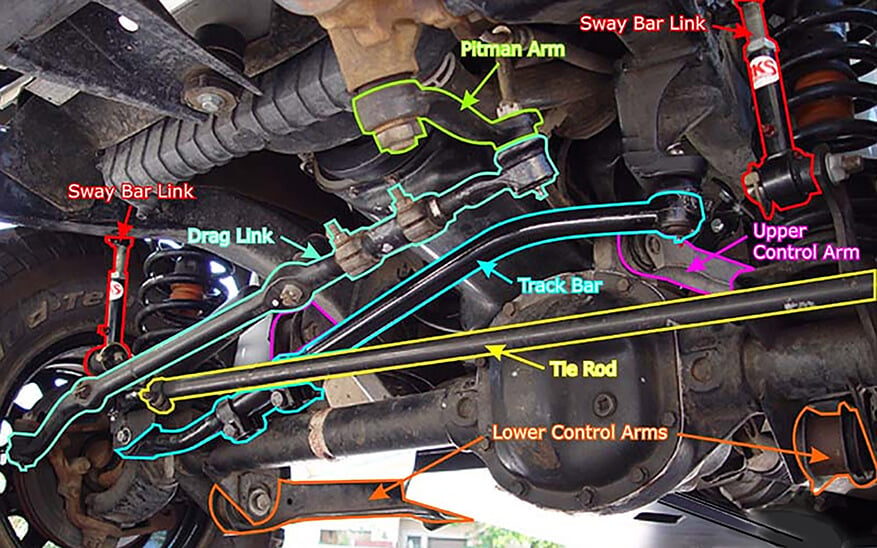
There isn’t just one cause. Usually, death wobble happens because several parts are worn or loose. Here are the most common reasons:
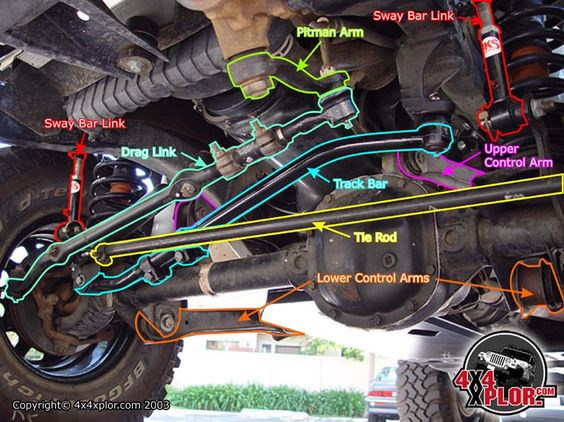
- Worn track bar bushings
- The track bar keeps the axle in place.
- If the bushings or bolts are loose, the axle can move sideways.
- Loose tie rod ends
- Tie rods connect the steering to the wheels.
- Worn tie rod ends make steering unstable.
- Bad ball joints
- Ball joints allow the wheels to turn.
- When they wear out, the wheels can wobble.
- Damaged control arm bushings
- Control arms help keep the wheels aligned.
- Worn bushings let the axle shift and vibrate.
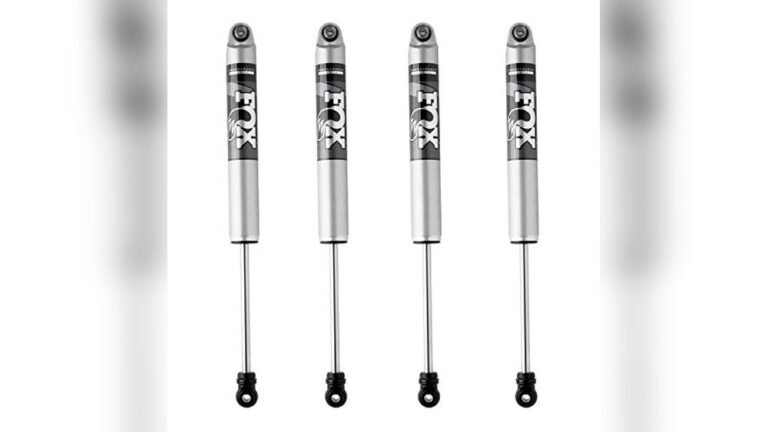
- Weak steering stabilizer
- The stabilizer is like a shock absorber for the steering.
- If it’s weak, it can’t control sudden movements.
- Unbalanced or bent wheels
- A bent wheel or bad tire can start the wobble.
Non-obvious insight: Even new Jeeps can have death wobble if parts are not tightened properly during assembly.
Example
Suppose your Jeep hits a pothole at 50 mph. If the track bar bushing is worn, the axle shifts. This movement makes the wheels shake. If the tie rod ends are also loose, the shaking gets worse. The steering stabilizer cannot control the movement, and the wobble continues until you slow down.

Credit: www.cjponyparts.com
How To Diagnose Jeep Death Wobble
Finding the cause of death wobble is not always easy. You need to check several parts.
Key Steps
- Inspect the track bar
- Check both ends for movement.
- Try to move the bar by hand; any play means trouble.
- Check tie rod ends and ball joints
- Lift the Jeep and wiggle the wheels.
- If the wheels move or make clicking sounds, parts may be worn.
- Look at control arm bushings
- Inspect for cracks or looseness.
- Test the steering stabilizer
- Remove one end and push the stabilizer; it should be firm.
- Check wheel balance
- Look for dents, bends, or missing weights.
Comparison Table: Common Causes Vs Symptoms
| Cause | Symptom | How to Check |
|---|---|---|
| Track bar bushings | Steering feels loose | Try to move bar by hand |
| Tie rod ends | Wheel shakes side to side | Wiggle wheels up/down |
| Ball joints | Clunking noise | Lift Jeep, check movement |
| Control arm bushings | Axle moves under load | Inspect bushings visually |
| Steering stabilizer | Can’t control wobble | Push stabilizer by hand |
| Wheel balance | Wobble starts at speed | Check for bent wheels |
How Common Is Jeep Death Wobble?
Death wobble is not rare. In fact, Jeep Wrangler owners report it more than any other SUV. According to NHTSA (National Highway Traffic Safety Administration):
- Over 1,200 Jeep death wobble complaints were filed between 2012 and 2022.
- Most complaints are for Jeep Wrangler models from 2007–2018 (JK series).
- Many cases happen after hitting a bump at highway speeds.
Example Data
A survey by Consumer Reports showed that about 7% of Jeep owners experienced death wobble at least once. Most cases happened after the Jeep had more than 50,000 miles.
Table: Models Most Affected
| Model | Years | Death Wobble Reports |
|---|---|---|
| Wrangler JK | 2007–2018 | High |
| Wrangler JL | 2018–present | Moderate |
| Grand Cherokee | 1999–2004 | Low |
| Wrangler TJ | 1997–2006 | Moderate |
Credit: www.offroadelements.com
How To Fix And Prevent Jeep Death Wobble
Fixing death wobble means finding the root cause. Sometimes, several parts need attention.
Steps To Fix
- Replace worn track bar bushings
- Use high-quality bushings.
- Torque bolts to factory specs.
- Change bad tie rod ends
- Get OEM or trusted aftermarket parts.
- Check for proper fit.
- Replace ball joints if needed
- Ball joints should have no play.
- Use greaseable ones for longer life.
- Upgrade control arm bushings
- Polyurethane bushings last longer.
- Make sure arms are straight.
- Install new steering stabilizer
- Heavy-duty stabilizer can help.
- Don’t rely on stabilizer alone.
- Balance and check wheels
- Fix bent rims.
- Make sure tires are balanced.
Practical Tips
- Tighten all suspension bolts after repairs.
- Get a professional alignment after fixing parts.
- Check tire pressure regularly.
- If you lift your Jeep, use correct geometry correction parts.
Non-obvious insight: Even after fixing the main cause, small misalignments can bring back the wobble. Always double-check the work.
Table: Repair Cost Estimates
| Part | Typical Cost | Labor Time |
|---|---|---|
| Track bar bushings | $50–$150 | 1 hour |
| Tie rod ends | $120–$250 | 2 hours |
| Ball joints | $200–$400 | 3 hours |
| Steering stabilizer | $75–$150 | 30 minutes |
| Wheel balance | $40–$80 | 30 minutes |
Common Mistakes When Fixing Death Wobble
Many Jeep owners try to fix death wobble without knowing the real cause. This can make the problem worse.
- Only replacing the steering stabilizer: This is a “band-aid” fix. The stabilizer can mask symptoms but not solve the problem.
- Ignoring alignment: Bad alignment can cause or worsen death wobble.
- Not checking all suspension parts: Even one loose bolt can start the wobble again.
- Using cheap parts: Low-quality bushings and tie rod ends wear out quickly.
- Not balancing wheels: Unbalanced tires can trigger wobble even after repairs.
Real-world Example
Imagine you own a 2015 Jeep Wrangler JK. After 60,000 miles, you notice the steering wheel shakes violently after hitting a bump at 55 mph. You take it to a shop:
- Mechanic finds worn track bar bushings and loose tie rod ends.
- Both are replaced, bolts tightened to factory specs.
- Wheels are balanced, and alignment is checked.
- After repairs, the death wobble disappears.
This shows how finding and fixing the real cause can solve the problem.
Expert Advice For Beginners
If you are new to Jeeps, remember:
- Don’t ignore small steering problems. They can get worse fast.
- Check your Jeep’s suspension every 10,000 miles.
- If you lift your Jeep, ask about geometry correction kits.
- Use trusted shops for repairs, not just quick fixes.
Pro tip: Take photos of your suspension parts before and after repairs. This helps you spot changes later.
Jeep Death Wobble And Safety
Death wobble is not just annoying — it’s a real safety issue. It can cause accidents if you lose control. Always slow down right away when it happens. Move to a safe place and check your Jeep. Never keep driving with wobble.
If you plan to buy a used Jeep, ask for maintenance records. Look for signs of death wobble, like uneven tire wear or new suspension parts.
Frequently Asked Questions
What Is The Main Cause Of Jeep Death Wobble?
The most common cause is worn track bar bushings. But often, several worn or loose parts work together to trigger the wobble.
Is Death Wobble Dangerous?
Yes, death wobble can make you lose control of your Jeep. It’s a safety risk and should be fixed as soon as possible.
Can All Jeeps Get Death Wobble?
Mostly, Wrangler models with solid front axles are affected. Other models with similar suspension can also get it, but it’s less common.
Does Lifting My Jeep Cause Death Wobble?
Lifting can change the suspension geometry. If you don’t add correction parts, it increases the risk of death wobble.
How Can I Prevent Death Wobble?
- Inspect suspension parts often
- Use quality replacement parts
- Balance your wheels regularly
- Tighten all bolts to factory specs
For more detailed information, visit Wikipedia.
Jeep death wobble is a problem you shouldn’t ignore. With the right checks and repairs, you can keep your Jeep safe and enjoy your drive. Always pay attention to how your Jeep feels and act quickly if you notice any strange shaking.
Credit: doubleblackoffroad.com